Category Archives: Cassette Chronicles

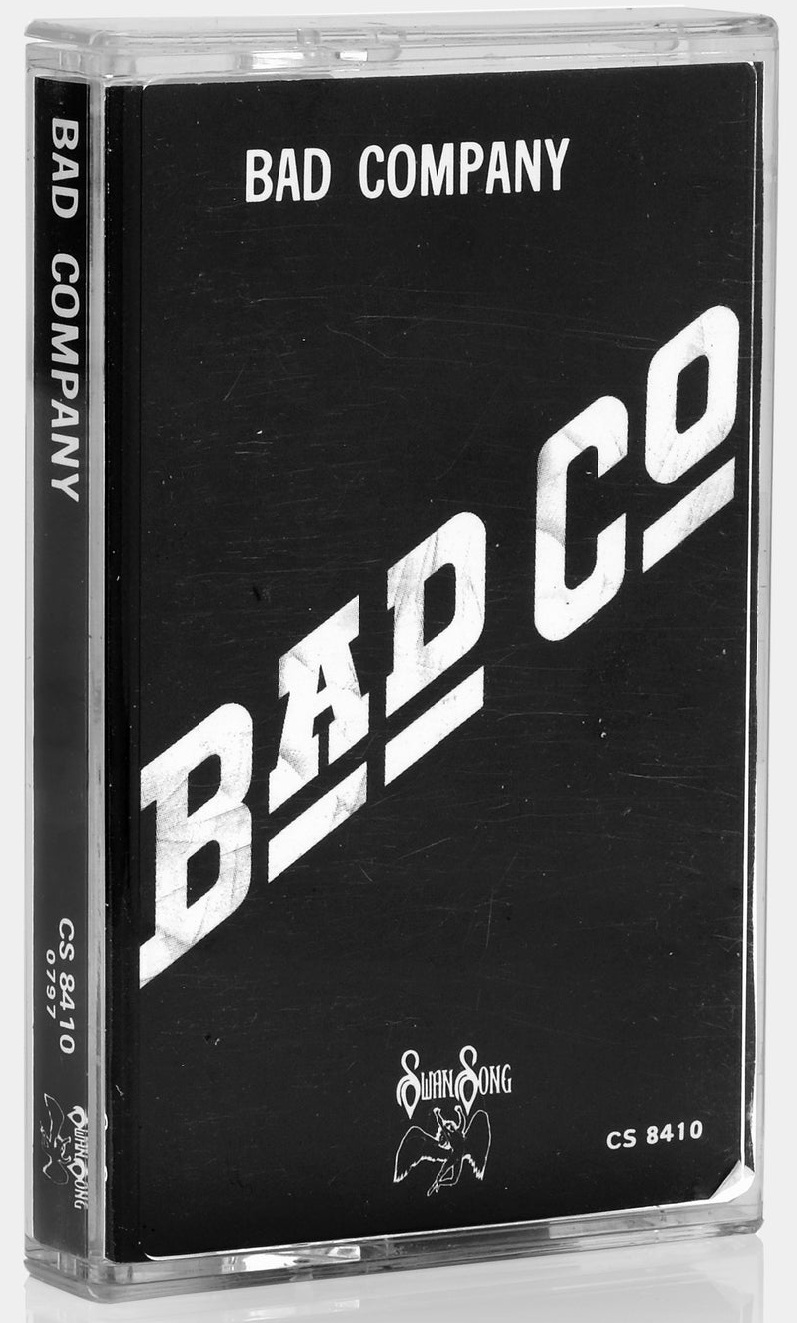
THE CASSETTE CHRONICLES – BAD COMPANY’S SELF-TITLED DEBUT

By JAY ROBERTS

The Cassette Chronicles is a continuing series of mini reviews and reflections on albums from the 1980’s and 1990’s. The aim of this series is to highlight both known and underappreciated albums from rock, pop and metal genres from this time period through the cassette editions of their releases. Some of the albums I have known about and loved for years, while others are new to me and were music I’ve always wanted to hear. There will be some review analysis and my own personal stories about my connection with various albums. These opinions are strictly my own and do not reflect the views of anyone else at Limelight Magazine.

BAD COMPANY – BAD COMPANY (1974)

A little over five years ago, I wrote about the Bad Company album Holy Water when singer Brian Howe passed away. I’d always planned to write about more of the band’s albums but just never seemed to get around to it.

Until now it is…sadly. I say that because on June 23rd of this year, after years of health issues related to a stroke suffered in 2016, Bad Company guitarist Mick Ralphs (who also co-founded Mott the Hoople) passed away.

Everything I read about Ralphs after his passing talked about while he may not have been one of those flashy kind of guitar players, the man could write some incredible guitar riffs AND he wrote some absolutely outstanding songs have stood and will continue to stand the test of time. And substance over flash is never a bad thing.

When I wrote about the Holy Water album, I mentioned that the only time I saw the band live was when Brian Howe was the singer. But I did get to see Mick Ralphs and I do know that I had a blast at that show. But what I forgot at that time was I did see band live when singer Paul Rodgers had returned to the band. Well sort of. I paid for a pay-per-view concert that the band did at some point. I think it was from a date they played in Florida but I can’t recall for sure. But I did at least get to see Ralphs, Rodgers and drummer Simon Kirke (I can’t remember if bassist Boz Burrell had passed away at that point or not) play a show together even if it was thousands of miles away.

With all that, I just felt that I had to talk about the band’s self-titled debut album this week to mark the passing of Mick Ralphs. When I was a member of the Classic Rock Bottom message forums, I’d done a pretty involved look at the album when a special two-disc version of the album was released, but with that site gone now, it was time to take a new listen to the album.

There’s just eight songs on the original album but the band sure managed to make their mark right from this auspicious start. Six of the songs are stone cold classics of the band’s catalog!

Side One opens with the killer rocking romp “Can’t Get Enough” and if you hadn’t gotten a taste of the individual members of the band before, this song fully captures their separate talents and makes a rousing statement from the first moments. You’ve got the smoking guitar sound from Ralphs, the insistent soulful blues-soaked vocal take from Rodgers and a stunningly resounding thump from both Burrell and Kirke. In fact, the bass and drums for this track are so up in the mix that even I was picking out Burrell’s playing as the song played. Plus Kirke is a thumper on the kit so you know you weren’t going to be disappointed there either.

By the way, this opening song was a sole writing composition by Ralphs. He wrote two other songs on the album himself and co-wrote two more with Paul Rodgers. If that doesn’t show how much substance he had as a musician, nothing will.

For “Rock Steady”, you still have a rocking upbeat tempo to the music though it is a bit more subtle than on “Can’t Get Enough”. However, don’t let that fool you into thinking that the band was taking their foot off the musical pedal. Rather they were just shifting gears a bit. Paul Rodgers wrote this song and it is another highlight of not just the album itself but the band’s catalog.

I won’t claim that I’ve ever really been much of a fan of Mott the Hoople. I know that the band existed and that Ian Hunter was their most notable singer, but I never really got interested enough to give the band a good listen. So when I first learned that the song “Ready For Love” was actually a cover version that Mick Ralphs had written for Mott the Hoople I was surprised. Even as I listened to the album now and was doing research, I’d forgotten that fact again. And while I should do a better job of remembering these things, I can’t get that upset at myself about it because the Bad Company version is a smoking hot slow burn track that they make the song their own and the track oozes such a fiery undercurrent that even though the tempo remains in straightforward groove for almost the entire running time, you still get a rocking vibe to it at the same time.

The final song on Side One of Bad Company is “Don’t Let Me Down” which is not one of the six “Hall of Fame” type songs the album can proclaim…BUT…don’t let yourself sleep on this track. It’s got a nice pounding rhythm to it and when you take the vocals from Paul Rodgers and enhance them with a killer backing choir/chorus to give an added dimension, the song is definitely an underrated gem.

The second side of the album kicks off with the album’s title track. And it is an absolute masterclass in not just songwriting but seeing the vision executed to perfection. And between the lyrical content and the different ways the band uses to set the mood of the song, I can’t see how anyone couldn’t be moved by the track. The slower main lyrical passages give you that cinematic feel. You get the feeling this is the main title screen song for a western movie. When you get to the song’s chorus, the music gets rocked up and suddenly you are hit with a blast of guitars that remind again just how good Mick Ralphs is/was. The song was co-written by Ralphs and Simon Kirke and they really got everything right about this one.

The song “The Way I Choose” is the other of the two tracks which aren’t usually mentioned when you talk about the album. Despite listening to the album plenty of times over the four decades I’ve actually owned the album, it’s probably the one I forget about the most myself. But I’m listening to it in the here and now and find that I like this ballad more than I remembered. It’s got a slow and easy pace and for the most part, the song is built around the vocals and the rhythm section. Yes, Mick Ralphs is involved but he’s in the background more than being the lead thing you hear in most of the song. I liked the use of the saxophone on this track as well.

The energy level gets brought back up to a full rocking beat with the song “Movin’ On”, another high energy rocker that not only features some tasty guitar playing but a superb vocal turn as well.

The album closes out in a much more relaxed vibe with the song “Seagull”. Pretty much just Mick Ralphs on guitar and Paul Rodgers on vocals, this is a ballad that is not only fantastic, it doesn’t really show its age because the song’s subject matter isn’t tied to whatever someone’s love of the moment is. It’s almost somber in a way but I’ve always taken the song in a much more positive and upbeat kind of way myself. I like the seeming simplicity of the song. While I don’t remember exactly when I first heard the song (probably when I actually bought the album but who knows), I remember that I was kind of blown away by it. It’s a feeling that has continued to happen every time I hear the song even now.

In November of this year, Bad Company will finally be inducted into the Rock and Roll Hall of Fame. It will be a great day but a somber one because Mick Ralphs won’t be able to be there. So like many other fans, I will take solace in the music he leaves behind and what better way to get started than with Bad Company, which is not only a masterful debut album but one of the best examples of the entire classic rock genre.

REST IN PEACE MICK RALPHS.

NOTES OF INTEREST: The Bad Company album has sold more than five million copies since it was released. The album got the reissue treatment in 1994 and 2006. In 2015, the album was reissued again with a bonus disc containing 13 tracks. Some of those tracks were demo versions of songs on the original release, but two songs (“Little Miss Fortune” and “Easy On My Soul”) which were B-sides to singles released were included as well.

The Bad Company album peaked at #1 on the album chart. The song “Can’t Get Enough” hit #5 on the singles chart while “Movin’ On” charted out at #19.
The final album released with Mick Ralphs being involved was not a Bad Company album but instead it was the 2016 Mick Ralphs Blues Band album called If It Ain’t Broke.

A day or so after Mick Ralphs died, Def Leppard’s Joe Elliott paid tribute to him during one of their shows by playing a slightly shortened version of “Seagull”. You can see a clip of that on Bad Company’s Facebook page.

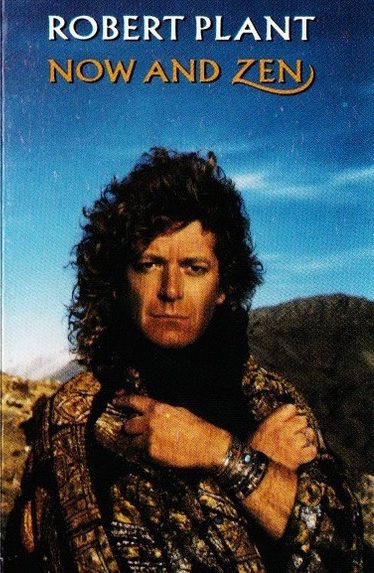
THE CASSETTE CHRONICLES – ROBERT PLANT’S ‘NOW AND ZEN’

By JAY ROBERTS

The Cassette Chronicles is a continuing series of mini reviews and reflections on albums from the 1980’s and 1990’s. The aim of this series is to highlight both known and underappreciated albums from rock, pop and metal genres from this time period through the cassette editions of their releases. Some of the albums I have known about and loved for years, while others are new to me and were music I’ve always wanted to hear. There will be some review analysis and my own personal stories about my connection with various albums. These opinions are strictly my own and do not reflect the views of anyone else at Limelight Magazine.

ROBERT PLANT – NOW AND ZEN (1988)

Yes, Yes. I know…oooh Robert Plant. Frontman for the greatest rock band ever. Sang on the greatest song ever recorded…ooh!

Okay, while the above is said with tongue-in-cheek and a heavy dose of sarcasm, there isn’t a whole lot that can be said about Robert Plant during his time with Led Zeppelin that hasn’t already been said by any number of people in the past.

But despite its success, I think Plant’s solo career, which features so many stylistic changes from album to album that you might get whiplash with each new change of direction, is still somehow underrated despite its highly successful nature as well.

And that’s what led me to writing about the fourth studio album Now and Zen this week. I just wanted to go back and check out one of his earlier albums given I hadn’t dug them out in a while.

I went with the album because it is the first one I can remember really paying attention to back in the day. While I went back and got the other earlier albums, this was the first Plant solo release that I actually bought.

The first side of the album is just four songs and two of those were among the three singles released from the album. Now and Zen opens with “Heaven Knows”, which was the first single. The song has a mid-tempo pacing that isn’t quite a full-on rocker but it does get pretty intense with all the instrumentation giving a growing intensity to the music. Plant’s vocals are pretty smoothed out here and the backing vocals on the chorus gives an extra bit of pep to the overal vocal. That guitar solo was pretty rocking (see NOTES OF INTEREST for who played the solo). From the guitar solo on the pace of the song gets more of a rocking beat and the guitar playing really kicks in full to have the song rock out through to the end.

For “Dance on My Own”, the pacing is pretty lively from the start. I love the musical score on this one and Plant seems to really be warming up to more of a rocker stance with his vocals on this one. The funny thing is that this particular song has a great hook and it left me wondering why they didn’t try to release this one as a single. I think at the time, it would’ve done pretty well for itself on the singles chart. It is probably one of my favorite Robert Plant solo tracks.

Now the second single released from the album is where I really became aware of Now and Zen. The song “Tall Cool One” just hit me like a two-by-four the first time I heard it and I was hooked into the song. You’ve got a full on hard rocking music soundtrack and Plant is REALLY rocking out with his performance on this song. It’s a flat out killer track in every respect and if I was going to be allowed to pick a setlist for a Plant solo show, this one would definitely be on it. The fact that it samples at least five Led Zeppelin songs musically and a couple of lyrical takes from the group as well might have been Plant’s beginning of NOT running away from his musical past. Just a great rocking number that features a new solo from the same special guest that played the solo on “Heaven Knows”.

The final song on Side One of the album Is “The Way I Feel”. It’s got a nice little bit of atmospheric moodiness in the musical presentation at the start. The song is quite intriguing throughout even if it is probably looked upon as an “album” track these days. Of course, that’s definitely doing a disservice to the song because there’s a lot of cool musical stuff to check out. The guitar playing is phenomenal here as it pops up and surprises you with some fleet-fingered playing in at least two spots that grab your ears.

The second side of the album opens with the song “Helen of Troy” and it has a really cool kind of epic feel to it. But the fact that instead of being a long drawn out musically dramatic score, the song has a cool hard rocking drive to it. And plenty of riffs to draw in the listener. Plant’s delivery of the lyrics is pretty cool as well.

By the way, I should point out that by now I’d realized that it had been long enough since the last time I listened to Now and Zen that songs like “Helen of Troy” had admittedly slipped a bit from my conscious memory. So I got to listen to the song almost as if I was hearing it for the first time. Which means I also got to rock out in my head because the song was so engaging. Just a straight-shooting rock and roll song!

The song “Billy’s Revenge” might’ve been done in 1988 but the intro started out and it kind of gave off a 50s rockabilly vibe for some reason. The production on the song makes sure it sounds of the decade it was actually released but the way the song was crafted musically and how it was performed vocally, it really got your foot tapping to the beat. It’s a nice way to combine two different eras and still produce one hell of a track.

The third single from the album was “Ship of Fools” which is the signature ballad track and it is astonishing to me just how damn cool it was then and how it remains so even now. The music is a bit softer in the beginning, more methodically played and feeding perfectly into the vocal performance where Plant really is delivering the goods. This one is so damn good that you’d almost think this could’ve been a Zeppelin song. When the drums kick in after the first lyrical passage, you can feel the song becoming even more dramatic. As Plant sings, “turn this boat around…”, you can just find yourself lost in the mood the song establishes. I saw one place that called “Ship of Fools” one of the best songs Plant has ever writtend and recorded and I think you’d be hard-pressed to really find any kind of flaw in the song.

The opening music for the song “Why” sounds like the intro music you might hear in one of those quintessential 80s movies that introduce some character who is going to become a hero and get the girl by the end of the 90 minute film. I know it might seem a weird connection to make with the song but that was my impression as I listened to the track in the here and now. It’s got a very upbeat and highly electric tempo so you do get a bit of a charge from the music.

The closing track from the cassette version of the album is “White, Clean and Neat”. I was never quite sure what to think about this song before now. I got curious so I used the Net to look up what the meaning of this song was supposed to be. I have no problem admitting that I didn’t get it all these years. The song itself is good with a jaunty tune and some cool guitar riffing powering the song. But the meaning of the lyrics escaped me. When I looked it up, finding out it was criticizing the difference between how celebrities lives got presented to the public and what they really were like definitely gave me a different kind of perspective on the song.

I’ve seen a quote from Robert Plant where looking back at the album, he feels some of the songs got lost in the various technologies employed to craft them. He’s of course the final arbiter of his music, but for me I really loved the Now and Zen album a lot. It’s got great songs that even more than thirty-seven years after its release still have quite the zesty vibe to them. As I listened to the album for this article, I was swept back up into what made Now and Zen such a magical experience the first time I listened to it!

NOTES OF INTEREST – The Now and Zen album peaked at #6 on the Billboard album chart and has been certified triple platinum. While the original cassette included only nine songs, the CD had the bonus song “Walking Towards Paradise”. There was a reissue in 2007 that added three live tracks as bonus cuts. By the way, I checked out “Walking Towards Paradise” and found that I really liked the way it came out. It’s got a cool rocking feel to it and as the closing song on the CD version of the album, really brought things to a different crescendo as the album finished.

Jimmy Page played the guitar solos on “Heaven Knows” and “Tall Cool One”.

I saw Robert Plant at the Providence Civic Center on the tour for Now and Zen. Sadly, I was not thrilled with the show. The volume was so loud that Plant’s vocals got buried too much in the mix. He had Cheap Trick opening up for him and they were miles away better…because you could actually understand and HEAR the vocals from Robin Zander.

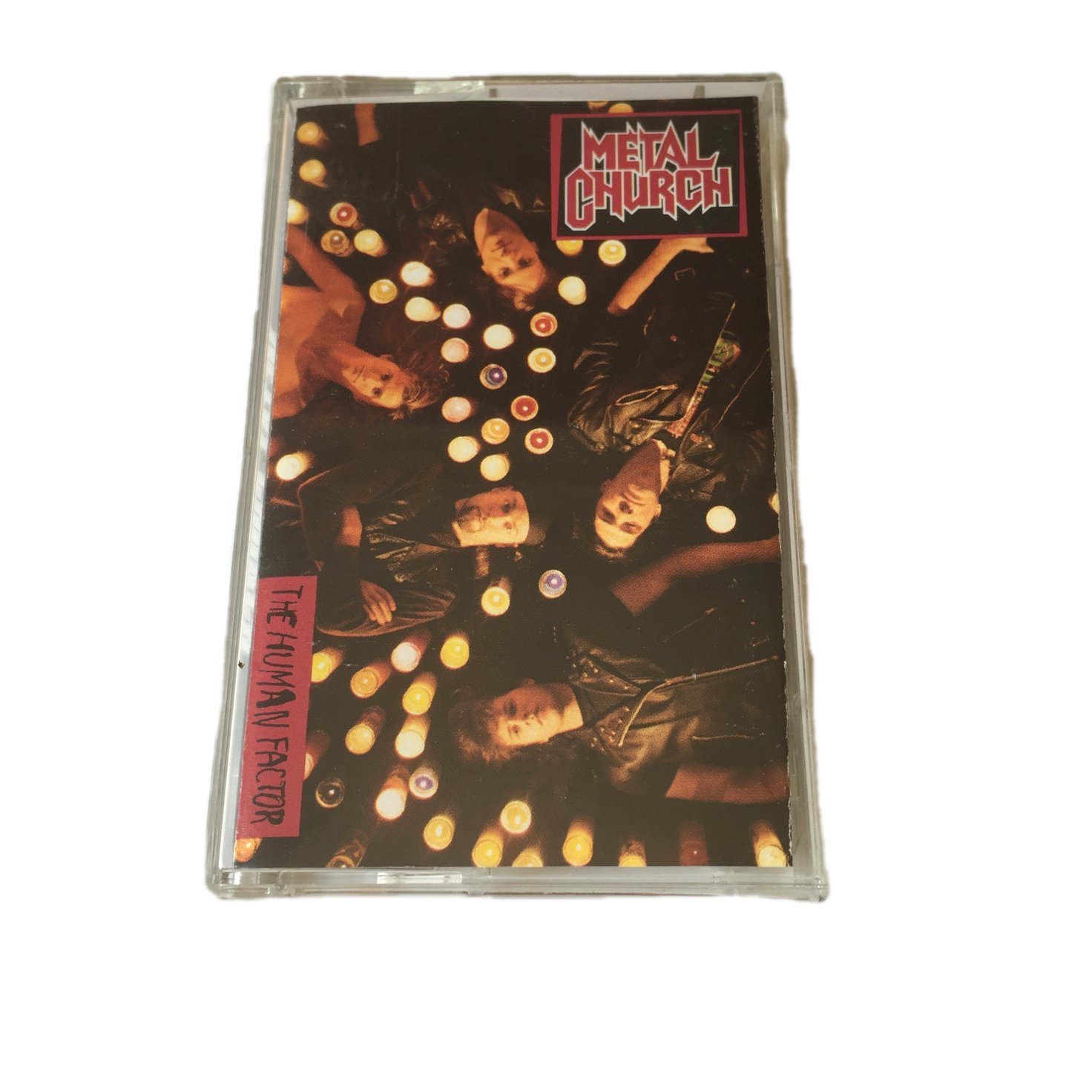
THE CASSETTE CHRONICLES – METAL CHURCH’S ‘THE HUMAN FACTOR’

By JAY ROBERTS

The Cassette Chronicles is a continuing series of mini reviews and reflections on albums from the 1980’s and 1990’s. The aim of this series is to highlight both known and underappreciated albums from rock, pop and metal genres from this time period through the cassette editions of their releases. Some of the albums I have known about and loved for years, while others are new to me and were music I’ve always wanted to hear. There will be some review analysis and my own personal stories about my connection with various albums. These opinions are strictly my own and do not reflect the views of anyone else at Limelight Magazine.

METAL CHURCH – THE HUMAN FACTOR (1991)

As I await news of any potential new studio album from Metal Church, I’ve once again started to listen to their past albums. Metal Church is one of those bands whose albums always sound evergreen to me whenever I put them on.

Having written about three of their albums, I couldn’t quite remember off the top of my head if I’d written about every one of their albums that I own on cassette. So I had to go to the wall mounted tape holder and check. As you can see by the fact that you are reading this article, I did indeed have one more album that I could write about.

Released in 1991, The Human Factor is the fourth full-length studio album from Metal Church (as well as their second with singer Mike Howe). As I was looking up information about the album, it struck me a bit funny that this album was hailed as being “metal perfection” by writer Martin Popoff and yet it is one of the band’s worst selling releases.

I wondered how that could be when everything about this album is outstanding.

Take the first side of the album. The album’s title track opens things up and Metal Church wastes little time in driving home the hammer and tongs metallic stylings as Mike Howe’s vocals lay waste to the artificial nature of a lot of music being made. This is a bit more than ironic since the album was released in 1991 and music is still dealing with this issue, with AI and backing tracks in live shows being the new additions to the problem. The lyrical line “Musicians all make mistakes, who needs them anyway?” is particularly telling and still timely.

The band shot two videos in support of the album and the first one is for the song “Date With Poverty”. The video showcases the band playing in a rundown mobile home park with a storyline beginning and ending surrounding video clips of the band themselves. Of course, the video isn’t the point but I remember seeing it on TV and thought it was a great way to introduce the song. The topical nature of trying to simply get through life being short on cash rings true even now for a myriad of reasons that don’t need to be gone into here but the band puts on a stomping performance and has great lyrical timeliness once again.

The thing about being so topical in the song lyrics is that you still have to put forth a great song around whatever particular idea/concept you want to talk about. Time and time again on this album, Metal Church does it with an amazing sense of dexterity as they switch gears and topics effortlessly throughout.

Case in point, there was a big flag burning controversy that rose up in 1991 and Metal Church took on the issue headfirst with the song “The Final Word”. Unsurprisingly, the song was not in favor of flag burning and the band weren’t about to take prisoners with an opening line like “Why don’t you find a worthwhile cause to channel your energies, like finding a solution to starvation and disease.”

Essentially putting those in favor of burning the flag on blast for their support of such an action as buring the flag. No matter what side you might take on the issue, Metal Church had their viewpoint and stated it clearly with this monstrously rocking blitzkrieg.

There’s been a lot of songs taking on those who would try to ban songs, put labels on records and blame bands for actions for fans have taken. Remember Judas Priest on trial when two fans killed themselves who were fans of the band’s music?

But of all of the songs that have been done, the track “In Mourning” might be the most declarative in putting forth the notion that the people at fault are more likely the ones you see in the mirror every day. The lyric “You know the last words that they spoke were “Who loves me?” remains powerfully haunting in and of its own right. But in an off-topic way, it stands eerily on point for what would come later when singer Mike Howe took his own life.

But the whole song is chalk full of great lines and stands tall as a defense against metal music being blamed when that blame lies elsewhere, a belief driven home by the following passage:

“Think twice before you point a finger that you may regret
To clear your conscience is your goal, but that is all you’ll get
What’s done is done, you can’t bring them back, just let go of despair
You keep saying to yourself “If only I’d been there”

The first side of the album closes out with the song “In Harm’s Way”. It was the second video for the album and it is more of a straight up band performance concept in the video. But there’s a heavy subject being tackled here: child abuse. And Metal Church doesn’t shy away from being graphic in their lyrical descriptions either. John Marshall and Kurdt Vanderhoof wrote a stunning song here. They lay a false trail at first with a soft guitar opening that is soon joined by a lightly delivered vocal turn from Mike Howe. As the intensity of the music increases through the first two lyrical stanzas, Howe’s vocals increase as well. And then the band bursts out into a full on metal explosion musically. But it is the following passage that really drives the point home as the band goes for the jugular detailing the life of the child talked about in the song but their utter lack of sympathy for the abusers as well:

“It’s not that mommy hits that hurts me, it’s when she goes away
Get home from school all by myself and won’t see her for days
A kid deprived of love in life has no alternative in sight
He throws up barriers to get him through
A human life’s a gift from God
Your conscience and your heart are gone
You’re much to cruel to have a point of view”

To say this is an effective and affective song is probably putting it mildly.

On the album’s second side, things get off to an explosively charged start with “In Due Time”. Full on metal from the start, I love the way the song is just a straight forward arrow that finds its mark. I’m not sure of the exact nature of the song but I love the performance from everyone. Musically, the speed gets you amped up on a higher excitement level. And Howe’s vocals are so razor sharp, that you feel like you might just have to check for cuts as you listen.

One of my favorite Metal Church songs that I think isn’t appreciated nearly enough is the song “Agent Green”. Essentially the tale of a man without a country who will sell out to whomever pays him, this is an espionage thriller set to music to me. The brief little kind of acoustic sounding guitar in the opening quickly gives way to a more sonically intense rocker. And to say Howe really delivers in his vocal is a bit of an underplaying statement for me. He absolutely kills it on the final main lyrical passage as he sings:

“I’ll change my name, a different look, another page in my life’s book
It makes no difference just who I am, I’ll take the money from Mother Russia or Uncle Sam
I’m filled with secrets of a nation, here at your disposal to benefit my greed
I take my liberties wherever I can find them, I am protected by the crime that lies behind”

I really want to read the full story that someone could make out of this song!

For the song “Flee From Reality” you get an immediate shredding soundtrack as Metal Church races without much in the way of a breather through the song. Cutting vocals keep you on a huge adrenaline rush as well.

The issue of addiction gets addressed on “Betrayal” and I have to admit that this might be the one song on The Human Factor that hasn’t quite gotten its due with me. But as I listened to the song for the article, I really dug into the lyrics and got a new appreciation for what the band was doing with the song. At the start, it’s got a bit of a stop/start feel to it but then a mid-tempo heavy thumping pacing powers the music. I’m not sure if the song lyrics are specific to any one person or just a kind of general aim towards anyone dealing with addiction but man, this finally fully hit home with me even if I’m not specifically affected by the topic myself.

With so many darker tones throughout the album, Metal Church looks to provide at least some measure of hope and positivity with the song “The Fight Song” as the closing number on The Human Factor. Not content to provide sappy hearts and flowers though, the music bursts out of the speakers with the band firing off an intense “racket” that will hit you full force and drive you back. It’s a fiery anthemic track that features some pretty damn good lyrical expressions with passages like this:

“Endowed with a free will and thoughts for expression
Don’t let them fall by the way
Strengthen and use them but don’t you abuse them
Help build a better day”

Easily enough, it’s the perfect track to bookend the album with as the band brings things to an over-the-top ending that leaves you begging for more. I found it pretty easy to write about The Human Factor for The Cassette Chronicles this week.

Because I both love the album already and because it is one that remains in rotation for me a lot. But as I mentioned at the start, it wasn’t their most commercially successful album and for me that just makes me want to know why it “failed” the first time around. Because this is a metal album par excellence that is just begging to be rediscovered by the metal community that should never have missed out on it back in the day.

NOTES OF INTEREST: Each of the members of the Metal Church lineup that recorded The Human Factor (Mike Howe, guitarists Craig Wells and John Marshall, bassist Duke Erickson and drummer Kirk Arrington) have at least one songwriting credit spread out amongst the album’s 10 tracks.

Metal Church was part of the Operation Rock & Roll Tour with Motorhead, Judas Priest, Alice Cooper and Dangerous Toys to support The Human Factor album. They’d also tour in support of Metallica as well.

Version 1.0.0

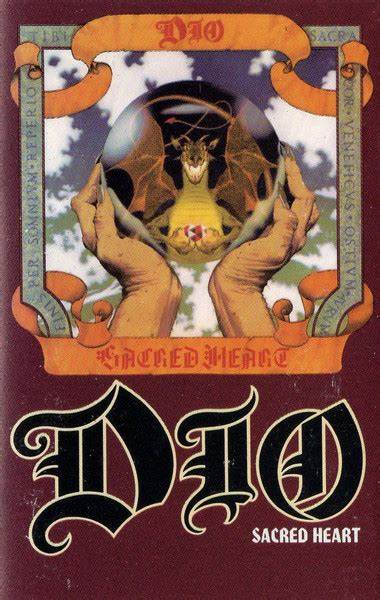
THE CASSETTE CHRONICLES – DIO’S ‘SACRED HEART’

By JAY ROBERTS

The Cassette Chronicles is a continuing series of mini reviews and reflections on albums from the 1980’s and 1990’s. The aim of this series is to highlight both known and underappreciated albums from rock, pop and metal genres from this time period through the cassette editions of their releases. Some of the albums I have known about and loved for years, while others are new to me and were music I’ve always wanted to hear. There will be some review analysis and my own personal stories about my connection with various albums. These opinions are strictly my own and do not reflect the views of anyone else at Limelight Magazine.

DIO – SACRED HEART (1985)

I had planned on writing this week’s new Cassette Chronicles article on another artist but if you are prone to believing the universe is giving you signs, last week seemed to be one of those times.

Last week marked the 15th anniversary since the passing of Ronnie James Dio. I can’t say enough about how much I loved his singing. Recently, I’ve been watching The Charismatic Voice Youtube channel where a professional opera singer does videos talking about various songs and singers. She does a lot of rock and metal tracks and from the Dio videos she’s done, she absolutely adores his abilities.

The day after the anniversary of Dio’s passing was the 49th anniversary of the release of the Rainbow album Rising. That album is yet another great indicator of just how great a singer he was.

So when I decided that the universe was giving me a sign and I just might have to heed it, I looked to see what Dio album I could write about to once more give my bit of acclaim for Ronnie James Dio.

As it turned out, I’d already written about the Holy Diver, The Last in Line, Dream Evil and Lock Up The Wolves albums. But I’d yet to weigh in on the band’s third studio album Sacred Heart. And as you can see, that’s the release I picked. It turned out to be a fortuitous choice as well because in just three months, the album will mark its 40th anniversary!
So let’s get down to the business of talking about the Sacred Heart album, shall we?

The album opens up with the song “King of Rock and Roll” and it is a raging rocker that immediately sets the scene ablaze for you as the listener. It has a live crowd audience playing throughout the song which helps amplify the power behind the song. I love the song because Dio himself is pretty much on fire as he delivers the vocals in a rapid-fire manner that hits you square in the face. But the band is especially intense particularly guitarist Vivian Campbell whose playing is just crackling with fierce intensity throughout.

In writing this piece I did briefly look into whether or not the song was actually a live track but what little I found online says that the crowd noise was dubbed in. Hopefully that’s correct but either way, it’s an absolutely phenomenal track and such a great way to kick off the album. I never saw Dio (the band) during this time so I wonder if the song was used to open up the concert dates because it seems like it would be a perfect choice to hit the audience right out of the gate with a fast and furious burst of energy.

The album’s title track came next in the album’s running order. It’s still uptempo in nature but there’s a much heavier methodical stomping feel to the track. I love the line “Whenever you dream, you’re holding the key. It opens the door to let you be free.” I’m not sure about this but for all the various title tracks Dio wrote for each release he did, I think “Sacred Heart” is a bit underrated overall. The fantasy-laced lyrics create a particularly vibrant tapestry as you listen to the song and for me, that actually increases my enjoyment of the track.

I won’t say that I have forgotten about the song “Another Lie” since I’ve listened to the Sacred Heart album any number of times over the years. But as I listened to it while prepping to write the article, I found myself marveling anew with the guitar playing on display here. Yes, Dio’s work remains a constant standard bearer, but I gained a new adoration for Campbell’s work on this rocking track.

The album’s first single release was “Rock ‘n’ Roll Children”, which is the closing track on Side One of the album. It’s got a great story within the lyrics itself but the video for the song drives the story aspect that much more. Whenever I get to see the video I love how it plays out on the screen. The keyboards play a much bigger role in the sound of the track, but it still has its more power driven rock sound at the same time.

For the second side of Sacred Heart, the album’s 2nd single “Hungry For Heaven” kicks things off rather nicely. The song was originally written for the Vision Quest movie soundtrack but it was used here as well. Along with the song “Rainbow in the Dark”, the “Hungry For Heaven” song is one of the main Dio songs I still hear on the radio to this day. There’s a real urgency conveyed in the music here and I continually find myself getting amped up whenever I hear the song, particularly if I’m driving down the highway at the time.

Drummer Vinny Appice gets to kick off “Like the Beat of a Heart” with a solid thumping flourish and he sets the tone throughout the number with his work behind the kit. The track is a foot-stomper of the first order. I think Dio added just a touch more growl to his vocals on this song and for me, it added even more fuel to the fire powering the song from start to finish.”

On “Just Another Day”, the pacing picks up once again. I think this is one of the songs that I once again have paid a little less attention to despite hearing it all the time. But I love the speed of the track and the guitar playing caught my ear like it never did before. Campbell once again outdoes himself throughout the song and gives you a frenzied solo too.

“Fallen Angels” is a straightforward rocker though a tiny bit slower in pace than some of the faster moving tracks on Sacred Heart. Not that he doesn’t do it on pretty much every song he’s ever done, but I like the world Dio creates within the lyrics of this song. It creates a touchstone for the listener over and over again for each individual time you listen to the song.

The album closes out with the song “Shoot Shoot”, which follows the same kind of “uptemp-but a tad bit slower than usual” but don’t think that means I’m damning the song with faint praise. It’s actually a pretty electrifying number and keeps you on an adrenaline high through the final strains of the music.

It’s no secret that I’m a huge fan of Ronnie James Dio no matter what venue he appears in whether with this solo band project or with Black Sabbath or Rainbow. He’s just a master performer. I’m not sure exactly what the overall feeling is about the Sacred Heart album within the Dio fandom but I have always quite enjoyed every track on the album and so I love the album unreservedly.

In marking another year since the passing of Ronnie James Dio, Sacred Heart reminds me that Dio always left me hungry not for heaven but for MORE. This is one hell of an album that probably needs more of an appreciation from the metal community as a whole.

NOTES OF INTEREST: The Sacred Heart album hit #29 on the Billboard album chart. It is the shortest of all the Dio studio albums at just 38 minutes in length. The album was certified Gold by the RIAA in 1985. It was also the last album to feature guitarist Vivian Campbell.

With the exception of keyboardist Claude Schnell, everyone in the Dio lineup for the Sacred Heart album has a varying number of songwriting credits for the material.

The album was reissued in 2012 with a second disc that contains the studio track “Hide in the Rainbow” that originally appeared on the soundtrack for the Iron Eagle movie. It also has three individual live tracks that served as B-sides for the single releases of both “Rock ‘n’ Roll Children” and “Hungry For Heaven”. The bonus disc also includes the Dio live EP/album Intermission which was originally put out as a separate release. The studio track on that release is “Time To Burn” which does give Claude Schnell a co-writing credit.

THE CASSETTE CHRONICLES – LOUDNESS’ ‘HURRICANE EYES’

By JAY ROBERTS

The Cassette Chronicles is a continuing series of mini reviews and reflections on albums from the 1980’s and 1990’s. The aim of this series is to highlight both known and underappreciated albums from rock, pop and metal genres from this time period through the cassette editions of their releases. Some of the albums I have known about and loved for years, while others are new to me and were music I’ve always wanted to hear. There will be some review analysis and my own personal stories about my connection with various albums. These opinions are strictly my own and do not reflect the views of anyone else at Limelight Magazine.

LOUDNESS – HURRICANE EYES (1987)

Featuring the same lineup that recorded the Thunder in the East in 1985 (singer Minoru Niihara, guitarist Akira Takasaki, bassist Masayoshi Yamashita and drummer Munetaka Higuchi), Hurricane Eyes (the 7th studio album) found Loudness still looking to break big in America.

After writing about Thunder in the East a few weeks back, I had been tempted to dive right into Hurricane Eyes and get yet another bit of immersion in the the Loudness back catalog. But I ended up deciding to wait a few weeks in the hopes that I wouldn’t be too overly influenced by my previous Loudness experience when writing and/or critiquing this album.

How’d that go? Well read on…

The first side of the album opens up with the song “S.D.I” and it wastes little time in blowing the roof off the place! The drums from Higuchi are immense. From the brief little flourish to open the song and then the non-stop almost violently intense way his playing rings through the song, he is definitely the song’s foundation. The song as a whole is a pretty fast moving number. The guitar playing is a constant frenzy throughout. Singer Minoru Niihara’s vocals were just a tiny bit rough in the first verse but became a lot clearer as the track went on. The song is pure fire throughout and it will surely get your blood pressure rising.

The guitar playing in the intro of “This Lonely Heart” was nice little earworm. The song itself is uptempo throughout and Niihara’s vocals are fine here but I think they are clearly enhanced by the guest singers who are on backing vocals for the album (see NOTES OF INTEREST for more info on that). By the way, the album’s title makes a lyrical appearance in this song.

With keyboards giving an added depth to the sound of the song, “Rock ‘N Roll Gypsy” turned out to be a decent ode to the rock and roll life. And man, the guitar solo from Takasaki is fantastic! I’m not sure if the crowd noise that comes into play in the latter part of the song is manufactured or from an actual Loudness concert or not but it did let the song temporarily give you the live setting feel without actually listening to a live album in total. I actually liked how this song came out and perhaps if there’d been a bit more subtlety in Niihara’s delivery, this one could’ve been a hit song for Loudness.

The song “In My Dreams” moves the band into power ballad territory. But the ballad portions of the song are pretty run of the mill. But when Loudness gives up the pretense of balladry, the guitar power goes unrestrained, particularly in the song’s outro and that’s what I liked most about the song.

The first side of the album closes out with the track “Take Me Home”. It is a blistering rocker and I found myself (ever so slightly) with my head banging away to the song’s attacking pace and full on explosive energy.

The second side of Hurricane Eyes kicks off with another furiously heavy attack thanks to the song “Strike of the Sword”. It’s relentless yet inviting to the listener. I honestly don’t know how the band didn’t need a nap after playing this song live (if it was in the set list at all) because they expend so much energy in the performance, they certainly should be tired. But my ears were loving every note of this song.

For “Rock This Way”, the heaviness of the band’s sound is fully on display but they pull back on the over the top pacing for a more restrained feel. The song is still uptempo with a chorus that has plenty of anthemic feel. It’s a damn good track.

“In This World Beyond” was a pretty lively song musically but for some reason, I just didn’t connect with the lyrics much. It’s annoying to me because of how much I dug the music. “Hungry Hunter” is another uptempo rocker. Great music, less interesting lyrical content for me once more though.

You could possibly make an argument that “So Lonely” falls under the power ballad banner. But while the main lyrical passages are a bit slower in delivery, I never felt that they were quite “ballad” speed in terms of the delivery and pacing. The lyrics definitely qualify but musically, this song is a brilliantly executed way to end the album. Yes, a tad bit slower but with plenty of rock and roll attitude to spare.

For the most part, I once again have to plead stupidity as to why I have not gotten around to listening to Loudness before now. I really enjoyed Thunder in the East a lot and while a couple of songs here didn’t quite hit the mark for me, Hurricane Eyes does another sensational job of rocking your socks off!

NOTES OF INTEREST: Loudness released Hurricane Eyes in Japan a bit later than in the rest of the world. However, that version of the album featured Minoru Niihara singing all the lyrics in Japanese. The album also featured a re-arranged track listing.

The Hurricane Eyes album peaked at #190 on the Billboard album chart. It is the last Loudness album to chart in the US at all.

Greg Giuffria (House of Lords and Giuffria) played keyboards on the album while his Giuffria bandmate, singer David Glen Eisley provided backing vocals. Frehley’s Comet keyboardist/guitarist/vocalist Tod Howarth also sang backing vocals. Both of them are credited with providing “assistance with English lyrics” as well.

THE CASSETTE CHRONICLES – DOKKEN’S ‘TOOTH AND NAIL’

BY JAY ROBERTS

The Cassette Chronicles is a continuing series of mini reviews and reflections on albums from the 1980’s and 1990’s. The aim of this series is to highlight both known and underappreciated albums from rock, pop and metal genres from this time period through the cassette editions of their releases. Some of the albums I have known about and loved for years, while others are new to me and were music I’ve always wanted to hear. There will be some review analysis and my own personal stories about my connection with various albums. These opinions are strictly my own and do not reflect the views of anyone else at Limelight Magazine.

DOKKEN – TOOTH AND NAIL (1984)

Since it has been nearly six years since I wrote about a Dokken album for “The Cassette Chronicles” series, I thought now might be a good time to take a look at another one.

I chose Tooth and Nail despite the fact I don’t actually listen to the full album that much. I know it’s got plenty of the band’s best known songs on it, but when I looked at the track listing as I prepped to write this article, it dawned on me that I usually just listen to those well known individual songs rather than do full album listen.

So I figured it’s about time I do that full listening session and give more of a thought to the album cuts as well as those big numbers.

The first sort of surprise for me was the instrumental “Without Warning” opening up the album’s first side. Obviously owing to the fact that I don’t listen to the full Tooth and Nail album all that often, I’d kind of forgotten that Dokken chose to have the instrumental open things up. It’s a short bit, just about 90 seconds or so but it’s pretty cool. I like the main riff that runs through it at the beginning where the music is a bit softer in delivery. That opening sound fades into the background over the 2nd half of the track as a more intense and crackling electric sound takes over as the song ends its run.

It leads into the album’s title track which is a frenzied and fast paced rocker. I actually like the song a lot and have heard it any number of times over the years, but I’m not sure if it is considered a “hit” track for Dokken or not but that could be just my own personal ignorance talking. Still, it certainly gets your blood pumping. Not that I don’t like the instrumental track, but in my own personal hindsight, having the “Tooth and Nail” song open up the album might’ve been a better sequencing decision so that you get hit right at the start with Dokken’s fiery delivery. Don Dokken sounds pretty good here and actually has a nice big scream at one point in the song. George Lynch’s guitar work is phenomenal and clearly his six-string work merged perfectly with the bass and drums from Jeff Pilson and Mick Brown.

The biggest track on Side One is “Just Got Lucky” which is pretty much one of their best known songs. The song’s title refrain in the song lyrics hit hard and I can imagine that it comes off as a perfect spot in a live setting for the audience to pump their fists in the air or have that back and forth with the band letting the crowd to provide the vocal. The song is another high energy rocker and remains a particular favorite of mine.

While the song title “Heartless Heart” might conjure up the notion of some kind of power ballad, you do get a bit of a twist when it turns out to be a full on rocker track. But I couldn’t rightly tell you that I’ve really had this one in my memory over the years. As I listened to the album, the chorus seemed to be a bit familiar to me but overall it was almost like it was a brand new track to me in a way.

Yet more in the way of indictment on my criminal underappreciation of the Tooth and Nail album is the Side One closer “Don’t Close Your Eyes”. Man, that song is a freaking killer track! Another cool Don Dokken scream and a monster musical score that kicks up the adrenaline factor immensely.

For the second side of the album, you get two more stone cold Dokken classics with “Into The Fire” and “Alone Again”. The latter track is the band’s first big ballad number. And while a lot of 80’s ballads don’t age well, “Alone Again” still retains its original allure more than four decades later. The opening of the song fits right into that ballad designation with a soft musical score and a rather involving vocal take from Don Dokken. As the song progresses towards the first chorus break, the music kicks up the intensity so the power portion of “power ballad” gets its time in the spotlight. As the tempo alternates between these two deliveries, Dokken fashions one of the better ballads of the era.

As for “Into the Fire”, its place in the pantheon of great Dokken songs is secure. It’s got a tiny bit of a softer delivery in the song’s immediate opening but then turns up the pace. I love the part in the song, after the solo, when the band is singing in full with the lyrical passage that begins with the line “Take me back…”. I still get a bit of an extra kick when that part of the song plays.

But of course, before you get to those songs, you’ve got the side opening “When Heaven Comes Down”. That’s a pretty straightforward rocker but while there’s plenty of uptempo pacing in the song, you’ve got a bit of an additional thump going on as well. Not that Mick Brown doesn’t announce his presence throughout the album, but I think he gets just a bit more room to shine through on this number. And the solo from George Lynch is damn good as well.

While my memory does fail me at times when I need to recall certain songs or albums that I haven’t listened to in a while, for some strange reason I also seem to remember other tracks that you’d wonder how they made an impression when the rest of an album might not have. Such is the case with “Bullets to Spare”.

As I looked at the song title on the track listing, I couldn’t remember what the song sounded like. But then the song started playing and man, I could actually sing along with the track. I remembered the song but I don’t know why that particular album track stuck with me and others didn’t. Still, the song kicks ass! Fully rocking on this track, I really need to give more respect to the song from now on.

The Tooth and Nail album closes with the song “Turn on the Action”. The funny thing is I remember the song more for its appearance on the band’s live album Beast From The East than the studio version here. On that live album, the song closes out the live show and is introduced by Don Dokken as a song that just has “pure attitude” (though I don’t remember the exact quote). He’s not overselling that notion because it is a full on burst of killer rock and roll. There’s no reinventing of the rock and roll wheel here but the song makes its bones for that very attitude Dokken referred to on the live album.

When I was reading the story behind the making of this album on the Tooth and Nail Wikipedia page, it made me wonder how the hell it ever got made. The fighting between Don Dokken and George Lynch is well known but the other parts of the creative process and album’s production might not be quite as familiar. The fact that the album turned out to have some of the biggest Dokken tracks is testament to the songwriting capabilities of all involved. Especially since you are left thinking it is amazing no one killed each other during the recording process.

That said and set aside, Dokken really hit their stride on this album and it led to two more platinum plus selling studio albums in the succeeding years for the band. And for me, listening to Tooth and Nail now shows me just how much I’ve been missing out by not doing more full album listens all these years because it is just a damn fine album and I need to spin it more often.

NOTES OF INTEREST: The Tooth and Nail album peaked at #49 on the Billboard album charts. It became a Gold selling album in 1985 but it hit platinum record status for Dokken in 1989, the third of their albums to do so overall. The increased sales figures gave them a much bigger profile to say the least. Not bad for being a last chance album with Elektra ready to drop the band if the album hadn’t been successful.

All four members of the band had a hand in the songwriting credits.

The tour in support of the album saw Dokken opening for Y&T, Twisted Sister, Dio, Sammy Hagar and Kiss. They did some co-headlining dates with Loudness as well.

I never saw Dokken live in concert during their heyday. It wasn’t until 1995 when they were touring for the Dysfunctional album that a friend of mine got us on the guest list to see them play a show in Rhode Island. I actually had to go look up the info on that Setlist.fm website. It was at the Strand in July of that year when we saw the show. I remember the bands that opened for Dokken on that date were awful but Dokken themselves put on a pretty good show.

THE CASSETTE CHONICLES -COUNTING CROWS’ ‘AUGUST AND EVERYTHING’

By JAY ROBERTS

The Cassette Chronicles is a continuing series of mini reviews and reflections on albums from the 1980’s and 1990’s. The aim of this series is to highlight both known and underappreciated albums from rock, pop and metal genres from this time period through the cassette editions of their releases. Some of the albums I have known about and loved for years, while others are new to me and were music I’ve always wanted to hear. There will be some review analysis and my own personal stories about my connection with various albums. These opinions are strictly my own and do not reflect the views of anyone else at Limelight Magazine.

COUNTING CROWS – AUGUST AND EVERYTHING AFTER (1993)

“…and a child shall lead them”.

Now now, I’m not actually going all religious buffoon on you. But that phrase does flow more smoothly than “the daughter of one of my favorite thriller writers shall lead me into choosing this week’s album to write about.” Plus, I’m sure I’ll get some crap from her for referring to her as a child so cut me a little literary device slack, will ya?

Anyway, the daughter has been engaged in a 3rd round of album spotlights on her Facebook page and one of those albums was indeed August and Everything After, the debut album from Counting Crows. When I read her take on it, I was reminded that I had indeed bought the album myself on cassette when it was originally released. But other than the two hit singles, I don’t recall the album having much staying power with me and it found its way out of my music collection.

So after reading “the daughter’s” reaction to the album, I found myself at Purchase Street Records in New Bedford and wouldn’t you know it, they had a cassette copy of the album. So I decided to pick it up and give the album a new listen to see if time had changed my opinion about it. I mean, it has been more than three decades since the album was originally released, it is possible time has altered my take on things. Also, the fact that it has been more than 30 years…I really feel old now!

The first side of the album has the two big hits off of the album. “Round Here” opens up the album and then of course there is “Mr. Jones” which was a worldwide hit that seemed to be on the radio or MTV every five minutes back then.

For “Round Here”, technically referring to it as a hit is inaccurate because when it was originally released there were rules in place that barred it from charting. I’m not sure what the rules were that kept it off the charts because I can’t find anything online. As for the song itself, it starts off with pretty spare instrumentation and a kind of plaintive vocal from singer Adam Duritz. I liked the song back in the day but as I listened to it now, I realized it has been so long that I forgot how the song grew to have much more musically going on from the 2nd verse onward. That doesn’t alter the fact that I like the song still but it was interesting to realize what I’d forgotten about it.

As for “Mr. Jones”, before the song became so overplayed that I would dread hearing it start playing, it hit #5 in the US, #1 in Canada and #7 in France. It was, to say the least, a MONSTER hit for the band. Hell, the video even won the band the Best New Artist award at the 1994 MTV Video Music Awards. And while I still remember how much I hated to hear the song towards the end of its single cycle, as I listened to the song here, I remembered what I liked about it when I first heard it. It’s got a nice rollicking pace with Duritz providing a vocal performance that draws you in. The song’s chorus gets you a bit amped up too.

As for the other songs on the first side of the album, the track “Omaha” kind of just sat “there” for me. I was trying to get into the song but I just didn’t hear much to make me want to rewind the tape and play it again. I would say kind of the same thing about “Perfect Blue Buildings”. In fact, the lyric “Help me stay awake, I’m falling asleep…” kind of sums up my feeling about the song.

Maybe it is simply the fact that Counting Crows seemed more interesting to me when their songs were more in the uptempo vein. When the music is slow and contemplative, I get bored because the songs have a bit of “sameness” to it.

Of course, the song “Anna Begins” is a more interesting to me. While it does start off a tiny bit slow, there’s a good dose of thump from drummer Steve Bowman. The song does mostly hit a mid-tempo pacing thanks to the drumming and the rising and falling of the other musical parts.

The first side of the album closes out with the song “Time and Time Again” which finds the band slowing down once more as the track begins. But it does get more musically driven for the song’s chorus at least. What I noticed here is that the kind of whining yelp from Duritz really started to grate on my nerves by this point in the album. If I could tune out or at least down his vocal in this song by a half, I would’ve liked the song a lot more because musically this isn’t a bad track.

The second side of the album is where I ended up discovering that two more of the songs had been released as singles. They didn’t chart or anything but they’d gotten that individual treatment. I had probably checked out on the band before either song had gotten released which would account for why I didn’t know (or perhaps had forgotten) about that particular point.

The song “Rain King” opens up Side Two and it was the third single. The idea that I enjoy the band’s music more when it has a more rocking tone to the songs is given more credence because “Rain King” is uptempo throughout and I found myself digging the song quite a lot. As I listened I did recall this track from when I first heard the album but not that I’d heard it as a “single”. The vocals are more direct without quite so much whining and the fast pace was a audio feast for the ears. Hell, I probably enjoyed this song here and now even more than the two charting singles.

Counting Crows immediately slows things back down with the song “Sullivan Street”. I like the guitar line that fuels the song during its slower sections. The thing that made me enjoy the song more than I thought I would is that even though the vocals are slower in nature, they are delivered (mostly) in that same kind of direct fashion that you hear on “Rain King”. That is to say there is a lot less of that annoying and cloying emo whining than is on other songs.

Much like with “Omaha” on Side One of the album, I found myself just unable to get into and therefore appreciate what was going on with the song “Ghost Train”.

As much as I prefer when the material is more along a fast moving rock type song, I have to say that the piano driven “Raining in Baltimore” kind of blew me away. Between the heavy tone the piano gives the track and the impassioned vocal performance from Duritz, this track gained a new life with me as I listened to it for this article. It not only had me saying “Wow!” but also wondering why I’d forgotten the song in first place.

The album closes out with the song “A Murder of One”. The song was the fourth and final single released from August and Everything After. It’s got a solid rocking beat to it from the get-go. As I listened, the music carried me along and at one point I even found myself slapping my knees in time to the rhythm.

Confronting an album from the past that I’d heard, not really gotten into and sort of mostly forgotten about is part of the conceit of The Cassette Chronicles series to be sure. And the Counting Crows album August and Everything After certainly fits the bill. I guess the stuff I didn’t like as I listened to the album now is likely what drove me away from it back in the day. But those things are offset by what I do like after my new listening session. I’m going to definitely be keeping the album in my collection this time around. I won’t say that it will be in heavy rotation or anything but I do admit I’ve gained a new appreciation of the release as a whole.

NOTES OF INTEREST: The August and Everything After album sold 7 million copies and hit #4 on the album chart. When the album was reissued in 2007 it had 6 bonus tracks added to the end of the first disc. The second disc was a live concert recording.

One of my favorite singers, Maria McKee (from Lone Justice and a solo artist), is credited with providing backing vocals on the album.

Bonnie Aarons, the actress who appears in the video for the song “Round Here” would go on to appear in movies like The Conjuring 2 and The Nun.
The song “A Murder of One” would be used in an episode of the TV series Scrubs and The Bear.

THE CASSETTE CHRONICLES – LOUDNESS’ ‘THUNDER IN THE EAST’

By JAY ROBERTS

The Cassette Chronicles is a continuing series of mini reviews and reflections on albums from the 1980’s and 1990’s. The aim of this series is to highlight both known and underappreciated albums from rock, pop and metal genres from this time period through the cassette editions of their releases. Some of the albums I have known about and loved for years, while others are new to me and were music I’ve always wanted to hear. There will be some review analysis and my own personal stories about my connection with various albums. These opinions are strictly my own and do not reflect the views of anyone else at Limelight Magazine.

LOUDNESS – THUNDER IN THE EAST (1985)

While I normally travel back in time for each article in The Cassette Chronicles, I rarely venture further than England when it comes to where each band featured comes from. But if you will forgive the cliche writing, I’m not only going back in time this week but I’m travelling (so to speak) to the Land of the Rising Sun for a look at Loudness album Thunder in the East, which is celebrating its 40th anniversary this year!
Given that the “Rising Sun” artwork serves as the album’s artwork, I don’t feel too bad using that particular that cliche no matter how overused it is.

While Loudness had released four albums in Japan by the time 1985 rolled around, they’d yet to have an album officially released in the US. That all changed when Atco records made the band the first Japanese band to be officially signed to a major label in the U.S. (Atco was a subsidiary of Atlantic Records at the time).

To be clear, I have never heard this album before. I have a vague recollection of hearing the song “Crazy Nights”, probably on the radio back in the day. So this was pretty much a brand new listening experience for me. And after doing all the listening sessions, I have to say that I was astounded by just how much I enjoyed the album.
Founded by guitarist Akira Takasaki (the only constant in the band’s lineup all these years and who wrote all the music for this album save one track) and drummer Munetaka Higuchi, the lineup that recorded this album included singer Minoru Niihara (who wrote all the lyrics) and bassist Masayoshi Yamashita (who wrote the music for the song “Heavy Chains”).

Musically speaking, Thunder in the East was eye-opening to say the least. To say Takasaki was absolutely shredding on these songs is an understatement. He was just freaking fantastic as he had tons of six-string pyrotechnics to enliven each track.

The song “Crazy Nights” opens the album and it is still the band’s best known song. It’s got a bit of an anthemic feel to it. Each of the first nine songs on the album is pretty much an exercise in fast moving up tempo rock and “Crazy Nights” gets things going right from the start of the song. And while there are some songs where Niihara’s vocals either get drowned in the mix or could’ve used a bit more in the way of clearer enunciation, on this song his gritty intonations were perfectly cast alongside the music.

Loudness continued that kind of fiery delivery on “Like Hell” where Takasaki’s playing was particularly immense.

While the opening of “Heavy Chains” starts off with a slow roll intro, the song quickly gives way to a heavier rocking tempo and sound.
The last two songs on Side One of the album are “Get Away” and “We Could Be Together”. Each track pretty much just bursts out of your speakers to grab you from the first note and shake you around until the very last second.

I was feeling pretty invigorated after those first five tracks and once I flipped over the cassette, that same level of excitement continued with Side Two’s opening track “Run For Your Life”. The song opens with a rocking intro but then slows down as Niihara’s vocal run of the first lyrical passage kicks in. But as you get to the song’s chorus, the music ramps up and by the time you get to the conclusion, the song is a full on rocker!

The song “Clockwork Toy” is musically explosive with a soundtrack that will definitely get you pumped up. And you can say that about both “No Way Out” and “The Lines are Drawn” as well.

Thunder in the East closes out with the band’s power ballad “Never Change Your Mind”. Maybe because I was on such a musical high with the rest of the more rocking songs, I had no gripes with this track either. Well, maybe it could’ve been earlier in the album so things finished on a more energetic level but for the song itself, I actually rather enjoyed it for what it was.

While Loudness never really quite broke through in the US, they’ve certainly enjoyed a long career having released 26 studio albums (which according to the band’s Wikipedia page only 6 have been licensed in the US), three EPS, eight live albums and had 16 different compilations put out as well.

But as the album marks that 40th anniversary I mentioned earlier, I have finally heard my first Loudness album in full and I have to say that Thunder in the East has kind of lit a fire under my butt to check out more of what the band’s discography has to offer. And luckily, I won’t have to wait too long to do that because I actually purchased another of their albums on cassette when I bought Thunder in the East.

Meanwhile, I’m going to be enjoying Thunder in the East a bit more because in a failure of more clever writing, the music is quite thunderous indeed!

NOTES OF INTEREST: The Thunder in the East album peaked at #74 on the Billboard album chart. There have been at least 2 reissues of the album. In 2005, there were 2 bonus tracks. In 2015 there were two different bonus tracks plus two DVDs.

Founding drummer Munetaka Higuchi passed away in 2008 from liver cancer.

While singer Minoru Niihara has been the primary vocalist for Loudness, the band has had two other singers in their career. American singer Mike Vescera fronted the band for three years and ex-EZO singer sang for the group for 8 years before Niihara returned to the lineup in 2000.

THE CASSETTE CHRONICLES – DIAMOND HEAD’S ‘BORROWED TIME’

By JAY ROBERTS

The Cassette Chronicles is a continuing series of mini reviews and reflections on albums from the 1980’s and 1990’s. The aim of this series is to highlight both known and under-appreciated albums from rock, pop and metal genres from this time period through the cassette editions of their releases. Some of the albums I have known about and loved for years, while others are new to me and were music I’ve always wanted to hear. There will be some review analysis and my own personal stories about my connection with various albums. These opinions are strictly my own and do not reflect the views of anyone else at Limelight Magazine.

DIAMOND HEAD – BORROWED TIME (1982)

You’d think that with my overwhelming love of heavy metal that I would’ve been way more into the New Wave of British Heavy Metal bands than my research for this article showed me.

In prepping to write about Diamond Head’s 2nd album Borrowed Time, I looked up a list of bands that were part of this particular brand of metal. One of the things I found is that a lot of the bands started out (and finished) well before I even got into metal.

But the list of bands I saw on Wikipedia showed me that there are only 4 bands from that time that I actually listened and/or still listen to nowadays. Iron Maiden, Def Leppard, Grim Reaper and Saxon. I did hear one album from Lionheart from their recent run of releases too, but nothing else from them. And while I recognized a few other names, none of them were ones that I actually heard any material from.

And so as I set out to listen to Borrowed Time, I knew this was going to be an almost completely new experience for me. I say almost because of course I knew of the song “Am I Evil?” because of the Metallica version of the song.

Yes, Diamond Head’s best known song is also best known for the cover version of it rather than their own original recording. It seems that the band had a hex on it when it came to any hope of big commercial breakthrough. They didn’t have professional management, they never played in the States until 2002 and they were on a TERRIBLE record label for their style of music.

But what about the actual music? And that’s what I was looking forward to discovering since I can’t even be sure I’d heard Diamond Head’s “Am I Evil?” before checking it out on this cassette.

The Borrowed Time album is considered the band’s 2nd album but from what I saw online, it was originally supposed to be their first album. The band’s first release Lightning to the Nations was apparently only supposed to be a demo.

Which would explain how an album with just seven songs on it would end up having two tracks that had already been released on Diamond Head’s “first” album. Besides “Am I Evil?”, the song “Lightning to the Nations” (or “Lightning to the Nation” as it is listed on the actual cassette and insert) were released on both of the first two Diamond Head albums.

With “Am I Evil?”, it is possible that I’ve heard this original version in the past, but I just don’t remember doing so. As I listened to it here, I found that I liked it. But that enjoyment felt a bit tempered for me because I’d heard Metallica’s version first and in my head that’s the version that is THE version for me. I know that makes little sense logically but that’s just how it is I guess.

As for “Lightning for the Nation”, I definitely have no recollection of hearing this track at all. I liked the way the song opened with a big thunderous kind of ovation and then launched into a far more fiery rocking tempo for most of the rest of the song. Singer Sean Harris sounds really good on this track and the band really lays down some serious metallic chops.

Of course each of those two tracks close out each side of the cassette. What about the rest of the material?

Well, the song “Call Me” opens up the first side of the album. My initial reaction to the song was that it sounded rather commercially accessible (or at least what would be considered accessible in 1982). I’m guessing that might be something to do with what I saw online about how signing with MCA Records led to Diamond Head smoothing out their sound a lot from their first album to this 2nd one. Still, I don’t think it was all that detrimental to the overall effect the song had on me. This track seemed much more of a hard rock song than a metal one and you got that big backing vocal sound on the chorus that would become VERY prevalent throughout the 1980s metal years.

For “In The Heat of the Night”, the song is more of a midtempo slow burner, at least until the crackling good guitar solo that lends a bit more of an edge to the overall feel of the song. It took me a couple of listens to really appreciate the song but it did grow on me pretty quickly I must say.

The most surprising track for me on Borrowed Time had to be “Don’t You Ever Leave Me”. Like “Call Me”, it is definitely more of a hard rock song. But what really got me into the song was the bluesy rock sound I heard in the music at points and the fact that it is a pretty lengthy song, clocking in at just under eight minutes long. I loved the guitar playing and solo from founding guitarist Brian Tatler as well. He just wails on this song.

Before I talk about the songs on Side Two, I thought I’d go into why being on MCA was such a bad move for the band. It really kind of breaks down to the fact that MCA just didn’t seem to know how to market the band. Case in point, the cassette edition I have doesn’t have official liner notes for the album. Instead, the insert has two lists of other MCA artists “you will enjoy”. And most of them are country artists like Barbara Mandrell, the Oak Ridge Boys and Merle Haggard. Sure, there’s few listings for The Who and Lynyrd Skynyrd but then you’ve got Neil Diamond and Olivia Newton-John too. Not exactly feeling the love of metal here people!

As for Side Two, besides “Am I Evil?”, you’ve got the album’s title track which is another one that runs nearly eight minutes in length. It’s pretty interesting though not one of my personal favorites on the album.

As for “To Heaven From Hell”, I think this is the album where Diamond Head really cuts loose fully and sounds like what  you might expect from a heavy metal band considered such an early influence to metal music and to Metallica and Megadeth in particular. Start to finish, this song just rocks relentlessly. I love the guitar playing on this song a lot.

As I said at the start, I’ve never really heard much from Diamond Head in the past despite knowing who they were. The Borrowed Time album struck me as being pretty good even if it didn’t bring the band the commercial success that would’ve broadened their fan base at the time. I don’t know that I would listen to it on repeat or anything but the album does make me want to hear more of their albums which makes this foray into the Diamond Head catalog a rousing success in my book!

NOTES OF INTEREST: Besides singer Sean Harris and guitarist Brian Tatler, the Borrowed Time recording lineup included Colin Kimberley on bass and Duncan Scott on drums.

Diamond Head has recorded nine studio albums over the band’s run, though their most recent was a 2020 re-recording of their first album Lightning to the Nations. They’ve also put out six live releases and shockingly enough eleven compilations.

Guitarist Brian Tatler joined fellow NWOBHM band Saxon in 2023 and recorded the 2024 release Hell, Fire and Damnation with them.

THE CASSETTE CHRONICLES – STONE FURY’S ‘LET THEM TALK’

By JAY ROBERTS

The Cassette Chronicles is a continuing series of mini reviews and reflections on albums from the 1980’s and 1990’s. The aim of this series is to highlight both known and underappreciated albums from rock, pop and metal genres from this time period through the cassette editions of their releases. Some of the albums I have known about and loved for years, while others are new to me and were music I’ve always wanted to hear. There will be some review analysis and my own personal stories about my connection with various albums. These opinions are strictly my own and do not reflect the views of anyone else at Limelight Magazine.

STONE FURY – LET THEM TALK (1986)

When Kingdom Come hit it big with their debut album, a lot of the talk centered around how the band sounded like Led Zeppelin. Particularly singer Lenny Wolff.

Well, it would seem that, at least in part, that was something he was doing well before Kingdom Come came around.

Stone Fury, the band Wolff co-founded with guitarist Bruce Gowdy, had a lot of that same Zeppelin vibe going for it as well. However, as I listened to their 2nd and final album Let Them Talk, I noticed that the album actually sounded like a typical 1980s rock/pop album with plenty of keyboards threaded in the mix as well.

But the album does open up with what definitely is a Led Zeppelin inspired track in “Too Late”. Lenny Wolff’s vocals are hard to miss, that’s for sure. What does give the song a bit of its own identity is how strongly those aforementioned keyboards come through. Unfortunately, like a lot of stuff from that time period, the keys actually overpower everything else going on in the song and kind of wrecked it for me as a whole.

I did actually mostly enjoy the next song “Lies on the Run”. First off, kind of cool song title. It’s a bit more of a straight on rocker from beginning to end. There is JUST a touch too much keys in this song but the song sounds more of its own thing and not a clone of Zeppelin. As I was listening to the song, I was searching my brain for another band comparison for this particular song and I kind of settled on Honeymoon Suite…except the latter wouldn’t have had quite so much in the way of keyboards in the mix. Still, I enjoyed this track.

The album’s title cut sticks mostly to a slow and midtempo groove. It’s kind of a power ballad in spots but doesn’t quite blow up to a more intensely rocking sound towards the end as most songs of its ilk would tend to do.

What can I say about the the song “Babe” (not a cover of the Styx classic)? Well, honestly, the song was just pretty freaking annoying the whole time it was playing.

I was a tiny bit surprised at how much I liked the Side One closing track “Doin’ What I Feel”. I liked the rhythm established by the music and I thought the vocal delivery was pretty good as well.

As for the 2nd side of the album, it opens with the song “Eye of the Storm”. The song really gives Stone Fury another song that sounds something original versus being a clone. Uptempo in nature, it works pretty well.

On “Let the Time Take Care”, the opening flourish is uptempo but when you hit the first main lyrical passage, the music drops into a lower intensity and Wolff’s vocals get a bit softer in delivery. The chorus ramps the music back up of course, but the switching between sonic avenues gives the listener something to swing back and forth with, rhythmically speaking.

Wolff’s vocals get a bit more strident for “I Should Have Told You”, the shriek echoing what you are probably used to from the Kingdom Come material. What I did like about this song is that it has a vibe to it that left me thinking it would be used in some kind of montage street scene for a movie or TV show. The music, in the main passages anyway, has that kind of cinematic flair going for it.

The Let Them Talk album closes out with the singularly  titled “Stay”, which is a track that starts out with a mid-tempo pace. There’s a bit too much production on the vocal track but I like the way the song’s music comes through here. And while this is hindsight nearly four decades late, I think the lyrics would’ve been better served without the Wolff shriek. Still, this was another song that kind of grew on me as I listened to it.

While I don’t know that Stone Fury’s 2nd and final album Let Them Talk will be an album I go back to continuously from here on out, I am now kind of interested to check out their first release Burns Like a Star to see and hear what the band had going for them their first time out. 

I will say that I found this album’s 2nd side a lot more to my liking, but there was a surprising amount of stuff I enjoyed hearing for the first time. This musical history lesson definitely served to inform me better about what Lenny Wolff was up to just before he hit it big. So I’d say that Let The Talk did a pretty good job of getting me interested in the band as a whole.

NOTES OF INTEREST: After Stone Fury broke up when Let The Talk didn’t break them into commercial success, singer Lenny Wolff would return to Germany. He’d be back in the US a year later with Kingdom Come’s debut album which did turn out to be a commercial hit.

Despite having only two studio albums, there was a Best of Stone Fury compilation released in 1988.

Guitarist Bruce Gowdy would go on to work with prog rock band World Trade and the band Unruly Child as well.