Category Archives: Home

THE CASSETTE CHRONICLES – BAD COMPANY’S ‘DANGEROUS AGE’

By JAY ROBERTS

The Cassette Chronicles is a continuing series of mini reviews and reflections on albums from the 1980’s and 1990’s. The aim of this series is to highlight both known and underappreciated albums from rock, pop and metal genres from this time period through the cassette editions of their releases. Some of the albums I have known about and loved for years, while others are new to me and were music I’ve always wanted to hear. There will be some review analysis and my own personal stories about my connection with various albums. These opinions are strictly my own and do not reflect the views of anyone else at Limelight Magazine.

BAD COMPANY – DANGEROUS AGE (1988)

After the 1986 album Fame and Fortune re-established Bad Company on the rock scene but still found them lacking in terms of commercial sales, I’d say it is safe to say that there was just a bit more riding on their future with the release of Dangerous Age.

Now I know that the Brian Howe years are now almost uniformly considered the “lost” or “forgotten” years within the band’s own personal history (when they aren’t trying to pretend it never happened), but at the time the direction pursued on this album was perfect for the times.

As a fan of all aspects of the band’s history, I love the Brian Howe material…a LOT! That said, it’s been a while since I have done a full listen to the Dangerous Age album and now seems like the perfect time to fix that particular situation.

Despite there only being two songs released from Dangerous Age as singles, I think the song “One Night” should’ve gotten the single treatment as well. The song opens up the album and it is a strong rocker with plenty of melodic hooks to it.

“Shake It Up” is a kicking rock track and I like it, but the song “No Smoke Without a Fire” is by far the most memorable song from the album. I remember it being the song that I first heard that clued me into the album even existing and it remains a personal favorite Bad Company song for me. I love the way the song has a slow roll intro and then you get a gritty guitar riff underscored by a solid thumping beat from drummer Simon Kirke. And for my money, I think this was the best example of the impassioned vocal style from Brian Howe on the album.

The fact the neither song broke into the Top 40 singles chart doesn’t diminish their effective musical power and the Mainstream Rock Charts (one of those weird sub-group charts Billboard did or does) did see both songs peak in the Top 10 there).

After that killer trio of songs, I really had to dig back in to see what I hadn’t really been hearing much of lately. 

That starts with the track “Bad Man”. I like the jaunty guitar line that opens the song, it has a cool little vibe to it and it recurs throughout the song. The first verse is a bit more mid-tempo but as the song approaches its chorus, the more full-throated rocker pacing kicks in. There’s a lot of great guitar riffs in the song and that made this song such a great one to familiarize myself with all over again.

The first side of the album ends with the album’s title track. The song starts off with a slight bluesy little guitar line before the song blows out in full rocking style. I didn’t really think of these things back in the day, but MAN, this song sure does raise eyebrows with its lyrical content now. I mean, for all the crap Winger gets for their song “Seventeen”, the girl at the center of this song is only sixteen and this is the opening part of the lyrics: “She’s gettin’ ready to dance tonight / Black high heels, a dress that clings on tight / Skin so smooth, a young man’s dream /Lips so red, she’s only just sixteen, yes she is”. In 1988, I was only 17 myself so the lyrics fit what was likely my frame of mind. Nowadays, I sit here thinking, “Where are this girl’s parents?” That said, I still love the high level of energy that comes through in the final performance.

For the second side of Dangerous Age, things kick off with the song “Dirty Boy”. It has an upbeat tempo but is noticeably just a bit slower in the main lyrical passages. I like the way Simon Kirke’s drums here are higher in the mix. That thumping beat gives the song a nice heavier foundation that the rest of the song is built upon. And I really dug the solo in the song as well.

Solidly uptempo, the song “Rock of America” is a cool little number though it does make me chuckle considering everyone involved with the song was English. 

Bad Company joined in on the ballad craze of the late 1980s with the song “Something About You”. Honestly, I’d forgotten about this song. It has all the elements you’d expect to find in a ballad of the era. Slower delivery, the impassioned vocal styling of lovey-dovey lyrics and the underplayed electric guitar line popping up throughout, plus the mid-song solo. While the song is unlikely to be one of my favorites, it does have a nice relaxing tone to it and unlike the power ballads where the end of the song is way more of a full-on rocker, Bad Company plays it straight throughout without the rise in instrumentation power.

That more rocking sound returns on “The Way That It Goes”. Well, it is a bit more midtempo at the start but the music is rocking and I dug the way the chorus featured a gang vocal backing up Brian Howe’s singing. 

The original album ends with the track “Love Attack”. Okay, I admit that it is not exactly the greatest or even “deepest” song title in the history of music. But let’s set that aside and just enjoy the song, shall we?

The killer guitar line in the opening hooks you immediately. And despite the clunky song title, the combined talents of Howe, Kirke, guitarist Mick Ralphs and bassist Steve Price (making his 2nd and final recording appearance with the band) actually give this song a bit of urgency and immediacy that you might not have expected to feel. Since I’d not listened to the full album in a while, I did indeed feel a bit of surprise with how much I got out of listening to it now.

While the song “Excited” is a bonus track on the CD version of the album, I went online to listen to it in the spirit of being a completist. While I do own a few of the Bad Company albums on both cassette and CD, Dangerous Age is not one of them so I am not sure that I’ve ever even heard this one before now. What I can tell you is that I was quickly struck by the killer musical score. While the main vocal parts are just a tad slower, I really loved the roll out of the more rocking and/or uptempo sections. The guitar work is full of tasty licks not to mention a smoking solo and I loved the way the drums came out in the song as well. I don’t mind saying that by the time of the second chorus I was bopping my head along to the music and singing along with the band as they intoned the song’s title in the chorus. I may not have heard the track before now but man, that was a really cool track and now I’m going to have to track it down on a physical format.

The Dangerous Age album was the bridge album release before Bad Company would fully explode into the full on commercial success they’d enjoy when the Holy Water album would come out. You can clearly see where the band’s sound was going and in hindsight, also the direction of the band as a whole with Brian Howe and Terry Thomas doing the majority of the heavy lifting for the album’s material. But I can’t see how anyone could’ve or should’ve been complaining so much when  you were turning out an album that is packed with some great rocking work that still has the power to hook you more than three decades after its original release.

NOTES OF INTEREST: The Dangerous Age album was certified gold in the US even though it only peaked at #58 on the Billboard album chart.

Much like the Holy Water album that came next for Bad Company (and that I’ve written about in this series) Dangerous Age features producer Terry Thomas. As with the Holy Water album, Thomas did a lot more than produce the release. He played the Hammond organ and guitar, did backing vocals and co-wrote all eleven songs (that includes the bonus track “Excited”) on the album. Interestingly enough, guitarist Mick Ralphs co-wrote just four songs on the album.

There is a Bad Company tribute album called Can’t Get Enough: A Tribute to Bad Company due out October 25th, 2025. While I’m not a fan of tribute albums myself, I was a little disappointed to see the songs included are only from the original era of the band yet there is a version of Free’s “All Right Now” there too. Would it have killed them to acknowledge the Brian Howe era with at least ONE song?

THE CASSETTE CHRONICLES – IRON MAIDEN’S ‘THE NUMBER OF THE BEAST’

By JAY ROBERTS

The Cassette Chronicles is a continuing series of mini reviews and reflections on albums from the 1980’s and 1990’s. The aim of this series is to highlight both known and underappreciated albums from rock, pop and metal genres from this time period through the cassette editions of their releases. Some of the albums I have known about and loved for years, while others are new to me and were music I’ve always wanted to hear. There will be some review analysis and my own personal stories about my connection with various albums. These opinions are strictly my own and do not reflect the views of anyone else at Limelight Magazine.

IRON MAIDEN – THE NUMBER OF THE BEAST (1982)

When I decided to write about the Iron Maiden album The Number of the Beast, little did I know there were so many firsts and lasts involved with the album’s creation.

The most notable “first” is that it was the first album to feature Bruce Dickinson on vocals. I think we all know how well that lineup change from Paul Di’Anno worked out for the band. It was also the last album to feature drummer Clive Burr, who received his first and only writing credits for the band on the release as well. Meanwhile, guitarist Adrian Smith got his first writing credits on the album after only playing on the previous album Killers

I was still a few years away from “discovering” Iron Maiden for myself but since that fateful day I’ve snapped up all of their studio albums and for me The Number of the Beast is definitely the album that would’ve gotten me into the band had I heard it first. As much as others like the first two albums, I’m not nearly as big a fan of them. For me, a lot of those songs on the first two albums didn’t really get me all excited until I heard Bruce Dickinson singing them. I’m sure that’s considered blasphemy but there it is.

When you look at the track listing for the album, it is almost a greatest hits package all by itself. 

“Invaders” kicks off the album and I find it funny that such a blitzing metal attack that really fires you up when you listen to it is or at least was considered “not good enough” by bassist Steve Harris and likely would’ve been cut from the album if they’d had anything else to replace it with. WHAT? Man, that would’ve been a bummer because I think the song is killer all the way through.

For “Children of the Damned”, I like the way the song starts off sort of slow with an impassioned but restrained vocal performance from Dickinson. But the way Maiden builds the song’s intensity lets the song grow into a real classic that moves from each individual strength of the band members at the time. The intensity buildup begins in the chorus but then growns even more insistent as the music begins to get faster as Dickinson’s singing builds the storyline until it finally breaks out into a full-fledged blazing musical soundtrack that continues right til the end of the track.

With “The Prisoner” being based off the 1960s TV show, the use of the audio clip from the show in the song’s introduction really brings it home for me. (Seriously, I really need to find a way to watch the TV show someday.) After the spoken word clip, you get an almost marching musical beat intro for a bit but then the music explodes into a full bore rocking sound. Add in a fantastic set of lyrics and a delivery of said lyrics and you get the kind of relentless metal assault that gets you amped up and keeps you on a high energy level to the very last notes of the song. 

The closing song for Side One is “22 Acacia Avenue” which is the second song about “Charlotte the Harlot”. I really dig the song but it also gave me a bit of a funny moment at one of the Iron Maiden concerts I went to. I was there to right a review of the show so I had the setlist on hand so I could just check off each song as it was played. There was a husband and wife behind me during the opening act and the husband saw my list and asked to see it during the intermission. Whatever song he was hoping to hear wasn’t on my list but what made things both funny and memorable was that the couple had brought their two teenage daughters to the show. It was their first Iron Maiden concert and the guy said they were hoping to hear their favorite song. I asked what it was and they said, “22 Acacia Avenue”. I couldn’t help myself and said to the dad, “Do they know what that song is about?” I don’t know, I just wasn’t expecting a couple of teenage girls to have a song about a whorehouse be their favorite track.

I know these four particular tracks aren’t in every setlist for when the band is on the road, but for me, they are always a welcome addition to any live show and each of them are damn good songs any way you look at it.

As for Side Two, talk about a master class in metal music greatness! I mean three of the songs are played in nearly every single concert tour Iron Maiden has done since these songs were first released!

Normally when I go to shows, I’m doing a review and you will barely see me react to what I see during the concert because I’m busy concentrating on taking it all in so I can write about it with as much detail as possible.

But that all goes out the window when the opening narration of the album’s title track starts to play. I join in with everyone else and just blow the roof off the venue with loud cheers of exhultation for this song. When I first heard it, my instant love for the song was likely due to the whole not exactly accurate song about Satan idea, knowing how it would piss off people that I liked the song so much. I know now that the song was inspired by a nightmare Steve Harris had but I didn’t know that when I first heard the track. Thus I had my own take on the song, however wrong that turned out to be. 

These days, understanding what the song is actually about doesn’t change how much I love it though. You get that darkly powerful riff after the spoken word intro, and a shaded vocal from Dickinson in that first verse. But this is another song that you can hear grow from a slower tempo into something that just rips your throat out all the way. After that first verse and one hellaciously powerful scream from Bruce, the music is an unstoppable blitzkrieg as the guitars are on fire and the drumming from Clive Burr builds the foundation which allows for Harris, Dave Murray and Adrian Smith to just shine throughout. This is always going to be one of my favorite songs not only by Iron Maiden but throughout the entire metal genre.

Do you remember when chat rooms were the big thing on the Internet? I was in a music one for a long while and while it is entirely possible the person was full of it, they said they were a nun and she was a huge Iron Maiden fan and “The Number of the Beast” was one of her favorite songs. I remember when they said that, my response was “I’m guessing you don’t play that one loudly at the convent.” That chat room is long gone but it was an interaction that has stuck with me.

The conflict between Native Americans and European settlers is the focus of “Run to the Hills” which remains one of the major Iron Maiden songs more than four decades after its release. It was the first single released ahead of the album itself coming out. It’s utterly relentless musically, but the video for the song is what gets me. Despite the serious nature of the song’s subject matter, I only just learned by reading it on the album’s Wikipedia page, the footage of the fighting between the two sides comes from a parody movie from 1923 called The Uncovered Wagon. See, you really do learn something new every day.

Poor “Gangland”, it is seemingly the most unloved song that found its way onto The Number of the Beast album. The band seems to regret not only putting it on the album but it also seems like they even regret writing the song period. The thing is that while it may not be Iron Maiden’s greatest ever song, I like the full throttle musical score and I think the way Bruce Dickinson attacks the lyrics vocally is damn good. Plus, the chorus really works as well. It’s definitely a song that deserves more love from its creators.

While Iron Maiden has had plenty of worthy epic-type tracks over their career, the closing song “Hallowed Be Thy Name” remains their biggest, best and most popular one. And when you listen to the song, you can certainly hear why. 

With that deeply dark intro and Dickinson vocally embodying a prisoner wait for his execution by hanging, you can hear the church bell ringing its tone as the prisoner’s final moments approach. Once the heavier musical delivery thrusts into the open, the vocal delivery becomes so intense that it feels like it is shredding your brain. You can see everything in your mind that is being described to you. Between “Rime of the Ancient Mariner” from the Powerslave album and this track, Iron Maiden amply demonstrates their ability to craft the cinematic epics that create visuals in your mind to go along with the music. It’s another song that has featured in nearly every Iron Maiden tour over the years and there’s a good reason for it. It’s a stone cold classic track in every sense of the word. I love the extended musical piece over the second half of the song that leads into the dramatic flourish that brings both the song and album to a fitting conclusion.

The Number of the Beast album was the first time the rest of the band worked with Bruce Dickinson. And I’m sure no one had any idea how it would turn out. But clearly they not only hit it out of the park their first time out together, but it was just the start of a decades long collaboration that brought the band to heights undreamt. This album is utterly fantastic..I don’t know any other way to put it so succinctly.

NOTES OF INTEREST: The Number of the Beast album has been certified gold or platinum in at least 15 countries. In the US, it hit the platinum sales mark.

The album was reissued in 1995 with a bonus disc featuring while the 1998 reissue had just one disc with the original eight tracks while adding in the song “Total Eclipse” from the 1995 reissue. The 40th anniversary vinyl reissue in 2022 drops the song “Gangland” entirely and puts “Total Eclipse” in its place. Because “Total Eclipse” figures so much into later versions of the album, I went and listened to the song and while the song has a solidly thumping tempo, I don’t really think it is all that superior to “Gangland”.

According to a quote from artist Derek Riggs, the cover art was at least in part inspired by artwork he saw in a Doctor Strange comic book. The cover art would appear in the video for the song “Speed of Light” from the band’s album The Book of Souls.

Barry Clayton, who provided the spoken word intro for the song “The Number of the Beast” passed away in 2011. While working as both an actor and director, he performed the role of the narrator on the animated series Count Duckula.

THE CASSETTE CHRONICLES – BILLY IDOL’S ‘REBEL YELL’

By JAY ROBERTS

The Cassette Chronicles is a continuing series of mini reviews and reflections on albums from the 1980’s and 1990’s. The aim of this series is to highlight both known and under-appreciated albums from rock, pop and metal genres from this time period through the cassette editions of their releases. Some of the albums I have known about and loved for years, while others are new to me and were music I’ve always wanted to hear. There will be some review analysis and my own personal stories about my connection with various albums. These opinions are strictly my own and do not reflect the views of anyone else at Limelight Magazine.

BILLY IDOL – REBEL YELL (1983)

Having at long last seen Billy Idol in concert for the first time this past weekend, I figured it was about time that I wrote about another of his albums. I’d written about Charmed Life nearly three years ago and hadn’t found my way to writing about another album in Idol’s discography since.

But since I’ve been on a rock and roll high since the fantastic show he put on, I had to dig out his second solo release Rebel Yell and finally give the full album a listen. I know the hits of course, but until sometime last year I never owned a copy of the Rebel Yell album itself.

With the title track kicking off the album, Billy Idol and guitarist Steve Stevens (who wrote all the songs on the original nine track release), wasted little time in giving the listener a full throttle rocker. You’ve got a killer rock guitar powering the score with a variety of other sounds and styles woven into the mix throughout. Over the top of that, you’ve got Idol’s cutting and sometimes raspy vocal delivery livening up the track even more. 

The song is named after a brand of whiskey that Idol saw members of The Rolling Stones drinking at a party and he went and turned it into a classic 80’s hard rock anthem that still can light up a crowd all these years later.

Surprisingly though, the highest the song reached on the singles chart was #46, which I found to be a bit of a shock since it remains one of his most notable tracks. Of the four singles released from the album, only “Eyes Without A Face” (topping out at #4) and “Flesh For Fantasy” (peaking at #29) actually became Top 40 hits.

Speaking of “Eyes Without A Face”, I love the way this ballad’s title actually comes from an old black and white horror movie (of which Billy Idol was a fan). Here generations of people probably think of this song in some kind of romantic way and yet the inspiration for the song is anything but that. I like the midsection of the song when Idol switches up his vocal delivery and the guitar line is a lot more rocking than most of the rest of the track.

The song “Daytime Drama” had me thinking more pop or dance music than a rock song. I can’t say that it is my favorite song on Rebel Yell but I like the way Idol and Stevens worked different styles into the music so that Idol had something a little bit different than others might have had to offer at that time.

The final song on Side One of the album is “Blue Highway” and it is a fast moving uptempo track. I found myself digging the song during the live show I was at, but as I listened to the studio album, I found that it really has such a nice driving beat and musical hook, that I was left wondering why it hadn’t been chosen to be a single. It’s just a damn good track!

On Side Two, you start off with “Flesh For Fantasy”. I know it was one of his more successful songs but as I mentioned when I was writing a review of the concert I just saw, I think it is still an underappreciated track nonetheless. It’s got a moody atmospheric style to it and kind of becomes the dramatic centerpoint for the album if you are looking for a single track that conjures up the kind electrifying performance that was done during his “It’s A Nice Time To…Tour Again” stop in Mansfield, MA. I just flat out love this song.

After that, the rest of Side Two is made up of songs I can’t rightly recall ever hearing before. So now Rebel Yell really was treading new ground for me. 

First up was the song “Catch My Fall”, the album’s fourth and final single (It didn’t break the Top 40). Idol’s vocal track is a bit more subdued here while the music has a mixture of songs that place it more in that same kind of pop/dance music vein. There’s even a prominent saxophone line in the song. That shouldn’t be taken as me not liking the song. It’s actually pretty decent even if it isn’t quite the kind of “hard rock” I might’ve been expecting had I bothered to listen to the full album at anytime in the forty-two years it has been available!

I have to say that the song “Crank Call” starts out with a gritty guitar line that continues throughout the song. I love the way Idol delivers the vocals on this one. It’s almost like he’s singing them with that sneer on his face that he’s so famous for doing. And there’s a bit of a sense of the mischievious in this song. I love the guitar solo from Steve Stevens a lot too. Chalk this one up as another song that I’m now regretting not having spent the last few decades listening to.

“(Do Not) Stand in the Shadows” first struck me that it was a bit understated. Which is a weird thing considering that it is indeed a fast paced rocker. But there was something that made the music seem a bit “softer” in the first half of the song despite that pacing. But man, when the guitar solo kicks in, Steve Stevens just explodes. And Idol’s lyrics and delivery is phenomenal here.

The album closes out on the song “The Dead Next Door”, which is an almost elegiac kind of song. Soft music accompanying Idol’s vocals. It’s not the way I would’ve chosen to close out the album but given all the more rocking energy expended throughout the rest of the album, a softer closing number might be the best way to bookend the entire album after all.

The Rebel Yell album has three classic Billy Idol songs going for it, but what I didn’t know until now is just how good the rest of the music on the album is. It may have taken seeing Idol put on a hell of a show to kickstart me into doing a proper “investigation” into the album but no matter the reason, I’m even that much more of a fan of both Idol and the Rebel Yell than I had been in the past.

NOTES OF INTEREST: The Rebel Yell album hit #6 on the album chart and has sold more than two million copies. The album was reissued on CD in 1999 with five additional bonus tracks comprised of two original demos and three session takes. It was also reissued again in 2010.

While the album was originally recorded using a drum machine, drummer Thommy Price was brought in late in the recording process to re-record the drums.

THE CASSETTE CHRONICLES – IRON MAIDENS ‘POWERSLAVE’

By JAY ROBERTS

The Cassette Chronicles is a continuing series of mini reviews and reflections on albums from the 1980’s and 1990’s. The aim of this series is to highlight both known and underappreciated albums from rock, pop and metal genres from this time period through the cassette editions of their releases. Some of the albums I have known about and loved for years, while others are new to me and were music I’ve always wanted to hear. There will be some review analysis and my own personal stories about my connection with various albums. These opinions are strictly my own and do not reflect the views of anyone else at Limelight Magazine.

IRON MAIDEN – POWERSLAVE (1984)

It’s funny how things work out sometimes. I had to delay this article by a week because of real life issues and I just couldn’t come up with a decent piece for the album I WAS planning on writing about originally. Frustrated that my writing was crap, I ended up choosing to write about Iron Maiden’s Powerslave album based on a couple of reasons. The first was I chose the album as driving music for one of the days I was out running errands. That was the CD edition I own of course, but since I also have the cassette version as well, I dug that out when reason #2 presented itself.

I was reading up on one of the music groups I belong to on Facebook and one of the other members commented on a post about the album saying how it was the last Iron Maiden album they had liked. I read that post and thought to myself, “forty years and they hadn’t liked anything else Iron Maiden had done?” I can understand not liking a particular song or even a particular album over four decades but the entire catalog over that time? So I wanted to check in again with the album to see if giving it a good listen could make me understand why that poster  was done with the band afterwards.

Oddly enough, despite featuring at least four all-time classic tracks in their catalog, for me Powerslave is not one of the band’s albums that I do full listens to all that often.

The first side of the album opens up with two of those classic tracks, “Aces High” and “2 Minutes to Midnight”. The two songs were also the ones chosen to be released as singles from the album. For “Aces High” which is about the “Battle of Britain”, which is credited as the first major military battle fought entirely with air forces. And the relentless pacing of the song certainly captures the feeling that must’ve been going on during all the battle. Pure adrenaline fueling the music and your heart rate! Of course, what helps make the song so memorable is the intro used for the video and in all their concert performances. Iron Maiden features a speech from Winston Churchill (“we shall fight on the beaches…”)and it is a perfect setup to launch into the song.

As for “2 Minutes To Midnight”, which is about the Doomsday Clock and how the Cold War tensions kept inching the clock forward. I love how in reading about the song I learned that guitarist Adrian Smith and singer Bruce Dickinson wrote the song, according to Smith, in about 20 minutes. Imagine being able to write a stone cold classic song in less time that it takes to watch an episode of a sitcom. The song kicks off pretty fast, burning its way through pretty much in the same fashion as “Aces High”. You get that killer musical pacing and the drop dead awesome vocal intonation from Dickinson. I remember the first time I heard the song and was blown away when the lyrical line “The body bags and little rags / of children torn in two” came through. First, the image it conjures is terrible but the way the point was driven home was how it was performed by Dickinson. There’s an extra bit of edge to his line delivery there and for some reason it always remains such a descriptively memorable part of the song for me.

Can I tell you the truth? The instrumental “Losfer Words (Big ‘Orra)” is not a song I really enjoy all that much. Sure it’s got a highly jaunty rocking pace to it but while the band may not have been able to come up with lyrics for the song (as originally intended when they wrote the piece), I really wanted to hear some vocals here and kind of zone out a bit when I hear this track.

While “Flash of the Blade” is probably considered a “lesser” track in Iron Maiden’s catalog of songs, I really love how they worked up a song that talked about Bruce Dickinson’s love of fencing. I found myself really digging into the lyrics for the song as I listened to it for this article and found that as I listened, I got inspired enough that I wondered what it would feel like to be learning how to fence and the rush you’d get from all that thrust, cut and parrying action.

The first side of the album closes out on the song “The Duellists” which as you listen to the performance, you could find yourself thinking it was thematically similar to “Flash of the Blade”, the song was written by Steve Harris and is based off the Ridley Scott movie of the same name. There is dueling involved, but mostly it is about two rival French officers during the Napoleonic Wars. Once again, this isn’t a song I have listened to nearly as much over the years but I do like the way this song comes out in the end. And with a lengthy mid-song instrumental piece, I found it more interesting because of the lyrics before and after that instrumental break.

For Side Two, the album is shorter in terms of having just three songs (Side One had five tracks) but thanks to some lengthy running times for the songs, it is actually a bit longer in the overall running time.

Iron Maiden wastes little time in ramping up their musical rampaging with “Back in the Village” which is a sequel track to their song “The Prisoner” (released in 1982). Of course, both tracks are based on the classic British TV show “The Prisoner”, which is a show I must get around to watching someday for all the good things I’ve heard about it. As for the song itself, it is another fast paced rocker song and I found myself appreciating it a bit more than I think I might’ve done before. I don’t know why, since I’ve always kind of like the song but it just hit differently for me this time.

The “Powerslave” title track song is obviously the key song for the album but not just because it serves as said album track. The ancient Egyptian themes and the artwork inspiration for the album also served as the motif the band used for their world tour promoting the Powerslave album. It’s a freaking incredible song that I can’t get enough of whenever I hear it.

Now, the closing song on the original version of the album brings up something for me that I always found interesting. When I was in school, I kind of hated history class. Not that I couldn’t do the work or anything, but it was just so flat, dull and boring to me a lot of the time. And let’s not forget that I went to school at a time when learning from ANY alternate sources was actively frowned upon by teachers. I once had a teacher get mad because when asked how I did so well on a test about Greek mythology, I told her that it was due to reading Thor comic books. She correctly pointed out the fact that it was Norse mythology being used in the comic books. But when I told her the comics got me interested in actual Norse mythology and reading about that got me interested in Greek mythology, she was kind of snippy about it. As if the reason I got the good grade somehow cheapened the grade itself.

Well, if she’d ever tested me on stuff that I learned about through Iron Maiden’s many songs drawing from literature, history and the like, her head might’ve exploded!

But my interest in history wasn’t originally peaked by the Powerslave album. The reason for that is I didn’t “discover” Iron Maiden until their next album, Somewhere in Time. It was the “Alexander The Great” track on that album that piqued my interest. But as my interest in the band grew and I started getting their back albums and learned of how they drew their inspiration from all these rich actual sources of literature and history, I found myself wanting to know more after listening to the songs.

I imagine that Iron Maiden being consistently able to bring history alive in such a way that interested me is why I became such a fan of this album’s closing track “Rime of the Ancient Mariner”. Based on the Samuel Taylor Coleridge poem which has the same title, the song takes you on the same long journey the poem conjures up. It is over thirteen minutes long making it the longest Iron Maiden song for over thirty years. But what makes the song so interesting isn’t just how it was inspired by the poem but the way the band turns the song into such an event. You get their overarching rocking musical soundtrack but there’s spoken word material and sound effects to build that illusion of both being at sea and I think the sense of madness closing in at one point as well.

I’ve seen the band perform this track live and it is a showstopping piece of perfection to say the least. Plus, three of the band members have gone on record saying it was their favorite song to perform live as well. 

I still may not understand why someone would’ve stopped listening to Iron Maiden after this album but as I listened to Powerslave for the writing of this article, I can certainly concur with the notion that the album is such a classic that it sounds as fresh and vibrant only a couple weeks short of its 41st anniversary as it did when it was first released. It is simply a classic metal album of the first order.

NOTES OF INTEREST: The Powerslave album peaked at #21 on the Billboard album chart. It has officially been certified platinum according the the album’s Wikipedia page, though I don’t know if it has gotten more certifications in the forty plus years since its original release.

The album got reissued in 1995 with a 4-track bonus disc included. It was also reissued in both 1998 and 2015.

The tour for the album was called the “World Slavery Tour” and went for eleven months. It led to one of the greatest live albums ever in Live After Death. While I’ve seen the band a number of times since I “discovered” them, I missed out on this particular tour, though I do have a replica T-shirt for the tour.

MINI KISS TO PERFORM AT THE VAULT IN NEW BEDFORD, MA

Mini Kiss, the hottest little band in the world, will pay tribute to KISS with a concert at The Vault in New Bedford, MA, on September 22, 2025, in a concert presented by JKB Entertainment Group/Limelight Magazine. Purchase tickets HERE.

The World Famous MINIKISS is a high-energy rock band that’s taking the world by storm! This group of talented little people is known for their electrifying KISS-inspired performances that have rocked audiences at some of the biggest events and venues worldwide. MINIKISS has made a name for themselves with unforgettable appearances on hit shows like Lip Sync Battle, Mall Cop 2, Jimmy Kimmel Live, Gene Simmons Family Jewels, The George Lopez Show, HBO Live Sessions, and more. Mini Kiss has shared the stage with artists including Snoop Dogg, Jackyl, Blue Öyster Cult, Perfect Circle, Air Supply, Peter Frampton and many others. The band’s star power reached new heights appearing on the KISS Dr.Pepper Super Bowl Commercial in 2010. In 2023 the band broke a Guinness World Record on Lo Show Dei Record TV Show in Milan, Italy, and currently holds the Record for “World’s Shortest Band”.

MINIKISS performs at some of the most prestigious arenas, casinos, theme parks, cruises, and private events globally, captivating audiences with their explosive energy and incredible musical talents. They truly are the smallest band in the world, and they’re bringing their unparalleled energy and showmanship to The Vault in New Bedford, MA. Don’t miss your chance to experience MINIKISS in person!

The Vault is located at located at 791 Purchase Street in New Bedford, Mass. It is a 21+ venue.

THE CASSETTE CHRONICLES – OZZY OSBOURNE’S ‘THE ULTIMATE SIN’

By JAY ROBERTS

The Cassette Chronicles is a continuing series of mini reviews and reflections on albums from the 1980’s and 1990’s. The aim of this series is to highlight both known and underappreciated albums from rock, pop and metal genres from this time period through the cassette editions of their releases. Some of the albums I have known about and loved for years, while others are new to me and were music I’ve always wanted to hear. There will be some review analysis and my own personal stories about my connection with various albums. These opinions are strictly my own and do not reflect the views of anyone else at Limelight Magazine.

OZZY OSBOURNE – THE ULTIMATE SIN (1986)

On Tuesday July 22nd, 2025, heavy metal’s own “Prince of Darkness” Ozzy Osbourne passed away at the age of 76 after years of health issues. It was just a couple weeks after the “Back to the Beginning” event, where Ozzy performed for the final time, was held.

It was a bit fitting that I learned of the news while filling in for a shift at my friend’s record shop, Purchase Street Records. I had texted my friend Jeff to let him know that I was working at the shop that day (pretending that anyone would actually care about that) and he got back to me saying that Ozzy had apparently died.

Not surprising given the health issues he’s had, but still a bit of a shock. I had to confirm it but then I told a couple of the customers that were in the store who were also a bit shocked as you might imagine.

And so begins a long period of time as everyone who ever heard the music of Black Sabbath or Ozzy’s solo career will weigh in on his passing from a multitude of angles.

I had actually planned on writing about a different album this week but I scrapped that in order to pay tribute to Osbourne. The funny thing is, I realized that I’ve never written about an Ozzy solo release in the eight plus years of doing this series. And the only Black Sabbath album I have written about featured Tony Martin on vocals. 

I could’ve sworn I’d done something with Ozzy’s solo albums but as I looked into it, I apparently wrote some very brief pieces on a now-defunct message board forum that I was part of for a good long time. Part of what I said there will be incorporated here.

For me, The Ultimate Sin was the first Ozzy Osbourne album I ever bought and it remains my favorite. What I didn’t realize until now is that Ozzy himself apparently didn’t like the album. I was reading the Wikipedia page for the album and he apparently liked the material but blamed producer Ron Nevison for everything feeling and sounding the same. Me, I don’t feel that way and continue to love the album.

The first side of the album opens the album’s title track, which is one of the two big tracks from the album to this day. It’s a phenomenal track with a great guitar run through from Jake E. Lee but it is far from the only great bit of music on the album.

While “The Ultimate Sin” had a slightly more methodical delivery amidst the overall uptempo pacing, “Secret Loser” was a flat out rocker right from the start. While you may question the idea of being a “secret” loser when you are singing a song about it, this is a flat out great track. It has a fiery delivery of the music and Ozzy giving a vocal performance that is almost rapid-fire in its delivery at times.

As I’m writing (and editing) this article, I’m thinking about my own various experiences with Ozzy Osbourne over the years. I mean besides the music itself. While I’m sure others have seen him live in concert many times, I only saw a solo Ozzy show once. It was the last solo tour he did before starting Ozzfest (a package tour I never once attended). If my memory is right, it would’ve been in 1996. While Ozzy’s performance was good, I remember the show particularly because Prong and Filter opened up and I walked out on both performances because I didn’t like either band.

The song “Never Know Why” is a pretty damn good rocker, but while I did enjoy the song for the most part, the repetition of “We Rock” in the lyrics grew tiresome as the song progressed.

Another blazing rocker is “Thank God for the Bomb” which is thematically in line with the Side 2 track “Killer of Giants”…at least in my mind if nowhere else.

The first side of the album closes out with the song “Never”. Good song but I wonder why they decided two songs with “never” in the title were sequenced on the same side of the album. Granted, they were dramatically different and all but it just seems weird as I think about it in the here and now.

Before diving into the second side of The Ultimate Sin, I thought I’d dig into the 2nd time I saw Ozzy in concert. This time it was with Black Sabbath as they toured for what ended up being their final studio album 13. I loved the show overall and while Ozzy sounded a bit off-key at times, it was the first time I was seeing Tony Iommi and man was I blown away by witnessing him play guitar live. 

The second side of the album opens with the song “Lightning Strikes”. It’s an explosive rocker from the start and perhaps a bit of an underrated gem because it is such a good song that it should’ve been as big as both the title track and “Shot in the Dark”. I love the guitar playing on this song. At times it is understated but when more of a pyrotechnic approach is called for, Jake E. Lee delivers the goods.

I mentioned “Killer of Giants” earlier in this article when talking about the song “Thank God for the Bomb” and how I think of them as thematic compatriots. The opening of “Killer of Giants” has a great understated guitar intro before a relatively subdued vocal take from Ozzy comes in. The song is way more of a dramatic presentation until you get to that first chorus when the music breaks out into a more readily rocking tempo. The song alternates with those two stylistic choices for the next part of the song before sticking with a more in-your-face rocking nature til the end of the track.

I’m not sure if I’ve ever fully appreciated the song “Fool Like You”, but as I was listening to the album so I could write this article, I discovered that I was really getting into the song. Maybe a bit of sentimentality was creeping in because of Ozzy’s passing but the song just clicked with me. You’ve got a vibrantly rocking musical score behind Ozzy’s vocals and while it may not be one of his greatest songs ever, I definitely felt myself rocking to the song this time around.

Speaking of sentimentality, I’m not usually prone to it. So when I saw Black Sabbath on their final run of their “The End” tour in 2016, I wasn’t sure how things were going to go. Remember I mentioned that when I saw them a few years earlier, Ozzy had been a bit off-key at times. But I shouldn’t have worried because this particular show was AMAZING! I even gained a new appreciation for a Sabbath song at the show. The song “After Forever” just blew me away and Ozzy’s vocal for the song on that night was just killer!

 I had written a review of the show for the KNAC website and the final paragraph of that review summed up succinctly what I thought of the final actual tour that Ozzy performed: 

“I don’t give raves to a band based on sentimentality so when I say that BLACK SABBATH delivered a fantastic concert, it is based on their actual performance and not the fact that they have announced “The End”. And that is exactly what happened in Mansfield on August 25th. BLACK SABBATH put on a show for the ages leaving the masses with a indelible memory of a band firing on all cylinders that was less a celebration of their leavetaking and more a reminder of the fact that they are, indeed, the Godfathers of Metal.”

And that brings us to the closing track of The Ultimate Sin album, the all-time classic “Shot in the Dark”. I don’t know what else I can really say about that song other than that. The great mood established right from the start, the burning guitar track…killer lyrics and an all-time vocal performance from Ozzy. Does anything else really need to be said? Just go listen to the song and you’ll get it for yourself. Assuming you haven’t already spent decades loving the song, of course.

When I confirmed the news that Ozzy had indeed passed away, after my first thoughts of shock and sadness, my next “first” thought was for the daughter of an author friend of mine. While she will remain nameless here, she is a HUGE Ozzy fan. She and her family took a trip to the Rock and Roll Hall of Fame earlier this summer and there she is in front of the Ozzy exhibit just to continue our totally fake and manufactured feud about who is the best Sabbath singer. Of course, she’s Team Ozzy and because of my love of all things Dio, I choose Ronnie’s side. It has led to a lot of good natured banter between us as she’s been discovering all the great music that I grew up with. But now I wish she’d actually been able to see him live in concert. She’s saddened but doing okay. She even wrote about Ozzy on her Facebook page yesterday as she mourns his passing which included this great line that got me chuckling to myself: “- To this day, there are still very few singers/songwriters that can truly make me feel as if satan himself is out to get me, in the best way possible.”

And that’s what I’m sure many (or all) metal fans will be doing for a few days at least, pulling out albums and rejoicing in the music Ozzy Osbourne was part of creating and that will stand as his testament now that our Prince of Darkness has left us.

For me, that process of digging out his music all begins with The Ultimate Sin. I still think of it as my favorite Ozzy solo album and while critical opinions may vary, nothing can dim my love of the album.

Born John Michael Osbourne, the man who would become “Ozzy”, leaves behind a catalog of music that fans will know and love forever.

Rest in Peace Ozzy!

NOTES OF INTEREST: The Ultimate Sin peaked at #6 on the album chart in the US. It went double platinum. 

When Ozzy’s solo catalog was remastered and reissued in 2002, The Ultimate Sin was the only one that didn’t get re-released. The only available version of the album on CD is apparently the 1995 reissue which features the single edit version of “Shot in the Dark”.

Most of the music on The Ultimate Sin is credited to Ozzy, bassist Bob Daisley and guitarist Jake E. Lee. However, “Shot in the Dark” is credited to Ozzy and bassist Phil Soussan. It is believed (though I’m not sure if it is confirmed) that a legal struggle between those two is the reason why the album never got reissued in 2002.

At one point, Greg Chaisson was hired to be the bassist in the band, but he was fired for not fitting the image of the band. He would later reunite with Jake E. Lee as part of the band Badlands.

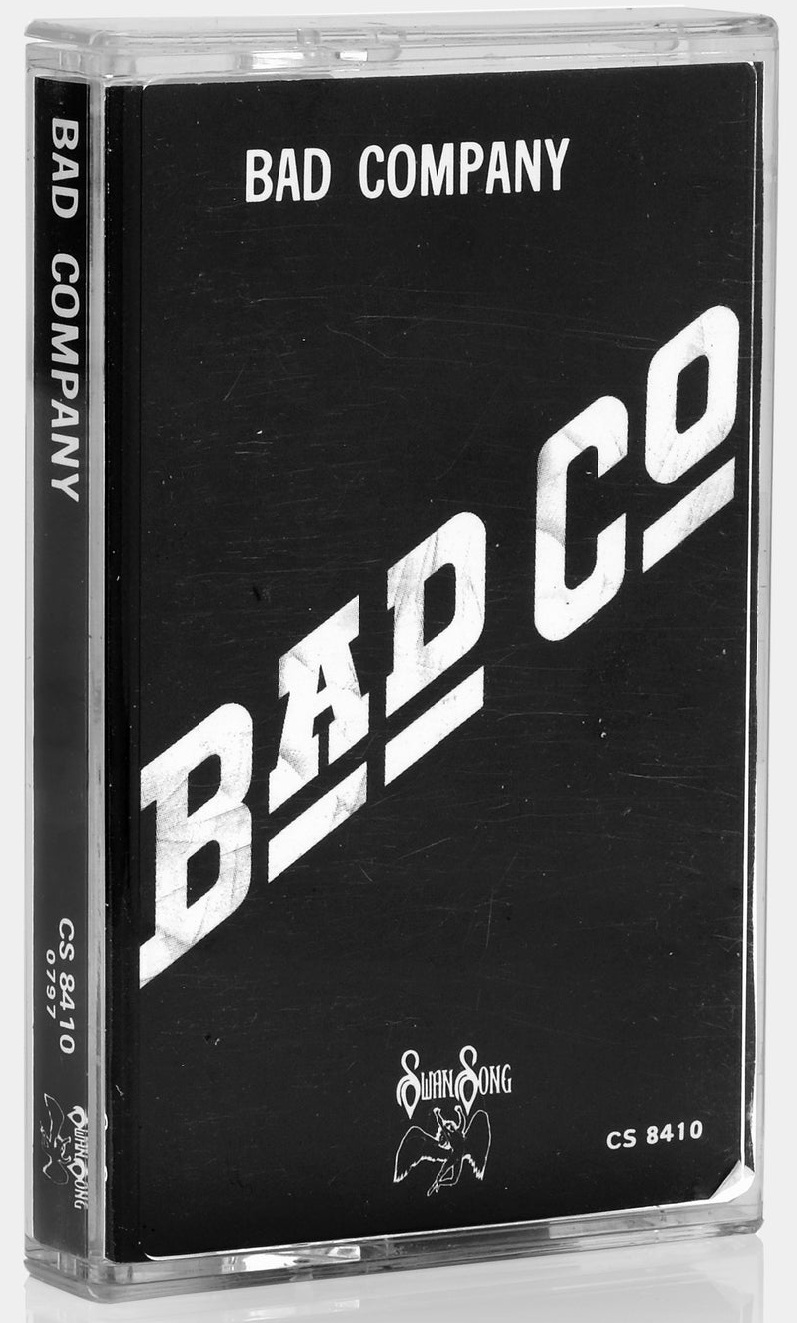
THE CASSETTE CHRONICLES – BAD COMPANY’S SELF-TITLED DEBUT

By JAY ROBERTS

The Cassette Chronicles is a continuing series of mini reviews and reflections on albums from the 1980’s and 1990’s. The aim of this series is to highlight both known and underappreciated albums from rock, pop and metal genres from this time period through the cassette editions of their releases. Some of the albums I have known about and loved for years, while others are new to me and were music I’ve always wanted to hear. There will be some review analysis and my own personal stories about my connection with various albums. These opinions are strictly my own and do not reflect the views of anyone else at Limelight Magazine.

BAD COMPANY – BAD COMPANY (1974)

A little over five years ago, I wrote about the Bad Company album Holy Water when singer Brian Howe passed away. I’d always planned to write about more of the band’s albums but just never seemed to get around to it.

Until now it is…sadly. I say that because on June 23rd of this year, after years of health issues related to a stroke suffered in 2016, Bad Company guitarist Mick Ralphs (who also co-founded Mott the Hoople) passed away.

Everything I read about Ralphs after his passing talked about while he may not have been one of those flashy kind of guitar players, the man could write some incredible guitar riffs AND he wrote some absolutely outstanding songs have stood and will continue to stand the test of time. And substance over flash is never a bad thing.

When I wrote about the Holy Water album, I mentioned that the only time I saw the band live was when Brian Howe was the singer. But I did get to see Mick Ralphs and I do know that I had a blast at that show. But what I forgot at that time was I did see band live when singer Paul Rodgers had returned to the band. Well sort of. I paid for a pay-per-view concert that the band did at some point. I think it was from a date they played in Florida but I can’t recall for sure. But I did at least get to see Ralphs, Rodgers and drummer Simon Kirke (I can’t remember if bassist Boz Burrell had passed away at that point or not) play a show together even if it was thousands of miles away.

With all that, I just felt that I had to talk about the band’s self-titled debut album this week to mark the passing of Mick Ralphs. When I was a member of the Classic Rock Bottom message forums, I’d done a pretty involved look at the album when a special two-disc version of the album was released, but with that site gone now, it was time to take a new listen to the album.

There’s just eight songs on the original album but the band sure managed to make their mark right from this auspicious start. Six of the songs are stone cold classics of the band’s catalog!

Side One opens with the killer rocking romp “Can’t Get Enough” and if you hadn’t gotten a taste of the individual members of the band before, this song fully captures their separate talents and makes a rousing statement from the first moments. You’ve got the smoking guitar sound from Ralphs, the insistent soulful blues-soaked vocal take from Rodgers and a stunningly resounding thump from both Burrell and Kirke. In fact, the bass and drums for this track are so up in the mix that even I was picking out Burrell’s playing as the song played. Plus Kirke is a thumper on the kit so you know you weren’t going to be disappointed there either.

By the way, this opening song was a sole writing composition by Ralphs. He wrote two other songs on the album himself and co-wrote two more with Paul Rodgers. If that doesn’t show how much substance he had as a musician, nothing will.

For “Rock Steady”, you still have a rocking upbeat tempo to the music though it is a bit more subtle than on “Can’t Get Enough”. However, don’t let that fool you into thinking that the band was taking their foot off the musical pedal. Rather they were just shifting gears a bit. Paul Rodgers wrote this song and it is another highlight of not just the album itself but the band’s catalog.

I won’t claim that I’ve ever really been much of a fan of Mott the Hoople. I know that the band existed and that Ian Hunter was their most notable singer, but I never really got interested enough to give the band a good listen. So when I first learned that the song “Ready For Love” was actually a cover version that Mick Ralphs had written for Mott the Hoople I was surprised. Even as I listened to the album now and was doing research, I’d forgotten that fact again. And while I should do a better job of remembering these things, I can’t get that upset at myself about it because the Bad Company version is a smoking hot slow burn track that they make the song their own and the track oozes such a fiery undercurrent that even though the tempo remains in straightforward groove for almost the entire running time, you still get a rocking vibe to it at the same time.

The final song on Side One of Bad Company is “Don’t Let Me Down” which is not one of the six “Hall of Fame” type songs the album can proclaim…BUT…don’t let yourself sleep on this track. It’s got a nice pounding rhythm to it and when you take the vocals from Paul Rodgers and enhance them with a killer backing choir/chorus to give an added dimension, the song is definitely an underrated gem.

The second side of the album kicks off with the album’s title track. And it is an absolute masterclass in not just songwriting but seeing the vision executed to perfection. And between the lyrical content and the different ways the band uses to set the mood of the song, I can’t see how anyone couldn’t be moved by the track. The slower main lyrical passages give you that cinematic feel. You get the feeling this is the main title screen song for a western movie. When you get to the song’s chorus, the music gets rocked up and suddenly you are hit with a blast of guitars that remind again just how good Mick Ralphs is/was. The song was co-written by Ralphs and Simon Kirke and they really got everything right about this one.

The song “The Way I Choose” is the other of the two tracks which aren’t usually mentioned when you talk about the album. Despite listening to the album plenty of times over the four decades I’ve actually owned the album, it’s probably the one I forget about the most myself. But I’m listening to it in the here and now and find that I like this ballad more than I remembered. It’s got a slow and easy pace and for the most part, the song is built around the vocals and the rhythm section. Yes, Mick Ralphs is involved but he’s in the background more than being the lead thing you hear in most of the song. I liked the use of the saxophone on this track as well.

The energy level gets brought back up to a full rocking beat with the song “Movin’ On”, another high energy rocker that not only features some tasty guitar playing but a superb vocal turn as well.

The album closes out in a much more relaxed vibe with the song “Seagull”. Pretty much just Mick Ralphs on guitar and Paul Rodgers on vocals, this is a ballad that is not only fantastic, it doesn’t really show its age because the song’s subject matter isn’t tied to whatever someone’s love of the moment is. It’s almost somber in a way but I’ve always taken the song in a much more positive and upbeat kind of way myself. I like the seeming simplicity of the song. While I don’t remember exactly when I first heard the song (probably when I actually bought the album but who knows), I remember that I was kind of blown away by it. It’s a feeling that has continued to happen every time I hear the song even now.

In November of this year, Bad Company will finally be inducted into the Rock and Roll Hall of Fame. It will be a great day but a somber one because Mick Ralphs won’t be able to be there. So like many other fans, I will take solace in the music he leaves behind and what better way to get started than with Bad Company, which is not only a masterful debut album but one of the best examples of the entire classic rock genre.

REST IN PEACE MICK RALPHS.

NOTES OF INTEREST: The Bad Company album has sold more than five million copies since it was released. The album got the reissue treatment in 1994 and 2006. In 2015, the album was reissued again with a bonus disc containing 13 tracks. Some of those tracks were demo versions of songs on the original release, but two songs (“Little Miss Fortune” and “Easy On My Soul”) which were B-sides to singles released were included as well.

The Bad Company album peaked at #1 on the album chart. The song “Can’t Get Enough” hit #5 on the singles chart while “Movin’ On” charted out at #19.
The final album released with Mick Ralphs being involved was not a Bad Company album but instead it was the 2016 Mick Ralphs Blues Band album called If It Ain’t Broke.

A day or so after Mick Ralphs died, Def Leppard’s Joe Elliott paid tribute to him during one of their shows by playing a slightly shortened version of “Seagull”. You can see a clip of that on Bad Company’s Facebook page.

GUITAR MONSTERS with Jon Butcher, Johnny A, Chris Anderson, and James Montgomery coming to Tupelo Music Hall

Loaded with high-energy, high-octane guitar rock, Guitar Monsters is an explosive show coming to the Tupelo Music Hall in Derry, NH, on Friday September 19 as a fund-raising event for Rolling Thunder. Doors are 7 PM. The event starts at 8 PM.

This great line-up features 3 Grammy nominees, 2 New England Music Hall of Fame inductees, 1 Boston Music Hall of Fame inductee and a legendary Southern rock icon.

The line-up features Jon Butcher, known for his days of Johanna Wild, Jon Butcher Axis, Barefoot Servants, and time performing on Experience Hendrix tours, he is one of the most influential performers in Boston, having toured the country opening for the J. Geils Band, Def Leppard, Rush, the Scorpions, and INXS.  Beyond his own catalog of songs, he is known for the incredible performance of classic hits by the great guitarist, Jimi Hendrix.

Joining the line-up will be Johnny A, a guitarist comfortable in any situation, ranging from his solo performance “Just Me and My Guitars” and his time as music director for the J. Geils Band’s frontman, Peter Wolf, on his solo projects; through his projects “From A. to Beatles” and “Beck-Ola”, a tribute to the late RnR Hall of Famer, Jeff Beck. Finally, to his time a lead guitarist for Beck’s old band “the Yardbirds.”

Last, but not least is Chris Anderson, a former member of Southern Rockers, “the Outlaws” renown “Florida Guitar Army” from 1986-1989 and 2005-2018 and occasional sideman to RnR Hall of Fame (Allman Brothers Band) Dickie Betts; as well as performing with the likes of The Allman Brothers, Bad Company, Lynyrd Skynyrd, Hank Williams Jr and Steven Stills.

The show will not be complete without the presence of New England Blues Legend, James Montgomery, known throughout the region by anyone born from 1940 through the millennium; consistently filling venues throughout the region and renowned for his extensive performances lasting over two hours.

Hot to be overlooked in this show will be the backing band consisting of drummer AJ Vallee (Southern Rock All-Stars, The Peacheaters, Starr Faithfull and One Night of Queen). Bassist, Tim Archibald (Barry Goudreau’s Engine Room, Peter Wolf’s House Party 5, NEW MAN and American Vinyl All Star Band, with Barry Goudreau and Skunk Baxter) and on keyboards Todd Farland (Nasty Habits)

With a line-up like this expect some classic Montgomery songs, Jon Butcher Axis, Outlaws, Hendrix, Johnny Winter, and Yardbirds along with a mix of great R&B classics.

Rolling Thunder is one of the NH Chapters of the national organization Rolling Thunder® noted for their involvement in the problem of POW/MIA; but the organization has grown much more than that. It addresses military personnel’s post-service issues like PTSD and addiction, as well as other matters such as toy drives. All worthy causes: these former warriors find a way to continue in their mission to assist those in need.

This show is produced by Rockin’ 4 Vets/Alive & Kicking Productions, which produces Vets benefit concerts throughout New England to support organizations assisting Vets on issues related to PTSD, addiction, and homelessness.

With a line-up like this expect some classic Montgomery songs, Jon Butcher Axis, Outlaws, Hendrix, Johnny Winter, and Yardbirds along with a mix of great R&B classics.

Ticket Prices: $34.00, $39.00 & $44.00

VIP Tickets (w/purchase of any event ticket) $39.00. This entitles purchaser to an early admission pre-show M&G and photo opportunity with the performers.

Ticketing Site:  https://tickets.tupelohall.com/eventperformances.asp?evt=1248

For further info please contact Jim Tirabassi at (978) 979-2076 or @ jim@alivenkickingprod.com.

Loretta LaRoche to appear at The Narrows in Fall River, MA

Get ready for a lively and hilarious matinee show with the one and only Loretta LaRoche, an internationally acclaimed stress expert, humorist, author, speaker, and TV personality, on Sunday, September 21, at 4 PM, at the Narrows Center in Fall River, MA. Click HERE for tickets.

In “Life Is Short—Wear Your Party Pants,” Loretta provides the tools to not only reduce feelings of tension, but also to bring joy, passion, and gusto into your life. Her techniques are a brilliant blend of old-world common sense and contemporary research in brain chemistry, psychology, and mind-body studies. Loretta gives you dozens of proven techniques for recognizing the ten simple truths that will lead you to an intense, happy, successful life.

Loretta LaRoche is an international stress management expert who helped pioneer the use of humor as a coping mechanism. She has authored eight best selling books and has been the star of seven PBS shows aired in over eighty stations nationwide. She was an adjunct faculty member at the Mind/Body Medical Institute, an affiliate of Harvard Medical School, for fifteen years. She has shared the stage with former President Bill Clinton, Anthony Robbins, Dr. Phil, Suzie Orman, Arianna Huffington, Quincy Jones, Ellen Degeneres and a host of other dignitaries and celebrities. Her signature humor is her ability to observe the absurdities that are so much a part of the human condition and the culture which often lead to stress and to help find the AHA in the HA HA!

The Narrows Center is located at 16 Anawan Street in Fall River, MA. Tickets can be purchased online HERE. For those wanting to purchase tickets in person, box office hours are Thursday through Saturday, 12 noon to 5 p.m. Parking is free. Patrons are welcome to bring their own food, beverages, and alcohol to all events in bags and small coolers that will fit under your chair. The venue also uses all-in ticket pricing, meaning the price you see is the price you see with no hidden fees at check out.

This event is presented by JKB Entertainment Group/Limelight Magazine.

THE CASSETTE CHRONICLES – ROBERT PLANT’S ‘NOW AND ZEN’

By JAY ROBERTS

The Cassette Chronicles is a continuing series of mini reviews and reflections on albums from the 1980’s and 1990’s. The aim of this series is to highlight both known and underappreciated albums from rock, pop and metal genres from this time period through the cassette editions of their releases. Some of the albums I have known about and loved for years, while others are new to me and were music I’ve always wanted to hear. There will be some review analysis and my own personal stories about my connection with various albums. These opinions are strictly my own and do not reflect the views of anyone else at Limelight Magazine.

ROBERT PLANT – NOW AND ZEN (1988)

Yes, Yes. I know…oooh Robert Plant. Frontman for the greatest rock band ever. Sang on the greatest song ever recorded…ooh!

Okay, while the above is said with tongue-in-cheek and a heavy dose of sarcasm, there isn’t a whole lot that can be said about Robert Plant during his time with Led Zeppelin that hasn’t already been said by any number of people in the past.

But despite its success, I think Plant’s solo career, which features so many stylistic changes from album to album that you might get whiplash with each new change of direction, is still somehow underrated despite its highly successful nature as well.

And that’s what led me to writing about the fourth studio album Now and Zen this week. I just wanted to go back and check out one of his earlier albums given I hadn’t dug them out in a while.

I went with the album because it is the first one I can remember really paying attention to back in the day. While I went back and got the other earlier albums, this was the first Plant solo release that I actually bought.

The first side of the album is just four songs and two of those were among the three singles released from the album. Now and Zen opens with “Heaven Knows”, which was the first single. The song has a mid-tempo pacing that isn’t quite a full-on rocker but it does get pretty intense with all the instrumentation giving a growing intensity to the music. Plant’s vocals are pretty smoothed out here and the backing vocals on the chorus gives an extra bit of pep to the overal vocal. That guitar solo was pretty rocking (see NOTES OF INTEREST for who played the solo). From the guitar solo on the pace of the song gets more of a rocking beat and the guitar playing really kicks in full to have the song rock out through to the end.

For “Dance on My Own”, the pacing is pretty lively from the start. I love the musical score on this one and Plant seems to really be warming up to more of a rocker stance with his vocals on this one. The funny thing is that this particular song has a great hook and it left me wondering why they didn’t try to release this one as a single. I think at the time, it would’ve done pretty well for itself on the singles chart. It is probably one of my favorite Robert Plant solo tracks.

Now the second single released from the album is where I really became aware of Now and Zen. The song “Tall Cool One” just hit me like a two-by-four the first time I heard it and I was hooked into the song. You’ve got a full on hard rocking music soundtrack and Plant is REALLY rocking out with his performance on this song. It’s a flat out killer track in every respect and if I was going to be allowed to pick a setlist for a Plant solo show, this one would definitely be on it. The fact that it samples at least five Led Zeppelin songs musically and a couple of lyrical takes from the group as well might have been Plant’s beginning of NOT running away from his musical past. Just a great rocking number that features a new solo from the same special guest that played the solo on “Heaven Knows”.

The final song on Side One of the album Is “The Way I Feel”. It’s got a nice little bit of atmospheric moodiness in the musical presentation at the start. The song is quite intriguing throughout even if it is probably looked upon as an “album” track these days. Of course, that’s definitely doing a disservice to the song because there’s a lot of cool musical stuff to check out. The guitar playing is phenomenal here as it pops up and surprises you with some fleet-fingered playing in at least two spots that grab your ears.

The second side of the album opens with the song “Helen of Troy” and it has a really cool kind of epic feel to it. But the fact that instead of being a long drawn out musically dramatic score, the song has a cool hard rocking drive to it. And plenty of riffs to draw in the listener. Plant’s delivery of the lyrics is pretty cool as well.

By the way, I should point out that by now I’d realized that it had been long enough since the last time I listened to Now and Zen that songs like “Helen of Troy” had admittedly slipped a bit from my conscious memory. So I got to listen to the song almost as if I was hearing it for the first time. Which means I also got to rock out in my head because the song was so engaging. Just a straight-shooting rock and roll song!

The song “Billy’s Revenge” might’ve been done in 1988 but the intro started out and it kind of gave off a 50s rockabilly vibe for some reason. The production on the song makes sure it sounds of the decade it was actually released but the way the song was crafted musically and how it was performed vocally, it really got your foot tapping to the beat. It’s a nice way to combine two different eras and still produce one hell of a track.

The third single from the album was “Ship of Fools” which is the signature ballad track and it is astonishing to me just how damn cool it was then and how it remains so even now. The music is a bit softer in the beginning, more methodically played and feeding perfectly into the vocal performance where Plant really is delivering the goods. This one is so damn good that you’d almost think this could’ve been a Zeppelin song. When the drums kick in after the first lyrical passage, you can feel the song becoming even more dramatic. As Plant sings, “turn this boat around…”, you can just find yourself lost in the mood the song establishes. I saw one place that called “Ship of Fools” one of the best songs Plant has ever writtend and recorded and I think you’d be hard-pressed to really find any kind of flaw in the song.

The opening music for the song “Why” sounds like the intro music you might hear in one of those quintessential 80s movies that introduce some character who is going to become a hero and get the girl by the end of the 90 minute film. I know it might seem a weird connection to make with the song but that was my impression as I listened to the track in the here and now. It’s got a very upbeat and highly electric tempo so you do get a bit of a charge from the music.

The closing track from the cassette version of the album is “White, Clean and Neat”. I was never quite sure what to think about this song before now. I got curious so I used the Net to look up what the meaning of this song was supposed to be. I have no problem admitting that I didn’t get it all these years. The song itself is good with a jaunty tune and some cool guitar riffing powering the song. But the meaning of the lyrics escaped me. When I looked it up, finding out it was criticizing the difference between how celebrities lives got presented to the public and what they really were like definitely gave me a different kind of perspective on the song.

I’ve seen a quote from Robert Plant where looking back at the album, he feels some of the songs got lost in the various technologies employed to craft them. He’s of course the final arbiter of his music, but for me I really loved the Now and Zen album a lot. It’s got great songs that even more than thirty-seven years after its release still have quite the zesty vibe to them. As I listened to the album for this article, I was swept back up into what made Now and Zen such a magical experience the first time I listened to it!

NOTES OF INTEREST – The Now and Zen album peaked at #6 on the Billboard album chart and has been certified triple platinum. While the original cassette included only nine songs, the CD had the bonus song “Walking Towards Paradise”. There was a reissue in 2007 that added three live tracks as bonus cuts. By the way, I checked out “Walking Towards Paradise” and found that I really liked the way it came out. It’s got a cool rocking feel to it and as the closing song on the CD version of the album, really brought things to a different crescendo as the album finished.

Jimmy Page played the guitar solos on “Heaven Knows” and “Tall Cool One”.

I saw Robert Plant at the Providence Civic Center on the tour for Now and Zen. Sadly, I was not thrilled with the show. The volume was so loud that Plant’s vocals got buried too much in the mix. He had Cheap Trick opening up for him and they were miles away better…because you could actually understand and HEAR the vocals from Robin Zander.