Category Archives: Home

THE CASSETTE CHRONICLES – JUDAS PRIEST’S ‘RAM IT DOWN’

By JAY ROBERTS

The Cassette Chronicles is a continuing series of mini reviews and reflections on albums from the 1980’s and 1990’s. The aim of this series is to highlight both known and underappreciated albums from rock, pop and metal genres from this time period through the cassette editions of their releases. Some of the albums I have known about and loved for years, while others are new to me and were music I’ve always wanted to hear. There will be some review analysis and my own personal stories about my connection with various albums. These opinions are strictly my own and do not reflect the views of anyone else at Limelight Magazine.

JUDAS PRIEST – RAM IT DOWN (1988)

In the week leading up to the writing of this article, thanks to a big storm I had no power for 3 days. So my original plans to pull a cassette out of The Big Box of Cassettes and write about that was kind of sidelined.

I couldn’t really do any research on an album I wasn’t familiar with already. So this week’s write up on the Judas Priest album Ram It Down comes from my own personal cassette collection and it is an album that I am indeed rather familiar with. I still had to do some research but at least I knew the album beforehand. In fact, it was the first Judas Priest album I ever bought. And that might be at least part of the reason why it still stands the test of time for me and remains one of my favorite albums from the band.

I didn’t really know much about the band until I got this album. Pretty much my first memory of the band was when I was attending Boy Scout camp (try not to laugh at that notion) and one of the counselors had a cassette holder full of Judas Priest cassettes. I didn’t hear any of them at the time but I remember seeing the line up of albums in the holder. I don’t remember the counselor’s name but he was a huge fan of the band as you might imagine.

Of course, my lack of knowledge about the band was turned around when I got the Ram It Down album. Before I’d even listened to any of the music, I was struck by the stunning artwork. I love the visual of the fist crashing down from the sky onto the planet (presumably Earth itself).  You can’t say it doesn’t catch your eye.

But for all that I love the art, when the album started I found myself immediately hooked. Right from the Rob Halford scream on the title track that opens the album, this was an album I knew I was going to love. But it wasn’t just that scream that made the “Ram It Down” song stand out to me. The song’s rip-roaring frenetic pace captured my imagination as well. The speed at which the guitars pummelled your ear drums was just relentless.

The track “Heavy Metal” is the kind of anthemic rocker you might expect from Judas Priest if you have any kind of history with the band. I loved the killer guitar solo that powered the intro to the track. The fiery pacing of “Love Zone” and “Come And Get It” made the tracks winners in my eyes back in 1988 as well as when I listened to it for this article.

When I decided to write about the album, I mentioned to a friend of mine that I was working on an article that would be as hard as iron and as sharp as steel. Which is of course a lyrical line from the Side One closing number “Hard As Iron”. The song has a nice little edgy feel to it and Halford delivers those vocals superbly.

The first side of the album is just one great track after another in my book and there’s not really much of a let up when you flip the tape over to Side Two.

For me, the song “Blood Red Skies”, which opens the second side, is one of my favorite Judas Priest songs. I loved the way the band established the song with a moody atmospheric opening part. But as the vocals kick in, you can’t help but imagine that the song is the blueprint for a science fiction screenplay or novel set in some kind of dystopian future. After the first verse of lyrics, the song does grow into more of a straightforward rocker but in all, this is just an incredible song.

I’m also a big fan of “I’m A Rocker”. It’s another anthem track, this time paying tribute to the rock and roll lifestyle but it can also be easily adopted by the metal fandom as their own musical declaration of intent too.

I don’t know how the rest of the Priest fanbase feels about the band’s cover of Chuck Berry’s “Johnny B. Goode” but I’ve always kind of liked the song. It was done for the comedic movie Johnny Be Good starring Anthony Michael Hall but it also ended up on Ram It Down as well. The thing I vaguely remember about the song is that upon its release there was an article that had the band saying if they didn’t like how the song turned out as they recorded it, it never would’ve seen the light of day. I have no idea where I read that but it has stuck in my memory all these years.

The song “Love You To Death” is a bit slower in tempo than most of the other songs on Ram It Down but it still has a beat to it that kind of makes you want to stomp your feet to it. And the inclusion of the sound of a whip in the mix drives home the fact that the song can have more than one meaning to it.

In the more than three decades since the release of Ram It Down, I’ve always considered the album closing “Monsters Of Rock” track to be the one real down note about the album. It always seemed so plodding in nature that it just felt completely out of place alongside the rest of the material. And while the song certainly hasn’t changed tempo in all these years, for some reason as I listened to it for this piece, I found myself struck by how much I was actually appreciating the song. Perhaps it just hit me just right this time, the result of years of listening to the song. But I really was quite surprised to find myself enjoying the song. It was almost like I was “finally” hearing it for the first time.

Ram It Down was my first Judas Priest album and to this day it remains one of my favorites. It is just chock full of great material fueled by a killer rhythmic foundation, screaming guitars from Glenn Tipton and K.K. Downing and the vocals of the Metal God himself, Rob Halford. If you can’t appreciate the greatness of this album, I just don’t know what there is left to say to you. But in all honesty, you really have to give the album a new listen and I think you’ll discover that it is just as strong an album as the more readily acknowledged classic albums from the band.

NOTES OF INTEREST: Despite not being overly well received by critics, the Ram It Down album did achieve gold certification. The 2001 remastered CD edition has two live songs included as bonus tracks. (I own that remastered edition as well as the cassette edition.)

Two songs recorded during the Ram It Down sessions that didn’t make the cut for the album did eventually get released on the remastered CD editions of other Judas Priest albums. The song “Thunder Road” appeared on Point Of Entry. Meanwhile, the song “Fire Burns Below” showed up on Stained Class.

According to the online information about the album, though he is credited on the album, drummer Dave Holland didn’t play on many of the Ram It Down songs. The band opted to use a drum machine for the most part. This was the last album he was a part of with Judas Priest. Holland passed away in 2018.

Original magazine advertisement for Judas Priest’s Ram It Down.

TWISTED SISTER GUITARIST JAY JAY FRENCH BOOK SIGNING AT PURCHASE STREET RECORDS IN NEW BEDFORD, MA

BY SEAN MCCARTHY [SUBMITTED STORY]

A piece of rock royalty is coming to New Bedford.

As the guitarist and founder of the world-famous metal band Twisted Sister, Jay Jay French has been to the rock star mountain top. But as the band’s manager, he has established himself as an industry giant with a career that has lasted long beyond the band’s heyday.

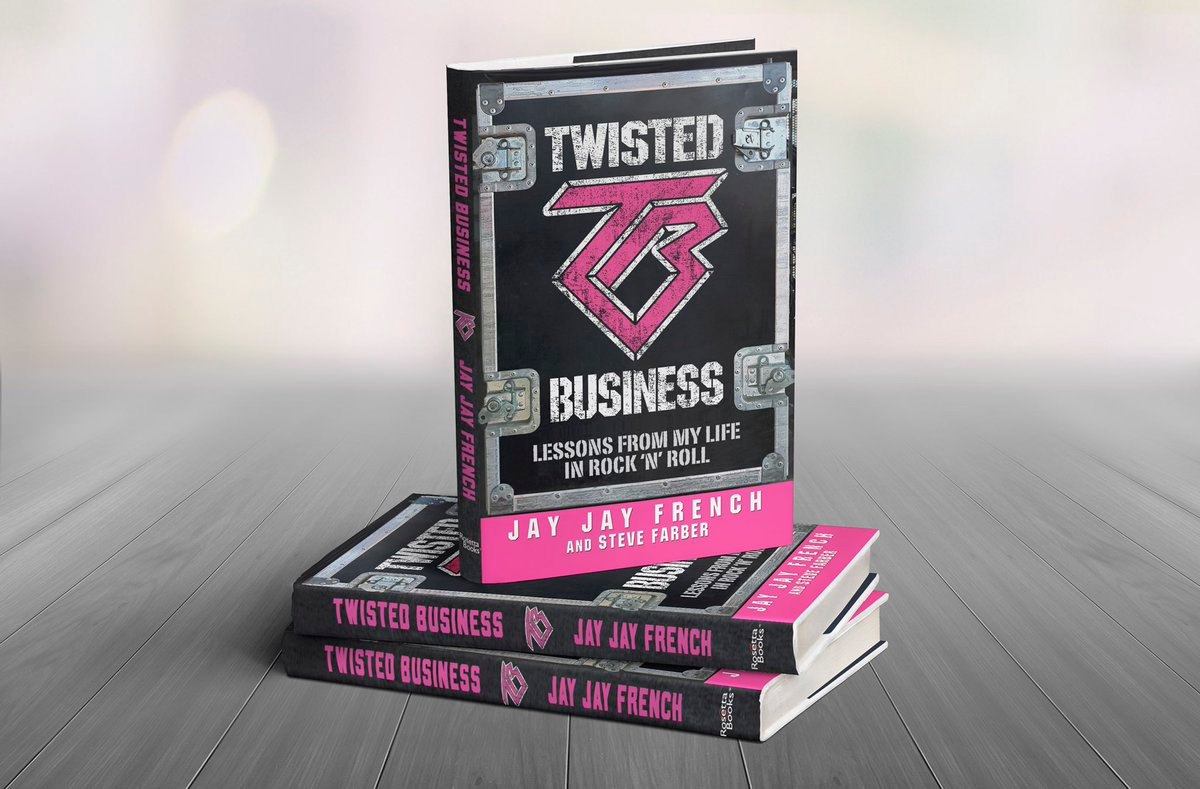
 And now French’s rare perspective has been made available in the book, Twisted Business: Lessons From My Life in Rock ‘N Roll. The New York rocker will be making an appearance at Purchase Street Records in downtown New Bedford this Friday night from 6 p.m. to 8, for a book-signing meet-and-greet. For $30 fans can receive a copy of the book, signed in person by French. Reservations for the event can be made by calling (508) 287-8688. Purchase Street Records is located at 767 Purchase St.
“My introduction to the business world was being a teenage drug dealer in Central Park,” French says. “You learn how to deal and negotiate with some very interesting people, there’s always the potential of getting arrested, getting ripped off, or worse. But at that age it’s all about sex, drugs and rock-and-roll.”

 French’s drug-dealing career ended after a near-fatal overdose.

“I lost a lot of my friends to the drug scene,” he says. “I got out of it because I thought I was going to destroy my world permanently. So when I got into the music business it wasn’t’ my first rodeo.”

Twisted Business is a book that can be enjoyed by musicians and business people as well as fans of the band. Today French has found further success as a motivational speaker for Fortune 500 companies as well as non-profits. He still benefits financially from managing the Twisted Sister brand.

“This book will teach you the art of reinvention, which can apply to anybody, not just the music business,” he says. “In the beginning it was about being a musician, but I eventually started seeing things from a business perspective. Eventually the music became almost secondary, I became a businessman who was also a musician.”

French says that Twisted Sister has had continuing success despite rock music being replaced as the most popular form of music in America.

“Rock has been replaced on the charts by hip-hop, rap, country, and female pop. There’s almost no rock on the charts any longer. It had a good 50-year run, a revolution started by the Beatles. It inspired a lot of people and changed a lot of attitudes, it’s extraordinary music.

“Twisted Sister became successful because we changed with the times, we did what we needed to do to survive. If you look back at the bands that came out in 1973, we’re joined by bands like AC/DC, Judas Priest, and KISS. We’re all still here because there’s been an ongoing evolution with our music and our relationship with our fans.”

He says that the band members of Twisted Sister still communicate “every day.” And while there are no plans for more shows, they will be releasing a double vinyl Live/Greatest Hits album, “Tear It Loose,” in the end of Novermber.

French also hosts a podcast, “The Jay Jay French Connection,” where he interviews authors, writers, musicians, actors, producers and managers.

He says he’s “grateful” that some of his music is still enjoyed by young music fans, particularly the international mega-hit, “We’re Not Gonna Take It.”

“If you ask a 10-year old kid if he knows Twisted Sister he might not, but if you ask him to sing ‘We’re Not Gonna Take It,’ he probably can. That’s very gratifying.”

FILMING LOCATION SPOTLIGHT – “HALLOWEEN” (1978)

On the final Friday of every month in 2021, Limelight Magazine spotlights the filming location site(s) we visited for some of our favorite (and not so favorite) films and TV shows. Today we spotlight some of the filming locations for Halloween (1978), which was directed by John Carpenter. The top photo is a screen shot taken from the film while the photo underneath it is what the location looks like when I visited in August 2012 or October 2015. These photos were taken in Pasadena, CA.[Please note that we were planning to visit at least a dozen more filming location for this movie in 2020 but our trip was cancelled due to the pandemic. We hope to finish this project in 2022].

ALAN HOWARTH TO PERFORM AT THIS YEAR’S 20TH ANNUAL HORROR MOVIE MARATHON AT THE COOLIDGE

BY CHRISTOPHER TREACY

Alan Howarth [Submitted photo]

Alan Howarth’s sound designs are ingrained in pop culture.  

The sound you hear when the Starship Enterprise appears in the Star Trek films? That’s Howarth. When the little girl calls from within the television set in Poltergeist? Howarth. That musical sense of foreboding that overcomes you when Indiana Jones faces a cobra in Raiders of the Lost Ark? All Howarth. 

And if you happened to see jazz fusion pioneers Weather Report in the late 70s, you might recall marveling at co-founder Joe Zawinul’s next-level keyboard setup. That, too, was Howarth’s magic, working as a touring technician to keep Zawinul’s complex array of synths in running order from night to night — no small feat in the pre-digital age. 

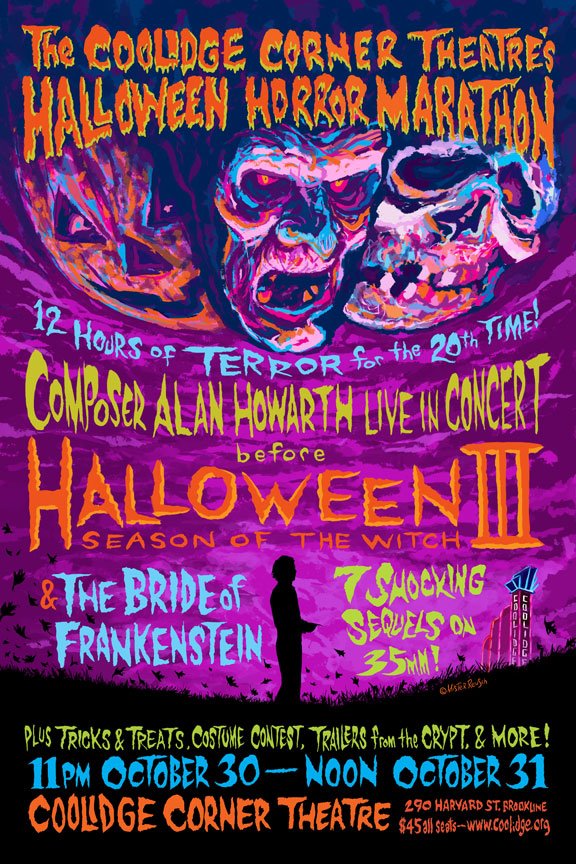
As an adolescent, Howarth was always more interested in visual art, but music ended up in the driver’s seat. Eventually, he married the two things, creating music to soundtrack images. Nowadays, he’s also drawing sketches of some of the famed movie scenes he’s celebrated for scoring — an unexpected full-circle connection to his creative roots. Howarth will have some of his sketches for attendees to view when he performs a set to kick off the Coolidge Corner Theatre’s 20th Halloween Horror Marathon at 11 p.m. on Saturday, October 30th. Purchase tickets HERE.

“When we were approached about the idea of bringing out Alan Howarth for this event, we jumped at the chance, because it just worked perfectly,” said Mark Anastasio, a.k.a. ‘Midnight Mark,’ Program Manager and Director of Special Programming at Brookline’s Coolidge Corner Theatre for over fifteen years. “And we were thrilled that he was willing to perform as part of this show. People love the scores that he’s created and to hear some of them live with a packed house full of horror fans is going to be quite something. Halloween III: Season of the Witch, [which he scored with John Carpenter], was already locked in as one of the two films we’d be revealing early, so it just made total sense.”

Howarth is best known for his spooky sound signatures at the intersection of sci-fi and horror, but his musical interests began with an accordion found in the attic of his Cleveland-area childhood home. Music became more than just a hobby after a one-off high school gig (playing sax) yielded an $80 payout—big money at that time.

So began a series of serendipitous events that shaped the trajectory of his career. Playing bass in popular Cleveland bands, one of which opened for The Who, eventually led him to Los Angeles. There, an earlier connection to the band Weather Report resulted in attaining the keyboard technician job that put him on the road for several years, beginning in 1976. Four years later, based on his job with Weather Report, an old Ohio friend working at Paramount Pictures recommended Howarth as a knowledgeable ‘synth guy’ for some work on the first Star Trek movie. In the wake of completing that project, Film Editor Todd Ramsay offhandedly put him in touch with John Carpenter, but Howarth was not expecting to become the tech-yin to Carpenter’s creative-yang. 

Actually, at that time, Howarth was taking classes on film scoring at UCLA Extension. A lot of guys would’ve probably quit the classes, but for Howarth, working with Carpenter was like a dream internship on steroids. 

“John and I are the same age,” Howarth said over the phone from Newport Beach, California. “He’s from Kentucky and I’m originally from Cleveland, so we’ve both experienced life through a Midwestern lens and on a similar timeline. But he’s John Carpenter, right? I mean, he’s a trained musician from his dad, his dad was a concert violinist and also taught music. In our first meeting, he came over to my house and we sat and just talked for about three hours. I showed him some stuff in my little dining room studio, and we were excited. And at the end of that meeting, he goes, ‘Yeah, let’s do it,” and so just like that, I’m now scoring with John Carpenter on Escape From New York. It was my first score! And I had all the gear, but John wasn’t interested in gear. Several times I tried explaining to him how something worked and he’d say ‘Alan, I don’t really want to know about that stuff. That’s your job’.”

In the forty years since, Howarth collaborated with Carpenter on a half dozen more genre classics (Christine, Halloween II, Halloween III, Big Trouble in Little China, Prince of Darkness, and They Live) while moving further into his own scoring career (another trio of Halloween films, amongst others). 

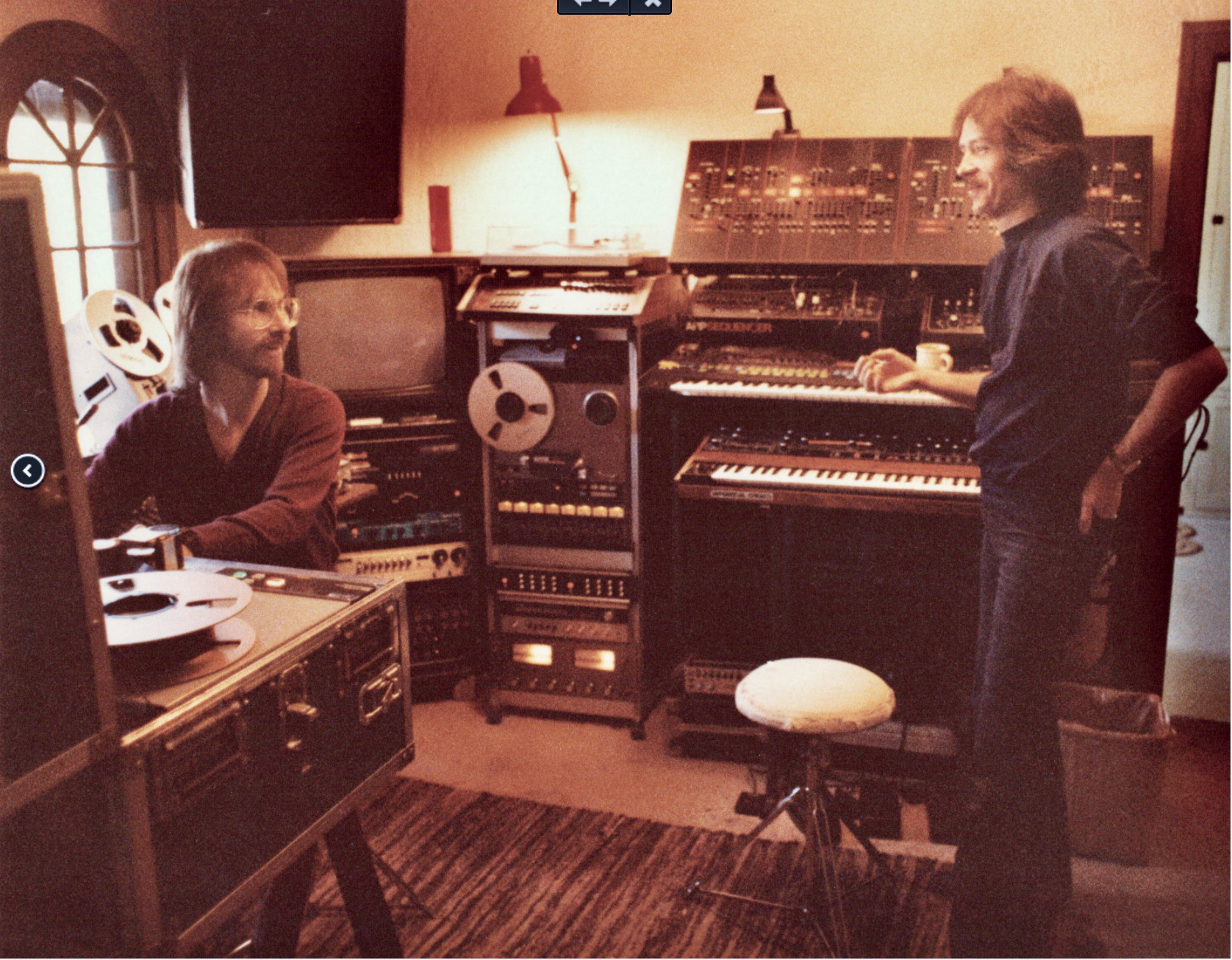
From left, Alan Howarth and John Carpenter working on the score for Halloween III: Season of the Witch in 1983. [Submitted Photo]

When he’s not scoring, he’s often called on to create effects or sound designs — mini-themes ­— for specific moments in films. This is his specialty, taking visual cues and effectively representing them sonically— merging his passion for visual art with his musical abilities and technical chops. As a result, his designs have been featured in everything from National Lampoon’s Class Reunion to Beetlejuice,  Phantasm II, and the Back to the Future sequels. Howarth’s team won Academy Awards for their sound effect work on The Hunt for Red October and Francis Ford Coppola’s Bram Stoker’s Dracula.

While the tone of his work remains largely ominous (but not solely—more on that later), how he creates it has shifted over time. Like most everyone involved in music production, Howarth has learned to use Digital Audio Workstations (Ableton Live, Garage Band, Logic Pro, Pro Tools, etc.), which have become an industry standard. As a tech-enthusiast, he’s stayed abreast of the changes from the very beginning, and he was even involved in the development of what we now know as “surround sound.” Most of the digital shift, he says, has been positive.  

“The editorial aspect of digital is a huge improvement,” he said, explaining that the cut-and-paste nature of digital recording ends up requiring less musical skill, but it makes his job easier. When he and Carpenter did Escape from New York, they couldn’t synchronize the videotape with the audio recorder. Literally, it was just a matter of pushing play on both consoles at the same time, letting them freewheel and the pair would work on the score that way. The other thing Howarth would sometimes do is record the dialogue from the video to one track of his multi-track tape recorder, so he could turn the video off and still know where he was in the movie. 

From left, Alan Howarth and John Carpenter working on the score to Escape From New York in 1981. This was Howarth’s first collaboration with Carpenter. [Submitted Photo].

Lately, an appreciation for analog sound is fueling a revival of sorts. Howarth says that the sound of analog synths and analog tape that he and his contemporaries were using forty years ago — emulating avant-garde artists like Tangerine Dream and Klaus Schulze — has become sought after. As a result, popular software has emerged to recreate those textures. What’s more, he’s now being asked to work on vintage equipment. 

“The last two scores I’ve done—one was a movie called Hoax (2019) and the other is Cosmic Dawn, which will be out in the spring—both directors asked me to do what I used to do in the 80s with analog synthesizers,” he said. “So, it was technically somewhat limited, but now it’s a style. Back then, we got the most out of the technology because that’s all we had. Now, with digital, the possibilities are limitless, which can actually make things more difficult. I had lunch with Brian Eno one time and he was talking about producing records for other artists and he said that what he does now is limit the use of technology. Before he starts work on an album, he sets parameters, like real drums only or only analog synths or… anything to make the universe of digital possibilities more finite. He said it provides a sense of direction because the limits of the past have proved to be a good way to go, artistically.”

No doubt, the folks at the Coolidge Corner Theatre would wholeheartedly agree with Eno: they prefer to run 35mm film prints. As a registered NFP for over thirty years, Anastasio says it’s one of the main factors in keeping the venue’s programming unique. But staying true to an analog vision in the digital age comes with challenges. 

“The main challenge with that, in this day and age, is the expense,” he said. “Shipping rates across the world have increased. And 35mm prints are heavy. So it’s more expensive than ever to show 35mm, but it’s something we still do here and we do it well so that we’re able to maintain relationships with studios and archives in order to borrow what is becoming increasingly rare. Film on film has become a rarity. But I think a lot of our audience comes out to watch these movies in their original format and they appreciate it.”

Anastasio says the Halloween Horror Marathon is a 100% 35mm program right down to the trailers that will run between films. He explained that a distributor who owns the rights to a film they might want to license won’t necessarily have a 35mm print of the film in stock, forcing the Coolidge to have to go to a private archive or to private collectors — folks that have salvaged these 35mm prints from destruction. That process fetches an additional fee.

For the Marathon, five of the seven films will remain a secret until they’re actually up on the screen. Anastasio also points to the challenging endurance test involved for his projection team, led by Nick Lazarro, formerly of Kaiju Big Battel, and Thomas Welch.

“But it’s also a ton of fun,” he said. “And I do think that there’s something really special for our audience members, to be able to spend an entire night inside of a place that they love so much. This is a way of reminding our audiences that this is their theater. It’s such a beloved community space and they support us by coming to our shows, and by donating. So having a night where they can sleep over and feel as though it’s truly home is special.”

If there’s something that (thankfully!) isn’t particularly challenging for the Coolidge, it’s making sure that patrons have the safest possible environment to enjoy their unique programming. 

“We’re not messing around when it comes to the safety of our guests,” Anastasio said, and he’s not kidding. In addition to requiring masks and proof of vaccination or a negative COVID test within a 72-hour window, he explained that the Coolidge went a step further, upgraded their HVAC with high MERV-rated filters and new, state-of-the-art Continuous Infectious Microbial Reduction (CIMR) Systems technology. In the most basic terms, the CIMR system scrubs the air, “creating charged, ionized compounds of safe, self-regulating ultra-low level hydrogen peroxide,” that kills airborne pathogens. Apparently, it’s the same system used at the Pentagon and the Department of Defense. Additionally, they’re blasting their ventilation ducts with UV light, which also works to kill pathogens. All told, it seems like spending the night at the Coolidge is a safer bet than most hotels. 

Anastasio also clarified that the smaller theatres will be open for guests to enter should the big room begin to feel too full. 

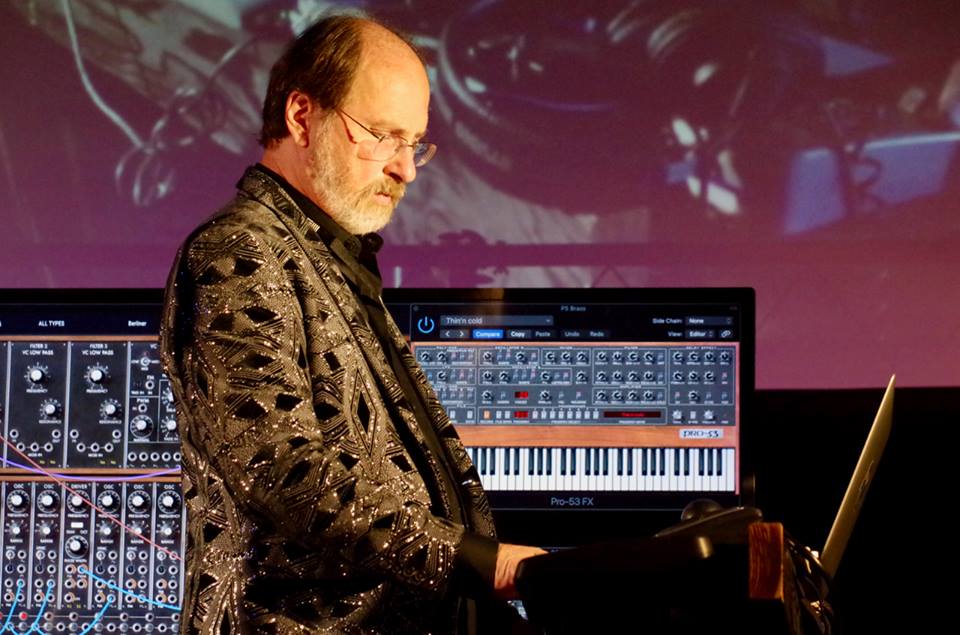
Alan Howarth enjoys performing his scores in front of live audiences. [Submitted photo]

For his part, after a long period of performing very little, Alan Howarth is excited to bring his stage show to an appreciative group of genre fans, particularly on mischief night and in celebrating 20 years of Halloween marathons at the Coolidge. When he performs live, he creates an amalgam of his most famous scores and sound designs with cleverly edited visual accompaniment from the related movies. 

Alan Howarth greeting fans at the merchandise table after a concert. [Submitted Photo]

Of his most recent work, a project with Oliver Stone’s son Sean Stone on a politically charged docuseries, The Best Kept Secret, sounds most riveting. Amusingly, Howarth was told to dial back the dark, menacing score he initially provided because it made the series too heavy. In the end, he used lighter tones to set up an interesting contrast, which reveals his other side: there’s more to Howarth than witches, ghosts, and goblins and spaceships.

“I’m really into meditation and spiritual things, and I’ve done two meditation CDs, Paradise Within and Indigo Ra,” he said. “I also collaborated with a jazz buddy of mine named John Novello who has a very famous band called Niacin. That project is called Luna Tech. All of that stuff is up on Youtube, so folks can check it out for free. I want to do more work like that, that’s not all dark and black. These are the sunshine and flowers and beauty projects, y’know?. One of my clients for many years, before the internet, was Scripps Institution of Oceanography,” based in San Diego. “They had an annual video that they would distribute to the donors showing what they were doing each year, and I scored all that stuff… the fish in the reefs, and the oceans and the winds and the climate. I have a whole other part of me and my work that nobody knows about.” 

The Coolidge Corner Theatre is located at 290 Harvard Street in Brookline, MA. Tickets for the 20th Annual Horror Marathon with Alan Howarth live can be purchased HERE.

One of three posters for this year’s 20th Annual Horror Marathon at the Coolidge Corner Theatre designed by Mark Reusch.

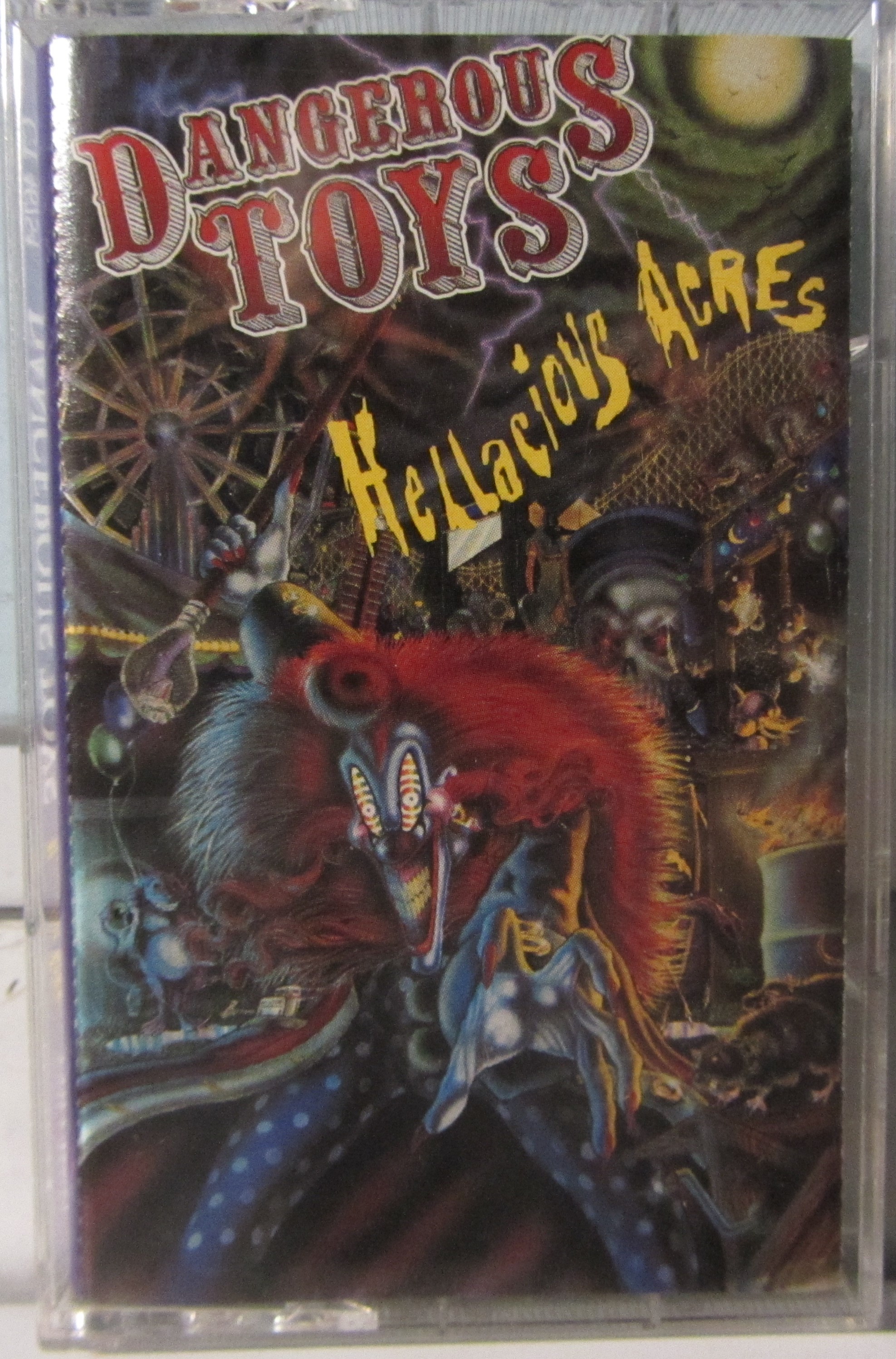
THE CASSETTE CHRONICLES – DANGEROUS TOYS’ ‘HELLACIOUS ACRES’

By JAY ROBERTS

The Cassette Chronicles is a continuing series of mini reviews and reflections on albums from the 1980’s and 1990’s. The aim of this series is to highlight both known and underappreciated albums from rock, pop and metal genres from this time period through the cassette editions of their releases. Some of the albums I have known about and loved for years, while others are new to me and were music I’ve always wanted to hear. There will be some review analysis and my own personal stories about my connection with various albums. These opinions are strictly my own and do not reflect the views of anyone else at Limelight Magazine.

DANGEROUS TOYS – HELLACIOUS ACRES (1991)

More than four years ago, I wrote an article in The Cassette Chronicles series on the self-titled debut album from Dangerous Toys. And while I loved the three hit tracks and one other song a lot, I felt most of the rest of the tracks on the album fell a bit short.

I don’t recall that I ever owned the Hellacious Acres (which is just a great album title!) when it was first released. So it didn’t surprise me when I looked at the track listing on the back cover of the cassette liner notes and discovered I didn’t automatically remember any of the songs.

Of course, that proved to be somewhat inaccurate as I listened to the album. The second song on Side One of the album is “Gimme No Lip” and given that it was released as a single and had a video made for it, I know that I had to have seen and heard it back then. I guess I’ll have to chalk it up to just not hearing it much over the years and I’d forgotten that the song was on this album.

That was the only faulty memory problem with the album however. I didn’t recall hearing any of the other songs and that’s a pretty good thing because it let me discover that Hellacious Acres had plenty of great material to offer.

Side One opened with “Gunfighter” which might conjure up some kind of Old West image in your mind. And given the mood setting style of the song’s intro, you would at first be proven right. But after that intro, the song pretty much explodes into a hard hitting rocker that is about as far away from the days of dueling in the streets as you can get. Combine the relentless pace of the music with vocalist Jason McMaster’s rapid fire vocal delivery and you have just a fantastic song on your hands.

The rest of Side One seemed to channel an underlying sense of chaos as the band would continue on their hard driving pace with songs like “Sticks & Stones” and “On Top”. The latter song is fueled by sex-drenched lyrics but it is a pretty good track all around. While the band was on fire on the side closing “Sugar, Leather & The Nail”, I didn’t quite find myself drawn to the song that much.

When Dangerous Toys slowed down the pace a little for the song “Best Of Friends”, it still had a bit of an edge to the music. The song dealt with memories of a lost friend and while it did capture that nostalgic kind of feeling, it left out much of the sappiness and kept the song from being a full-on ballad.

The second side of the album opened with the song “Angel N U”. Tempo wise, the majority of the track moved from a mid-to-up tempo kind of groove. And it wasn’t bad. But when the song blows up into an almost out of control fiery pace over the last portion of the song, it didn’t work that much for me. It felt like having a bucket of cold water thrown on you. Up until that over-the-top ending, I was enjoying the song.

When a band covers a classic track, they seem to always feel a need to do something that puts their own stamp on it. Hearing Dangerous Toys cover Bad Company’s “Feel Like Making Love” had me wondering what they were thinking. What made that song such a classic was just how perfectly constructed the song was and how the finished track sounded. But this version of the song is just BAD! The band completely overplayed the music and took any kind of charm the original had. Feel like making love? No, this cover made me feel like fast forwarding the tape.

Thankfully, the last three songs of Side Two did a solid job of redeeming those two mistakes. A video was made for the album’s second single “Line ‘Em Up”, a fast paced rocker that catches your ear pretty quickly and you ride the wave of enthusiasm the band has in their performance. You can say the same thing for “Gypsy (Black-N-Blue Valentine) which just conjures up this cool vibe when I listened to it.

The album’s closing song “Bad Guy” is an amped up rocker that leaves you both exhilarated and exhausted with how the band attacks on all fronts.

While the self-titled Dangerous Toys album may have had the “hits”, I think Hellacious Acres might just have offered more when it comes to the top-to-bottom track listing. Yes, there were some tracks that didn’t really do it for me, but for the songs I did like…just WOW! It’s the 30th anniversary of the album’s release and you’ll find Hellacious Acres is just jam-packed with fiery aggressive rock and roll that will have you rocking out hard and fast!

NOTES OF INTEREST: After not playing on the first album but being pictured on the back cover, guitarist Danny Aaron did play on Hellacious Acres. However, it would be the only Dangerous Toys release he appeared on as he left the band during the tour for this album.

With the self-titled album having enjoyed some mainstream success (it would eventually be certified gold, the disappointing sales of Hellacious Acres found the band’s record label dropping them while they were out on the Operation Rock & Roll tour with Judas Priest, Alice Cooper, Motorhead and Metal Church.

While there had been previous statements from Jason McMaster that there wouldn’t be any new music from Dangerous Toys, according to Wikipedia guitarist Scott Dalhover said in 2018 that they were working on new music. Also, in 2019 the band performed their first new music, the song “Hold Your Horses”, in 24 years. Still, there’s been no new officially released music made available. The band is still playing the occasional live show, though I imagine that like most bands they didn’t do any shows in 2020.

Keyboard wizard Rick Wakeman to perform at the Narrows Center in Fall River, MA, on Oct. 19th

By CHRISTOPHER TREACY

Caped keyboard wizard Rick Wakeman remains an unforgettable pillar of talent within rock’s progressive canon. Most know him from his runs with The Strawbs and Yes, the latter spanning some of the band’s most celebrated material, beginning with 1971’s Fragile.

But what many may not realize is the breadth of his solo career, which boasts worldwide album sales of around 50 million. His first three solo recordings all became gold records in the States. When Wakeman overcame some persistent health problems by sobering up in the mid-80s, a mind-bogglingly prolific work ethic emerged; he’s released multiple full length recordings in most years since. Among them, he’s scored multiple films, sound-tracked video games, and even recorded his own version of Phantom of the Opera. Intermittently, he’s released updated versions of his Yes material, recorded a series of collaborations with his son, Adam, and composed multiple volumes of ambient, ‘relaxation music.” He’s also written three books.

Now, after 18 months of being locked down in the UK, Wakeman returns to the States this fall with “The Even Grumpier Old Rock Star Tour,” a delayed follow-up trek to his sold out ‘Grumpy’ tour in 2019, which brings him to the Narrows Center for the Arts in Fall River, MA, next Tuesday, October 19. [Purchase tickets HERE.]

It’s a grand piano tour that provides an overview of his entire career, highlighting early session work (he played on David Bowie’s “Life On Mars,” for instance, though he apparently declined an offer to join The Spiders From Mars) and his contributions to Yes while surely touching on three recent releases: Piano Portraits (2017), Piano Odyssey (2018), and The Red Planet, (2020).  

On the eve of leaving the UK, Wakeman took time out to answer a few questions for us in his inimitable, cheeky manner. He has much to celebrate, having been appointed Commander of the Order of the British Empire (CBE) in the Queen’s annual birthday honors. In chivalrous ranking—i.e., The Order of the British Empire—it’s just below knighthood.

SUBMITTED PHOTO (COPYRIGHT UMC)

LIMELIGHT MAGAZINE (LM): Lockdown was awful and frightening in many ways, but, for those that managed to avoid illness and jarring financial consequences, it held its own kind of delight… an enforced rest, perhaps. And maybe, for intensely creative people, enforced restlessness. How did you fill your time?  

RICK WAKEMAN (RW): I found it terrible. I lost a few friends to the virus and it prevented performing, which is my great love. At 72, the last thing you need is an enforced rest! I wrote a lot, practiced a lot, screamed at the news a lot, and spent time walking with our rescue dogs who are great listeners when you’re constantly moaning about the mess the COVID virus has placed the world in… and I’m sure the dogs agreed!

LM: I imagine the Queen’s CBE honor is flattering. We don’t have anything quite the same over here, but it seems much more prestigious than an award, and it speaks to a lifetime of work rather than a particular recording or event. Can you talk a little about how that feels?

RW: It’s very flattering and genuinely came as a surprise as well.  There are four awards given twice a year. Knighthood is the highest honor, then the CBE, then the OBE and finally, the MBE. The CBE is usually given in recognition of the work you’ve done—in my case, music and broadcasting. I’m extremely proud of it. I’m a strong royalist and to have this approved by the Queen means a lot to me. I have had the honor of meeting most of the Royal Family, including the Queen… it’s wonderfully British. I wish my parents could have been alive to have seen this happen, but there’s good reason they are not, since my father would have been 107 and my mother 105!”

LM: Sometime in the 80s, Rolling Stone published a ‘rock encyclopedia’ that pegged you as a beer-swilling, meat-loving foil to Yes’s otherwise uptight vegetarianism. Is that a fairly accurate description? How did it feel to be the guy that walks in with this incredible talent and, sociologically, being the one that turns everything upside down?

RW: I remember that. Written by Cameron Crowe, if I recall correctly. Back then, when I joined on, it was probably accurate. The irony is that apart from Steve [Howe] who is a strict vegan still, the rest of the guys aren’t, and I eat very little meat at all. And whilst the others all drink alcohol, I’ve been teetotal since 1985. So, my, how things turn around!

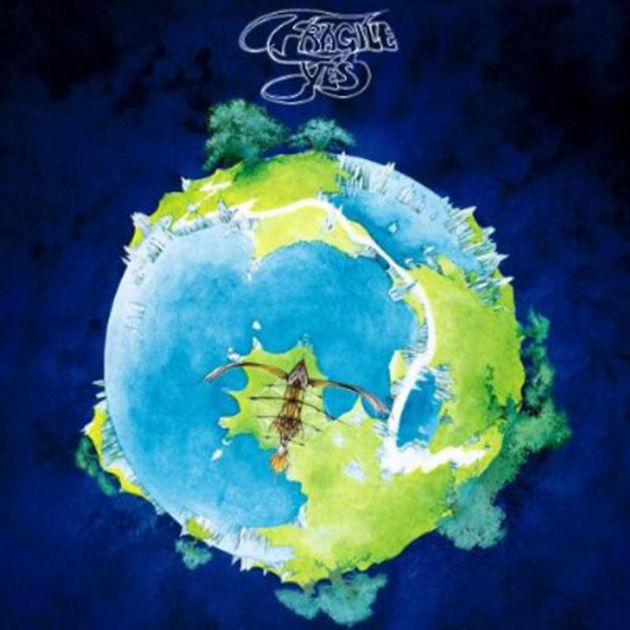
Fragile was the first album by Yes that Rick Wakeman appeared on.

LM: In contrast to that image, your showcase piece on Fragile, “Cans and Brahms” sounds a bit prim.  

RW: We decided that on Fragile, we would all have a solo piece to illustrate what our musical contributions to Yes were. I couldn’t do what I wanted because Yes had extreme publishing restrictions, which meant I had to record a piece that was already out of copyright, so I chose one of the pieces I studied for my A-level music course. 

LM: Let’s talk about the capes. You’ve continued wearing capes on stage since the early 70s. By the middle of the decade it almost seemed like some sort of prog-fashion, but what was the original impetus? Were you just having fun, or does it aid your playing in some way?

RW: I bought my first cape from a deejay introducing us on stage in Hartford, Connecticut in 1971. I had previously been described in a review as ‘looking like a demented spider’ with arms and legs stretching out to try and reach keyboards and petals. Seeing the deejay on stage wearing one, I realized it covered up everything, and so I bought it from him. Michael Tate, our lighting man, said afterwards, ‘That’s your answer, but you need a specialist making your capes.’ He them introduced me to a lovely lady in Cleveland who made all the classic capes for me. I still wear them for all the rock shows, but not the piano shows, as it’s really hard to play the piano wearing a cape! I might give it a go again, though.”

LM: The CBE honor comes at time when you’ve recently released a trio of very well received solo recordings and are touring a show that takes a macro view of your whole career. I imagine it’s been a time of reflection, so are there things that you’re most proud of? Is there something that gives you more satisfaction, looking back?

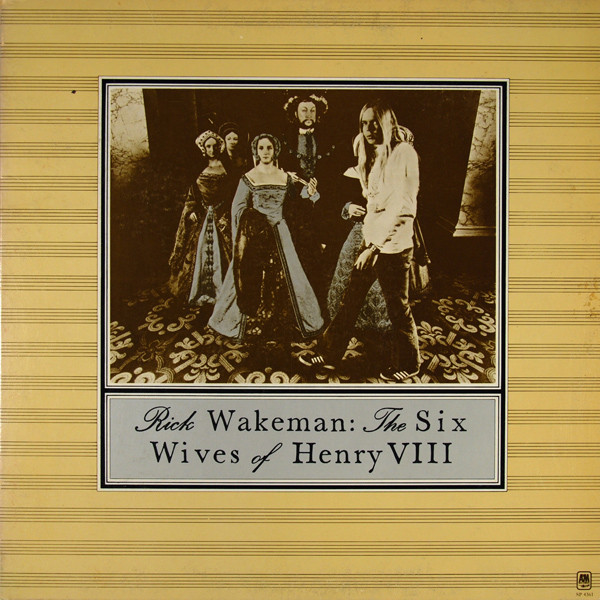
The Six Wives of Henry VIII was Rick Wakeman’s first official solo record.

RW: It’s a difficult question that I would probably answer differently on a daily basis. I’ll say this: my first solo album, The Six Wives of Henry VIII, was pivotal for me, as the head of A&M in England hated it. And the initial reviews weren’t good either. But, thankfully, the music loving public did like it and suddenly the record company and later reviewers changed their tune.

LM: Touring in 2021 is a bit different than in the 70s. In some ways it must be a better experience now, but maybe there are some things you miss? What’s your favorite aspect of being on the road nowadays that’s different from the pre-digital age?

RW: It’s very different now… better in some ways and not so much in others. Back then, so much was new. We were playing venues that had never before been used for rock concerts and sound and lights were just developing, so every day was a new adventure. Certainly, the reliability of [digitized] instruments make a huge, positive difference. And, of course, I miss being in my twenties for sure. It’s harder on the road when you’re in your seventies, but that’s mainly traveling and long days. Playing on stage will always be exciting, though, and long may that continue.”

The Narrows Center is located at 16 Anawan Street in Fall River, MA. Tickets can be purchased online by clicking HERE or by calling the box office at 508-324-1926. Box office hours areThursday through Saturday, noon to 5 p.m. and during show times.

THE CASSETTE CHRONICLES – CULTURE CLUB’S ‘COLOUR BY NUMBERS’

By JAY ROBERTS

The Cassette Chronicles is a continuing series of mini reviews and reflections on albums from the 1980’s and 1990’s. The aim of this series is to highlight both known and underappreciated albums from rock, pop and metal genres from this time period through the cassette editions of their releases. Some of the albums I have known about and loved for years, while others are new to me and were music I’ve always wanted to hear. There will be some review analysis and my own personal stories about my connection with various albums. These opinions are strictly my own and do not reflect the views of anyone else at Limelight Magazine.

CULTURE CLUB – COLOUR BY NUMBERS (1983)

First off let me just type the following: guitarist Roy Hay, bassist Mike Craig and drummer Jon Moss. It might seem a strange way to start off an article about Culture Club’s smash hit second album Colour By Numbers, but I think it is worth mentioning the three members of the band who aren’t Boy George. Let’s face it, when it comes to Culture Club, despite the heavy contributions to the songwriting and the actual playing of the music, it is no great statement of fact that Hay, Craig and Moss are deeply overshadowed by the monolithic figure Boy George became in the early and mid-1980’s.

When this album was released in 1983, I was still thoroughly mixed up in my love of all things Top 40 pop music. Sunday mornings were given over to Casey Kasem’s American Top 40 countdown radio show and I had my big notebook full of week-to-week listings of each week’s chart.

And I have no problem admitting that I loved the song “Karma Chameleon”. That song still has to be seen even to this day as the group’s signature hit song. The funny thing thought is that despite loving the song and the other singles from the album, I never bought Colour By Numbers at the time. I can’t remember my reasoning for that but it never found its way into my collection until I started buying cassettes for this series.

While listening to the album, I was quickly reminded of the four hit singles. But when I first pulled the cassette out of the box, I took a quick peak at the track listing and I really only recognized two of the songs. Besides “Karma Chameleon” (which leads off the first side of the album and rose to #1), the song “Church Of The Poison Mind” (which was a Top 10 hit) is the only other song I remembered solely from the title. I find that strange for me because the song “Miss Me Blind” was a Top 5 single and “It’s A Miracle” peaked at #13. However, I don’t think either of those songs really gets much airplay on the safe for work radio station that I listen to at my job and so they seemingly faded just a bit from my memory. But as soon as they started playing on my cassette, I remembered them quite well.

For “Church Of The Poisoned Mind”, I loved the raucously upbeat tempo of the song. For “Miss Me Blind”, the fast pace and the overall construction of the song made me enjoy it. Both of those tracks are on the album’s second side. “Karma Chameleon” and “It’s A Miracle” are the two lead tracks on Side One and both are fast moving numbers as well.

As for the rest of the “album tracks” on Side One, I thought the ballad “Black Money” and “Changing Every Day” were okay. Nothing to really write home about but certainly not a drag on the album either. But the last track on Side One is a piano-centric track called “That’s The Way (I’m Only Trying To Help You)” was phenomenal! As I said, I’d never heard the remaining six songs that weren’t singles in the US before now, so this was a big surprising discovery for me. If I’m not mistaken, pretty much the entire musical soundtrack for the song came from the piano (performed by Roy Hay, if the online material is correct). But the vocal performance from Boy George and I’m assuming Helen Terry (the only female musician credited in the liner notes) was so impressive.

And that’s the thing, isn’t it? For all the handwringing that Boy George’s image brought from everyone that wasn’t the music’s target audience, he had one hell of a voice for the band’s material. I know that British new wave pop music isn’t exactly what most people would expect me to be writing about but I did quite enjoy getting to focus not only  on the music of Culture Club but hearing the breadth of Boy George’s singing was kind of impressive to me.

After Side Two of Colour By Numbers opened with the two songs that would become big singles, the remaining songs didn’t quite capture my imagination like Side One did. “Mister Man” and “Stormkeeper” trod the mid-tempo road but each song kind of just fell flat. My more metal music outlook couldn’t help see the song title “Stormkeeper” and think of it being some kind of dark and intense rocker. Yep, you guessed it, that couldn’t be further from the truth if it tried.

The closing song “Victims” was never released as a single in the US but the ballad did get released that way in both the UK and Australia. However, I can understand why a US release didn’t happen. It is just a flat out pedestrian at best song. Without couching my opinion, I didn’t really like it at all.

That said, I do have to admit that as I finally got to listen to Colour By Numbers for the first time,  I was surprised at just how much I liked most of the album. By the time this article is published, it will be just three days short of 38 years since the release of this benchmark Culture Club album. I think that any pop music fan would do well to avail themselves of the anniversary to take the opportunity and give Colour By Numbers a new listen. You just might be surprised to discover that it still holds up remarkably well all these decades later.

NOTES OF INTEREST: The Colour By Numbers album has sold more than 10 million copies since it was first released, including more than 4 million in the US. It peaked at #2 on the Billboard albums chart, stuck behind Michael Jackson’s Thriller album.

When the album was reissued in 2003 it came with five additional bonus tracks.

Singer Helen Terry performs backing and/or accompanying vocals on five Colour By Number tracks. She had a Top 10 hit of her own in 1984 called “Love Lies Lost” and released the album Blue Notes in 1986. She would go on to become the executive producer of the BRIT Awards TV show.

My cassette copy of Colour By Numbers just barely made it through the listening process, so I’m likely to find myself upgrading to a CD copy of the album at the earliest opportunity.

Gary Cherone’s SlipKid to celebrate music of The Who in New Bedford, MA

If you are a fan of The Who, you won’t want to miss Gary Cherone’s SlipKid: A Celebration of The Who at the Vault Music Hall in New Bedford, MA, on Saturday, February 12, 2022. It is the popular tribute band’s first appearance in southeastern Massachusetts. Local rock trio Johnny Barnes and The Nightcrawlers open the show. This concert is presented by JKB Entertainment Group. Purchase tickets HERE.

Gary Cherone, lead singer of Extreme (and formerly Van Halen), has joined together with his brother Mark to take you on an Amazing Musical Journey through the power and passion of The Who live. The band was formed to not impersonate The Who but rather deliver the music and the experience of The Who from every era. As the band puts it, “it’s a celebration, not an imitation.” The combined backgrounds and passion of the musicians in SlipKid make for a powerful, memorable rock show – they do The Who justice for sure. Get your tickets and “join together with the band!”

The Vault is located at 791 Purchase Street in New Bedford, MA. The venue is set within a former bank building featuring original vault doors and a truly historic feel. Patrons have raved about the superior acoustics and intimate setting.

MUST BE 21 or OLDER with Valid ID for Entry.

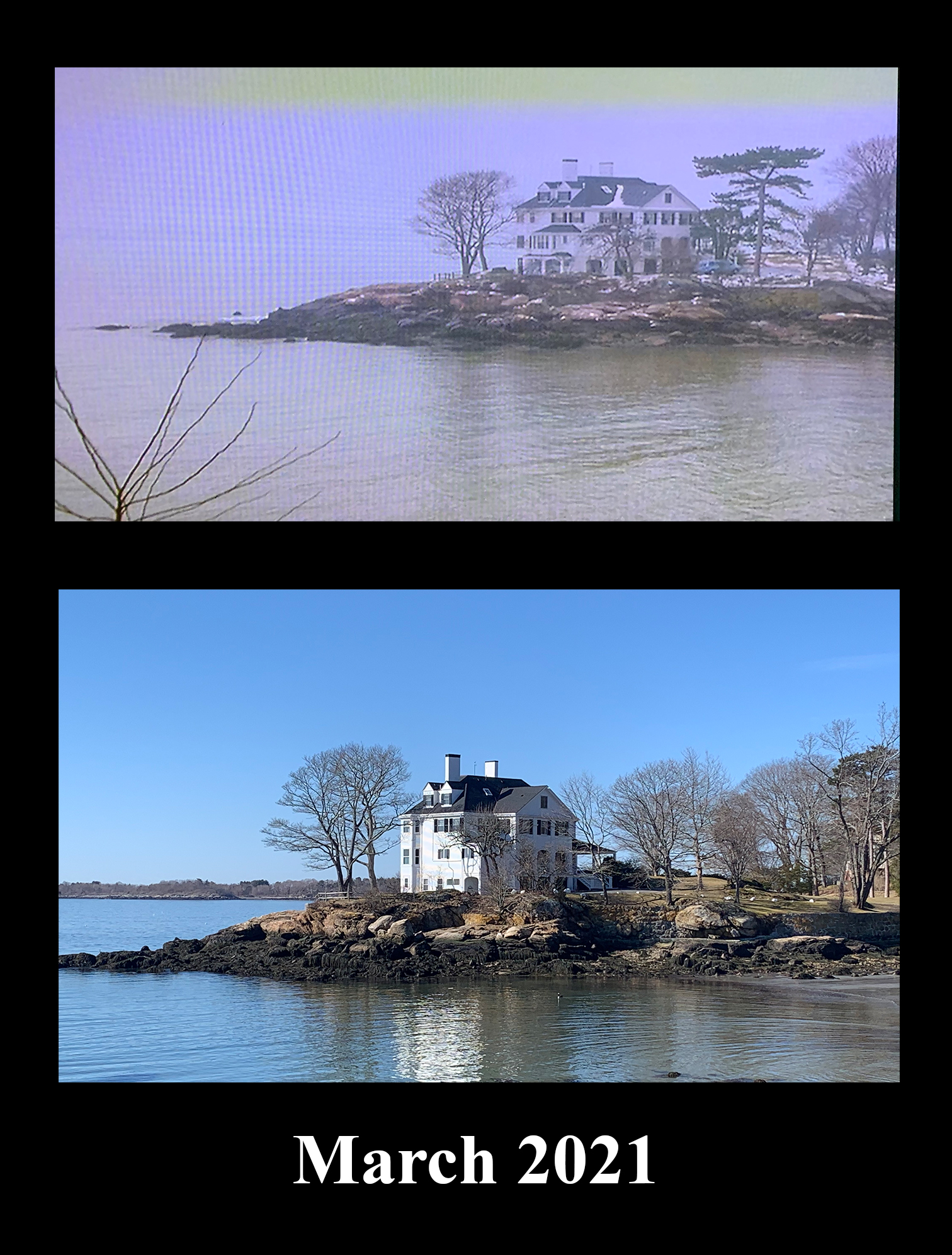
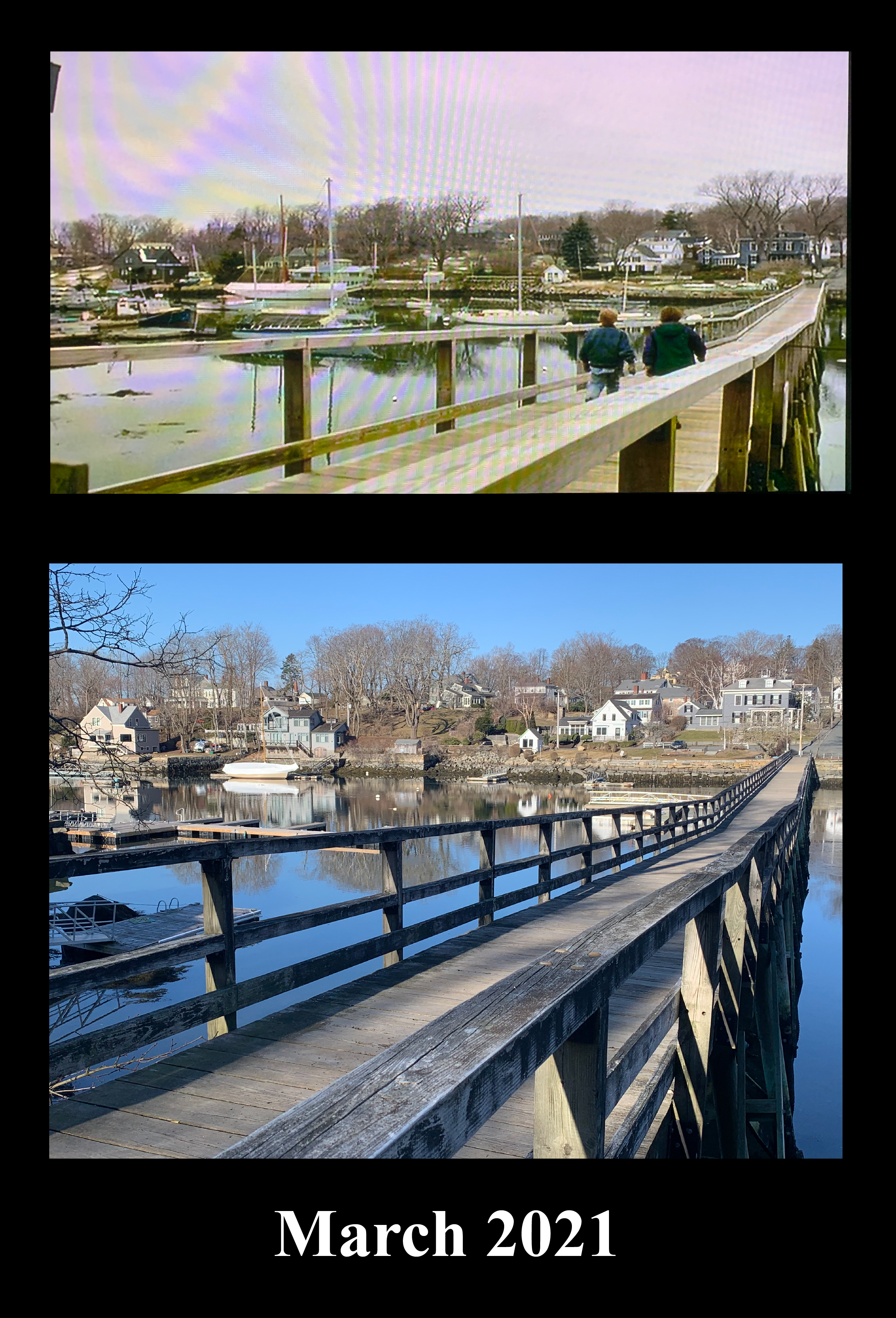
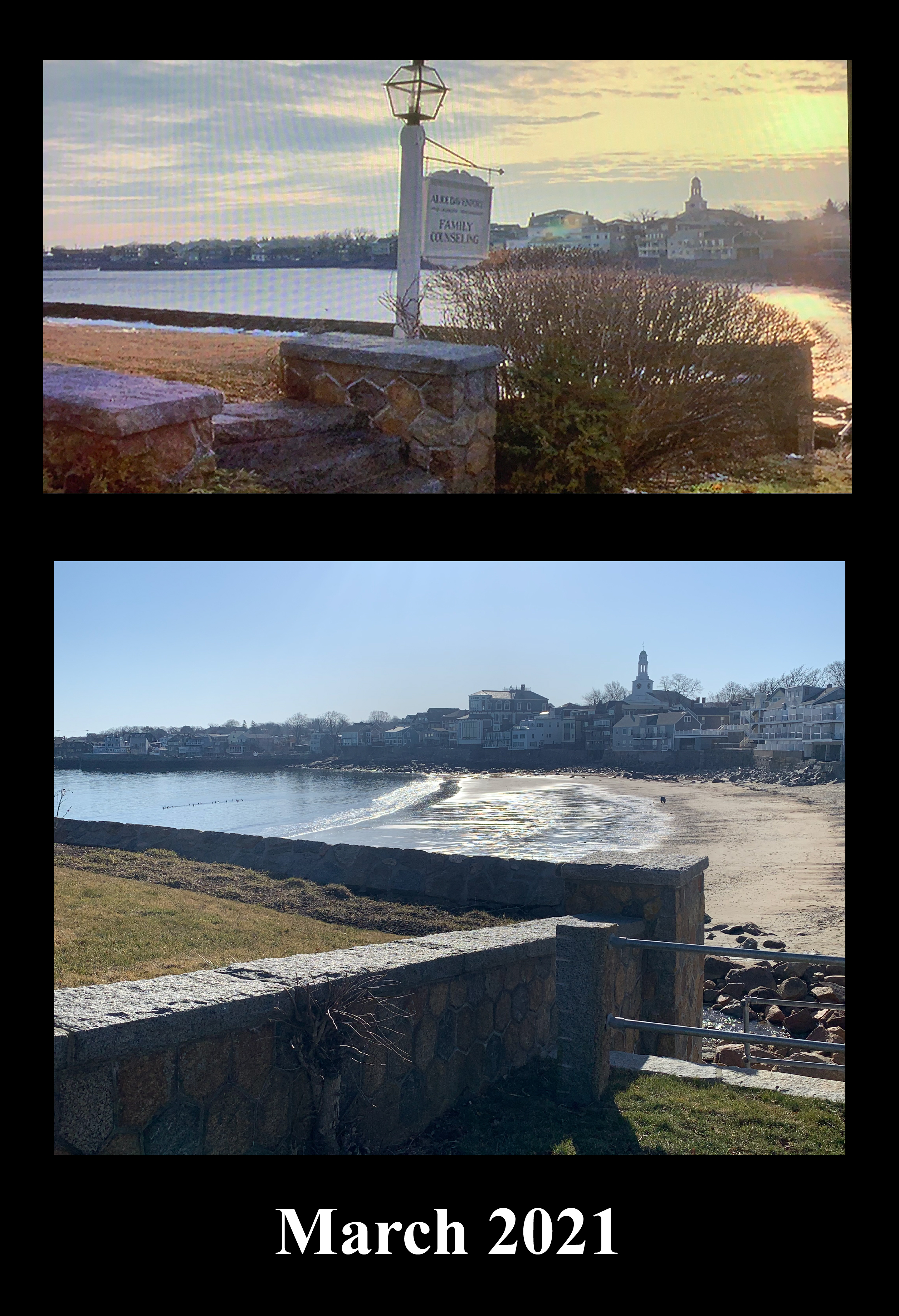
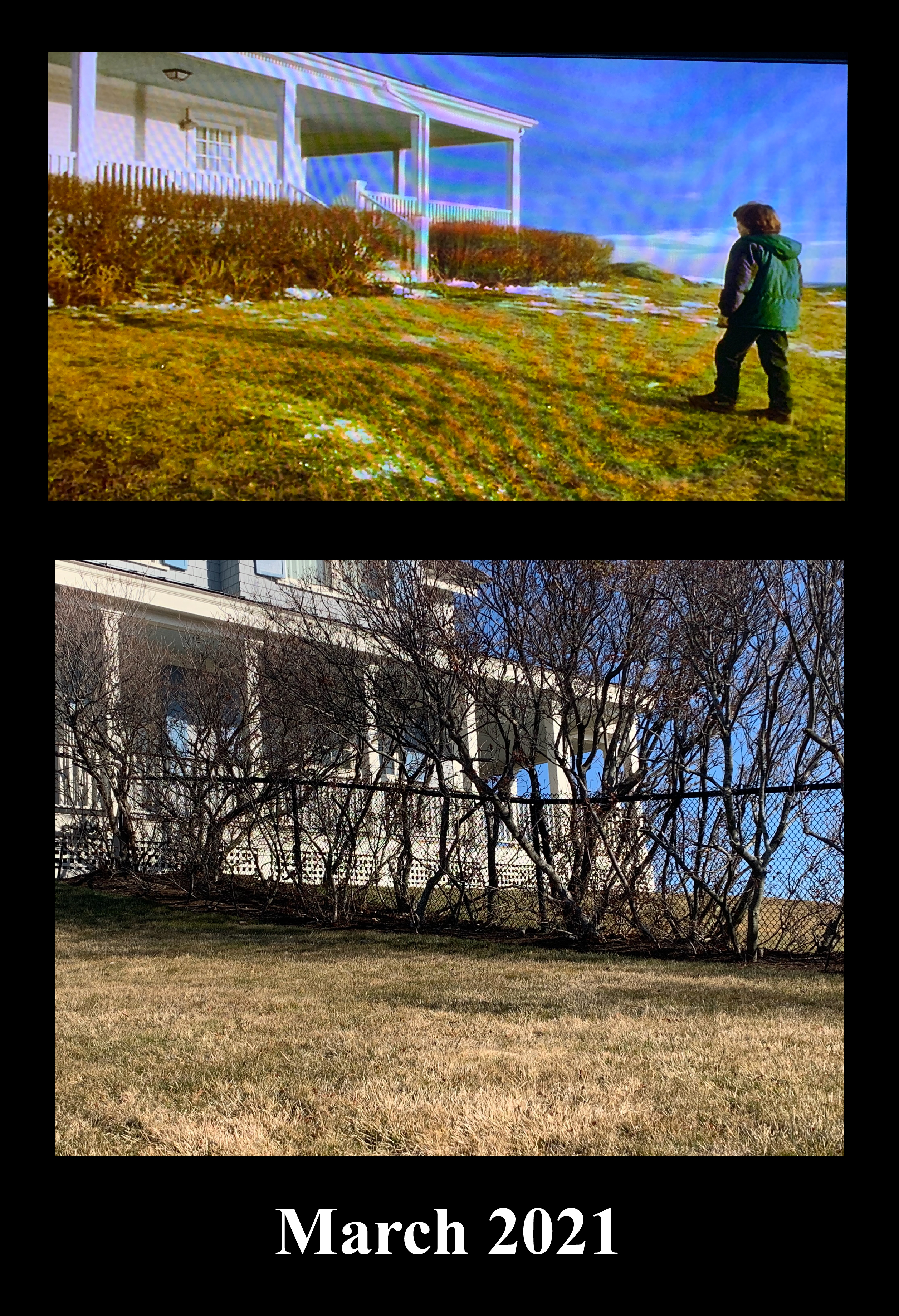
FILMING LOCATION SPOTLIGHT – “THE GOOD SON” (1993)

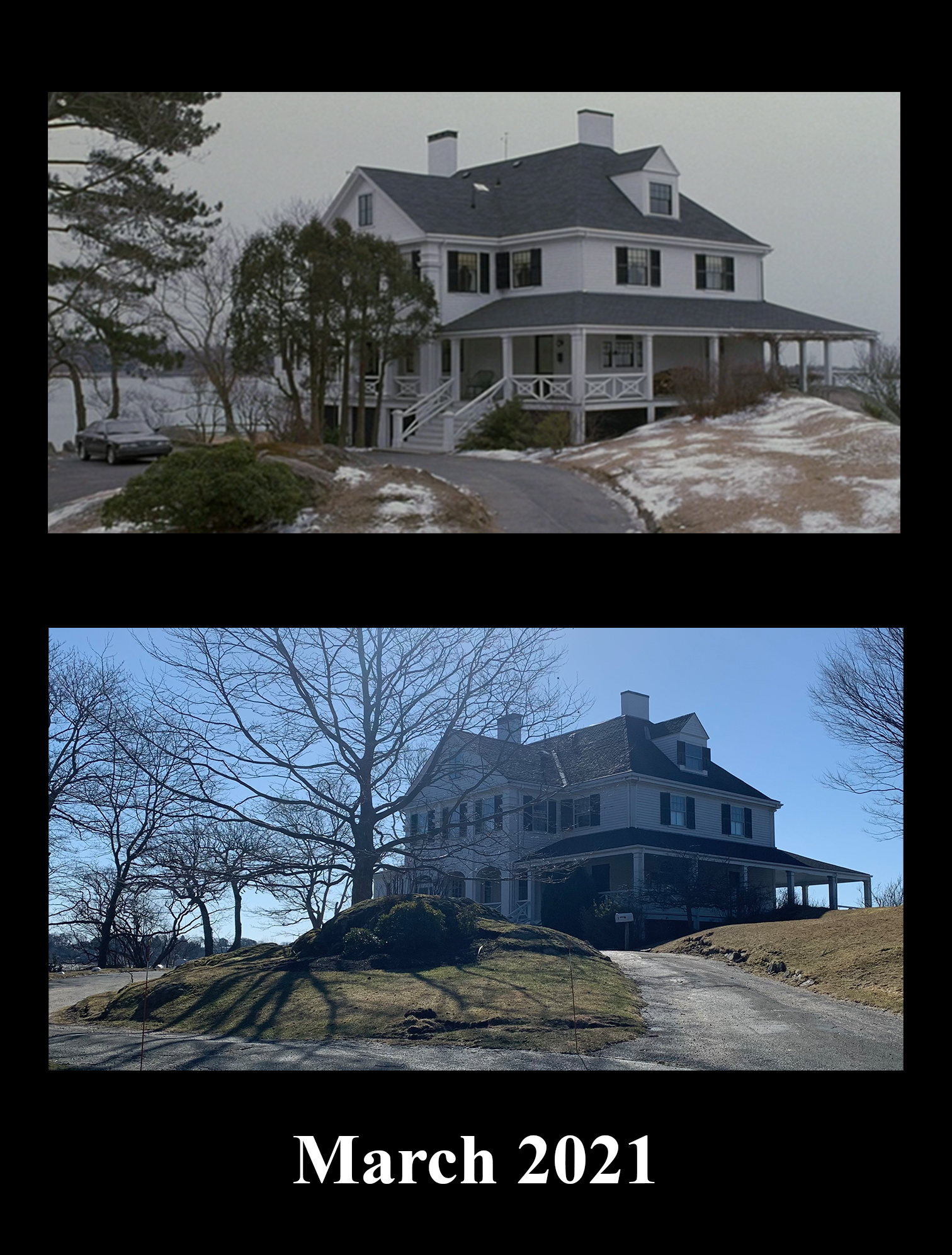
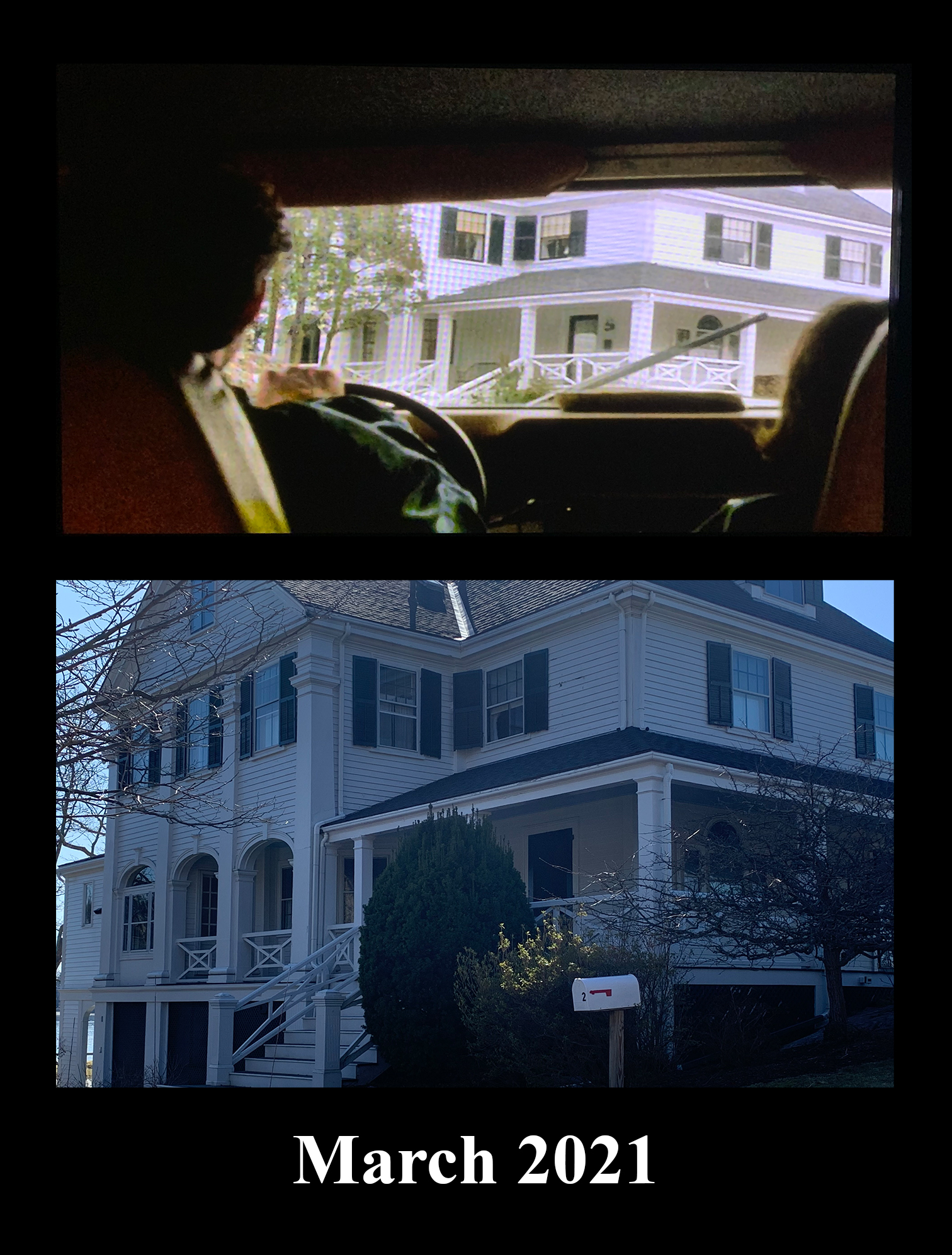
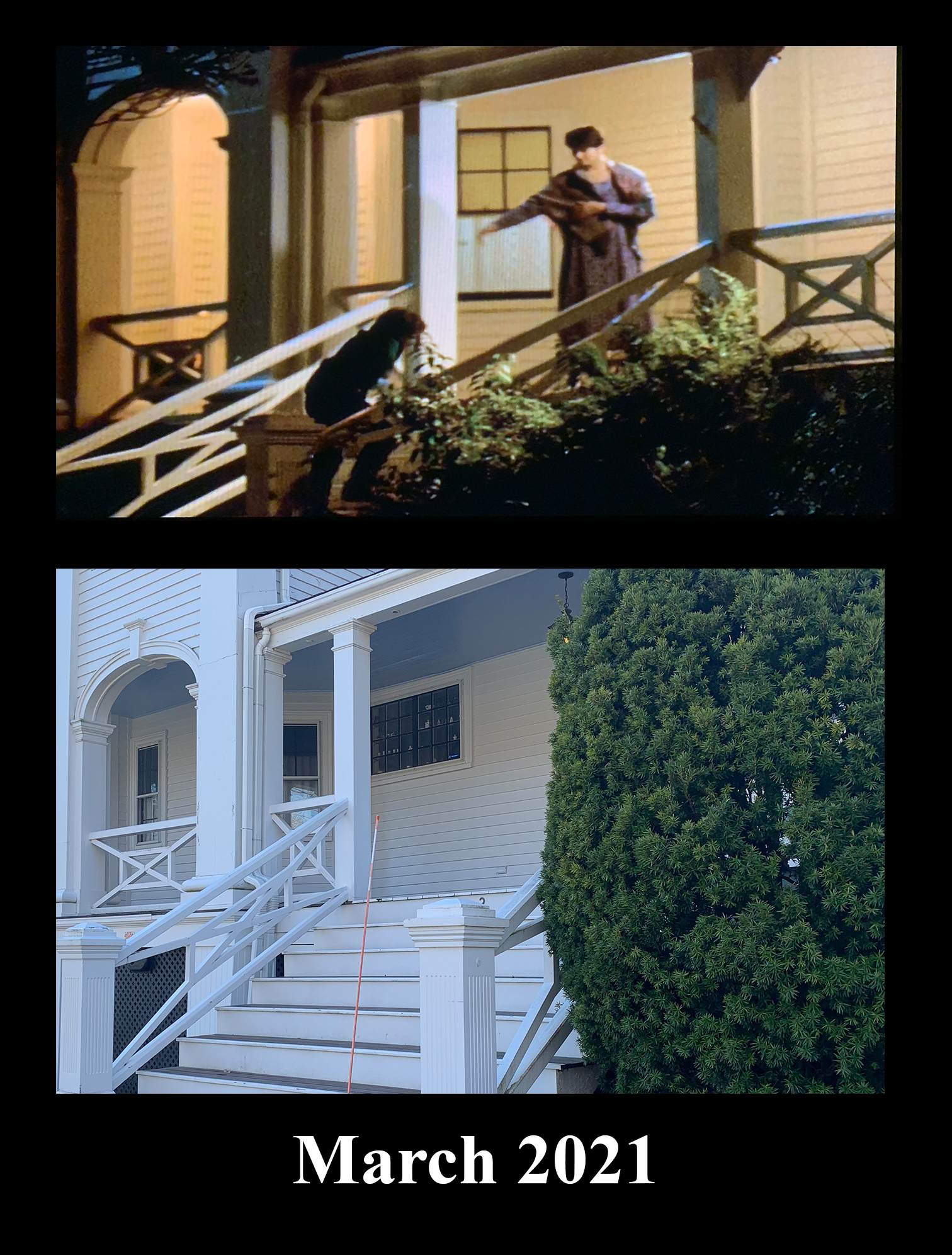
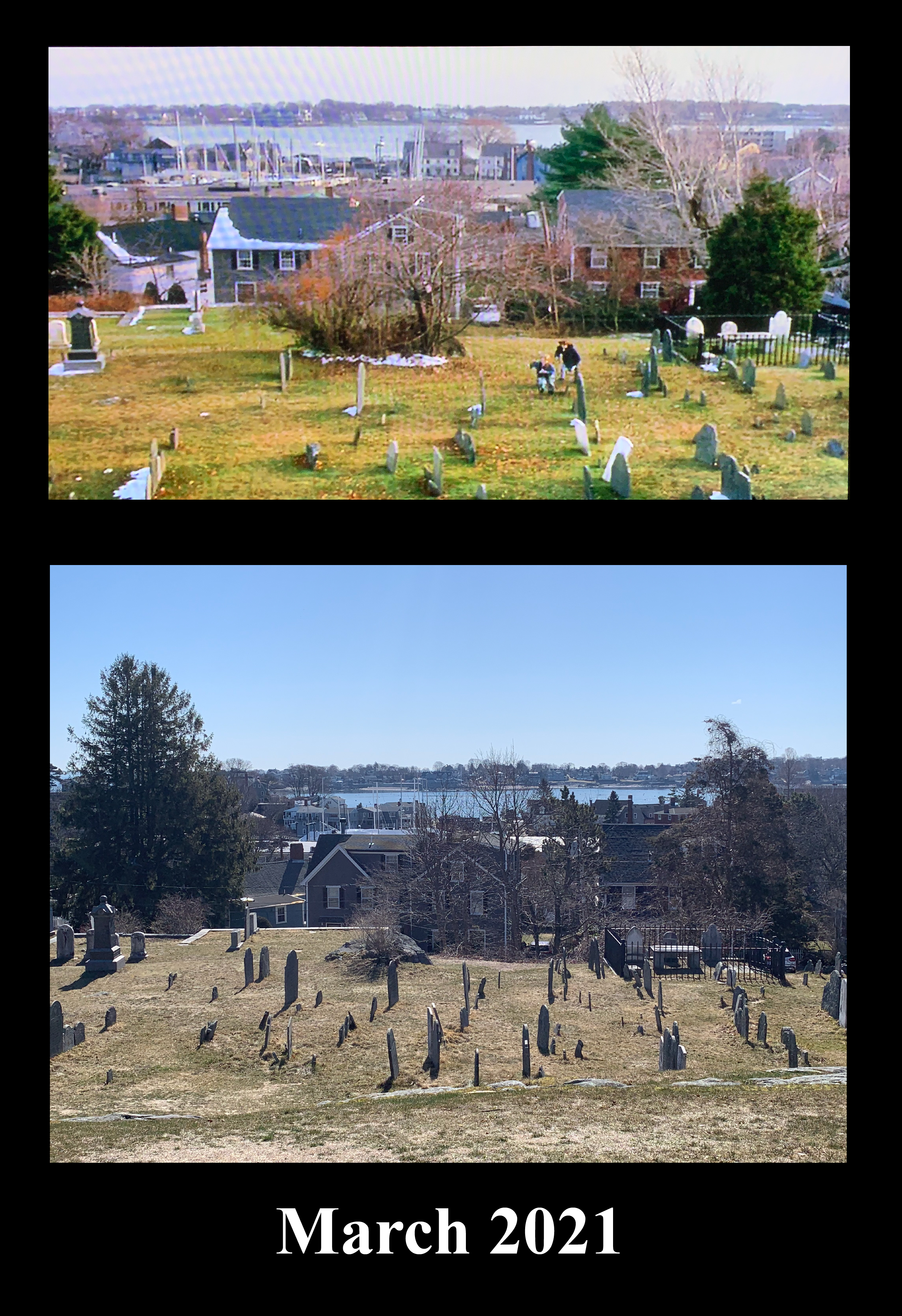
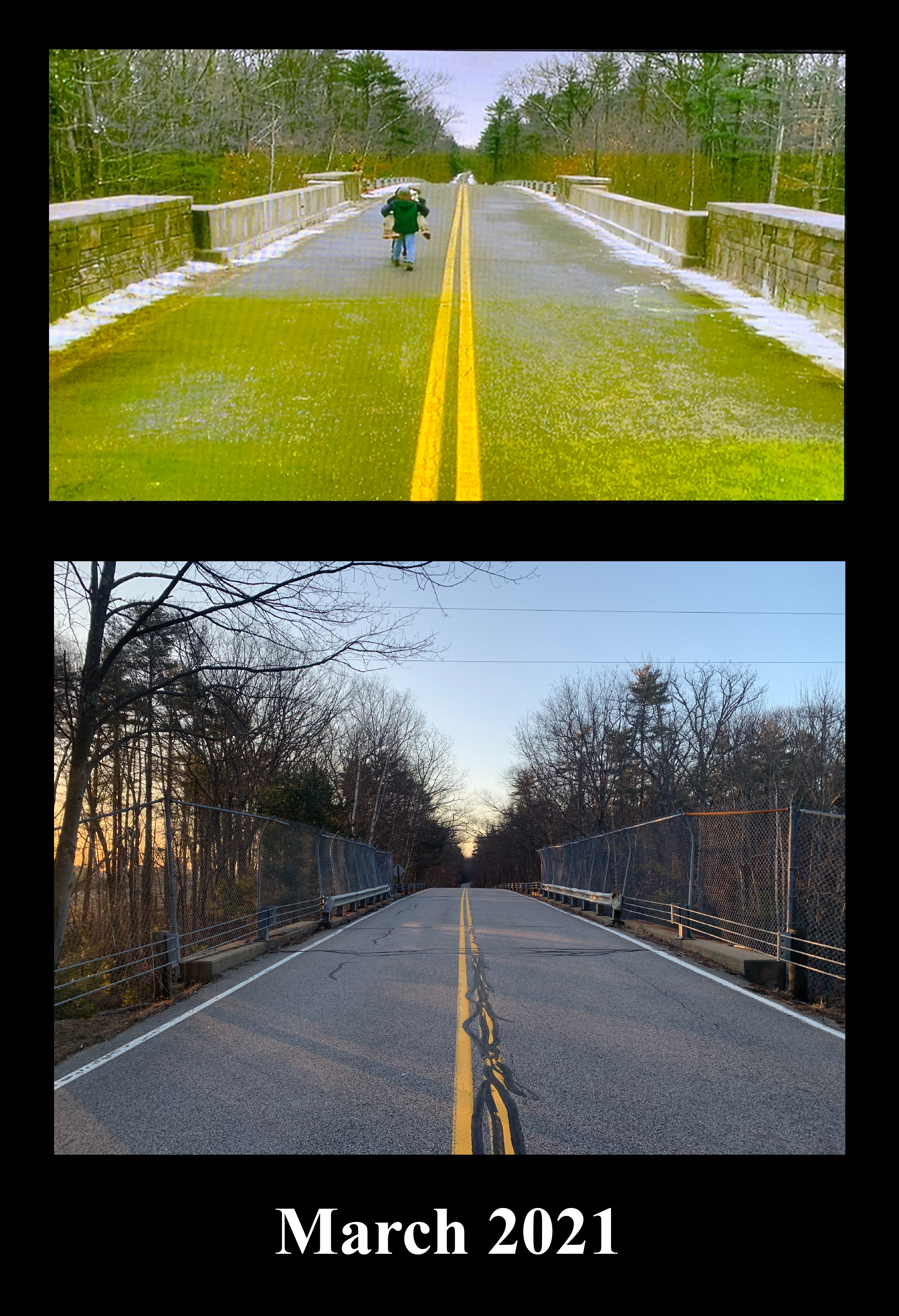
On the final Friday of every month in 2021, Limelight Magazine spotlights the filming location site(s) we visited for some of our favorite (and not so favorite) films and TV shows. Today we spotlight several of the filming locations for the movie The Good Son, which was directed by Joseph Ruben. The film was released on this day in 1993. The top photo is a screen shot taken from the film while the photo underneath it is what the location looks like when I visited in March 2021. These photos were taken in Gloucester, Manchester, Marblehead, and Rockport, MA, and Newington, NH.

THE CASSETTE CHRONICLES – PRETTY BOY FLOYD’S ‘LEATHER BOYZ WITH ELECTRIC TOYZ”

By JAY ROBERTS

The Cassette Chronicles is a continuing series of mini reviews and reflections on albums from the 1980’s and 1990’s. The aim of this series is to highlight both known and underappreciated albums from rock, pop and metal genres from this time period through the cassette editions of their releases. Some of the albums I have known about and loved for years, while others are new to me and were music I’ve always wanted to hear. There will be some review analysis and my own personal stories about my connection with various albums. These opinions are strictly my own and do not reflect the views of anyone else at Limelight Magazine.

PRETTY BOY FLOYD – LEATHER BOYZ WITH ELECTRIC TOYZ (1989)

I must admit that while I’ve been aware of Pretty Boy Floyd since they first appeared on the music scene, I can’t really say I’ve got any great memory of their music. When I pulled the Leather Boyz With Electric Toyz cassette out of The Big Box of Cassettes, it marked the first time I’d ever sat down to listen to any of the band’s albums. Maybe I’d seen one of their videos on Headbanger’s Ball back in the day or heard a track on Dee Snider’s House of Hair radio show but the band just never made an impression on me.

So when I listened to this debut album from the band, I was surprised to find myself enjoying the album…a lot! Released in 1989, it has all the earmarks that you’d expect to find from a glam band of the era. Singer Steve “Sex” Summers, guitarist Kristy “Krash” Majors, bassist Vinnie Chas and drummer Kari “The Mouth” Kane have a big brassy sound, plenty of fast paced rocking tracks and the requisite power ballad. And they certainly had plenty of that “glam metal” look and style.

As far as the fast paced rocking tracks go, the band wastes no time in putting on a fiery display of bold guitar-led rock and roll. The first side of the album opens with the title track which quickly captures your ear with a catchy vibe musically and one big earworm of a chorus. The lyrics seem plenty self-referential which is a theme that shows up on a few other tracks as the album played through. I can’t rightly recall if this particular style of lyric writing was heavily predominant in 1989 or not but it did seem to work well for the band here.

The first of the two singles (with accompanying videos) that were released from the album was the song “Rock & Roll (Is Gonna Set The Night On Fire)” and it is another fast moving track that set you back on your heels a bit with its relentless pacing.

I wasn’t that crazy about the song “Wild Angels” though. It’s a slow to midtempo power ballad track that just felt a little weak to me. It wasn’t absymal as some ballads of the era were or have become over time but my notes on the song were “Eh…ok” so I’d say this would be the skip track of the album for me.

The remaining two songs on the first side of the album were pretty good though. “48 Hours” an ode to rocking out on the weekend was pretty good and Pretty Boy Floyd’s cover of the 1981 Motley Crue song “Toast Of The Town” was a nicely done remake.

When the second side of the album is played, you get five straight songs that gives Leather Boyz With Electric Toyz that much more of a memorable edge. “Rock And Roll Outlaws” and “The Last Kiss” are straight forward rockers that will get you pumping your fists like a madman.

The band’s second single was, unsurprisingly for the times, the power ballad “I Wanna Be With Me”. But what did surprise me about the song is how the balance between the slower pacing of the main verses and the big bold harder rocking chorus was handled perfectly. It was a really decent track. I will say that using the song to close the album was strange but still a good song is a good song no matter where it places in the running order.

The song “Your Mama Won’t Know” is an over-the-top burner of a track. While the character embodied by Summers in the vocals is trying to talk what I can only assume is some girl into “fooling around”, the rest of the band puts on an incredibly razor sharp and blitzing musical onslaught.

The surprise track of the second side of the album for me was “Only The Young”. No, this is not a cover of the Journey track of the same name. What got me was the way the song starts out as more of a ballad. And not a particularly interesting one. I was THIS CLOSE to kind of tuning out. But then the song suddenly burst out into a full bore rocker and the song got a lot better. In the end, despite that stiff start, I quite enjoyed the song.

The Leather Boyz With Electric Toyz turned out to be a lot less successful than anyone involved with the creation and release of the album had to be hoping for. It peaked at #130 on the Billboard album chart in 1989. However, what I found (however long delayed) was that whatever the album and band lacked in terms of sales, the music was highly entertaining and definitely worthy of giving it another listen if you haven’t checked out the first Pretty Boy Floyd album in a while.

NOTES OF INTEREST: Pretty Boy Floyd broke up in 1991 but they’ve gotten back together a couple of times and are still active (with a host of lineup changes) today. Original bassist Vinnie Chas passed away in 2010.

Leather Boyz With Electric Toyz was the first of three full-length studio albums from Pretty Boy Floyd. Size Really Does Matter came out in 2004 and Public Enemies was released in 2017. There has been one EP and two live releases as well.

The 2003 reissue of Leather Boyz With Electric Toyz came with 5 bonus tracks. A second reissue came  in 2011 which had a cover of the Alice Cooper song “Department Of Youth” included. Cooper is one of four artists thanked in the original liner notes.