THE CASSETTE CHRONICLES – METAL CHURCH’S ‘BLESSING IN DISGUISE’

By JAY ROBERTS

The Cassette Chronicles is a continuing series of mini reviews and reflections on albums from the 1980’s and 1990’s. The aim of this series is to highlight both known and underappreciated albums from rock, pop and metal genres from this time period through the cassette editions of their releases. Some of the albums I have known about and loved for years, while others are new to me and were music I’ve always wanted to hear. There will be some review analysis and my own personal stories about my connection with various albums. These opinions are strictly my own and do not reflect the views of anyone else at Limelight Magazine.
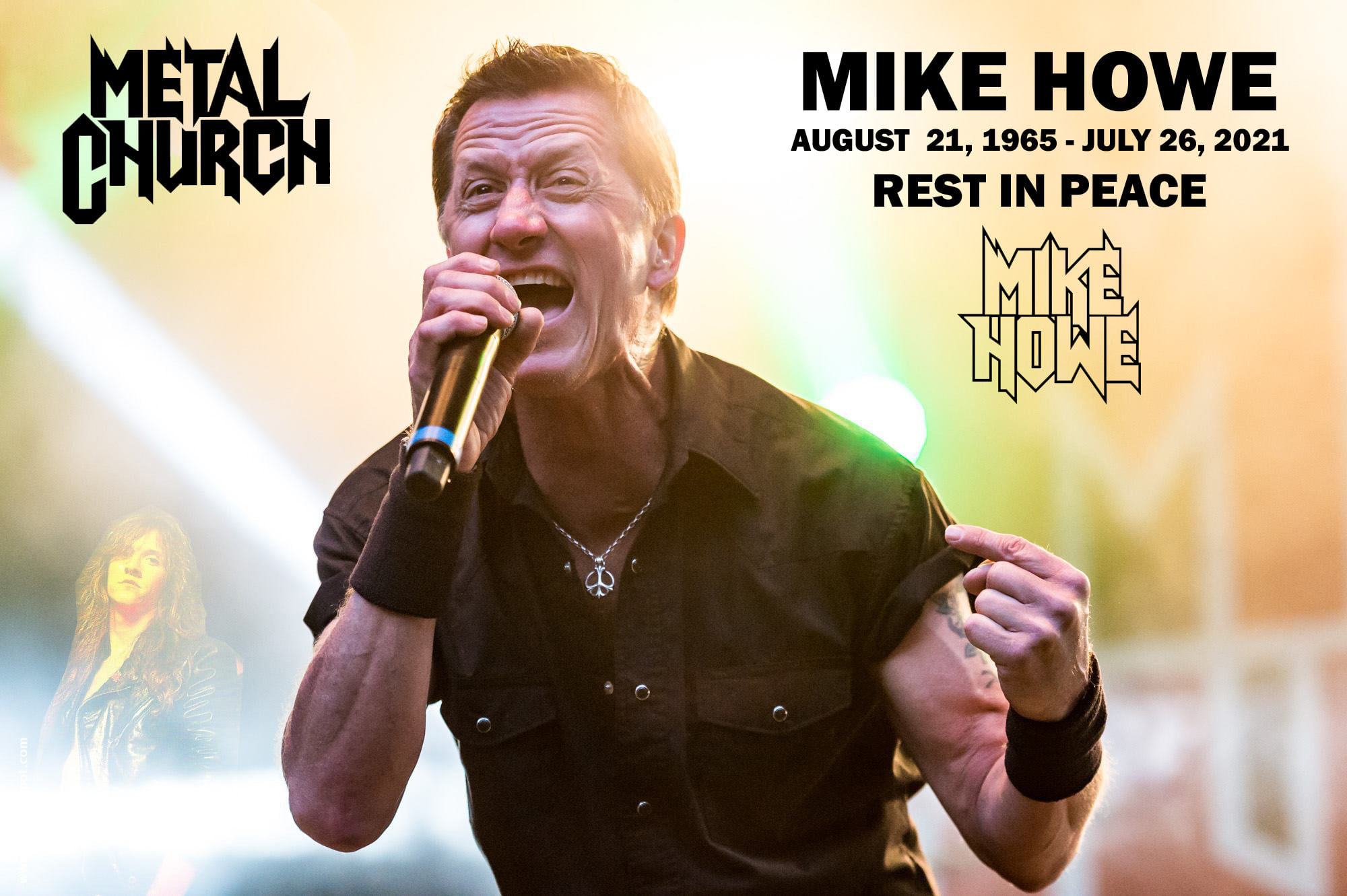
Photo shared from Rat Pak Records Facebook page dated July 27 at 10:30 AM.

METAL CHURCH – BLESSING IN DISGUISE (1989)

At the time this article is published it will be a little over two weeks since the sudden and shocking death of Metal Church singer Mike Howe. He passed away on July 26th, 2021, and when I woke up the next morning to learn of that news, I couldn’t help but feel personally devastated. After the cause of death was reported as a suicide, it felt like being hit by a double whammy. I’ve tried to come up with some sort of understanding about what could possibly have been going on with Mike Howe that would lead him to this decision. But I really haven’t found the right way to string words together for this article. Platitudes are terrible because it is just another word for “cliches”. And the five stages of grief might account for some of the ideas I had wanted to work into this introduction, but expressing “denial, anger, bargaining, depression and acceptance” seems a bit hackneyed from someone who didn’t really know the man outside of what I saw as a fan of his work with Metal Church.

While it may seem strange to be that affected by the death of someone I didn’t ACTUALLY know, the fact that I am such a huge fan of both the band as a whole and of Mike Howe’s work with them, left me spending the day after his death in somewhat of a haze. I broke out all the albums he made with Metal Church and played them in a musical tribute to his passing. But it didn’t feel like it was enough.

So I decided to do another Cassette Chronicles article on a Metal Church album as a way of paying a somewhat longer tribute to Mike Howe. I’d written about the Hanging In The Balance album back in April 2020. That was the third album the band recorded with Mike Howe as frontman and featured one of my all-time favorite tracks, “The Conductor”.

But for this article, I decided to take a look back at Blessing In Disguise, the first album from Metal Church to feature Mike Howe as their singer. But this won’t be just a look back at the album, I wanted to share a couple of stories so after each side of the album, that’s what I’m going to do.

Before talking about Side One of Blessing In Disguise, I should mention that when I looked the album up online, I was surprised to learn that it got mixed reviews upon release. The reason this blew me away is because I remember thinking it was a fantastic album through and through from the very first time I heard the album.

The funny thing about that is that I didn’t get the album when it was first released. Back in 1989, it wasn’t like we had the instantaneous news announcements like we do now. I didn’t even know the album was coming out until I saw the video for the song “Badlands” on MTV’s Headbanger’s Ball. But who was this new singer they had? With that mane of long blonde hair and a powerfully dynamic and ballsy vocal style, Mike Howe made an immediate impression with me. As for the “Badlands” song, I’ll talk more about that a little later.

I will say that seeing the video for the song prompted me to go out and buy the album as soon as I could. When I got the album (the cassette I listened to for this article is that very same one I bought three decades ago), I popped it in and the first thing I heard was the big booming drum fueled intro to the song “Fake Healer”. I was immediately hooked by the song, a venomously heavy track that takes the hypocrisy of the business of healthcare to task in such an on point way that it is still relevant to this day. The song is one of the two best known tracks (the other being “Badlands”) from the Blessing In Disguise album.

Since Metal Church is not glam metal by any stretch of the imagination, there aren’t a whole lot of songs about babes, booze, and partying. Instead, a lot of their songs touch on hot button topics like with “Fake Healer” or in the case of “Rest In Pieces (April 15, 1912”), a hard-hitting account of the night the Titanic sank. Iron Maiden is likely the preeminent band to touch on a lot of historical subjects in their work but Metal Church sure does themselves proud with this track.

While guitarist Kurdt Vanderhoof had left the active lineup of the band, he was very involved in the songwriting for Blessing In Disguise. Vanderhoof’s replacement in the lineup, John Marshall acquitted himself nicely with the four songs he co-wrote, as did guitarist Craig Wells. I was pretty blown away with the lyrics Marshall wrote for “Of Unsound Mind” which is based off of the Edgar Allen Poe story “A Tell-Tale Heart”. The song is a fast paced blitzkrieg with a killer vibe and you feel like you are right there, hearing that heartbeat you shouldn’t be able to as the band rockets through the track.

The closing song on Side One is called “Anthem To The Estranged” and at the time of the album’s original release, it was the longest track the band had ever recorded. Well over nine minutes in length, the song kicks off with a spare acoustic guitar accompanying Mike Howe’s vocals. It’s a very slow moving track for the first two minutes or so but then the song’s sonic palette expands and gets a heavier intensity to it as it builds its thematic elements to a cinematic level. The tempo switches back and forth between the softer and heavier side of the musical equation and by the time it finishes, you have one classically epic song on your hands.

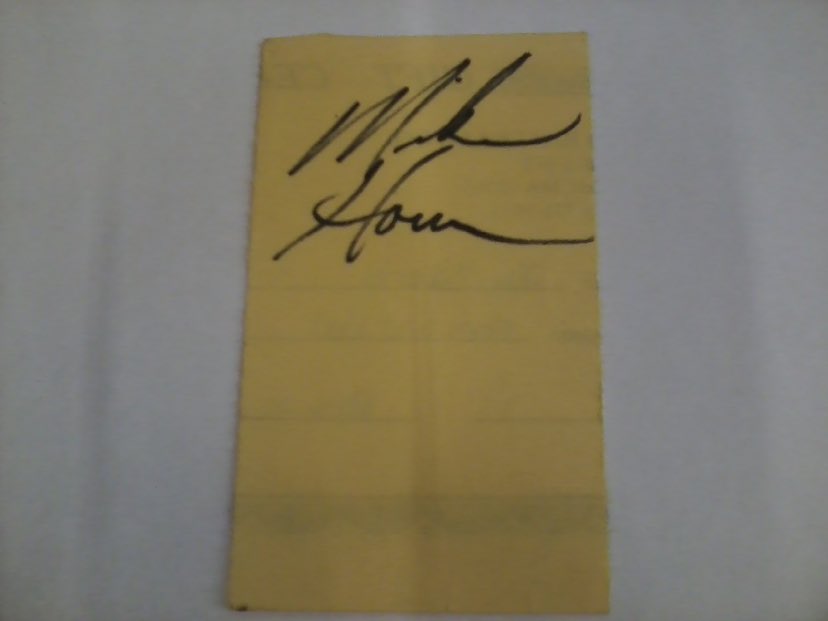
And that’s Side One for you. Now, I wanted to take a moment and talk about the first time I got to see Metal Church in concert. It was in 1989 in Boston and they were the opening act on W.A.S.P.’s tour for their Headless Children album. With Accept as the middle act, this was a triple bill I was very excited to see. While the show had been originally scheduled for The Orpheum Theater, it got moved to The Citi Club which shared Landsdowne Street with Fenway Park. I enjoyed the hell out of the show as all three bands were excellent to the best of my recollection. But what really made it great was before the show when I (along with my friends that I went to the show with) got to meet Metal Church. Well, four of the five guys anyway. Since this was only the second time I’d met some of my metal “heroes”, I didn’t actually have an album on me at the show. But I had some kind of paper in my wallet and along with bassist Duke Erickson, drummer Kirk Arrington and Craig Wells, I got to meet Mike Howe! The guy who filled that desolate and barren desert with his distinctive vocal tones in the video for “Badlands” was right there in front of me signing autographs and chatting with fans before the show. And what was my first impression? “Damn, he seems so tiny!” Seriously, that’s what I thought, embarrassingly enough.

But when I got to meet him, he was pretty cool. I mean, it was a brief interaction in the wild and woolly 1980’s Metal Years but he took the time to make even the briefest connection while signing my goofy piece of paper, which you can see I still have by the photo below.
As for the second side of Blessing In Disguise, it opens with “Badlands” and I swear no matter how many times I hear the song, I still get an electrostatic charge when that intro begins to play. It’s a flat out great song!

The rest of the second side is pretty amped up as well. The instrumental “It’s A Secret” is an adrenaline packed and hard-hitting number that takes your breath away with its unbridled ferocity. While I don’t consider myself a huge fan of instrumental music, I always find myself blown away when a band does an instrumental piece that makes me want to hear it over and over again.

On “The Spell Can’t Be Broken” the band lays down a brutal heaviness and infuses it with a amplied sense of speed at the same time. It’s a perfect blending of the two styles and makes the song an underrated gem.

The song “Cannot Tell A Lie” is an explosive sonic attack against the empty promises politicians make time and time again. Mike Howe delivers a blisteringly intense vocal performance with a furious growl in his vocals. The pacing is so fast that when the song ends you feel like you’ve been richocheting around the room the whole time.

The album closing “The Powers That Be” moves just as fast but there’s a slight bit of restraint in comparison to the speed driven attack of “Cannot Tell A Lie”, it allows for just a bit more of a sense of melody into the mix of the song that enlivens the track a bit differently than the preceding number and finishes the album on a high note.

Now we all know what happened after Blessing In Disguise, right? Metal Church released two more excellent albums with Mike Howe but the band split up in 1996 and Mike Howe completely left the music industry.
There’d be a couple of reunions and some great albums (I, for one, love the Ronny Munroe years) but in 2015 came the surprising announcement that after nearly two decades out of the business, Mike Howe was coming back to Metal Church! Don’t get me wrong, like I said, I was a big fan of Ronny Munroe, but the news that Mike Howe was rejoining Metal Church was incredibly exciting! But how would he sound? Well, any fears about not sounding good were laid to rest pretty quickly because not only did he sound fantastic, but it felt like he’d never left. The band released the albums XI, Classic Live and then came Damned If You Do in 2018. How much did I like all this material? Well, I got to review all three of those albums (as well as the From The Vault release that came out in 2020) for KNAC.COM and I loved them all.

But it was the tour for Damned If You Do that once again brought me into contact with Mike Howe (as well as the rest of the band). They played a show in New Bedford, MA as part of a co-headlining tour with Doro Pesch. After their set, they did a meet and greet signing at the merchandise table and I got to have another brief interaction with Howe. And it was fantastic! The long hair had been long since replaced by a shorter haircut and while he hadn’t grown to be 6 foot 5 or anything, he looked so fit that he could probably kick your ass without getting winded! While still brief, during those few moments I had to talk with him as he signed my CD, I shared the story about meeting him in 1989 and having reviewed the new album. And while he could’ve been aloof, he looked straight at me with no glazing over of his eyes and paid attention. It’s a small thing really, but it’s that kind of effort that forges a bond between the band and their fans. While I never got to take a photo with him, it’s the memories of those two meetings that I will treasure for the rest of my life.

The Blessing In Disguise album was my introduction to the vocal talents of Mike Howe. It’s a great album that ranks high amongst the band’s full discography for me. I really don’t have anything negative to say about it because it is a showcase for Metal Church at their best.

But as I listened to the album, and all the other albums that Mike Howe was a part of, I couldn’t help feel saddened that there wouldn’t be anything more from him. I don’t know what the future will hold for Metal Church as a band. I hope they continue because I’d hate to lose them. But to borrow a song title from that Hanging In The Balance album, the crushing loss of Mike Howe does feel like it is the “End Of The Age” for some reason.

On the song “Badlands”, which was the only co-writing credit Mike Howe had on Blessing In Disguise, was the following lyric:

“As the world awakens me so hard, my values have been changed
I make a promise to myself: Never again
A dusty godforsaken path, endless to my dismay
I know these are the badlands, somehow I’ll find my way.”

Since I first heard them, those four lines have served as a kind of personal motto for me. Now I don’t know if it was Mike Howe who wrote those specific four lines but he sang them and I’ve always kind of loved the fact that I could think it was him who helped give me that motto.

Mike Howe was just 55 years old when he passed away. It was far too soon for someone who had provided so much to the world of metal, but I think still had so much more to offer.

My condolences go out to Howe’s family and friends and to everyone in the metal community who, like me, feel we lost someone pretty damn special to our musical fandom.

Rest In Peace Mike Howe, you will be forever missed but your spirit will never die.

NOTES OF INTEREST: I own the Blessing In Disguise album on both cassette and CD. It was produced by Terry Date. This was the 2nd and thus far final time the band worked with him.

Mike Howe came to Metal Church from the band Heretic. Howe sang on the album the band’s album Breaking Point in 1988. The album’s producer was none other than Metal Church’s Kurdt Vanderhoof. I actually have that album on vinyl, though I got it AFTER he’d become Metal Church’s singer.

Magazine advertisement for Blessing In Disguise

FILMING LOCATION SPOTLIGHT – “HOUSE OF DARK SHADOWS” (1970)

On the final Friday of every month in 2021, Limelight Magazine spotlights the filming location site(s) we visited for some of our favorite (and not so favorite) films and TV shows. Today we spotlight one of the filming locations for the movie House of Dark Shadows (1970), which was directed by Dan Curtis. The top photo is a screen shot taken from the movie of the Collinwood Mansion while the photo underneath it is what the location looks like when I visited in June 2014. These photos were taken at the Lyndhurst Mansion in Tarrytown, NY. The mansion was also used in the film’s sequel Night of Dark Shadows (1971).

THE CASSETTE CHRONICLES – DEF LEPPARD’S ‘EUPHORIA’

By JAY ROBERTS

The Cassette Chronicles is a continuing series of mini reviews and reflections on albums from the 1980’s and 1990’s. The aim of this series is to highlight both known and underappreciated albums from rock, pop and metal genres from this time period through the cassette editions of their releases. Some of the albums I have known about and loved for years, while others are new to me and were music I’ve always wanted to hear. There will be some review analysis and my own personal stories about my connection with various albums. These opinions are strictly my own and do not reflect the views of anyone else at Limelight Magazine.

DEF LEPPARD – EUPHORIA (1999)

It’s been just over two full years since I first wrote about Def Leppard for The Cassette Chronicles. I covered the Pyromania album and in that piece, I mentioned that while there were some albums from the band I didn’t like, Euphoria was one of the releases that I really enjoyed quite a bit.

Strangely, when I decided to write about this album I found that I couldn’t remember exactly when the last time I had popped the cassette in to listen to it. This led me to somewhat of a rediscovery of Euphoria and for the most part, it was well worth the experience.

The first side of the album opens with a rapid fire machine gun rocker in the form of the song “Demolition Man”. Between the fiery musical soundtrack and Joe Elliott going for broke with a blitzing vocal delivery, you get all the full bore blast of amped up yet still highly melodic rock and roll you could want with this track. On top of which, the song has a lyrically involved but repetitively catchy chorus that I couldn’t help but sing along to. Thankfully no one was in earshot of that!

That’s just the first song on the album but Euphoria actually opened up with a triumvirate of great songs. While the song’s pacing was in a slightly lower gear than “Demolition Man”, “Promises” was still an upbeat catchy number. And “Back In Your Face” lives up to its title with not only a direct delivery but there’s some added grit (particularly with Joe Elliott’s vocal performance on the song) that gives some additional heft to the track without sacrificing the band’s harmonious melodies.

“Paper Sun” was an interesting song for me. I’d kind of forgotten how the song rides a midtempo groove until the chorus where the music gets a bit livelier. And I really dug what I can only describe as the funky vibe that “All Night” had. That’s a killer and likely totally underappreciated song.

The album has thirteen songs on it, three of which are ballads in some way, shape or form. On the first side of the album, you have “Goodbye” and “It’s Only Love”. The first time I listened to the album in preparation to write this article, I didn’t really like the songs. The residual disdain I have for a lot of ballads probably played a big role in that. I wasn’t repulsed by the two songs or anything but they just didn’t do “it” for me. But the next time through, I seemed to better appreciate the songs for what they were. For those that look to Def Leppard for their softer side, I’m sure these songs really fit the bill.

The ballad on Side Two of Euphoria is “To Be Alive” but while the sentiments of the song fit the requirements of a ballad, the overall sound of the song is far more melodically uptempo and I actually found that the song was much more to my liking than the other two ballads.

Speaking of Side Two, can I just say how much I love the opening track “21st Centure Sha La La La Girl”? I really dig this one a lot. It’s got a great sound overall and I can’t help but be both bemused by and hum along to the chorus of:

“On a psychedelic space machine, galactic sugar high

Like a caffeinated satellite gone way past ninety nine

Come on, be my

21st century girl, all outrageous, quite contagious

21st century, you got solar fire

21st century girl, sweet romancer, cosmic dancer

21st century sha la la la girl”

Sure it is an entirely silly sounding group of words, but sometimes silly works. And this was one of those times.

While I’m by no means an addict for instrumental music, I have to say that listening to “Disintegrate” was one of those times where I wasn’t left wondering what the song would sound like with a vocal track. Written by guitarist Phil Collen, the song is a rambunctious rocker and shockingly, one of my favorite songs on the album.

The Euphoria album opens with a trio of great songs and it manages to end things with another great trio as well. The song “Guilty” is a solid rocker throughout. Initially I thought it might’ve been included as a fourth ballad if you generously expanded the definition but realistically, the song just ROCKS!  So does “Day After Day”. But going out on the highest of high notes, Def Leppard closes the album with “Kings Of Oblivion”, which is a flat out F’N awesome track!

While this belief is by no means come to by the scientific method, I think most Def Leppard fans would have Pyromania and Hysteria as their favorite two albums. I’d probably say that for myself as well. I know there are those who would make arguments for other releases but let’s just assume for the moment I’m right. If I was to pick albums for the next tier of great Def Leppard releases, there is no doubt that I’d put Euphoria right up there with Adrenalize and Def Leppard. It is another prime example of why Def Leppard is such a great band!

NOTES OF INTEREST: The Euphoria album was certified gold in the US. It seems like quite a comedown sales wise for the band but given it was put out in 1999, I’m glad to see that this album did that well. Though sales figure requirements are vastly different in other countries the album went gold in both Canada and Japan as well. The Japanese version of the album has one bonus track called “I Am Your Child”, while the Australian edition has both a cover of the Alice Cooper song “Under My Wheels” and an original song called “Worlds Collide”.

Ricky Warwick, currently the frontman for Black Star Riders, is credited with helping to provide the “heys” and “claps” on the “Back In Your Face” track. Former Formula One racing champion Damon Hill played the end guitar solo on “Demolition Man”. The song “To Be Alive” was originally done by guitarist Vivian Campbell’s side project Clock.

Though he didn’t produce the album (the band did that themselves along with Pete Woodroffe), Mutt Lange did co-write three songs on the album and did backing vocals as well.

JOHN CAFFERTY TO HEADLINE VETERANS’ BENEFIT SHOW IN SAUGUS, MASS., ON AUG. 14TH

By CHRISTOPHER TREACY

Some folks get involved in music to try and get famous. Real musicians, however, are motivated by the craft.

John Cafferty is of the latter variety. He formed the Beaver Brown Band in 1972, cutting his teeth in barrooms along the East Coast for a decade before his brush with the big fame machine came along. It was an offer to record the soundtrack for the movie Eddie & the Cruisers (1983), and it certainly boosted his profile.

Curiously, neither the film nor the soundtrack did all that well upon initial release, but subsequent airings on HBO rejuvenated interest and sent the album up the charts. It went on to sell over four million copies, and the ensuing string of hit singles, including “Tender Years,” “C-I-T-Y,” and “On the Dark Side,” has helped keep him and his band on the road ever since.

But it’s the sense of purpose he derives from making music that got him started. And, fifty years on, it’s what keeps him going.

Case in point? A fundraiser he’s playing on Saturday, August 14. It’s an outdoor show at the Kowloon on Rte. 1 in Saugus, Mass., and it benefits an organization called Rockin’ 4 Vets, formed in 2015 to assist veterans dealing with PTSD and substance abuse through live music events. Cafferty has appeared at a half dozen of these events, both by himself and with the band. The show on the 14th is of the latter variety, featuring sax player Michael Antunes, who turns 81 the week prior.

“We like to get involved in doing things that help to make peoples’ lives better,” Cafferty said during a recent call from his Rhode Island home. “Music is a giving thing. When I go see someone play, and they’re delivering the right way, it lifts my heart up and makes me feel better… always has. And I have that ability to do that for other people, so do my friends, and it’s a gift. So, when asked to pitch in, we have a tendency to say yes.”

Cafferty says he originally met Rockin’ 4 Vets founder Jim Tirabassi through bluesman James Montgomery, a mutual friend who helped Tirabassi, who used to do larger shows with artists like Foghat, The Outlaws, and Badfinger, start his organization. As a disabled vet with a passion for organizing events, Tirabassi launched Rockin’ 4 Vets to see if he could deliver a better return to the non-profits of his choosing.

“This is the very beginning of the first foray into doing live shows again,” Tirabassi said over the phone. “I’m also on the Board of Veterans Assisting Veterans (VAV), and they’re doing a unique thing, bringing a dozen vets down to the Viet Nam Veterans Memorial Wall in D.C. this September. We started this project a year and a half ago but had to halt it because of COVID, so it’s a long time in coming. This concert fundraiser is one of the final parts of putting this trip to D.C. together for these guys.”

This show is one of Cafferty’s first since the lifting of COVID-related restrictions on large gatherings. A tour itinerary is coming together that will keep him and the Beaver Brown Band busy well into next year, assuming the mounting threat of viral variants doesn’t shutter venue doors once more.

“Our schedule just started,” he said. “We did a couple of spring shows in New Orleans, private ones, not open to the public. But we just started playing to crowds this past weekend at the Stone Pony in Asbury Park, New Jersey. We had a year and a half off. But we huddled up together when we could, safely, and continued on making music and writing songs. I felt pretty safe when we played this past weekend, but I tried not to extend myself unnecessarily. I believe in the vaccines.”

Tirabassi is erring on the side of caution.

“Anything we’re planning right now will be outdoors,” he explained. “I know folks want to get back to indoor shows, and I understand that, but I think it’s wise to avoid that right now. I will certainly have masks available at this show so that people can feel as comfortable as possible.”

Cafferty isn’t looking ‘on the dark side’ with regard to the pandemic. Instead, he’s focused on the good it brought out in some of us.

“This was an unimaginable situation we’ve been through,” he said. “If someone told you the week before that it was gonna happen, you wouldn’t have believed it. And then it did. But the world and the individuals in it found a resilience they didn’t know they had. When things were dark, people stood up and helped one another, protected one another… people were willing to put themselves on the line. Look at these essential workers — talk about heroes!”

“With these veteran events we do that Jim puts together, we’re also honoring and celebrating heroes, people who put themselves on the line. That’s who the vets are, putting themselves out there for the sake of everyone else, and they deserve everything we can give them.”

John Cafferty and the Beaver Brown Band will perform as part of a Rockin’ For Vets fundraiser event at Kowloon on Rte. 1 in Saugus, Mass., on Saturday, August 14, from 1 to 5 PM.  Click HERE to purchase tickets.

THE FIXX & FASTBALL TO PERFORM IN FALL RIVER, MA, ON FRIDAY, NOVEMBER 5TH

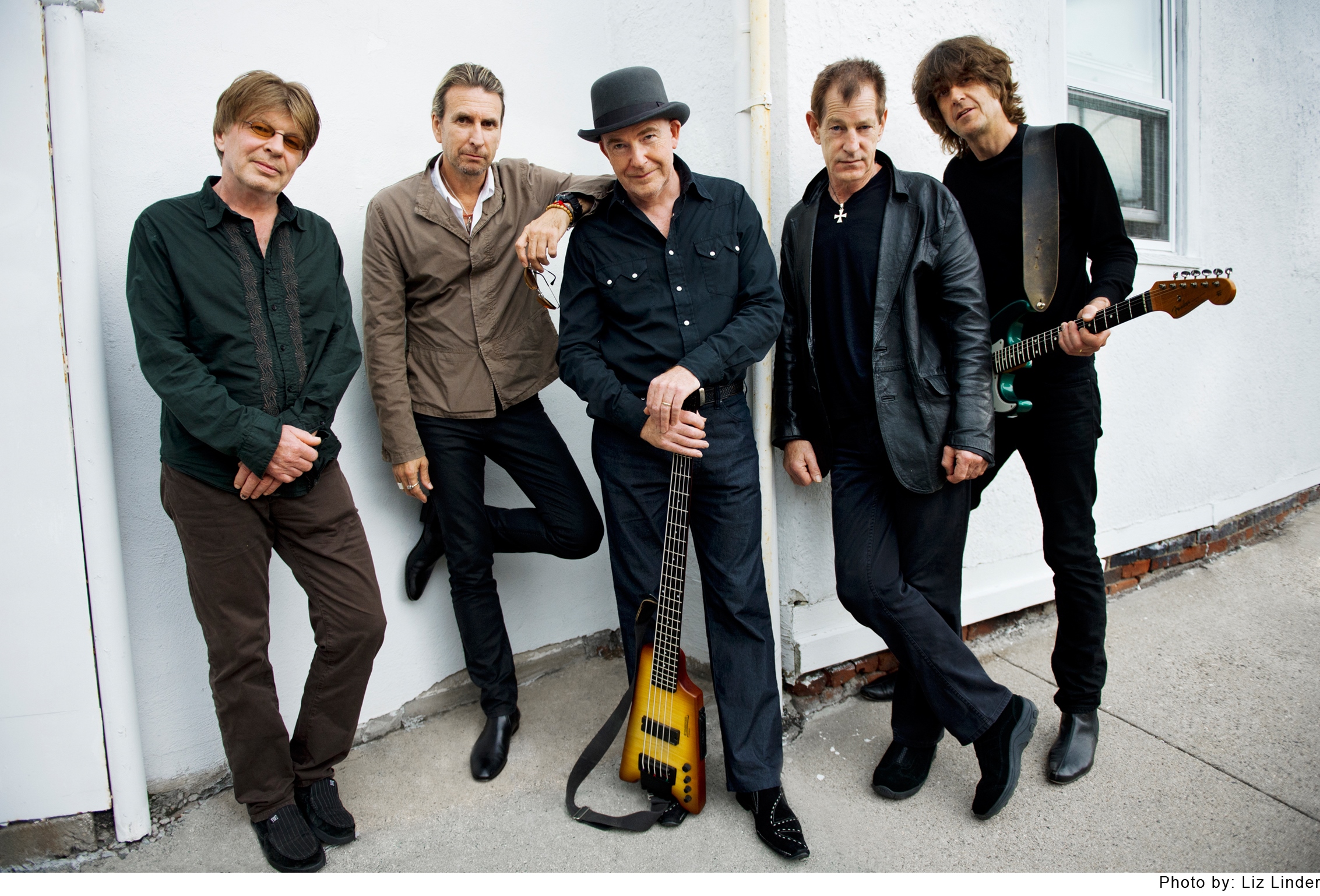
The FIXX are embarking on a U.S. tour this fall with special guest Fastball, with a date set for the Narrows Center in Fall River, Mass., on Friday, November 5th. The show marks the 15th anniversary celebration of Limelight Magazine and 10th anniversary of its publisher JKB Entertainment Group. Purchase tickets HERE.

THE FIXX (PHOTO BY LIZ LINDER)

The FIXX, which still features the lineup of Cy Curnin, Adam Woods, Rupert Greenall, Jamie West-Oram and Dan K. Brown, have released 10 studio albums and were a fixture on the pop charts with such songs as “One Thing Leads to Another,” “Red Skies,” “Stand or Fall,” “Are We Ourselves?,” and “Secret Separation.” They have been heralded as one of the most innovative bands to come out of the 80s.

Live, in concert, the band delivers that same sonic authenticity fans have come to expect from their recorded performances because The FIXX are the real deal.

On the other hand, Fastball is an American rock band that formed in Austin, Texas in 1995. The band originally called themselves “Magneto U.S.A.” but changed their name after signing with Hollywood Records. In 1998, their album All the Pain Money Can Buy reached platinum sales within six months of its release, and stayed on the Billboard 200 chart for a year. In addition, the group has been nominated for two Grammy Awards – Best Rock Performance by a Duo or Group with Vocal for “The Way”, and Best Long Form Music Video for their promotional video “The Way”. They also received five The Austin Chronicle awards: 1998’s Album of the Year, Best Video, Best Single/EP, Band of the Year, and 1995’s Best Pop Band.

The Narrows Center for the Arts is located at 16 Anawan Street. Tickets to his show can be purchased online HERE or by calling the box office at 508-324-1926. For those wanting to purchase tickets in person, box office hours are Thursday through Saturday, 12 noon to 5 p.m.

THE CASSETTE CHRONICLES – DAMN YANKEES ‘DON’T TREAD’

By JAY ROBERTS

The Cassette Chronicles is a continuing series of mini reviews and reflections on albums from the 1980’s and 1990’s. The aim of this series is to highlight both known and underappreciated albums from rock, pop and metal genres from this time period through the cassette editions of their releases. Some of the albums I have known about and loved for years, while others are new to me and were music I’ve always wanted to hear. There will be some review analysis and my own personal stories about my connection with various albums. These opinions are strictly my own and do not reflect the views of anyone else at Limelight Magazine.

DAMN YANKEES – DON’T TREAD (1992)

Since I was such a big fan of the self-titled debut album from Damn Yankees (I wrote about that album for this series back in October 2019), it seems particularly odd that I never bought this follow up album when it was released in 1992. I’m not sure why I skipped over the album but nearly three decades later, I actually own the album on both cassette and CD.

When I realized that I never heard the full album, I found that I couldn’t even recall hearing any of the album’s eleven tracks. Well, until I actually played the album that is. As it turns out, there are two songs that made some in-roads with me over the ensuing years.

The first side of the cassette has both of those songs and they do provide an interesting contrast. The song “Where You Goin’ Now” is the purest power ballad song on Don’t Tread and as it played I found that I actually did remember it and not in a bad way either. I enjoyed this song a lot. It became a Top 20 single when it was released, which was the second and final time the band had a charting single.

The other song I remembered is the album opening “Don’t Tread On Me”. If you ever need a perfect example of how to craft a powerful rock track to kick off an album and really grab the listener from the get-go, this is the song. It’s a superb track that immediately gets your blood moving and never lets up until the last note.

Those are the songs that are still apparently getting some airplay on specialty radio shows these days but after listening to the full release, it is not the end of the quality material Damn Yankees included on Don’t Tread.

As a matter of fact, the first side of the album is a full on rock and roll monster. Besides those two songs I wrote about above you have a straight blast rocker in “Fifteen Minutes Of Fame”. There’s the song “Mister Please”, which starts out a bit more restrained but after the second lyrical verse, the music gets a more intensely rocking pace to it. As for the song “Dirty Dog”, when you listen to the chorus, you will recognize that if they tried to write the song now, the band would be catching a ration of crap. Of course, in 1992 there would’ve been far less hue and cry about the lyrics. Instead, the cool way the music has a swinging rock and roll feel to it will make people sit up and take notice regardless of how they might invariably think of the lyrical content of its chorus.

When you flip the cassette over, the quality doesn’t abate in the least. I will say that I had a bit of a problem connecting to the song “Silence Is Broken” but it is still a decent song. After that song opens up Side Two, the rest of the musical ride is flat out fantastic!

You get a couple more attitude driven rockers in “This Side Of Hell” and the album closing “Uprising”. That latter track is infused with a strong drum track from Michael Cartellone. In a band with Jack Blades, Tommy Shaw and Ted Nugent, Cartellone is easy to overlook but he really made this song something special. In between those songs the band weaves in cuts like “Someone To Believe”, which has an uptempo pacing to go along with some damn good lyrics. While the main musical thrust of “Double Coyote” is hard driving rock and roll, the band works in quite a few bluesy flourishes to give the song an extra musical dimension. It’s a track that caught my ear the first time I listened to Don’t Tread for this article and with each successive play of the album, it continued to be a song I looked forward to hearing.

My favorite song on the album is the song “Firefly”, which is an aggressively fever pitched rocker with a blitzing guitar solo that hooks you hard. As I listened to the song, I thought back to the band’s first album and the song “Piledriver”. The two tracks feel like companion tracks, but I think “Firefly” is even heavier, musically speaking. Still, no matter how you look at it, the band is on another level with this song’s performance and whenever I listen to the album from here on out, this is the showcase song for me.

While the Damn Yankees album went double platinum, I can’t find any information on how well Don’t Tread sold upon its release. However, all these years later, what I do know is that I really missed out on one hell of a gem by not listening to Don’t Tread back in 1992.

Damn Yankees may have released just two studio albums, but by any method of measurement you care to use, Don’t Tread, like its predecessor, is an incredible example of pure hard rocking melodic rock and roll that will light the fire of any music fan who cares to listen.

NOTES OF INTEREST: Don’t Tread, as with the band’s debut album, was produced by Ron Nevison. The 2020 Rock Candy Records reissue of the album contains two live bonus cuts.

According to the album’s Wikipedia entry, the original release of the Japanese version of the Don’t Tread had two bonus tracks. One is a live version of “Come Again” from the Damn Yankees album. The second song is a studio track called “Bonestripper”. However, that song is included on the first album’s 2014 Rock Candy Records reissue. By the way, the song is another fast paced ballsy rocker and it would’ve been a great song to include on the regular US release of Don’t Tread.

Robbie Buchanan played keyboards on Don’t Tread. Besides his musical career, he had a small role as a piano player in the 1978 Bette Midler film The Rose.

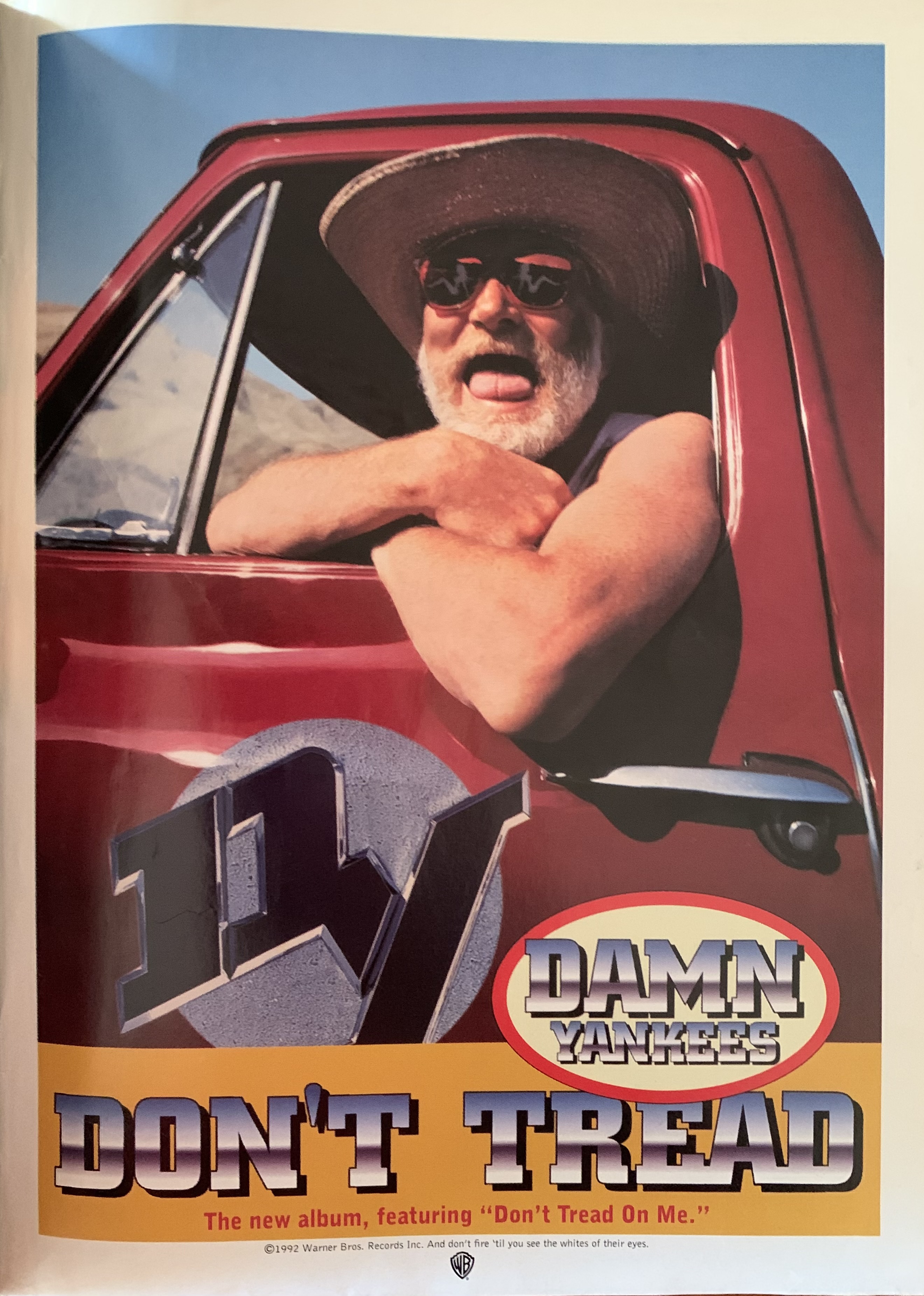
Magazine advertisement for Damn Yankees Don’t Tread

THE CASSETTE CHRONICLES – NEVADA BEACH’S ‘ZERO DAY’

By JAY ROBERTS

The Cassette Chronicles is a continuing series of mini reviews and reflections on albums from the 1980’s and 1990’s. The aim of this series is to highlight both known and underappreciated albums from rock, pop and metal genres from this time period through the cassette editions of their releases. Some of the albums I have known about and loved for years, while others are new to me and were music I’ve always wanted to hear. There will be some review analysis and my own personal stories about my connection with various albums. These opinions are strictly my own and do not reflect the views of anyone else at Limelight Magazine.

NEVADA BEACH – ZERO DAY (1990)

You’ll have to pardon my ignorance when it comes to the band Nevada Beach. Despite their album Zero Day having been released over 30 years ago, it wasn’t until I started listening to the cassette for this article that I’d ever even heard of the band.  I’m not quite sure how it is that I completely missed out on so much as even hearing the name of the band before, but somehow I managed it.

That’s the downside of things. The upside is that I got to hear this as a completely new album. And let me tell you, this was a fantastic listening experience!

Nevada Beach hailed from New Hampshire. And while that wasn’t exactly a hotbed of metal bands in the 80’s and early 90’s, the lineup of Hank Decken (vocals and writer of all ten tracks on the album), Geoff Safford (guitars), Tony Rivers (bass) and John Murphy (drums) sure had their collective fingers on the pulse of what a rock/metal album should be back then.

Originally, the first side of Zero Day presented me with peaks and valleys when it came to the songs. There were two songs that just didn’t quite hit the mark with me the first time I listened to the album. So it’s a good thing in my book that I listened to the album a few times because those two songs grew on me a lot and that made the entire first side of the album a winner for me.

The first of those two tracks was “On Zero Day” and it started out with a bit more of a methodically paced sound and got heavier as the song built to the chorus.  The second song was the side closing power ballad “Only The Fool”. It has a heavier musical sound than what you might expect from a standard power ballad and I think that is what helped the song grow on me over time.

Of course, the other three songs on Side One were instant hits for me. Fast paced rockers with a catchy vibe and a chorus that hooks you from the start. The album opens with “Rough House” which should’ve been a single release because it has a immediately memorable melody line and the vocals from Decken remind you of a Bon Scott vocal performance. The comparison to Bon Scott is best exemplified by the song “Action Reaction”, a balls out rocker that hits you hard and fast yet has a compelling sense of melodic timing to it as well. The song “Waiting For An Angel” might make you think the song is a ballad, but it’s actually quite the rocking little number and the one song that had a video made for it. (You can find that on Youtube.)

While the first side of the album took a little work for me to fully grasp ALL five songs, it was love at first listen when it came to Side Two.

That side started off with a trio of songs that captured the blood pumping anthemic nature of the Nevada Beach songwriting. “Back For Blood” goes for the throat while “Walking Dead” is a rocket fueled burst of anthemic choruses and some fast moving fretwork. “Stand” is a stand out rocker as well.

The song “Big Zero” is probably the slowest track on Side Two. It moves back and forth in tempo but it grows into a big ball of sound that will stick with you.

As for the album ending “Gagged and Bound”, it’s a burst of frenetic energy powered by an aggressive burst of music and a fiery vocal take. It’s one of my favorite songs on the album!

I know that we’re talking about an album that was released 31 years ago here. It’s long since past time for my enthusiastic raving about this “new” discovery of mine to do much good for the band’s fortunes. But how can you not love the possibility of discovering something you missed out on turning out to be this stunningly fantastic example of entertaining hard rock / heavy metal?

Nevada Beach might not have struck it big in 1990, but it certainly wasn’t because they lacked the material to do so. Zero Day has at least three songs that could’ve / should’ve been huge single hits for them and there’s not a bad track amongst the entire collection of tracks. If there was ever an album that Rock Candy Records should be salivating about reissuing, it’s this one!

NOTES OF INTEREST: The band had a five track self-titled EP that was released in 1990 before the full-length album came out. Years after disbanding, Hank Decken put the band back together and in 2016 they self-released the 10 track album Read It On The Wall. The album reportedly features material that was originally written in the 1990’s. You can check out the band on social media by clicking HERE.

Hank Decken released the solo albums Life Around The Edges (1999), Another Seven Days (2002) and Fading Forward (2014).

The one nitpick I had with the album has nothing to do with the music. The sleeve design made the white text on it a little hard to read. It wasn’t anything that affected my enjoyment of the music but it was annoying when I was trying to read some of the information.

Magazine advertisement for Nevada Beach’s “Zero Day” from 1990.

THE TUBES TO PLAY “THE COMPLETION BACKWARD PRINCIPLE” & MORE IN NEW BEDFORD, MA

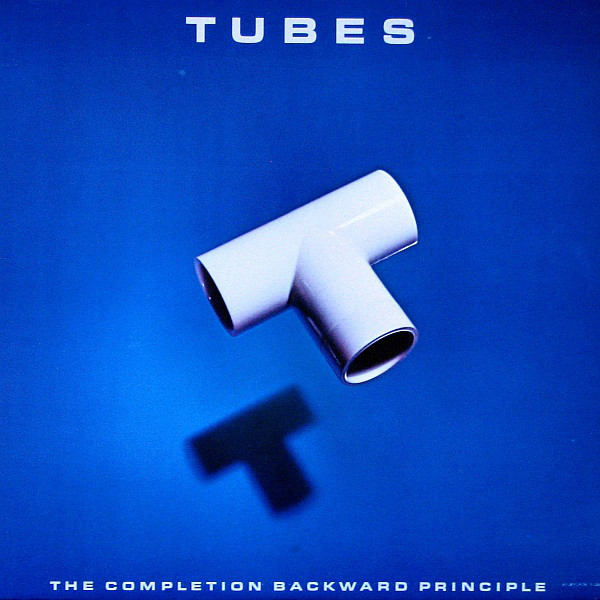
The Tubes, the San Francisco-based rock band known for their satirical satire and songs “Talk To Ya Later,” “She’s A Beauty,” and “White Punks on Dope,” will perform at The Vault Music Hall in New Bedford, Mass., on Saturday, October 23rd. As a special treat, the band will be performing their 1981 album “The Completion Backward Principle” in its entirety along with other classic Tubes songs. Purchase tickets HERE.

Led by singer Fee Waybill – known for his classic characters, including the glam-rocking, stack heeled Quay Lewd, the dangerous Mr. Hate or the gnarly punk parody Johnny Bugger – The Tubes released five albums on A&M Records, starting with the Al Kooper-produced self-titled debut in 1975, which included “White Punks on Dope,” dubbed an absurd anthem of wretched excess” later covered by Motley Crue, German chanteuse Nina Hagen and most recently the Joe Elliot led Down-n-Outs, as well as set staple, “Mondo Bondage.” “What Do You Want from Life?” was yet another signature song for the band, a prescient satire of consumerism and celebrity culture that calls out Bob Dylan and Randy Mantooth along with “a herd of Winnebagos, we’re givin’ em away”. With the help of Kenny Ortega, they mounted the stage show for which they’re still known, using videos as part of the presentation long before MTV was born.

After Young & Rich (1976), produced by Ken Scott (of Beatles fame) highlighted by the salacious “Don’t Touch Me There,” The Tubes released Now (1977), the live What Do You Want From Live (1978) and the concept album Remote Control (1979) their final album for A&M before leaving for Capitol Records.

Their new label teamed them up with producer David Foster for the group’s most commercially successful (and radio friendly) release to that point, with two hit singles in the power ballad, “Don’t Want to Wait Anymore” (their first to land in the Top 40 on Billboard’s Hot 100 chart) and the now classic Top 10 Rock radio anthem, “Talk to Ya Later,” a collaboration between Fee, Foster and Toto guitarist Steve Lukather that was #1 in 17 countries.

The Tubes’ current tour set list includes such classics as “White Punks on Dope”, “Mondo Bondage”, “What Do You Want from Life”, “Out of the Business”, “I Want It All Now” and “She’s a Beauty” and many more.

This concert is presented by JKB Management & Booking and is Limelight Magazine’s 15th anniversary event!

The Vault Music Hall is located at 791 Purchase Street in New Bedford. The venue is set within a former bank building featuring original vault doors and a truly historic feel. Patrons have raved about the superior acoustics and intimate setting.

Please note that one MUST BE 21 or OLDER with Valid ID for Entry.

FILMING LOCATION SPOTLIGHT – “THE WONDER YEARS” (1988-1993)

On the final Friday of every month in 2021, Limelight Magazine spotlights the filming location site(s) we visited for some of our favorite (and not so favorite) films and TV shows. Today we spotlight one of the filming locations for The Wonder Years, which aired on ABC from January 31, 1988, to May 12, 1993. The top photo is a screen shot taken from the TV show while the photo underneath is what the location looks like when we visited in September 2016.

The filming location used for the Arnold family home is located at 516 University Avenue in Burbank, California.

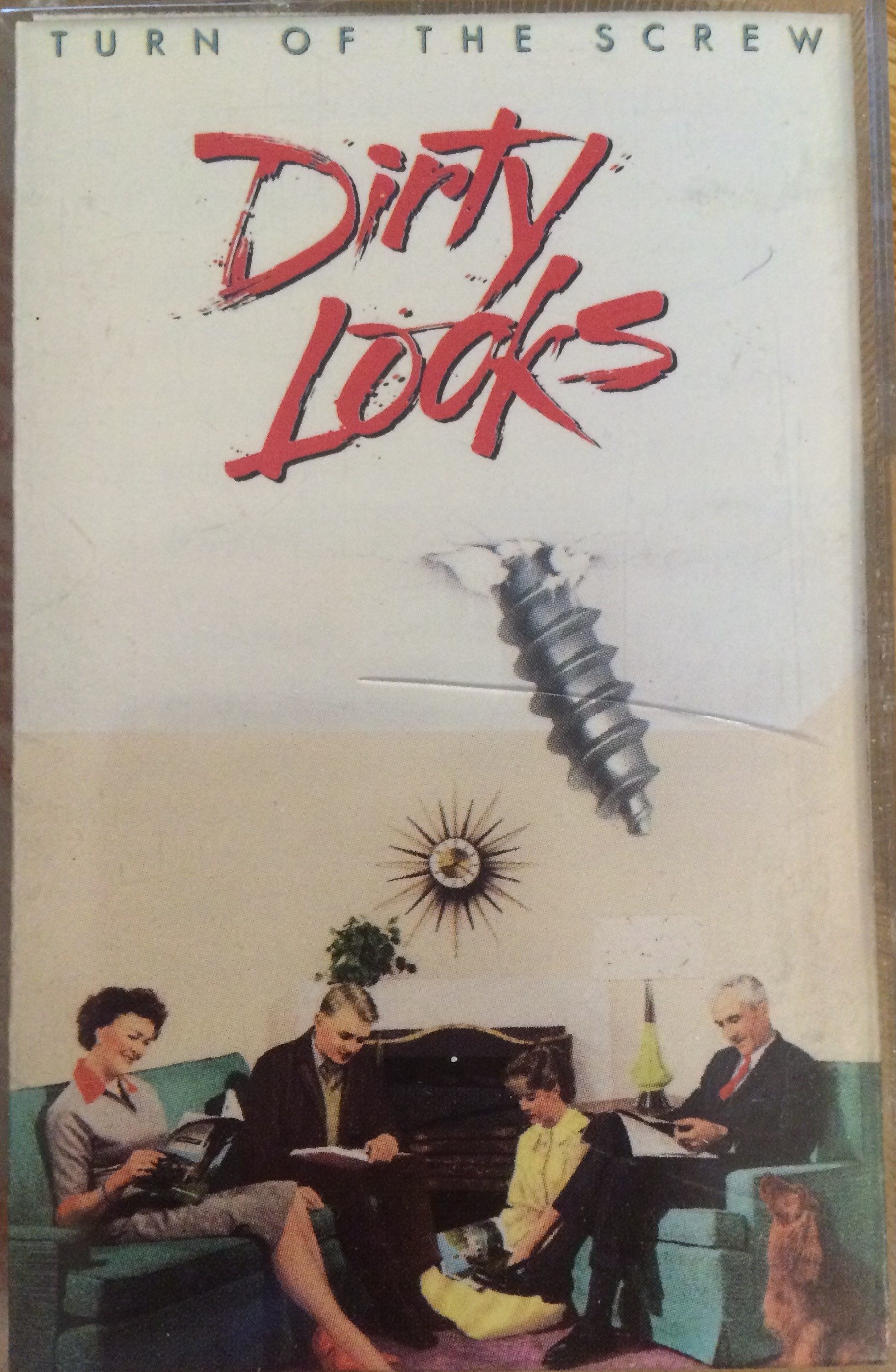
THE CASSETTE CHRONICLES – DIRTY LOOKS ‘TURN OF THE SCREW’

By JAY ROBERTS

The Cassette Chronicles is a continuing series of mini reviews and reflections on albums from the 1980’s and 1990’s. The aim of this series is to highlight both known and underappreciated albums from rock, pop and metal genres from this time period through the cassette editions of their releases. Some of the albums I have known about and loved for years, while others are new to me and were music I’ve always wanted to hear. There will be some review analysis and my own personal stories about my connection with various albums. These opinions are strictly my own and do not reflect the views of anyone else at Limelight Magazine.

DIRTY LOOKS – TURN OF THE SCREW (1989)

In 1989, rock and metal was still in the midst of its decade plus run of glory years. I was 18 and enjoying not only the soon to occur release from the shackles of high school life, but musically speaking it felt like I was in the prime years of my fandom as well.

But as always seems to occur writing this series, despite knowing so much about the music of my teen years, I always seem to learn that there was still so much that I both didn’t know and completely missed out on.

Such is the case with the band Dirty Looks. The band with a heavily AC/DC like sound (though as I listened to this album, I got a huge Kix vibe as well) had gotten some pretty big notices with their 1988 album Cool From The Wire and the single “Oh Ruby”. While I knew the band existed, I only have a vague recollection of that song and I can’t say that I ever really paid much attention to them.

So when I pulled this album out of The Big Box of Cassettes, I knew that I would be in for pretty much a brand new listening experience. And I have to say, I came away pretty impressed by what I heard.

The first side of the album is a raucously entertaining rock and roll show. The six songs on Side One are all hard rocking in nature. The album opens with the instantly affecting “Turn Of The Screw (Who’s Screwing You)”. The song has all the earmarks for a rocking single from the 1980’s. There’s a big vocal, massive guitars and just a hook laden chorus that will soon have you singing along. The same could be said for the next track “Nobody Rides For Free”, which has that same kind of melodic driving rock feel combined with a big backing vocal sound for the song’s chorus.

I’m a fan of the thrash metal band Overkill. One of the things I really enjoy about some of their songs is the way the pace is so unrelentingly fast that the only way to make the vocals keep up with the music is to deliver them with a machine gun rapid fire pace. While Overkill and Dirty Looks are far apart in musical styles, that machine gun delivery shows up on the song “C’Mon Frenchie”. It’s the most balls out aggressive track on the first side and that unrelenting (yet still full of melody) delivery of both the music and vocals made this track really hit home for me.

The main lyrical passages for “Take What Ya Get” are delivered in a slightly more restrained vocal tone with the soundtrack remaining fully uptempo. The intensity of the vocals picks up immensely during the chorus. The rhythmic feel of “Hot Flash Jelly Roll” helps offset what even the most ardent Dirty Looks fan has to admit is just a goofy song title.

The first side of the album closes out on the hard-charging “Always A Loser” which also manages to whet the appetite for what’s to come on Side Two.

But a funny thing happened on the way to flipping over the cassette to Side Two. I found it a little harder to fully get into the five songs on that side the first time I listened to the album. I don’t know what the problem was but my mind seemed to wander in and out and I know that I didn’t get to appreciate the material enough to write about it after just one listen.

Of course, once I focused and listened again, a clearer picture emerged and it turned out that Side Two was damn good too. It opens with the song “L.A. Anna” which is a lively paced rocker. The first time through I thought the main lyrical passages were great but that the chorus was a little muddied in the mix. As it turns out, my ears must’ve been playing tricks on me because that actually wasn’t the case. I will say that I thought the song’s fade out was a little weakness for the track as a whole but still, I did enjoy the song.

The song “Slammin’ To The Big Beat” was just a flat out great song with a huge hook to draw you in while “Love Screams” is fast rocking with a kicking musical pallet and a big vocal sound. The solo for the song was particularly noteworthy to me.

The band’s “power ballad” song “Go Away” breaks up the album’s full-on rocking nature but the song isn’t all that bad when it focuses more on the power part of the song style’s description.

And when the band closes out the album with a teeth-gnashingly aggressive “Have Some Balls”, it just confirms that Turn Of The Screw stands up as one immensely entertaining album of gritty, aggressive and melodic hard rock and amply demonstrates just how much I’ve missed the boat on Dirty Looks!

NOTES OF INTEREST: The album’s producer was Jon Janson. According to what I was able to find online, his name is actually John Jansen and he’s had a hell of a varied career as a producer (among other jobs) in both rock and pop music. Among his credits (as a producer or otherwise) are the artists Jimi Hendrix, Warrant, Cinderella, Britny Fox, Billy Squier, Meatloaf, Barry Manilow, Air Supply and Bonnie Tyler.

Beau Hill was the original choice to produce Turn Of The Screw but the band didn’t like the way he was making them sound so the two parties parted ways.

Some of the percussion on the album is credited to “Buddy Love” but on the minimal liner notes for the cassette it says he appears courtesy of Frankie La Rocka. I knew I recognized that name but it took me a minute to place it. He was the drummer for the band Scandal (I wrote about them in previous article in this series). It turns out La Rocka used the Buddy Love alias to appear on some recordings including Turn Of The Screw.

Bringing great entertainment to New England since 2011!