By JAY ROBERTS
The Cassette Chronicles is a continuing series of mini reviews and reflections on albums from the 1980’s and 1990’s. The aim of this series is to highlight both known and underappreciated albums from rock, pop and metal genres from this time period through the cassette editions of their releases. Some of the albums I have known about and loved for years, while others are new to me and were music I’ve always wanted to hear. There will be some review analysis and my own personal stories about my connection with various albums. These opinions are strictly my own and do not reflect the views of anyone else at Limelight Magazine.
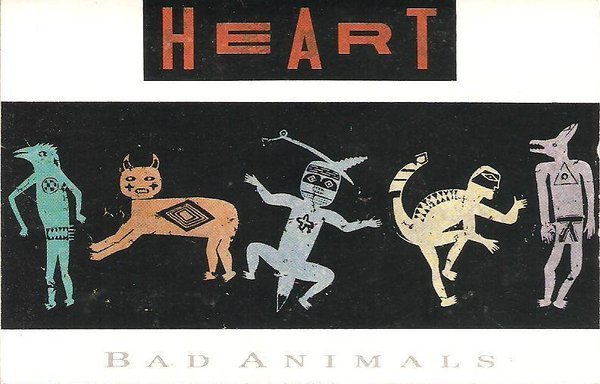
HEART – BAD ANIMALS (1987)
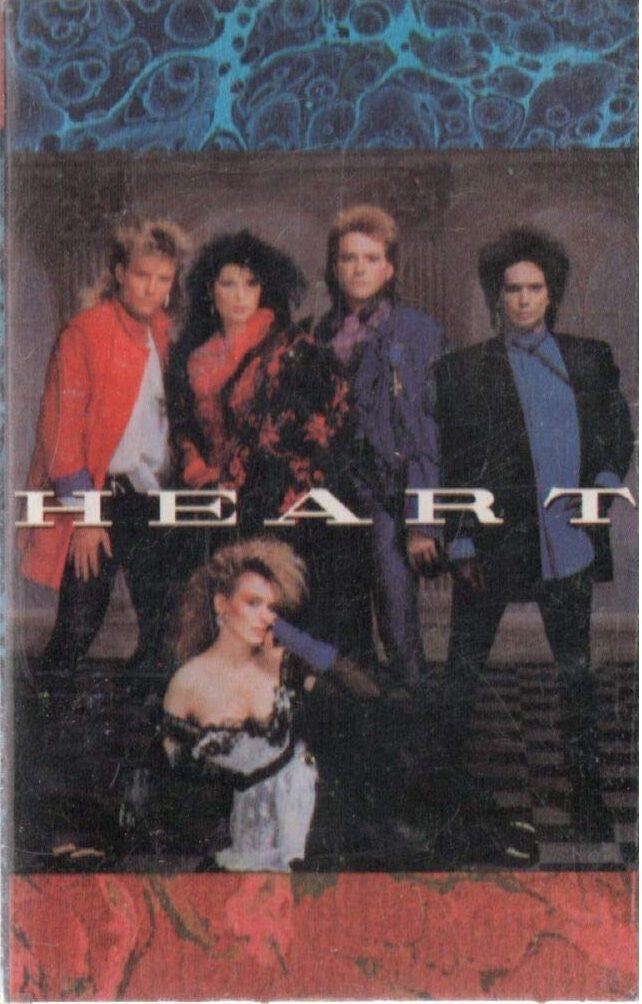
After the quintuple platinum success of their 1985 self-titled album, it should’ve come as no surprise that Heart would lean just as heavily (if not even moreso) on the new glammed up image and sound that had turned around their commercial fortunes.
And that’s just what they did for their 9th studio album Bad Animals. The material does sound similar to what was on the Heart album in terms of the production and glitzier pop/rock material. Of course, with producer Ron Nevison back behind the control board, that is, as I said, not much of a surprise.
But…don’t let that fool you. There’s more stone cold classic tracks on this album as well. After becoming an ardent fan with the previous album, I was definitely all in for Bad Animals.
The funny thing is that while I’ve listened to the album a number of times over the years, I found myself digging into the album in a way I hadn’t expected when I first popped it in to check out for this article. The biggest thing is that I realized I’ve never done much of a deep dive on the credits for this album. And while I knew of three singles being released from the album, I didn’t know there’d been a fourth one as well.
And there are a host of writing credits for people other than the actual band members. On the Heart album, there were a number of co-writers as well. But there seemed to be even more outside work on Bad Animals. Noted hit songwriter Diane Warren wrote “Who Will You Run To”, “Alone” was a cover of a song written by the i-Ten duo Tom Kelly and Billy Steinberg. They also wrote “I Want You So Bad”. In fact, the only song that was written by the band themselves was the album’s title track. Ann and Nancy Wilson co-wrote “Easy Target” and “RSVP” with Sue Ennis while Nancy co-wrote “There’s The Girl”. Beyond that, all the writing is by people NOT in the band.
I don’t know if it was planned this way but those four singles were also the first four songs on the album’s first side.
The song “Who Will You Run To” was the second single to be released from Bad Animals but leads off the album. It ended up hitting #7 on the singles chart. It sets the album off on a high note as it is a lively rocker with plenty of melodic hooks. I still hear this on the radio every so often and I find myself getting a bit jazzed when I hear it. I like the guitar lines threaded through the song.
Next up in the running order is the song “Alone”. If you have ever heard the song, you’ll automatically know it every time you hear it after that. The song hit #1 on the singles chart and the big almost bombastic power ballad has everything you could want from a song of it’s type. It kicks off with a slow almost lilting piano and Ann Wilson’s restrained vocal delivery. But man, when it gets to that first chorus, the music amps up the energy and explodes through the speakers. And with Ann’s voice switching from restrained to a more fiery and intense delivery, you get to hear everything that makes her such a fantastic singer both then and now.
While she will always be known more for her guitar playing, after the success of “These Dreams” on the Heart album, Nancy Wilson found herself back behind the microphone for “There’s the Girl”. I remember loving this song back in the day. It might’ve even been my personal favorite from this album. It’s got a rocking pace but Nancy’s vocals are less intense than Ann’s which gave the song a different point-counterpoint between the music and vocal performance. I was surprised that this song peaked at just #12 on the singles chart because I thought so highly of it and likely thought it had been more successful.
While it didn’t even crack the Top 40 as a single, the song “I Want You So Bad” is pretty interesting. While it is more of a ballad in terms of the lyrical content, the music never really settles into a “slower” delivery. In fact, the song pretty much employs a mid-tempo pacing from start to finish. I also noted that Ann’s vocals avoid going into the stratosphere in terms of audio intensity. Instead you get a straightforward vocal take that fits the overall musical scheme of the track.
The closing song on Side One of Bad Animals is “Wait For An Answer”. It changes pace from the mid-tempo and softer vocal delivery pretty quickly too. While it starts off kind of subdued, you can hear the differences almost immediately. The intro hints at something more ominous and you can hear the vocals have more of an edge to them. And that’s whether the song is a bit slower or as it grows into more of a balls-out rocker. And about halfway through the song, there’s no stopping the rising power from Ann’s vocals.
This was one of the songs that really surprised me as I listened to it for the article. It was almost like hearing it for the first time as I noticed the way things were coming together in the song.
The second side of Bad Animals kicks off with the title track, which reportedly is about the band themselves, has a weird little vocal in the intro that I have to admit that I am not all that crazy about. However, other than that, I love this track! There’s a bit of edgy darkness to the music for most of the track, though it does get a bit more lively towards the end. And this definitely a vocal showcase for Ann Wilson. She alternates between a slightly softened tone in spots with an almost growling delivery and edginess to the vocals in other spots.
If I was going to select a song from Bad Animals that should’ve been a single release, I think I’d have to go with “You Ain’t So Tough”. It’s a solidly uptempo number that has a great chorus with a deft touch of melody woven in. And lyrically, it struck me anew that this is song is a bit of an empowerment story. I mean there’s not much room for any other interpretation with a lyric like this one is there? – “Loving you was an endless fight / I was wrong and you were always right / but look what happened when I called your bluff/ when the truth comes out, you ain’t so tough”.
“Strangers of the Heart” is a ballad. The first lyrical stanza is pure soft delivery but as the song hits the first chorus, the intensity grows. And when the second lyrical stanza starts, you can feel the song start to grow a bit “heavier” with the drums getting just a bit more play at that point in the song. I was kind of surprised to find myself really enjoying this one all over again. It’s a ballad that hits hard and doesn’t seem so sweet as to age badly.
The song “Easy Target” gets off to a rocking start with some tasty guitar lines before the vocals come into play. The song rocks from start to finish but I did like that opening flourish a lot. The chorus flows smoothly and there is a great melodic feel and hook to things. The one thing that throws me off is just how abruptly the song ends.
The album closes with the song “RSVP”. While the song moves at a slower pace for the first half of its running time, there is quite a good deal of power in the musical score. Ann Wilson’s vocals help give it an even more dramatically intense feel too. After that first half, the song gets demonstrably quicker in pace. And there’s a cool guitar solo to enjoy as well.
I wrote about the self-titled Heart album in the most recent article before this one. In that piece I mentioned that the Heart album was my gateway into becoming a fan of the band. With Bad Animals that fandom became forever cemented. The album follows the path carved by the band’s previous release and delivered some fantastic songs and performances that still resonate with me to this day.
NOTES OF INTEREST: The Bad Animals album was a bit less successful than the Heart album in terms of sales but they did end up selling three million copies of the release. I’d call that a success no matter how you look at it.
The “Alone” song ended up getting Heart a Grammy nomination, though they didn’t win the award.
While Heart had been either going on a new tour or was already out there touring this summer, due to some serious health issues for Ann Wilson, the tour has been cancelled. My best wishes go out to Ann Wilson for a full and speedy recovery.





 Limelight Magazine