Category Archives: Cassette Chronicles

THE CASSETTE CHRONICLES – DEF LEPPARD’S ‘ON THROUGH THE NIGHT’

By JAY ROBERTS

The Cassette Chronicles is a continuing series of mini reviews and reflections on albums from the 1980’s and 1990’s. The aim of this series is to highlight both known and underappreciated albums from rock, pop and metal genres from this time period through the cassette editions of their releases. Some of the albums I have known about and loved for years, while others are new to me and were music I’ve always wanted to hear. There will be some review analysis and my own personal stories about my connection with various albums. These opinions are strictly my own and do not reflect the views of anyone else at Limelight Magazine.

DEF LEPPARD – ON THROUGH THE NIGHT (1980)

And the first shall apparently be last…

Nope, nothing cryptic about that. Def Leppard’s debut album On Through The Night is the fourth album I’ll have written about for The Cassette Chronicles series and it will likely be the last as I don’t have any other albums from the band on cassette. While I suppose it is possible a shopping trip to Purchase Street Records could yield another album of theirs on cassette, I’m not planning on doing that at this time. So this could very well be the last time I feature Def Leppard in the series.

And if that is what comes to pass, it makes sense to go back to the very beginning with the band. When I first started prepping this article I made note of the album’s release date. It was released just after I had turned nine years old and thus it was at least four years before I’d even become a rock and roll fan. It’s been just over 44 years since On Through The Night was released…how time flies, right?

I must confess that while I still own the original copy of the album I bought once I hit rock and roll fandom, it is not an album I’ve gone to back a whole lot. Yes, I’ve played it over the years but it is still rather rare that I do a full album listen. So as I got ready to listen I found myself wondering if it would hit me as differently as the High ‘n’ Dry album did when I wrote about that album here on the Limelight Magazine website.

Of the three official singles that came off On Through The Night, two led off the album. Those songs, “Rock Brigade” and “Hello America”, are likely the best remembered songs from this earliest period of Def Leppard’s history.

“Rock Brigade” is a hard-charging rocker from the start and “Hello America” is also full of that same kind of high energy rocking sound as well. As I was listening to both songs I found myself thinking that the two songs showed off how full of piss and vinegar Def Leppard sounded. You can chalk it up to youthful exuberance or what have you but even at this early stage, the band could craft a song that made you take notice. 

The production sound on the album sounds pretty dated in the here and now but you can’t help but like how it shows where the band was starting from. I know there’s a big divide between fans of the first two albums and everything Def Leppard has done since they came out but I like seeing how their sound has evolved from start to finish. One thing I noted on the song “It Could Be You” is how different Joe Elliott’s voice sounds. It’s kind of as if he hadn’t quite yet matured into his voice. While it works perfectly on the On Through The Night album, I am glad that his vocals have changed as the band has gone along.

The guitar soloing on each song features Steve Clark on some, Pete Willis on others. In the case of the track “Sorrow is a Woman”, they both are playing on the third solo in the song. There’s a more measured tone for the song’s main lyrical stanzas but that restraint gives way during the choruses and a more vibrantly effective rock sound takes over.

For “Satellite”, it’s pretty much a full throttle rocker. It downshifts briefly right before the guitar solo and then it ramps back up with a full-throated roar.

While the first five songs on Side One of the album are straight up get in and get out rock tracks with an undeniable melodic hook, the last song on the album side goes about things a bit differently. “When The Walls Come Tumbling Down” opens with a spoken word intro (recorded by Dave Cousins of The Strawbs) that sets the song up with a turn towards the dramatic. Soon after, Def Leppard breaks out into a fast moving rocker musical score but the lyrics sure made it seem like they were actually telling a kind of sci-fi story set in a disaster struck land. 

Assuming I’m not wrong about that, you could’ve won big money by betting that I never would’ve recalled that no matter how many guesses you gave me. It’s not storytelling on the level of Iron Maiden or anything but it sure made me sit up and take notice. Taking notice of that bit after owning the album for nearly forty years is a nice way to cast at least one song in a new and different light for me.

The second side of the album opens with the song “Wasted” which is the third of the three official singles off of On Through The Night. Aiming for accuracy, it’s actually the song that was released as the first single. The odd thing is that while I didn’t recall anything about the song as I got ready to listen to it, as soon as it started playing I remembered the track and how much I liked it. Sure, I haven’t heard it enough to have kept it in the forefront of my mind but once you hear the lyrics and the music, it strikes a chord all over again.

“Rocks Off” is not a song I remembered much either but I actually found myself enjoying it quite a lot. It’s got energy to burn to say the least. You can say the same about the song “It Don’t Matter” but I will say that I really liked the solo from Pete Willis in the latter track a whole lot.

Much like “When The Walls Come Tumbling Down”, the song “Answer to the Master” seems to have a lot more going on than you’d expect from a Def Leppard song. Again, this one sounds more like what you’d get from Iron Maiden or perhaps Judas Priest. But I love that again, I hear a Def Leppard song almost like its completely new to me and I see it from a different perspective than any time I’ve listened to it in the past.

While most of the songs on On Through The Night are relatively compact in terms of running time, Def Leppard really goes for the epic on the album closing “Overture”. It’s nearly 8 minutes in length and after looking through the band’s discography, I realized that it is the longest song they’ve ever recorded. 

Once again, it has a storytelling element to it and the music has peaks and valleys to coincide with that kind of song style. Moving fast with an in-your-face immediacy at times, the track can then pull itself back and give you a more deliberate sound all to serve the best interests of the song.

I have to say that much like when I wrote about High ‘n’ Dry, doing a new listen of the On Through The Night album for this article has given me a new sense of the release. Like I said in the early part of this article, it is an album I don’t play a lot. And after getting a bit of an eye-opening with this new listening session, it seems that lack of play over the years was to my detriment.

I’m not saying I now prefer this era over the Pyromania and Hysteria era where I came of age as a rock fan but it has made me look at Def Leppard’s first two albums with a renewed sense of appreciation. So maybe those who haven’t given this album its proper due should do what I plan to do from now on and that’s listen to this album a lot more…On Through The Night.

NOTES OF INTEREST: The songs “Rocks Off” and “Overture” are re-recorded versions of the songs that had appeared on Def Leppard’s E.P. The Def Leppard E.P. that was originally released in 1979 and later got a reissue in 2017. According to the album’s Wikipedia page, other tracks were re-recorded from previously issued singles.

The On Through The Night album has at last reported (May of 1989) achieved platinum sales status in the U.S. The album was produced by Tom Allom who is likely best known for his production work with Judas Priest.

Other than drummer Rick Allen, each of the remaining four members (Joe Elliott, Rick Savage, Steve Clark and Pete Willis has songwriting credits on the album.

THE CASSETTE CHRONICLES – DORO’S ‘FORCE MAJEURE’

By JAY ROBERTS

The Cassette Chronicles is a continuing series of mini reviews and reflections on albums from the 1980’s and 1990’s. The aim of this series is to highlight both known and underappreciated albums from rock, pop and metal genres from this time period through the cassette editions of their releases. Some of the albums I have known about and loved for years, while others are new to me and were music I’ve always wanted to hear. There will be some review analysis and my own personal stories about my connection with various albums. These opinions are strictly my own and do not reflect the views of anyone else at Limelight Magazine.

DORO – FORCE MAJEURE (1989)

After the Warlock band ceased to exist over legal disputes regarding the ownership of the name, singer Doro Pesch forged ahead with a solo career that is still going strong all these decades later. 

Force Majeure, Doro’s first solo album came out in February 1989 and after becoming a fan with the Warlock album Triumph and Agony, I was completely on board with this next offering featuring my rock and roll crush back when I was a young and dumb senior in high school.

The album actually kicks off with a cover song. This was a first for Doro and she chose an interesting song to cover with Procol Harum’s “A White Shade of Pale”. I’ve heard both versions of the song and while this is a fine cover (and certainly more of a heavier rock sounding version here), I’m not sure this was the best way for Doro to kick off her solo album. Again, it isn’t a knock on the song but if I’m making my way on my own, the last thing I’d want to do is start off by doing someone else’s song as the lead track (and first single) on the album.

The album kicks off in earnest after that cover with the song “Save My Soul”. The song is a still powerful hard rocking gem in my book to say the least. And it helps start to explain why I’ve been such a devoted fan of Doro’s all these years.

Her voice is just freaking amazing. She can rip your throat out with a razor sharp scream, fire out lyrics with rapid fire delivery and yet as the other songs side one of Force Majeure so amply demonstrate, she can delivery a stunningly beautiful and ethereally delicate vocal performance as well. 

The song “Hellraiser kicks off with a kind of Gothic-inspired feel that keys into the overall sound of the track. The song has a far more deliberate pacing except for the brief lead into the chorus where it picks up a bit before settling back down. I loved the whole vibe of the song.By the way, the song is listed as being on Side Two of the album on the Wikipedia page but it is on Side One of my cassette. I wonder if there are two versions of the album and that accounts for the way it is listed online.

For the song “Mission Of Mercy”, the slow build of the music and vocals until it explodes for the track’s chorus was really cool. I don’t mind saying that I was singing along as I listened to the song and even caught myself making the devil horns sign as I was doing so. Well, at least until I realized I was doing it and stopped. Still, this is a killer track.

For a more full-on hard rocking song, you can’t go wrong with “Angels with Dirty Faces”. It’s rocket ride of shredding music that just blows the doors off the place from start to finish.

But its the final song on on Side One that brings forth that stunning beauty I was talking about earlier. The song is called “Beyond the Trees” and it is pretty much just the piano/keyboards with Doro’s vocals. It is an absolutely beautiful song, a ballad that while shirking the lovey-dovey aspects of the style, stands out so perfectly. I remember being blown away the first time I heard it and I still think of the song in that respect every time I hear it. Doro has recorded a lot of ballads over the years but this one is always going to be one of my most favorite ones.

You get a trio of hard driving rockers to open things up the second side of the album. While I was listening to the songs for this article, I was struck by the notion that this was almost like a trilogy of violence. First you get punched in the face with “Hard Times” (which was the 2nd and final single from Force Majeure), then you get kicked in the teeth by “World Gone Wild”. That song seemed to be a relentless sonic attack in terms of the fire and fury it had fueling the music and the way Doro delivered the vocals. By the way, “World Gone Wild” was the song that seems to have swapped places with “Hellraiser” in the track listing for the album.

Finally, you get kicked in the groin with “I Am What I Am”, which is even more of a blazing rocker as Doro serves up a machine gun vocal track for a song that is just barely over two-and-a-half minutes in length. The lyrics definitely stand out as a declarative statement from Doro as well.

The way those three songs hit you over and over again, when you get to the song “Cry Wolf”, you need the musical respite it provides as the music downshifts just a bit. The song moves a lot slower in the main lyrical passages though it does get much more of a fuller sound for the roar of the chorus.

That respite is short-lived though because the song “Under the Gun” is pretty much a companion piece to “I Am What I Am” in terms of an unleashed force of furious heavy metal. Bobby Rondinelli’s drums are particularly powerful in powering the music of this song and again, Doro just rips your throat out with her vocal delivery.

“River of Tears” doesn’t have the same kind of Gothic thrust like “Hellraiser” but it does have the same kind of storytelling feel to it. Much like “Cry Wolf”, the song starts off in more of a midtempo delivery before things get heavier for the chorus and towards the end of the track as a whole.

The album closes out with a brief (just 36 seconds) a capella vocal from Doro. She’s singing in German (which is a tradition for her albums). It’s called “Bis Aufs Blut” which translates apparently to “Till It Bleeds”. I love this song short but because of how special it sounds, I’ve never bothered to see how the rest of the lyrics translate. I’m happy to leave it undiscovered so it doesn’t change the “magic” of the song for me.

Over the many years I’ve been a fan of Doro Pesch, I’ve seen her twice in concert and got to meet her after the second show. Hell, the profile photo on my Facebook page is a photo of the two of us. Even when she didn’t have US distribution for her albums, I would buy them through import companies. She’s long been my choice for “Metal Queen” and the Force Majeure album does a great job of letting listeners discover the wide tapestry of Doro’s talents to say the least. This is an album I love to pop in every so often. It reminds me of just how much I love her music and why.

NOTES OF INTEREST: Despite being packed with 13 tracks and being just a really damn fine album, Force Majeure had just about zero commercial success in the US when it was released. It peaked at #154 on the album chart. It apparently sold a lot better in Europe though.

While bassist Tommy Henriksen had 5 co-writing credits on the album, guitarist Jon Levin’s sole songwriting credit is for co-writing the song “Under the Gun”. In a way, that’s too bad because his playing on the album is intense. Also, Levin’s last name is incorrectly spelled as “Devin” on the album’s liner notes. The majority of the songwriting for Force Majeure was otherwise done by Doro Pesch and Joey Balin. Balin also produced and arranged the album.

Drummer Bobby Rondinelli, who rounded out the recording lineup for the album, has played with Rainbow, Scorpions and others across his lengthy career. The keyboards were played by former Dio keyboardist Claude Schnell who is credited as an “additional musician”.

THE CASSETTE CHRONICLES – .38 SPECIALS’ ‘WILD-EYED SOUTHERN BOYS’

By JAY ROBERTS

The Cassette Chronicles is a continuing series of mini reviews and reflections on albums from the 1980’s and 1990’s. The aim of this series is to highlight both known and underappreciated albums from rock, pop and metal genres from this time period through the cassette editions of their releases. Some of the albums I have known about and loved for years, while others are new to me and were music I’ve always wanted to hear. There will be some review analysis and my own personal stories about my connection with various albums. These opinions are strictly my own and do not reflect the views of anyone else at Limelight Magazine.

.38 SPECIAL – WILD-EYED SOUTHERN BOYS (1981)

In the mystery writing world, there are those who meticulously plot out their books before doing the actual writing of the story and there are those authors who write by the seat of their pants. While I don’t write mystery novels, I take the seat of my pants approach when determining which album I’m going to write about for a given week. 

Of course, then I have to do a little research about the album so I can learn about an album if I’ve never heard it before or have stuff to flesh out a piece on a release I’m already pretty familiar with.

In the case of writing about .38 Special’s 4th studio album Wild-Eyed Southern Boys, I had to learn about most of the album. While I have managed to acquire all of the band’s albums on either cassette or CD, it’s not like I know every song in their catalog by heart. 

For this album, I ended up knowing three of the nine tracks beforehand. And of those three tracks, I’m pretty sure the album’s title cut I only heard when I owned just a greatest hits release for the band. 

I do remember hearing “Fantasy Girl”, probably on the radio and you’d be hard-pressed to find someone who hasn’t heard “Hold on Loosely”, the biggest song from the album. While it had some success on the singles chart when it was released, it has gone on to become one of the biggest hits for the band. It still has a home in their live set and if you tune into any classic rock radio station you will inevitably hear this song. 

But that’s a good thing because the song does hold up quite nicely. Besides the great vocal from Don Barnes (who trades off lead vocals on the album with Donnie Van Zant), the guitar line provided by Jeff Carlisi provides a killer hook that always manages to draw me in.

For the title cut, I find it funny that given the song’s title, the song isn’t a bit more of a wild rollicking track in terms of tempo. It still has an uptempo drive to it but it is still a bit more mellow in its delivery compared to some of the other fast moving numbers.

That would include the song “First Time Around” which has a smoking musical score to it. Meanwhile, the song “Back Alley Sally” has a nice little rocking beat to it. Given the lyrical subject matter of the song, I thought this song coincided more with the album’s cover art than the actual title track.

Getting back to “Fantasy Girl”, the song ranges from mid-to-uptempo but has a solid hook that keeps me very entertained each time I hear this particular song.

That .38 Special can successfully combine both the Southern Rock and arena rock sounds to make high quality radio friendly tracks has always been the biggest key aspect of their appeal. However, since I’m nowhere near being an expert on their catalog, I was a little surprised to find that the song “Hittin’ and Runnin'” had a bit more of a pronounced bluesy feel to it. It’s woven throughout the song but unless my ears were playing tricks on me, it was there and it made the song that much more interesting to me.

When I first heard the song “Honky Tonk Dancer”, my notes said that I liked the sly guitar playing on the track. And that stuck with me through each successive listen to this song. The guitar work has a nice subtle touch at times and that deepens the overall tone of the music to me.

“Throw Out The Line” was used as the B-side for the “Hold On Loosely” single. While it is likely only remembered as an album track, I liked the hard rocking nature of the song a lot. The same could be said about the album’s final song “Bring It On”. It’s a straightforward rocker that will keep your excitement level high.

I’ve written about two .38 Special albums in the past (Special Forces and Tour de Force) and liked them both. You can now add Wild-Eyed Southern Boys to that list as well. At the moment, I don’t have any more of the band’s albums on cassette but hitting the high water mark on these albums certainly has whetted my appetite to get my butt in gear and investigate the rest of their catalog ASAP.

NOTES OF INTEREST: The Wild-Eyed Southern Boys album was the first album for .38 Special to go platinum. The album was reissued in 2023 via Rock Candy Records with four live cuts added on as bonus tracks.

Survivor’s Jim Peterik co-wrote three songs on the album but wrote the album’s title track on his own.

The song “Hold On Loosely” was the first single released from the album. It rose to #27 on the singles chart. It has appeared on the soundtracks for the movies Joe Dirt and Without a Paddle. It was also used in an episode of the TV series Better Call Saul.  The video for the song is credited with being the 13th video played on MTV the day the network premiered. The album version of the song runs nearly five minutes but the single version is edited down to just under four minutes in length.

THE CASSETTE CHRONICLES – SURVIVOR’S ‘CAUGHT IN THE GAME’

By JAY ROBERTS

The Cassette Chronicles is a continuing series of mini reviews and reflections on albums from the 1980’s and 1990’s. The aim of this series is to highlight both known and underappreciated albums from rock, pop and metal genres from this time period through the cassette editions of their releases. Some of the albums I have known about and loved for years, while others are new to me and were music I’ve always wanted to hear. There will be some review analysis and my own personal stories about my connection with various albums. These opinions are strictly my own and do not reflect the views of anyone else at Limelight Magazine.

SURVIVOR – CAUGHT IN THE GAME (1983)

“Jackie no, Jackie don’t go
You’re a hard act to follow”

That lyrical line from the song “Jackie Don’t Go” might also sum up the relative lack of commercial success that Survivor’s Caught in the Game found upon its release in 1983.

Let’s face it, when you write the #1 song in the world in 1982, there’s only one way to go from there. But dismissing this album in the face of being sandwiched between the “Eye of the Tiger” song and album and the Vital Signs album that came afterwards is doing quite a disservice to yourself and the band.

You might be asking why you should go back and check out Survivor’s 4th studio album and the simple reason is that it contains some of their best work. The album’s musical direction had a bit more of a harder edge to it, but it still maintained some great pop melodies throughout as well.

With all but one song written by guitarist Frankie Sullivan and keyboardist Jim Peterik (Peterik wrote the song “What Do You Really Think?” on his own), the album opens with the title track. And while the song itself failed to chart as a single, it is a memorably rocking track. I loved the riff that powers the song. You first hear it in the song’s intro but it is threaded throughout the song and is the first definitive example of how the guitar would be much more in the forefront of the music on Caught in the Game.

I mentioned the song “Jackie Don’t Go” and while the nostalgic look back at a lost love opens with more of a keyboard driven sound, the guitar dominates the rest of the song. It’s just a cool uptempo rocker that has remained one of my personal favorite Survivor songs from the first time I heard the track.

The one true straight up ballad on the album is the song “I Never Stopped Loving You”. It’s got a powerful delivery from singer David Bickler and while the song is more than forty years old at this point, it remains quite a draw and doesn’t sound dated in the least.

There’s a killer hook in the straight up rocker “It Doesn’t Have to Be This Way” and the first side of the album closes out with another uptempo track in “Ready For The Real Thing”. Each of these two songs stand out on their own with great melodies threaded through the faster pace of the delivery.

The second side of the album opens with the song “Half-Life”. Now, I can’t remember if I’ve always thought this about the song or not, but when I was listening to it for this article, I thought the way it was presented in such a dramatic fashion, it felt like it was a track that belonged on the soundtrack of a science fiction movie. The song’s opening definitely feels like music you’d hear at a movie’s opening credits while the rest of the song would play over the end credits. But whatever the actual intent of the song, it was a damn fine piece of work.

“What Do You Really Think?” has a lively pace and hook that carries the listener along quite willingly.

As for the song “Slander”, I really loved the guitar work on this song. I felt this track had a darker tone to it that coincided with the song’s title and song lyrics. I found that tone really had a particular appeal for me.
The album closes out on what I think is one of Survivor’s finest works. The song “Santa Ana Winds” has an epic feel to it. I remember how blown away I felt when I first heard the song. It is vastly different from what most people who are only passingly familiar with the band’s music would expect. Peterik’s keyboards start off the song in the beginning but a more realized rock tempo soon takes over. Bickler’s performance is outstanding on this song and I loved the two extended instrumental breaks that help make up the song’s running time. In particular, the song’s outro really caught my ear.

While Caught in the Game barely broke the Top 100 on the Billboard album chart (#82) when it was released, this album is FAR AND AWAY better than it is given credit for. While nothing is going to replace the “Eye of the Tiger” song and by extension the Eye of the Tiger album atop the band’s list of successes, ignoring the fantastic work on this album is just criminal in my opinion.

NOTES OF INTEREST: The Caught in the Game album has been reissued on CD at least twice. There was a 1999 Japanese edition from Pony Canyon and then Rock Candy Records reissued a remastered edition of the album in 2010. This edition has no bonus material other than an essay/interview with keyboardist Jim Peterik about the recording of the album.

There were four singles released from Caught in the Game according to the album’s Wikipedia page. The title track, “I Never Stopped Loving You” and “It Doesn’t Have to Be This Way” were released in the US while “Slander” was released in Germany. However, other sources including that interview in the Rock Candy Records reissue say only 1 or 2 tracks were given single releases.

Survivor singer David Bickler left the band in late 1983. Though he did return for two stints fronting the band (1993-2000, 2013-2106), the band never recorded another album with him after Caught in the Game.

Special guest appearances on Caught in the Game included Kevin Cronin (REO Speedwagon) and Richard Page (Mr. Mister) on backing vocals. Daryl Dragon is credited for providing “additional keyboards”. He’s best known as the Captain from pop duo Captain & Tenille.

THE CASSETTE CHRONICLES – THE SCREAM’S ‘LET IT SCREAM’

By JAY ROBERTS

The Cassette Chronicles is a continuing series of mini reviews and reflections on albums from the 1980’s and 1990’s. The aim of this series is to highlight both known and under-appreciated albums from rock, pop and metal genres from this time period through the cassette editions of their releases. Some of the albums I have known about and loved for years, while others are new to me and were music I’ve always wanted to hear. There will be some review analysis and my own personal stories about my connection with various albums. These opinions are strictly my own and do not reflect the views of anyone else at Limelight Magazine.

THE SCREAM – LET IT SCREAM (1991)

The Scream is a band that could be seen as a bit of a cautionary tale about missed opportunities.

When the band was originally formed in 1989, they were known as Saints or Sinners. The lineup featured John Corabi on vocals teaming up with three former Racer X members: guitarist Bruce Bouillet, bassist Juan Alderete and drummer Scott Travis. 

However, by the time the band got to recording what would become the Let It Scream album, Scott Travis had left to join Judas Priest. Call it a case of taking advantage of a much bigger opportunity. Considering Travis is still the drummer for Priest, it seems to have worked out well for him.

The band changed their name, brought in Walt Woodward III as their new drummer and the album got recorded. But in yet another example of seizing the bigger (or golden) opportunity, soon after Let It Scream was released, John Corabi left The Scream to take over as the new singer for Motley Crue.

I guess it was just never meant to be for The Scream. I’ve long known most of this story but like any number of other music fans I’m sure, I never actually got around to checking out the album itself. But just a few days ago, I was perusing a newly acquired collection at the local record shop and found a damn near pristine cassette edition of Let It Scream. I couldn’t let this opportunity pass me by yet again, so I bought it and jumped into listening to the album.

What did I think? Well, holy cow! I should’ve  followed Travis and Corabi’s example and seized the opportunity I had to listen to this album more than three decades ago.

The album opens up with the song “Outlaw” and it is made pretty clear from the outset that the band had everything going for it in the songwriting and performance departments. “Outlaw” is a keyed up hard charging rock and roller track from the start of the song. Corabi sounds incredible hear and the rest of the band is just on fire.

But as I would soon discover, there were a lot of different facets to the material The Scream had to offer here. Sure, most of the material was high energy rock but when the band switched things up here and there, they did it with great aplomb.

You’ve got pure straight up rockers like “Give It Up” on Side One. But then you have a song like “I Believe in Me” that blows the roof off the place and features a saxophone solo that deepened the song’s sound to my ears. 

Rounding out the first side of the album, you’ve got a couple tracks that incorporate far more of a blues rock style. “Man in the Moon” starts off slow, its bluesy drawl seeping into your brain through the song’s first verse, before the band comes on much stronger and you are hit with a solid ball of head-on rock. The side-closing “Never Loved Her Anyway” gives listeners a down home groove thanks to the track being fueled mostly by a superb acoustic guitar line threaded throughout the song. Add in a great vocal turn from Corabi and you’ve got a killer track. 

I loved all that uptempo rock but I found myself quite struck by the song “Father, Mother, Son”. It’s pretty much a slow moving track up until the guitar solo, but the deliberate nature of the music lets the lyrics shine through this song that serves as a reflection and thank you to departed parents. Perhaps because my own parents are gone serves as the reason why this song was such a stand out.

When the second side of the album kicks off, there’s kind of a funky style to the song “Tell Me Why”. It’s mixed in amongst the more hot rocking portions of the music but it sure caught the ear when I listened.

On the song “Tell Me Why”, I swear there’s a female vocal accompanying John Corabi’s vocal take but damn if I can find any info on the liner notes as to who it may be. But I liked how the two vocals played off each other. That song and “Every Inch a Woman” are both white hot rockers. The song “I Don’t Care” is also a lively number that will get your heart racing. 

The song “You Are All I Need” is the one track on Let It Scream that didn’t quite do it for me totally but that was mainly due to how repetitious it sounded towards the end of the track. Before that point, I thought the song was pretty good. It first focused on just the vocal performance with a light musical touch to accompany Corabi. As the song’s chorus hits you get more of an instrumental flourish. The backing vocals include Ray Gillen and Jeff Martin who were both in the band Badlands at the time. Martin was also a former member of Racer X.

The album closes with the song “Catch Me If You Can”. It has an extended instrumental intro that went on just long enough that I wondered if it was going to be a full on instrumental track before the vocals kicked in. The band plays this song like their was a fire under their collective butts. It’s got a lightning fast delivery that in some ways reminded me of what little I remember from listening to a Racer X album way back when. But there’s a killer driving tempo to the song that is undeniable and I found this song particularly enjoyable. You get musical fireworks and then comes a rollicking vocal performance that tied everything together.

While not having listened to this album before makes me just as guilty as everyone else, I can’t help feel that had the music world not “conspired” to take and take from The Scream, they might just have had a chance to be something really special. I say this because the Let It Scream album is chock full of great songs and performances. It’s a stunningly self-assured album that shows The Scream deserves to be remembered for far more than as a launching pad for it’s members going on to bigger opportunities.

NOTES OF INTEREST: The band recorded a 2nd album with featuring Corabi’s replacement Billy Fogarty. It was called Takin’ It to the Next Level but it was never released as the band was dropped the record label.

According to the album’s Wikipedia page, there is a bonus track on Let It Scream called “Young & Dumb” but it must only be on the CD version of the album because it isn’t on the cassette. That song was used in the movie Encino Man in 1992.

Drummer Walt Woodward III died in 2010. While he never played on the Let It Scream album, drummer Scott Travis does have a co-writing credit on the song “I Don’t Care”.

I saw John Corabi during his first stint with The Dead Daisies when the band opened for a Kiss tour. I got to meet him after the set.

THE BEST OF THE CASSETTE CHRONICLES – YEAR 7

By JAY ROBERTS

Assuming this article is posted on its regularly planned day, when you read this piece it will be four days until Christmas.

But once again this year, I didn’t have to wait until the big day to get some presents. Instead, I got 24 presents over the course of 2023. That’s how many articles were written in The Cassette Chronicles series for the year. I got to discover old gems that I’d never heard before, rediscover some albums I hadn’t listened to in a while and had a few stone cold classic albums to write about as well.

The good news for me is that The Cassette Chronicles will return again in 2024. I love doing this series and since Jay and Katie seem to like what I’m doing, I’m more than happy to keep writing this series. The series will return in either the first or second week of January and will once again keep the every two weeks publication schedule.

I hope you’ve enjoyed reading what I had to say about the albums this year and will continue reading into the new year. Until then, here’s a look back (in no particular ranking order) at ten albums I talked about in 2023.

See you next year!

(Please click on the cassette title to read the article)

1 – WITNESS – WITNESS

2 – JOHN WAITE – NO BRAKES

3 – HERETIC – BREAKING POINT

4 – JUNKYARD – JUNKYARD

5 – DANGEROUS TOYS – PISSED

6 – DIO – HOLY DIVER

7 – CINDERELLA – HEARTBREAK STATION

8 – GENESIS – INVISIBLE TOUCH

9 – HELLOWEEN – KEEPER OF THE SEVEN KEYS, PART 1

10 – GREAT WHITE – SHOT IN THE DARK

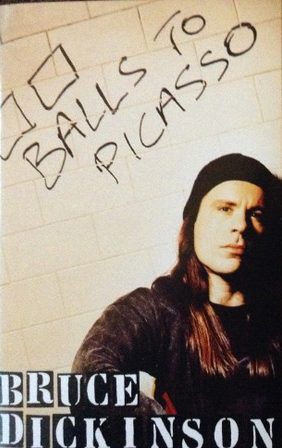
THE CASSETTE CHRONICLES – BRUCE DICKINSON’S ‘BALLS TO PICASSO’

By JAY ROBERTS

The Cassette Chronicles is a continuing series of mini reviews and reflections on albums from the 1980’s and 1990’s. The aim of this series is to highlight both known and underappreciated albums from rock, pop and metal genres from this time period through the cassette editions of their releases. Some of the albums I have known about and loved for years, while others are new to me and were music I’ve always wanted to hear. There will be some review analysis and my own personal stories about my connection with various albums. These opinions are strictly my own and do not reflect the views of anyone else at Limelight Magazine.

(WRITER’S NOTE: THIS WILL BE THE LAST ARTICLE IN THE CASSETTE CHRONICLES SERIES FOR 2023. THERE WILL BE A BEST OF THE YEAR PIECE NEXT WEEK AND THEN THE SERIES WILL RETURN FOR ANOTHER YEAR AT THE START OF 2024.)

BRUCE DICKINSON – BALLS TO PICASSO (1994)

Released in 1994, Balls to Picasso is Bruce Dickinson’s second solo album. However, it was the first one he made following his departure from Iron Maiden. It was the start of his collaboration with guitarist/producer Roy Z and the album was recorded with Z’s band Tribe of Gypsies.

I wrote about Dickinson’s Tattooed Millionaire back in 2022 and while I liked the first side of the album, I found the second side more problematic. So, when it came time to listen and write about this album, I found myself really hoping I liked the album in full. One thing I noticed about the album’s tracks is how more than a few of them mixes a more sedate opening with the more in-your-face more commonly associated with Dickinson’s vocals. Hard Rock combined with metal overtones. This isn’t a surprise so much as it makes for a pretty interesting listening experience as you can clearly see how Dickinson was still making the concerted effort to mix things up so the solo music didn’t sound like “just” another Iron Maiden record.

With Dickinson and Roy Z. co-writing most of the material together (Dickinson’s son Austin has a credit on “Laughing in the Hiding Bush” and bassist Eddie Casillas has a credit on “Fire”.), the album gets off to a lengthy start with the song “Cyclops”.

The track begins with nothing in the way of build-up, it just kicks off out of your speakers for a mostly low key beginning before a brief harder edged flourish that gives way to more of a sedate delivery for the main lyrical passage. But as the song approaches the chorus, the music grows into a intense blast of rock. And Dickinson’s vocal gets more intense as he intones “We watch you breathe through the camera’s eye.” The song is nearly 8 minutes long and after the guitar solo, the music stays in that higher gear. It’s just a beast of an opening track and captures my attention every time I listen to the album. The song’s outro goes on for a good amount of time but it doesn’t lessen the song’s impact at all.

On “Hell No”, I love the way the song starts with this kicking drum beat before Bruce Dickinson’s vocals come in. The first couple of lines, he’s delivering the vocals in a rather understated manner but he quickly puts forth a bolder vocal stance towards the end of the first lyrical stanza. This type of back and forth plays out for most of the song’s vocals. The same kind of vocal delivery is employed on “Gods of War” as well.

The first side of the album is only four songs long but when the first side closes out on one of the songs you would highlight as a particular favorite, things are going well I’d say. On “1000 Points of Light”, I love the way Dickinson’s vocals during the main part of the lyrics are pretty crystal clear, delivered more in a rapid fire manner. The chorus sounds more like how you’d expect to hear him singing, but it melds perfectly together and gives you one hell of a great track.

It has been a while since I listened to Balls to Picasso before sitting down to write this article so I found myself hearing things a bit differently than I have in the past I’m sure. But before heading into the second half of the album, I know that I was really getting drawn in to the music once again.

The album’s second half (six songs) opens with the song “Laughing in the Hiding Bush”. The song’s opening is more dramatically presented but when you get to the chorus, there’s a bit more of a vicious edge to how Dickinson’s vocals come out, particularly as he sings the song’s title. I like this version of the song no doubt, but I found myself curious as to how it would’ve come out if the harder edge provided in the chorus vocals had been employed for the entire vocal turn.

I remember thinking the song “Change of Heart” was the “ballad” track for Balls to Picasso. It’s got the softer vocal focus throughout and then gets the more uptempo pace for its chorus like pretty much any “power ballad” you could think of, but this track really struck a chord with me. Whether the tempo was slow or fast, I loved the sentiment from the lyrics a lot and that made me that much more interested in the track. The brief guitar solo for the song focused more on a feel than an over-the-top flurry of notes. Pretty much all of the guitar work on this track was pretty cool to be honest.

There’s more of a concerted hard rocking style on “Shoot All The Clowns”. There’s not much in the way of a soft intro leading into a more intense flourish. Bruce Dickinson and the band pretty much rock out the whole way through. And they do it with style here. That mid-song vocal break where Dickinson is just spitting out the lyrics is flat out cool. This is just a killer track.

The song “Fire” starts out with a solidly uptempo feel and has a great line in the chorus with “Money won’t pay for the trouble you cause, trouble’s coming back for more”. The chorus alone would make me like the song but I like the way the music comes out on this one too. Sometimes fiery, sometimes understated yet always smoking with some killer guitar lines as well.

There are plenty of great tracks on Balls to Picasso but the one that stood out as my personal favorite has to be “Sacred Cowboys”. The song is in full attack mode pretty much from the start. A static burst musically combined with another rapid fire almost spoken word delivery from Bruce Dickinson but then as the musical intensity increases you get this freaking awesome chorus including this great couplet “Where is our John Wayne, where’s are sacred cowboys now”. Add in a blazing score and an abrupt yet perfectly cast ending and you have a song that just rocks me every time I listen to it.

The album closes out on the song “Tears of the Dragon”. It’s the song that got the most attention for the album and was probably the main reason I picked up the album in the first place. It has a cool melodic sensibility running throughout the song. Both sides of Dickinson’s vocals are on display here and they work in perfect harmony. The more measured tone of the main lyrics have his straightforward delivery. But that chorus gives listeners that soaring vocal tone we all know and love. It elevates the song as a whole and I vaguely remember getting goosebumps the first few times I heard the song.

I haven’t mentioned much about Tribe of Gypsies in the piece but I have to say that as a whole, I can’t imagine how anyone else could’ve done a better job being the right backing band for Dickinson on this album.

As the album finished, I couldn’t help thinking back to when I first heard it for myself and though it is pretty different stylistically from the Iron Maiden material, I loved the different tact Bruce Dickinson took for this album in order to differentiate himself apart from Maiden.

Bruce Dickinson has a new solo album called The Mandrake Project coming out soon but before the focus turns to his present musical project, it is always nice to take a look back and get a renewed appreciation for what has come before. I know that giving high praise to anything from Bruce Dickinson is pretty much adding my voice to a rather large choir, but if you haven’t checked out Balls to Picasso yet, let me just give you my own recommendation to do so as soon as possible, you won’t regret it!

NOTES OF INTEREST: The Balls to Picasso album that was released in 1994 was actually the third attempt at the album. The first two versions were junked when Bruce Dickinson wasn’t happy how they turned out.
The 2005 Extended Edition CD release of Balls to Picasso includes a 16-track bonus disc.

The original plan had been to title the album after the song “Laughing in the Hiding Bush”. Artwork was commissioned from legendary cover artist Storm Thorgerson but according to the album’s Wikipedia page, they couldn’t afford it. That artwork would go on to become the cover for the Anthrax album Stomp 442.

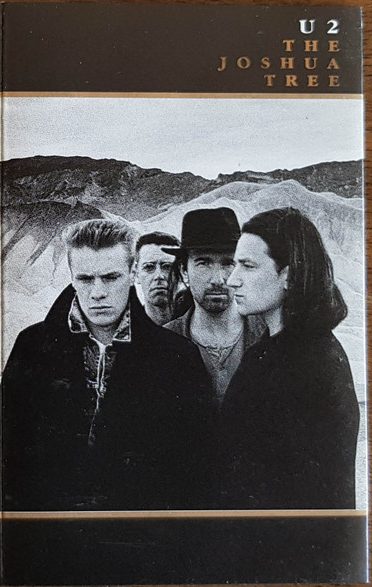
THE CASSETTE CHRONICLES – U2’S ‘JOSHUA TREE’

BY JAY ROBERTS

The Cassette Chronicles is a continuing series of mini reviews and reflections on albums from the 1980’s and 1990’s. The aim of this series is to highlight both known and underappreciated albums from rock, pop and metal genres from this time period through the cassette editions of their releases. Some of the albums I have known about and loved for years, while others are new to me and were music I’ve always wanted to hear. There will be some review analysis and my own personal stories about my connection with various albums. These opinions are strictly my own and do not reflect the views of anyone else at Limelight Magazine.

U2 – THE JOSHUA TREE (1987)

With a reported 25 million copies sold, including at least 10 million here in the United States, the U2 album The Joshua Tree almost certainly needs no little the way of introduction.

Looking at the album’s Wikipedia page, you get the idea that there has been a lot written about the album over the thirty-six years since it was first released. Hell, that page looks like someone wrote a dissertation about the album.

So I don’t think I have to write much in the way of anything approaching critical analysis in this article. I’m sure that how I reacted to the album back in 1987 and then going forward is more in tune with my own personal thoughts rather than going along with the general masses anyway.

But before we get into the album, a bit of my personal history with U2. I didn’t get into the band with their first three albums. I know that WBCN-FM out of Boston was a very early supporter of the band but I didn’t discover U2 for myself until they had that hit single “Pride (In the Name of Love)” off of the album The Unforgettable Fire, which is the predecessor to The Joshua Tree. I remember listening to the song on American Top 40 but I can’t remember how I came to own that particular album on cassette (which I still have in my collection).

That song got me hooked into the band as a fan, but I don’t think anyone was prepared for what was to come when March 9th, 1987 came and The Joshua Tree album hit the shelves. I know I sure wasn’t but from the first time I bought the cassette (which is what I listened to for this article), I was blown away.

The music, which is a lush tapestry of music throughout, is credited to U2 as a whole. Singer Bono is credited with writing all the lyrics. And while a varied set of topics are explored in those lyrics, I figure it is better to let you all decide for yourself what they mean. While I never delved deep into the actual meanings behind each song, I always had my own interpretation no matter how far off those might end up being.

Of course, the band was already popular with four studio releases to their credit already (plus a live release that was recorded in Boston). But everything that came before was just setting the table for what came forth from the recording sessions of The Joshua Tree.

The album opens with a trio of songs that became instant classics for U2 and they were also the first three singles (in a different release order) from the album. (Five singles in all were released with “In God’s Country” being a North American only release and the “One Tree Hill” single only being released in Australia and New Zealand.)

The song “Where the Streets Have No Name” opens up the album and I found that I was instantly captivated by the slow but steady build of the song’s intro before the guitar line from The Edge comes into play. Just as quickly you get the bass (Adam Clayton) and drums (Larry Mullen, Jr.) before the song takes off in full flight with Bono’s vocals. The song is decidedly uptempo, perhaps the most “rocking” of the eleven song track list. The guitar is superb throughout the song and I remember watching the video they made for the song on MTV a lot. As I recall, they were filming a live performance on a rooftop in LA and so many people were showing up to watch them that the police shut down the shoot after they did this song.

The song “I Still Haven’t Found What I’m Looking For” continues to resonate quite strongly with me even now. The track switches between mid-and uptempo tones and this one became another monster track for U2. I don’t know that I need to say too much more about this other than for anyone who hasn’t heard the song to go check it out for themselves. I think you’ll find yourself pretty captivated by what you hear.

But as much as I think those two tracks are absolute stone cold classics, I wonder if they ended up still ranking just a teensy bit behind “With or Without You”. That song was the first single released from The Joshua Tree and is STILL a megahit with the fan base. It’s a ballad in musical tone and delivery with a little bit of “power” infused later in the song’s run time.

So that’s three for three to start off the album. Killer songs with huge commercial success. But what about the last two songs on Side One? Well, they may not have been singles but neither song is any kind of a slouch or letdown.

You have “Bullet The Blue Sky” which has a thumping rhythmic feel to it. And from the very first time I listened, I thought there was kind of a sneering attitude to the lyrics and how they were delivered at various points in the song. (Again, these are MY interpretations of the songs which are likely to have no basis in reality.) The funny thing I remember most about this song actually has nothing to do with U2 themselves. Rather, I remember seeing Queensryche in concert at the Orpheum Theater in Boston. I forget which album they were touring for but they covered “Bullet The Blue Sky” during the show. Stranger still for me was it wasn’t a particularly good show because singer Geoff Tate was sick and the show was pretty short. It was the first time I can remember being disappointed by their concert performance.

As for the side closing song “Running To Stand Still”, I remember reading the song title on the cassette insert and being intrigued simply because of the title. It’s a slower song, with a decidedly softer musical feel to the song. But still, I loved the song.

As for Side Two, much like “Running To Stand Still”, I was immediately intrigued by the song “Red Hill Mining Town” simply by the song’s title. Then I listened to the song and it was killer. The song briefly opens with a soft focus delivery but quickly grows more forceful, with Bono’s vox at times becoming pretty plaintive in how he sings the lyrics. The underlying rhythm track is solid but when The Edge, Clayton and Mullen, Jr. amp up the music for sections of the song, something special happens. I know the song wasn’t released as a single but I love this one as much as if it had hit #1.

As for “In God’s Country”, it does give a challenge to “Where The Streets Have No Name” for most rocking song on the album. And you know what, it may just outdo it in that particular department. I’m not sure if this is an accurate description but the song opens with this jangly guitar sound and from then on, the song just bulldozes its way across your eardrums. And as good as the vocals from Bono are, I think this song belongs to its musical score just a tad more. The guitar playing is impeccably assured here. Whenever I hear the song, it’s like getting my mind blown all over again.

The way the band composed the songs for The Joshua Tree really varied the types of songs they had to offer listeners. Case in point, the song “Trip Through Your Wires”. I’m not sure how anyone else feels about this one but I think it is an inspired track. You’ve got the bluesy music amped up with the harmonica from Bono. Plus there’s a kind of swing to the band’s performance as well.

“One Tree Hill” was written for a close friend of Bono’s that became a roadie for the band. When he was killed in a motorcycle accident, this song came from Bono’s grief. The funny thing is that while it was never released as a single, I thought it should’ve been back in the day. Of course, that was because I didn’t know the backstory of the song at that time. Still, the song has a kinetic energy that is still evident even now.

As many times as I’ve listened to The Joshua Tree over the years, I never looked into the creative process behind the song “Exit”. So imagine my surprise that the lyrics were inspired by the Norman Mailer book The Executioner’s Song about serial killer Gary Gilmore. It seems like such an odd pairing for U2 but the song is incredible. Plus the music gives you the chills as if it is embodying all the fear that a killer like that would inspire. Of course, there’s much more involved in the song to say the least but it sure gave me at least some new insight into the track.

The album closes out with the song “Mothers of the Disappeared”. It first starts out relatively soft. Bono’s vocals are hushed and the music kind of coasts along without too much forcefulness. As the song goes forth, the music does become a bit more upfront in the mix. While the song is generally about U.S. foreign policy at the time, I always thought of it serving as kind of an elegy for The Joshua Tree album itself. Yes, totally not what was going on in the track but that was my initial impression when I heard the track back in 1987.

As noted before, it has been thirty-six years since The Joshua Tree was first released. It was a commercial success beyond measure and made U2 global superstars. Something that hasn’t changed through all the time that has passed since then. It’s one of the most successful albums ever released. And there’s no real way to deny how influential the album has been on rock music either.

I’m mainly a hard rock and heavy metal fan. Nothing is going to change that. But something else that will never change is that I think of U2’s The Joshua Tree album as one of my personal favorite albums of all time as well. There’s so much going on here that I could spend another thirty-six years listening to the album and still not fully grasp everything that went into creating about as purely perfect a listening experience as you could imagine.

NOTES OF INTEREST: The Joshua Tree album has been given two anniversary reissues. The 20th anniversary version has a bonus disc with 14 tracks including B-sides and more. There’s also a DVD with a concert, documentary and two music videos.

The 30th anniversary edition has a 2 disc version with the 2nd disc being a concert from New York in 1987. The four disc edition has that concert plus a disc of remixes and what appears to be the disc of B-sides from the 20th anniversary edition. I have the two disc edition of this release. I got it when I realized that I didn’t have The Joshua Tree on CD at all.

I’ve only seen U2 in concert once. It was pretty special as my parents got me tickets for my birthday. It was the tour for the Pop album. While there’s been a lot said about that album and the tour over the years, I rather enjoyed U2’s performance on the evening even if I didn’t like the new material they happened to play all that much (Pop is not one of my favorite U2 albums). But the classic songs, KILLER!

THE CASSETTE CHRONICLES – WHITESNAKE’S ‘LOVE HUNTER’

By JAY ROBERTS

The Cassette Chronicles is a continuing series of mini reviews and reflections on albums from the 1980’s and 1990’s. The aim of this series is to highlight both known and underappreciated albums from rock, pop and metal genres from this time period through the cassette editions of their releases. Some of the albums I have known about and loved for years, while others are new to me and were music I’ve always wanted to hear. There will be some review analysis and my own personal stories about my connection with various albums. These opinions are strictly my own and do not reflect the views of anyone else at Limelight Magazine.

WHITESNAKE – LOVE HUNTER (1979)

“I love the blues, they tell my story. If you can’t feel it you can never understand.”

That line, from the song “Walking in the Shadow of the Blues”, is a drop-dead awesome introductory lyric and while it may not sum up any kind of description of me, it does loom large for me when I talk about that song.

But we’ll get to that in a bit. First off, it’s been just over four years since I first wrote about a Whitesnake album for The Cassette Chronicles series. Truth be told, despite having multiple albums on cassette from the band, I hadn’t really even thought about writing about another one. There’s no great rhyme or reason to that, it just hadn’t come to pass.

But then a couple days back, I watched a video on YouTube with a ranking of Whitesnake’s studio album catalog and suddenly, I just felt like the time was right to talk about another album. Oddly enough, I have yet to broach the idea of writing about the band’s breakthrough albums of the 1980’s. There’s not a whole hell of a lot new to say but maybe down the line I’ll have a piece on one of those huge releases.

No, instead I’m once again focusing on the first incarnation of Whitesnake. The blues rock driven 1970s version. The one that would basically become a home for ex-Deep Purple members (with keyboardist Jon Lord already on board for this album).

As I wrote when I talked about the Whitesnake album Come and Get It four years ago, this version of the band was something I only discovered after the band went supernova with the self-titled 1987 album.

It is a case of better late than never because I found out just how much I loved this version of the band. I’ve listened to Love Hunter any number of times over the years so most of the album isn’t much of a “discovery” to me. In fact, I rather appreciate and love the album quite a lot. But as I listened to the album for this article, it was pretty cool to find myself once again rocking out to early David Coverdale and crew!

One of the earliest things that stands out in particular with this album is that David Coverdale is not the only singer who gets to shine in the vocal spotlight. In fact, guitarist Bernie Marsden shares lead vocal duties with Coverdale on the album’s opening track “Long Way From Home”. That song has no preamble to it at all. When you hear the first notes of the song, it is already in full rocking form from those first moments. It’s a quick and lively rocker and it is just the start of some incredible rock and roll moments throughout the album.

Whitesnake isn’t really known for doing cover songs but the first side of the cassette does feature the song “Help Me Thro’ the Day”. The song title is ever so slightly altered from the original “Help Me Through the Day” which was written by Leon Russell.

Whitesnake’s version is pretty decent, slower in tempo for sure. It has what I wrote in my notes as a kind of “hazy” delivery. Originally, I was going to say “sleepy” but that not only seemed inaccurate, I thought it might seem a bit insulting which is definitely not what I would say about the track.

The song “Medicine Man” was written by Coverdale alone and it is one hell of a kicking rocker. The side closing “You ‘n’ Me” has a fiery delivery to it that gives the song a nice bit of charm to it.

And getting back to that quote at the start of the article, the song “Walking in the Shadow of the Blues” isn’t just one of my favorite Whitesnake songs, it is a song that I would list as one of my all-time favorite tracks, period. The funny thing is, I didn’t discover this version of the song first. Instead, it was the live rendition on the 1980 Whitesnake live release Live…in the Heart of the City where I first heard the track. And I was just blown away by it. The song was co-written by Coverdale and guitarist Bernie Marsden. It’s got a killer amped up guitar sound powering the track and the vocal performance of what seems like an autobiographical set of lyrics is superb.

I can’t exactly explain why this song hit home with me so much but when I first heard the studio version of the song, it only served to further deepen my love of the track.

When you flip the cassette over to Side Two of the album, you start off with the song “Mean Business” and there’s no doubt that the song and the band live up to the song’s title. It bursts out of the speakers right from the start. The song’s fast paced and electrically charged delivery never relents or relaxes all the way through its running time. Just a killer track!

The album’s title track and the song “Rock ‘n’ Roll Women” are both pretty damn rocking tracks as well. The title cut has a nice solid thump to it while the latter tracks has a quick stepping groove to it.

The most interesting song on Side Two is the song “Outlaw”. It’s a good song, hard charging throughout, but what makes this particularly interesting to me is that Bernie Marsden is the one singing on it, not David Coverdale. Imagine that happening now? I can’t remember if I knew that Marsden was singing and just forgot or if I never realized it even though I’ve listened to the album so many times and read the liner notes probably just as often. But for some reason, when I read the liner notes this time, there was Bernie Marsden credited with the lead vocal and I felt surprised for reasons passing understanding.

The album is chock full of bluesy hard rock, but to close out the album, you get a really brief (just over 90 seconds long) slow moving track called “We Wish You Well”. The song serves not only as the band basically saying so long to the listeners but you could say that it could serve as a way for them to say goodbye altogether when Whitesnake officially ends their run. The song is at first the vocal track and the keyboards of Jon Lord, but then quick as you can, you get the whole band (including guitarist Micky Moody and bassist Neil Murray) joining to give the song a final flourish before it and the Love Hunter album as a whole comes to an end.

As you can clearly see, I love this album. Love Hunter was the second studio release from Whitesnake and you’d be hard-pressed to argue that they didn’t have some really great material. I know that the band will always have the two sides to them but I’ll never have anything overtly bad to say about the early days of the band because every time I listen to the early albums, I wish that I’d seen them during that time. And as you listen to Love Hunter for yourself, you’ll see why I say that.

NOTES OF INTEREST: The Love Hunter album was the last one to feature drummer Dave Dowle. The album was reissued in 2006 with an addition four bonus tracks.

Of the nine original songs on the album, each member of the band had at least one co-writing credit to their name.

The artwork, which is of course considered controversial (both then and now), was done by fantasy artist Chris Achilleos. Oddly enough, it was this piece that had the artist refuse to work with bands again until 2003 when he did an album cover for the Gary Hughe album Once and Future King Part 1. The original Love Hunter artwork was stolen from the artist in the 1980’s. Chris Achilleos had his art featured in magazines such as Heavy Metal and Radio Times. It also appeared on the covers of books featuring Conan the Barbarian, Doctor Who and Star Trek amongst his numerous credits.

THE CASSETTE CHRONICLES – JUNKYARD’S ‘SIXES, SEVENS & NINES’

By JAY ROBERTS

The Cassette Chronicles is a continuing series of mini reviews and reflections on albums from the 1980’s and 1990’s. The aim of this series is to highlight both known and underappreciated albums from rock, pop and metal genres from this time period through the cassette editions of their releases. Some of the albums I have known about and loved for years, while others are new to me and were music I’ve always wanted to hear. There will be some review analysis and my own personal stories about my connection with various albums. These opinions are strictly my own and do not reflect the views of anyone else at Limelight Magazine.

JUNKYARD – SIXES, SEVENS & NINES (1991)

After discovering just how good the self-titled debut Junkyard album really was a couple months back, I figured I didn’t want to wait too long before hearing what their second album had to offer me as well.

If I was expecting Junkyard to sort of ease into things I was quickly disabused of that notion. The album’s opening cut “Back on the Streets” has a killer pacing to start off the song and that is melded together with a catchy hook filled delivery as the band seemingly goes for broke right from the get-go.

The next song up is “All The Time in the World” and while the song isn’t delivered in quite the same breakneck speed style, there is still an extremely quick moving tempo here. And the song’s chorus really grabs you. The guitar solo on the song is fantastic and singer David Roach continues to surprise the hell out of me. (All that time not hearing the Junkyard albums is really biting me in the butt once again!)

While there is always a bluesy type of feel to Junkyard’s brand of hard rock, the song “Give The Devil His Due” brings that swinging rhythmic blues-driven feel more to the forefront of the song. I could feel my foot start bouncing in rhythmic time to the music and I love when a song can make this totally lacking in any kind of rhythm guy feel like I could somehow move in time to the music.

“Slippin’ Away” (not to be confused with the Dokken song of the same or at least similar name) is much slower at the start. Not quite a ballad delivery, but it has that kind of storytelling country music vibe even with the harder rock edge coming in here and there throughout the song. The lyrical content is excellent. I know that I usually prefer the more rocking type of song but this track was just flat out superb. You can wrap yourself up in the music as the song transports you into the world it creates with each note and lyric line.

The first side of the album comes to a close with the full bore rocker “Nowhere To Go But Down”. The music hits you square out of the gate and then Roach’s vocals hit you all over again! It is yet another song that will grab ahold of you and not let go until the final note. The lyrical content makes it seem like Roach and/or the band is admonishing some repeated ne’er do well or something. Just a damn entertaining track.

As for the second side of Sixes, Sevens & Nines, the song “Misery Loves Company” kicks things off in an interesting fashion. You’ve got a hard rocking soundtrack that is deepened by the inclusion of a piano track that makes everything else sound that much more lively. According to the liner notes on the cassette, the piano (and Hammond organ) is played by musician Kevin Savigar. His playing gives this song a great little boogie-woogie sound to it. Incredible to say the least!

The piano goes away for the song “Throw It All Away”. That track has pretty much all sharp edges to it. At first I thought there was kind of sneer in how the vocals came across but that ended up being a figment of my imagination. Instead, Junkyard just bulldozes through the song giving listeners yet another song that will let them raise their fists and yell.

There’s a more deliberate delivery on the song “Killing Time”. It’s nearly seven minutes long and the kind of swamp rock music vibe rolls over you like a slow moving river. As the song heads into the chorus, the music does get a bit more of a jolt which gives the song an added edge but it works just about as perfectly as you could hope for.

The slightly country sounding tinge returns in the beginning of the song “Clean The Dirt”. It’s a rather spare musical soundtrack to start the song off with the guitar and vocals pretty much alone in the forefront, the drums come in a bit later and at first they are almost muted (or pushed way down in the mix), but then the band comes in full for the song’s chorus before going back to the slower delivery. That tempo switch continues throughout the song and makes for a very interesting track to listen to.

The album ending track “Lost in the City” has its foot on the gas from the first note of the song. It aims for straight between your eyes and finds the mark easily enough. Just a resoundingly uptempo way to end the album. It plays almost as a final victory lap in my head because it finishes off a rather superb album that has just rocked me back on my heels with just how good it is.

One thing I can definitely say after hearing the two Junkyard albums is that the next time they are in my area (or at least close enough that I can drive there and back), I’m going to have to go see them live. The studio material is just incredible and now I have a serious hankering to see how it translates live. Sixes, Sevens & Nines once again confirms that I’ve done myself a great disservice to have waited so long to get into Junkyard and that I now have a lot of catching up to do!

NOTES OF INTEREST: Guitarist Chris Gates and singer David Roach co-wrote each of the tracks. There were only two other co-writing credits with one of those being Steve Earle. He co-wrote (and sang backing vocals on) the song “Slippin’ Away” with Gates and Roach. He also added background vocals on the songs “Misery Loves Company” and “All The Time in the World”.

Bassist Clay Anthony left the band just before the Sixes, Sevens & Nines album was released. He passed away in 2020.