Category Archives: Home

The Cassette Chronicles – Ted Nugent’s ‘Penetrator’

By JAY ROBERTS

The Cassette Chronicles is a continuing series of mini reviews and reflections on albums from the 1980’s and 1990’s. The aim of this series is to highlight both known and underappreciated albums from rock, pop and metal genres from this time period through the cassette editions of their releases. Some of the albums I have known about and loved for years, while others are new to me and were music I’ve always wanted to hear. There will be some review analysis and my own personal stories about my connection with various albums. These opinions are strictly my own and do not reflect the views of anyone else at Limelight Magazine.

TED NUGENT – PENETRATOR (1984)

The recent passing of vocalist Brian Howe made me want to seek out the one bit of his discography that I had never heard before. This was an idea easier said than done however. The Ted Nugent album Penetrator was Howe’s first US gig and judging by what I’ve read online, this album is not looked upon all that fondly by the press or Ted Nugent’s fanbase. Making matters worse, when I tried to find a CD edition of the album online, it seemed I would have to give up an arm or a leg to afford the asking prices.

But the day was saved by my friend Roger. He arranged to drop off his cassette copy of the album in my mailbox (social distancing, don’t you know) so that I could listen to it.

I know you might wonder why I’ve never heard this album before now. Much like a lot of what I’m going to write about this release, I find myself going a bit against the grain when it comes to Ted Nugent. The truth of the matter is, I wouldn’t say that I’m all that much of a fan. Sure, I like the stuff you hear on the radio like “Stranglehold”, “Free For All”, “Wango Tango” and “Cat Scratch Fever”. I even liked the title track to the Little Miss Dangerous album. But I’ve never once felt the need to buy any of his solo music. In fact, the only material I own that features Ted Nugent are the two Damn Yankees albums.

The fact that I’m a huge fan of Brian Howe’s voice compelled me to finally listen to this album and while the research I did for this article suggests that it isn’t all that good and suffers from trying to sound like everything else coming out in the mid 1980’s and not quite getting there, I found that I kind of liked the Penetrator album. I suppose I shouldn’t be surprised by that feeling though. So often I hate stuff other people like and then when everyone is hating on something, it turns out that I like it. I guess that’s just a bit of my contrarian nature coming through.

I will admit that the album does sound a little dated. It is pretty easy to realize that it was released in the 1980’s. It has “that” sound which marks the era. But from the start, there’s a wildly reckless energy to a lot of the songs.

That sense of the energetic starts right at the top with “Tied Up In Love”. Given Nugent’s predilection for sex, it is no surprise that most of the material could be seen as having plenty of double entendres. But the smoking hot guitar and Howe’s vocals keep this song rocking from start to finish.

The first four songs on Side One of the album are all pretty fast-paced. I really liked the solo on “(Where Do You) Draw The Line” but I thought the keyboards through the song off a bit. That song was written by Bryan Adams and Jim Vallance, which made me chuckle to think of the guy who sings balladry like “Heaven” having one of his compositions performed by the Motor City Madman. I also liked the solo in the expressively up-tempo “Don’t You Want My Love”. Say whatever you want about Ted Nugent, the man can shred his butt off on the guitar.

I think my favorite song on Side One might just be the rocker “Knockin’ At Your Door” which was written by Andy Fraser, the bassist for Free. I don’t know what it was but this was just a really cool track to me.

The closing song on the first side features a slightly slower pace as they seem to be going for a bigger sense of the dramatic. The keyboards (from Billy Squier’s Alan St. Jon) heavily influence the song here.

Brian Howe’s vocals graced the tracks on Side One, but when you flip the tape over you are immediately hit in the face as Ted himself once again steps up to the mike. You might tend to forget that you are listening to a Ted Nugent album when it is someone else singing the lyrics. But then Ted’s vocals kick in and you remember it’s “Uncle Ted’s” world and we’re all just witnesses to it.

While the Side Two opener “Thunder Thighs” pushes right against the line that marks when a song crosses over into a comedic self-parody, the maniacal guitar playing and ballsy vocal take elevate this song into a kind of interesting full-blown rocker. There is absolutely no sense of subtlety here but I have to admit that as the song played through, I didn’t care.

I did care more about the song “Blame It On The Night” though. Brian Howe was back on vocals for this song but it didn’t quite work for me because I thought the track could’ve done without the keyboards in the mix. That could just be me, but I thought it held the song back from reaching for what could’ve made it a potentially better song.

I loved the down and dirty grind of “No Man’s Land” and the self-congratulatory nature of the blazing “Lean Mean R&R Machine”. Both of the songs are flat out rockers and I thought they came out pretty damn fantastic.

And in a bit of a reversal, there was some restraint and subtlety on the album’s closing song “Take Me Home”. It is the only song that could legitimately be considered a ballad. While the tempo does increase a bit during the course of the song, it really does surprise that you. The funny thing is I went looking for the official lyrics only to find that none of the online lyric websites seems to have them. A few of them simply say “We’re sorry but the artist has decided not to disclose the lyrics for this song”. I don’t know if there’s some kind of story behind that decision or not but given the lyrics that are online for some of Nugent’s other songs, it was a bit amusing.

My entire reason for wanting to hear this album was because Brian Howe sang the majority of the songs on it. As I stated when I wrote about the Bad Company album Holy Water, I’m a huge fan of his voice. I wasn’t quite sure what to expect to find when I started listening to Penetrator given my less than full-throated support for Ted Nugent’s career. I know that the prevailing opinion about this album seems to veer towards being overwhelmingly negative, but Howe’s vocals and the fantastic music from Ted and company gave me a different opinion.

After listening to this album, even with it’s hiccups, I found the album to be surprisingly enjoyable. You could’ve probably knocked me over with a feather when I realized that fact. Now if I can just find myself a copy of my own that doesn’t require me to sell off a body part to afford it.

NOTES OF INTEREST: The album and the tour for it were the beginning and end of Brian Howe’s time with Ted Nugent. According to Howe’s Wikipedia page, a dispute over the lack of writing credits on the album (The song “Tied Up In Love” is specified) and financial matters led to his departure.

The drums on Penetrator were performed by Billy Squier drummer Bobby Chouinard who also played with Cher, Alice Cooper and Peter Wolf amongst his credits. Peter Wolf is credited on the Penetrator album as providing percussion and sequencing. The artwork was done by noted fantasy artist Boris Vallejo.

While I’ve never seen Ted Nugent in a solo concert, I did see him live as a part of Damn Yankees when they toured for their self-titled debut album. I remember being pretty impressed by his playing then. I wrote about that album for a previous article in The Cassette Chronicles series.

Kristian Montgomery: From incarceration to ‘The Gravel Church’

By CHRISTOPHER TREACY 

It took a stint behind bars for Kristian Montgomery to find creative freedom.

Informed by an edgy country sound that blends Americana with southern-fried rock and even glimpses some super-light grunge, Montgomery has crafted a watershed record in The Gravel Church. But it came at a steep price: six months of incarceration as a result of voicing his disagreement with a family court judge.

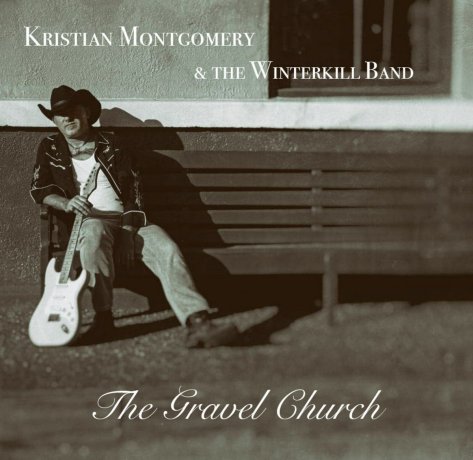
“The Gravel Church” is a studio album from Kristian Montgomery & The Winterkill Band

“I wrote more than half of the record in prison,” he said in a recent chat from his Middleborough home where he and his wife were steaming up some fresh quahogs caught earlier that day. The title of the album refers to the yard — a barbed-wire-fenced patch of dirt — where he was allowed to roam while locked up.

“It was the first time that I’d ever been there. I saw some crazy stuff, and I’m not suggesting it’s a good idea for anyone. I got in a fistfight; I got put in solitary – it was a real horror show. My producer, Joe Clapp kept saying, ‘I’m so sorry you had to go through all this, but man — these songs are awesome.’ I guess the takeaway might be that being a male in probate court is detrimental to one’s health. But these new songs started coming together about starting over, having nothing, and finding a way to build your life back to where you want it to be.”

While the sound of the music he’s making has shifted, some of his most basic goals have not. As the frontman of Bone Dry System, formed in 1992, Montgomery and his bandmates used to covet the elusive spot on WBCN’s Boston Emissions playlist. The show has since moved from WBCN to WZLX to being online-only for the past two years, but “5 Horses” from the new album was the Boston Emissions Song of the Week in early April. With a striking post-apocalyptic tone and it’s “…Might as well go now” refrain, the track speaks to our collective contemplation of mortality as a species in the throes of a global pandemic. It’s appropriately surreal.

Montgomery says the song came to him after watching an old episode of Wild Kingdom on YouTube. The show was uploaded with the iconic ‘Keep America Beautiful’ PSA still tacked on, wherein the Native American horseman cries at the sight of a littered coastline. “It was very spur-of-the-moment, and I came up with the riff on a guitar from Nashville Guitar Company. If there’s a musical influence, it’d be Peter Gabriel.”

Montgomery cites Gabriel and Neil Young as huge influences, along with late Soundgarden frontman, Chris Cornell. Listen closely, and you’ll hear all three come through at different times on The Gravel Church, Cornell being a vocal inspiration throughout. But it was well before he’d ever heard Cornell sing that folks took notice of his voice. As is often the case with standout vocalists, Montgomery cut his teeth singing in church, where his grandmother, who he lived with, conspired with the choir director to bribe him into singing solos.

“When I was a kid, I was in church with my grandmother, and the reverend walked past and heard me singing,” he explained. “I was 10. He pulled my parents aside and said, ‘the kid has pipes, let me give him some lessons.’ It quickly went from hymns to Led Zeppelin. He was a very cool guy, and he’d formerly been a tenor with the Boston Pops. As far as being a reverend was concerned, he was more of a rock star to me. He had this super powerful voice. Sometimes he’d scare people with it, and I envied that power.”

The messages that Montgomery uses his vocal chops to deliver on his new record are more pointed and poignant than most of what’s going on currently in the world of mainstream country. Uninterested in candy-coating, he writes unflinchingly about some taboo topics. “Look at My Child” was penned for his brother-in-law, who returned from war in Afghanistan forever damaged. “The Tracks” is about being a channel of communication for a conspiring pair of co-defendants. Some songs are about events in jail, while others are about healing his life afterward. The opener, “Boston,” describes a love/hate relationship with a city that reads like a metaphor for addiction, while “The Bird Won’t Fly” is about his current wife, his biggest fan and supporter. In spots, he uses startling spoken word segments to illustrate his viewpoints. The resulting feel is of something charged with meaning rather than cooler-and-beach-blanket fluff.

Unsurprisingly, Montgomery feels that the genre we know as ‘country’ has lost its way.

“The genre as it stands today is very propaganda oriented… love your country, support your soldiers, support the war machine,” he said. “Originally, country music was attached to the blue-collar working class. In its classic sense, I draw a parallel between country and punk, which was embraced by the lower class, struggling folks… people of the street. I grew up skateboarding in Harvard Square and getting my head smashed in at punk shows. Over time, punk got less edgy and became the music of the masses, but the message changed less than it has with that of country, which flies in the face of everything it once stood for. Like punk, country music was supposed to question authority and support individual freedoms. Now it seems to be about conformity.”

But while conformity isn’t compelling to Montgomery, getting his music out to more people certainly is. He says he fears releasing new music during a pandemic might be ill-advised. But the flip side of that idea is that more people have time to listen right now than when they’re trying to keep pace with their complicated modern lives. For a man whose manager used to tell him and his Bone Dry bandmates, “You guys are the next Van Halen,” his career in music is more about humility these days. And maybe, on a larger scale, doing his small part to perpetuate some necessary change.

“I think this crazy time is an awakening of sorts,” he said. “I think people are recognizing how hard they’ve been working, blindly pushing along, and how it has affected their families. We’re not meant to just keep going until we can’t go anymore. We’re supposed to be able to enjoy our family and foster relationships. Running ourselves ragged so that there’s nothing of us left shouldn’t have to be the secret to success.”

“A lot of this record is about moving forward,” he continued. “It has plenty of little nuances and details to discover for anyone that wants to spend the time. And as long as the songs mean more to me than to other people, I know I haven’t lost sight of it being a creative thing. You can get lost in that world pretty quickly when it’s not art anymore, when you’re pandering to try and achieve a certain sound or appeal to a specific group of people. I don’t want to become that guy. I’m just another worker among workers.”

For more information about Montgomery or to purchase The Gravel Church and other merchandise, click HERE. The website also contains links to his Facebook, Instagram and YouTube pages.


FILMING LOCATION SPOTLIGHT – “Falcon Crest” (1981-1990)

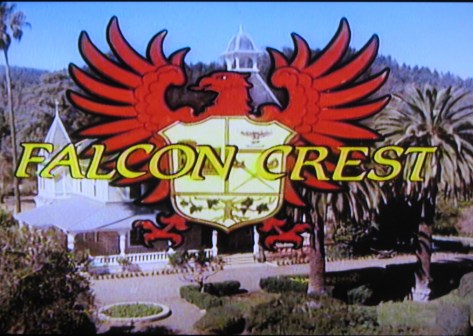
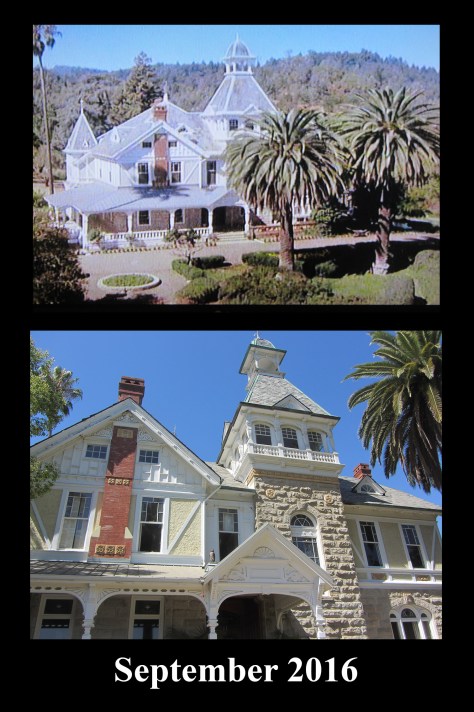
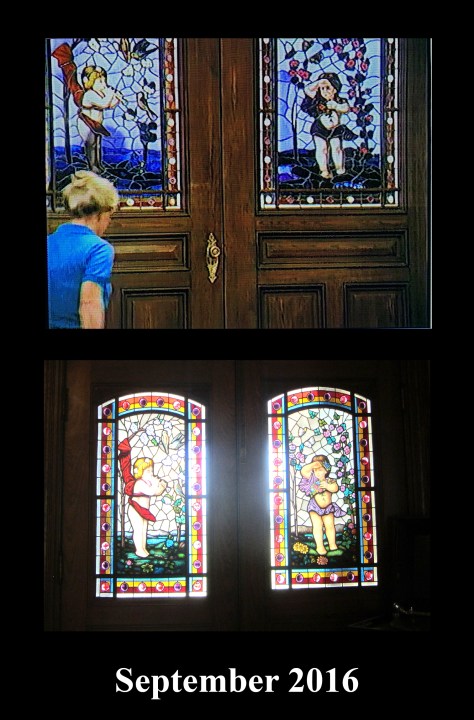
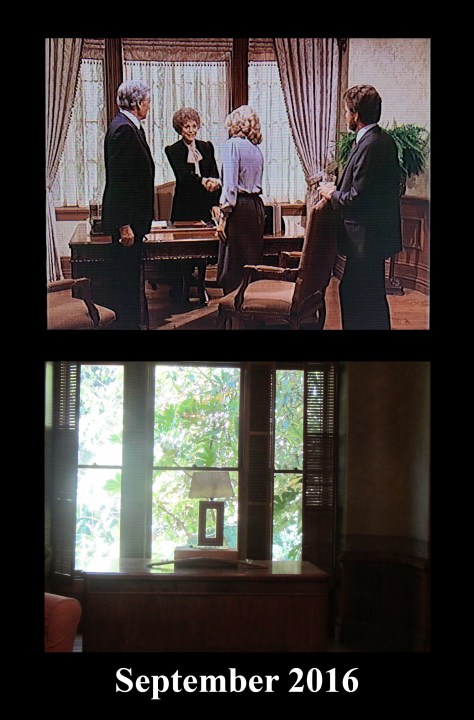
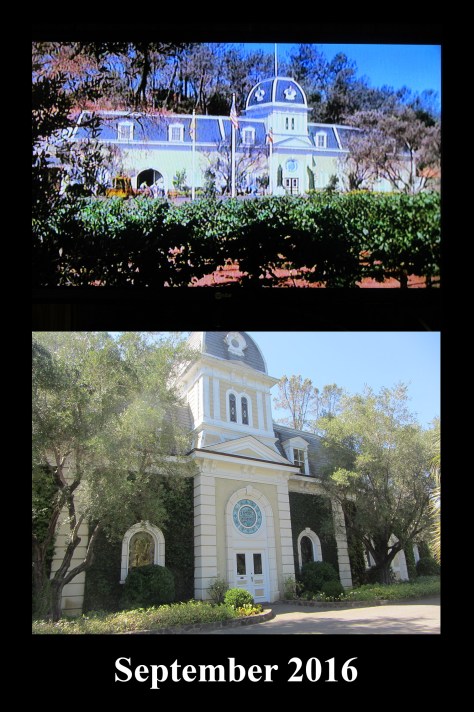
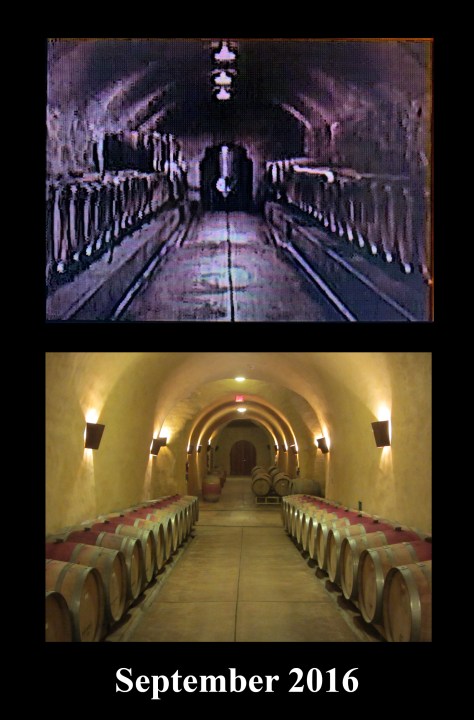
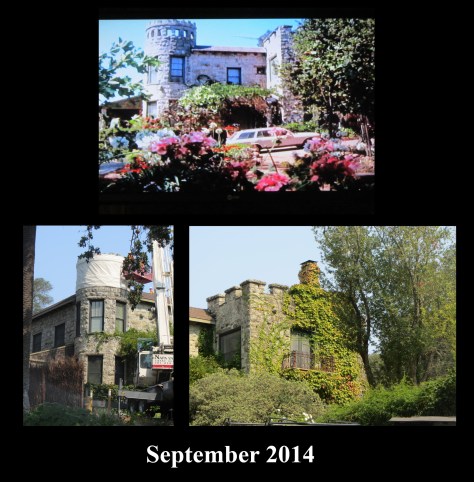
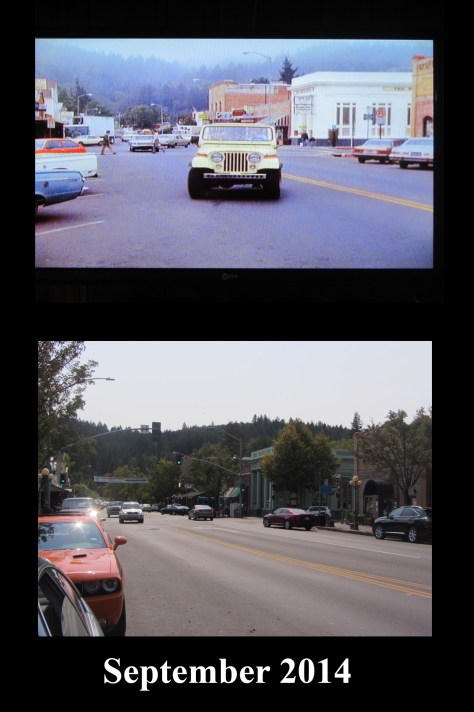
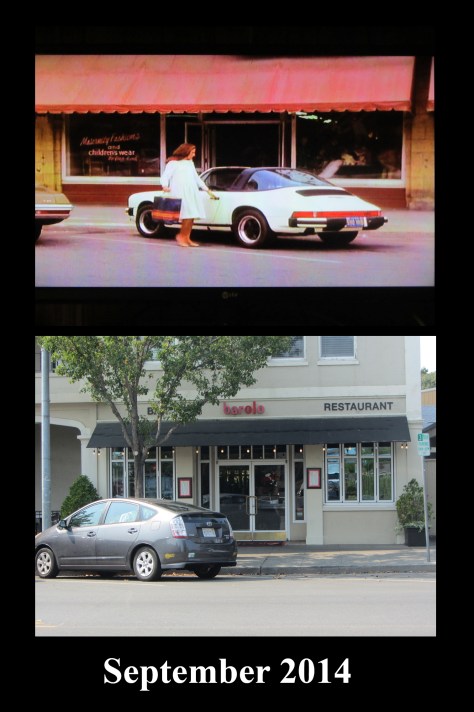
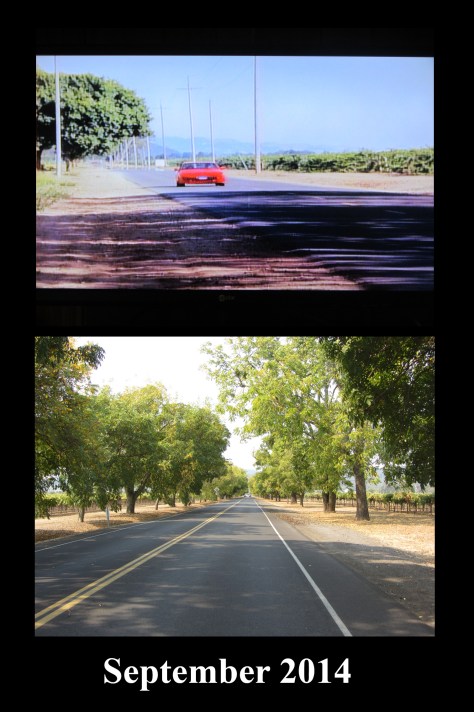
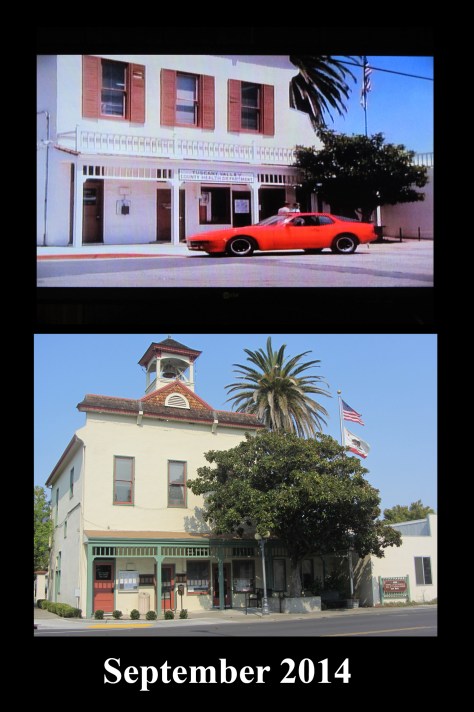
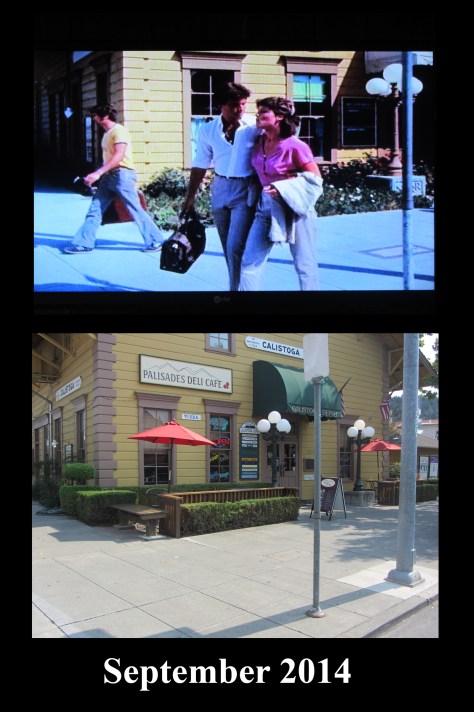
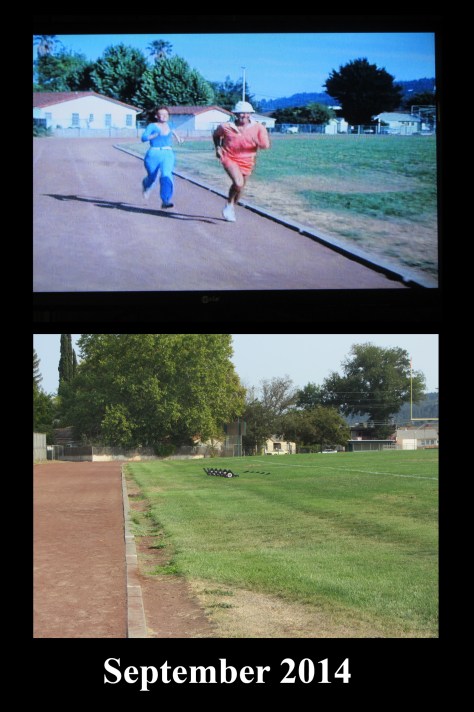
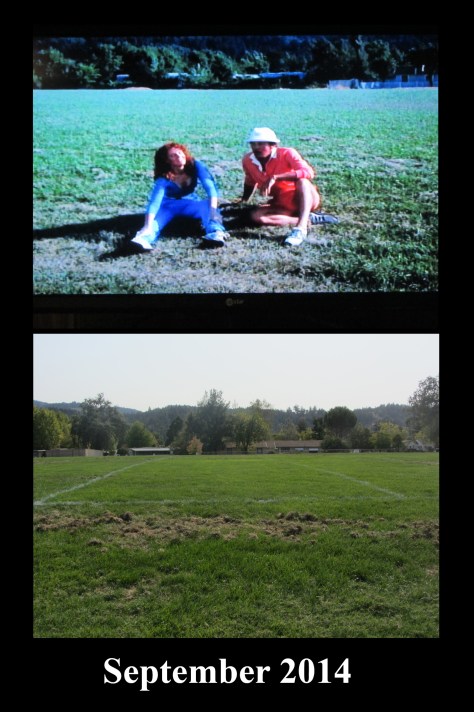
Although our “Filming Location Spotlight” series typically runs on the second and fourth Friday of every month, we decided to post these today since it is the 30th anniversary of when the final episode of Falcon Crest aired on CBS. If some of these photos look familiar, that is because we posted them in 2015.  However, we never posted the photos from our visit to Spring Mountain Winery the following year. Spring Mountain Winery served as the exterior of the estate of Angela Channing (portrayed by the late Jane Wyman) and interior during parts of the first season.

Falcon Crest is an American television show that aired on CBS for nine seasons from December 4, 1981, to May 17, 1990. It aired after Dallas at 10 p.m. on Friday nights for most of its run and a total of 227 episodes were produced. It was a top 30 show for its first six seasons, reaching a peak of #7 during its third season (1983-1984).

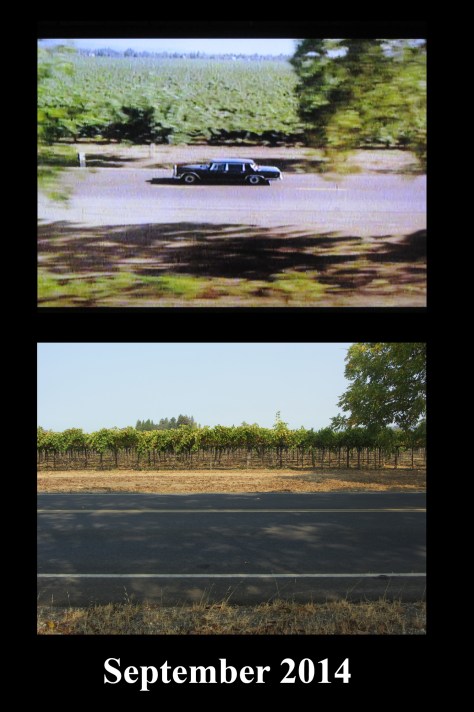
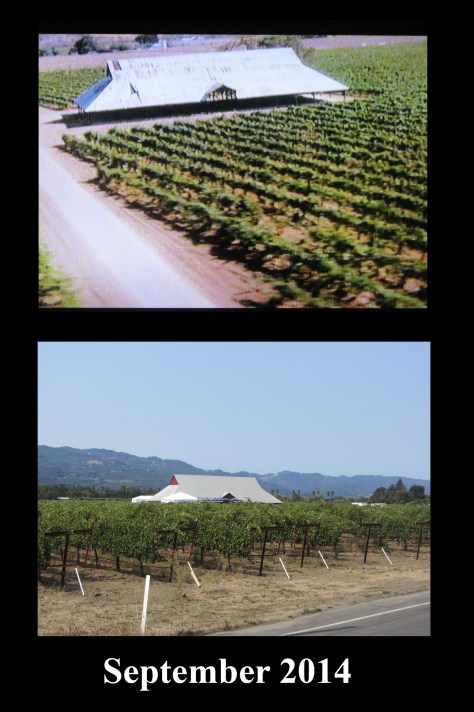
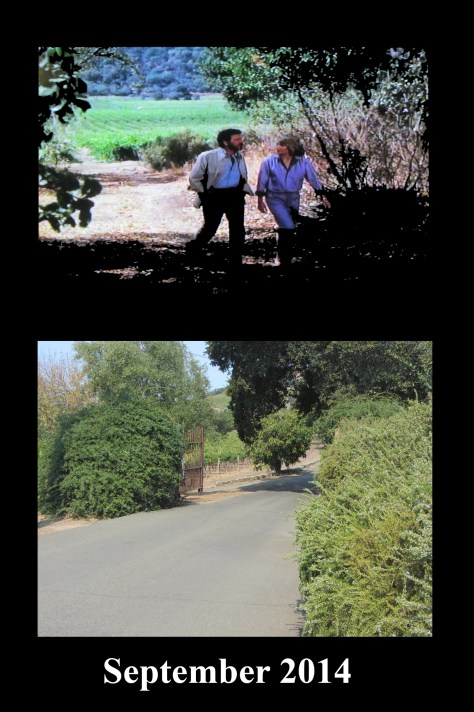
On a trip to Napa Valley, I couldn’t resist taking screen shots from the DVDs of the first three seasons and finding the actual filming locations to see what they looked like today. The top photo is a screen shot taken from the movie while the photo underneath is what the location looks like when I visited.

 “A toast to you, Falcon Crest, and long may you live,” – Angela Channing (May 17, 1990)

The Cassette Chronicles – Bad Company’s ‘Holy Water’

By JAY ROBERTS

The Cassette Chronicles is a continuing series of mini reviews and reflections on albums from the 1980’s and 1990’s. The aim of this series is to highlight both known and underappreciated albums from rock, pop and metal genres from this time period through the cassette editions of their releases. Some of the albums I have known about and loved for years, while others are new to me and were music I’ve always wanted to hear. There will be some review analysis and my own personal stories about my connection with various albums. These opinions are strictly my own and do not reflect the views of anyone else at Limelight Magazine.

WRITER’S NOTE: On May 6th, 2020, singer Brian Howe died as the result of a heart attack. I woke up that morning to discover the news and it hit me like a gut punch. I just loved his voice and the job he did fronting Bad Company between 1986 – 1994. While the band has virtually wiped out Howe’s time with them from their official history, the four studio albums he recorded with them are among the finest melodic rock albums one could hope to hear.

Howe was a pretty darn good songwriter, managing to come up with any number of hard driving rock numbers, the heart-rending ballad and every song style in between. Hell, the guy even co-wrote the lyrics for the song “I’ll Get Even” on Megadeth’s Cryptic Writings album!

The 2010 solo album Circus Bar is one of the best albums I’ve ever heard and it was among my favorites of the year upon its release. You can check out what I wrote about that album HERE.

The death of Brian Howe is a huge loss to his family and friends. The loss to those of us who are fans of his music is markedly different of course, but no less a profound sadness. I can only hope that anyone who hasn’t heard his work before now will soon discover that Howe’s voice was one of the great highlights of rock and roll.

BAD COMPANY – HOLY WATER (1990)

Depending on who you ask, opinions vary about the best of the four studio albums that Bad Company recorded with Brian Howe as the group’s lead singer. A lot of people will say it is Dangerous Age and it would be hard to argue with that choice. It’s a great album and I love it a lot myself.

But if I’m the one making the call, I have to go with Holy Water. The album was the most successful release in terms of sales (it went platinum) during the Howe era and I pretty much consider it their masterwork for this part of their history.

There are thirteen songs on the album and there isn’t a bad one in the lot. As I was listening to the album ahead of writing this piece, I even got to get a new perspective on a trio of the “album track” songs. They didn’t get the airplay as a single release but I got to enjoy them anew as songs that give the album the depth of quality it has.

The first side of the album wastes no time in kicking off things in a rocking fashion with the title track. It bursts out of your speakers and really grabs your attention. It’s the kind of declarative statement that makes you sit up and take notice. As I was researching some information about the album online, I saw that when the “Holy Water” song was released as a single, it became the #1 rock track for a couple of weeks. I’ve listened to this album a lot since it was released but as I listened to the track again, I could definitely recall how I felt when I would hear it playing on the radio as I would listen to 94 HJY out of Providence, Rhode Island.

That song was followed up by “Walk Through Fire” which became a Top 40 single for the band. It’s another pure rocker that gets the blood flowing through your veins. The band had a huge hit with the power ballad “If You Needed Somebody”, which made it into the Top 20. While it does have what would be considered the standard requirements for a song of its nature, I can listen to that track over and over and not get bored with it.

While the remaining three songs on the first side of the album weren’t released as singles, they still give you plenty of bang for your buck. “Stranger Stranger” has an amazing riff that runs through the song. The song rocks but with a slyly seductive groove to it.

The Mick Ralphs-written song “Lay Your Love On Me” closes out the first side with a driving tempo. However, the most surprising discovery for me was actually rediscovering the song “Fearless”. It’s a blast of pure hard rock rhythm that is so surprisingly effective that I found myself singing along to the lyrics.

There’s been a lot of talk over the years about what led to the split and acrimony between Brian Howe and both Simon Kirke and Mick Ralphs. A lot of that talk centers around the songwriting for the band. However, I don’t see how the credits for this album could be such a breaking point for the band. Brian Howe co-wrote seven of the Holy Water‘s thirteen songs. Meanwhile, Simon Kirke wrote one song on his own and co-wrote another. Mick Ralphs had “Lay Your Love On Me” on his own and co-wrote three other songs.

But regardless of who wrote what, I have never been able to understand why the band grew apart. I mean, the album is full of great material. Yes, it is a dramatically different sound than the classic rock origins of the band. But as a confirmed fan of the more melodic rock stylings, this album is one of the highlights of that genre.

If you can’t take my word for, then just flip the album over to side two and check out songs like “With You In A Heartbeat”, “I Don’t Care” and “Never Too Late”. While the album is chock full of great straight up rockers, it closes on a decidedly more mellow note. Simon Kirke sings lead and plays the acoustic guitar on “100 Miles”. It’s a decidedly upbeat song and it kind of gives you a preview of the direction of his songwriting would go on the solo albums he did in 2011 (Filling The Void) and 2017 (All Because of You).

Much like “Fearless”, the songs “Dead of the Night” and “I Can’t Live Without You” became moments of re-discovery for me as I listened to the album. They are both hard rocking numbers with explosively melodic choruses heightened by a big backing vocal sound. Once again, I found myself singing along to these tracks.

I’m a fan of storytelling, whether it be in a book or through song. And the opening song on side two feeds my love of story. “Boys Cry Tough” was a monstrously successful song on the rock charts (it went to #3) even without being released as an official single. The story of Bobby and Mary has a clearly defined narrative. As a listener, you become involved in the storyline. It’s a prime example of how to tell a story through song and when you add in the fantastic music that backs up Brian Howe’s superb vocal performance on the song, you have the showcase track of Holy Water.

While it may have taken the death of Brian Howe to get me to write about this album for The Cassette Chronicles, what matters most is that I get to share my love of the album with people. This year marks the 30th anniversary of it’s release and for my money the Holy Water album is one of the finest albums I have in my collection.

NOTES OF INTEREST: Terry Thomas produced Holy Water but he was deeply involved in all aspects of the recording as well. He co-wrote eleven of the songs and played guitar and keyboards (the cassette liner notes list it as Hammond organ) and added backing vocals as well. He and Brian Howe had worked together on Howe’s 1997 solo album Tangled In Blue and he was also the producer for the Bad Company albums Dangerous Age and Here Comes Trouble.

Brian Howe re-recorded the song “Holy Water” for his Circus Bar album but gave it a significant re-do for an entirely different spin on the track. I love the original song as I said, but if you hear the new version he did, you’ll be shocked to discover how powerful it is.

I have only seen Bad Company in concert once but it was with Brian Howe on vocals. It was during the tour for the Dangerous Age album. I can still remember the T-shirt I bought when I saw them play the Orpheum Theatre in Boston. They had Winger as their opening act.


EDITORIAL – Why rescheduled shows in reduced capacity venues won’t work?

[This is the first in a series of editorials related to Covid-19’s impact on JKB Entertainment Group/Limelight Magazine.]

While no one knows with absolute certainty when the concert and event business will make a full scale return due to the Covid-19 pandemic, we’ve seen many posts from our readers, fans and friends on social media about artists playing rescheduled shows in venues with reduced capacities. Although this is a hopeful idea that could possibly work for newly announced shows, it would result in major losses for venues and promoters across the board for rescheduled shows.

JKB Entertainment Group/Limelight Magazine has been booking national touring acts at various venues throughout New England since 2009. So far, we have booked 95 shows (7 as Limelight Magazine and 88 as JKB Entertainment Group) with acts from all genres of music, including classic rock (e.g. The Zombies, Justin Hayward of The Moody Blues, Jon Anderson of Yes), ‘80s pop (Richard Marx, The Fixx, The English Beat), metal (Michael Schenker Group, Nita Strauss), alternative rock (Candlebox, Ed Kowalczyk of Live), boy bands (O-Town) and everything in between.

When a show is booked, there are several variables that factor into the ticket price, including artist fee, backline, hospitality (meals/lodging), security, sound tech, insurance, rent, and marketing costs. After developing the budget, the ticket price is set based on the capacity of the venue. In most cases, promoters need to sell between 70% and 80% of the house to break even. In some cases, it can be even higher, especially for superstar touring artists. Anything sold beyond that is your profit unless the artist is getting a backend or percentage on top of your breakeven point. [Federal and state taxes still need to be taken out of your profit].

So, if a venue has a capacity of 400 and it is reduced by 50% due to social distancing requirements, you would be taking a significant loss at selling 200 tickets because you needed to sell 300 (75% capacity) to break even. To keep the math simple, a ticket price of $35 would mean that a loss of $3,500 is automatically incurred (assuming you’ve sold all 200 tickets). Venues that have bars could make up some of that revenue, but in a reduced capacity house, alcohol sales will be much lower than before.

When a show is postponed to a new date (which we’ve already had a few), our contract with the artist is still for the original capacity of the venue. Reducing capacity to anything less than 75% would mean we have to enforce force majeure, which is a common clause in contracts that essentially frees both parties from liability or obligation when an extraordinary event or circumstance beyond the control of the parties (i.e. Covid-19 pandemic) prevents one or both parties from fulfilling their obligations under the contract.

There is also the notion that artists will lower their fees in order to still play. The likelihood of that is unlikely because of their touring expenses. Most artists lose 10% of their performance fee to their booking agent, between 10% and 20% to their manager, and, in some cases, a percentage or flat rate to their publicist. After these expenses are deducted, they need to pay their road crew, liability insurance, transportation costs, withholding taxes, other miscellaneous expenses, and finally themselves. Although it depends on each individual artist, most acts that play clubs or performing arts centers have told us they typically receive between 30% and 40% of the artist fee. Superstar acts may get a higher percentage depending on the production element of their tours. It should be noted that with reduced capacities and social distancing requirements, artists will be selling less merchandise on the road and meet and greets will likely be put on hold for the time being. On top of this, many smaller venues may not be able to properly self-distance, but that’s a whole other issue for another editorial.

Since none of us know what the future holds, we’ve only booked one show since the pandemic started. This show would easily be a sellout before the outbreak but we aren’t even announcing it for fear it will be postponed to sometimes in 2021. But one thing is certain, we will not be able to reschedule any shows in venues with reduced capacities and any artists we book in the future will have Covid-19 related language in their contracts. It’s the only way we can move forward in these challenging times.

FILMING LOCATION SPOTLIGHT – “DEATH WISH 2” (1982)

On the second and fourth Friday of every month in 2020, Limelight Magazine will spotlight the filming location site(s) we visited for some of our favorite (and not so favorite) films. Today we spotlight the filming location for Death Wish 2. The film, which once again starred Charles Bronson as vigilante Paul Kersey, was released in 1982. The top photo is a screen shot taken from the movie while the photo underneath is what the location looks like today.

This filming location used for Paul Kersey’s home is located at 1203 South Crescent Heights Boulevard in Los Angeles, CA.

The Cassette Chronicles – Accept’s ‘Restless and Wild’

By JAY ROBERTS

The Cassette Chronicles is a continuing series of mini reviews and reflections on albums from the 1980’s and 1990’s. The aim of this series is to highlight both known and underappreciated albums from rock, pop and metal genres from this time period through the cassette editions of their releases. Some of the albums I have known about and loved for years, while others are new to me and were music I’ve always wanted to hear. There will be some review analysis and my own personal stories about my connection with various albums. These opinions are strictly my own and do not reflect the views of anyone else at Limelight Magazine.

ACCEPT – RESTLESS AND WILD (1983)

When it comes to opinions about German metallers Accept and their music, it does seem to be that a lot of the time, people kind of just start with their best known song “Balls To The Wall” (from the album of the same name). The stuff that comes before tends to be at least a little bit forgotten for some reason.

It is a considerably strange notion considering how many songs the band came up with prior the “Balls To The Wall” track that are still thought of as classic tracks to this day. I’d written about the band’s self-titled debut album in a previous article in this series. However, I thought it might be time to get around to writing a little bit about one of the other Accept albums I have in the Big Box of Cassettes.

Released in the US in 1983, the Restless and Wild album is the immediate predecessor to the Balls To The Wall album. It wastes little time in blowing the doors off your expectations with the song “Fast As A Shark”. Considered one of the earliest and best examples of “speed metal”, this bull in a china shop kind of song continually throttles the listener with an intensely relentless pace.

The title track is another classic track for the band. In fact, the first four songs (including “Ahead of the Pack” and “Shake Your Heads”) are all some of the band’s finest early work. It is songs like these that make a deep dive into the band’s discography a great treasure hunt for any metal fan. As I was listening anew to “Shake Your Heads”, I was struck by the slight similarity in the lyrics to Quiet Riot’s “Metal Health (Bang Your Head)”. Not the exact lyrics per se but the similarity in the celebration of fan reaction to metal music in general. Given that both songs were released in 1983, it just struck me as a great potentially unrealized coincidence.

But for me, the band kind of lost the plot a little bit after those first four songs. While there is a bit more artistic depth in the songwriting to “Neon Nights” (not a cover of the Black Sabbath song), it just was kind of mediocre to me. When you flip the cassette over to Side Two, that sense of the mediocre continues with “Get Ready”. “Demon’s Night” and “Don’t Go Stealing My Soul Away” are decent enough rockers but I don’t think they’d be spotlighted as amongst the best the band has to offer.

I had listened to the CD version of the album back in the middle of 2019 and thought “Flash Rockin’ Man” was a little bit of a mis-step too. But when I listened to the album for this article, I actually found myself enjoying it more than I did in the past. There’s a driving sense of urgency to the music that made the song a bit more catchy to my ears this time around.

The album closes with “Princess Of The Dawn”. The song has a kind of claustrophic feel to it. The song is one of the better known songs from the album. I like it, as it definitely highlights the band’s increased songwriting craft. But the thoroughly abrupt way the track ends will leave you wondering what the hell they were thinking. It doesn’t feel like the track had reached its natural endpoint but rather someone had shut off the recording machines at the most inopportune of times.

I’ve long considered myself an Accept fan. However, like a lot of people I first became aware of them because of the “Balls To The Wall” song. In my defense though, I didn’t just stop there. That song served as the catalyst for me as I’ve done many a deep dive into the band’s entire catalog. I own most of their albums and there are so many gems to check out. I was actually going through my music collection a few weeks back and I spent most of a day pulling out all the Accept material I own and found myself with a sense of renewal as I went through the albums in chronological order.

Accept has earned their place in metal history and while I found at least a couple of tracks on Restless and Wild to be decidedly problematic for my tastes, you can bet your ass that when you listen to this album, you will come to understand just how important the album is in the evolution of the band’s career.

NOTES OF INTEREST: The Restless and Wild album has two different covers. The version that was originally released in Europe in 1982 has a photo of two guitars on fire. When the album was released in the US and UK in 1983, that album art had been replaced by a live shot of the band. I own the band shot on cassette and I have a CD version of the album that features the guitars aflame.

The guitar work on the album has a bit of a story to it. Accept had hired guitarist Jan Koemmet before they recorded Restless and Wild. However, his tenure with the band was very short and he didn’t play a note on the album. The album’s liner notes list Herman Frank as part of the lineup, but while he was the replacement for Koemmet, he didn’t actually play on the album either. Instead, Wolf Hoffman was responsible for all the guitar tracks.

In 2018, I saw Udo Dirkscheider (under the band name ‘Dirkschneider’) performing a full set of Accept songs with his U.D.O. band. They played “Princess Of The Dawn” and “Fast As A Shark” from the Restless And Wild album during the set.


The Cassette Chronicles – Quiet Riot’s ‘Quiet Riot’ (1988)

By JAY ROBERTS

The Cassette Chronicles is a continuing series of mini reviews and reflections on albums from the 1980’s and 1990’s. The aim of this series is to highlight both known and underappreciated albums from rock, pop and metal genres from this time period through the cassette editions of their releases. Some of the albums I have known about and loved for years, while others are new to me and were music I’ve always wanted to hear. There will be some review analysis and my own personal stories about my connection with various albums. These opinions are strictly my own and do not reflect the views of anyone else at Limelight Magazine.

QUIET RIOT – QUIET RIOT (1988)

In 1983, Quiet Riot rose to the top of the metal world on the basis of their Metal Health album. They were, so to speak, the “kings of the world”. Great things seemed to lay ahead for them.

By 1988, the metal world had pretty much passed them by. The decade where metal ruled the world had pretty much left the band in the dust. This would be due in large part to the fans moving on from them and other bands sick and tired of listening to vocalist Kevin DuBrow badmouth them in the press.

But 1988 also saw the other members of Quiet Riot firing of Kevin DuBrow from his own band and the hiring of former Rough Cutt vocalist Paul Shortino. This lineup switch brought about a very different sound for the band on the Quiet Riot album. Gone was the bombastic metal explosiveness. Instead, when you listen to this album, you find that this is more of a bluesy hard rock sound for the band.

I’ll be the first to admit that I’d long moved on from Quiet Riot at this point. I vaguely recall seeing a video that I think came from this album and when I heard the music in 1988, I found myself thinking, “What the hell is this?” and never bothered to check out the album itself. It was deciding to write this article that brought about my first time listening to the release.

And I’ve got to say that I was pretty surprised to find myself really liking a lot of what they had to offer here. Yes, the sound is completely different and those who only want “Cum On Feel The Noize” are sure to never give this album its due.

The song “Stay With Me Tonight” was the single released and it leads off Side One. I can’t say that this was the song I saw the video for, but it does seem likely that it was. I may not have thought much of it three decades ago but as I listened to it now, it was a pretty effective song. Yes, time changes and so did my opinion.

I wasn’t crazy about how the production sound on Shortino’s vocals were done on “Callin’ The Shots”. They were overproduced and made it sound kind of fake and poorly edited together or something. The song “Run To You” really drives home that bluesy sound with it’s slow burn tempo. However, the addition of a big backing vocal part on the chorus threw the song’s balance off for me.

But then Side One closes out with a couple of really solid rockers. “I’m Fallin'” is a damn good song but the band really cuts loose on the song “King of the Hill” which has a pretty vibrant sound and vibe to it even now. By the way, the latter song was co-written by former Yes guitarist Trevor Rabin.

With the addition of Shortino to the lineup, he was pretty involved with the songwriting along with drummer Frankie Banali, guitarist Carlos Cavazo and producer Spencer Proffer. While there were other contributors along the way, this was the main grouping of songwriters for the album. However, with change being the only sure thing when it comes to the Quiet Riot lineup, Shortino was not the only new addition to the group’s lineup. Chuck Wright had left the band and they replaced him with Sean McNabb.

The second side of the album features a brief instrumental called “Lunar Obsession”. It is less than two minutes long and sadly, it just felt out of place to me and it really didn’t seem to need to be included.

Other than that, Side 2 ROCKED! Songs like “The Joker” and “Empty Promises” were electrifying, just pure burn rockers. The band was on fire with “In A Rush”, a song that saw the pacing match the title but in a good way.

The power ballad influence was felt most strongly with the song “Don’t Wanna Be Your Fool”. It starts off as you might expect with a slow but steady tempo. But it gradually gets stronger and faster. By the end of the song it is more of a straight ahead rocker and you kind of forget the ballad like beginning.

In 1988, the lyrics for “Coppin’ A Feel” might’ve raised an eye or two but most likely would’ve been overlooked for the most part. These days, the lyrics are slightly more problematic. Still, as a whole the song is just a killer.

I was looking up the album online and while this one did seem to do slightly better than the QR III album, it was still seen as a big disappointment. I guess I can understand that if we were still in 1988. But in the here and now, I really have to say that despite a couple of speed bump tracks the Quiet Riot album is actually a damn fine piece of work. It may be unappreciated by the majority of metal fans, but you can count me in as one who will tout the positives from this album from this point forward.

NOTES OF INTEREST: Drummer Frankie Banali is the one mainstay of the group to this day. Currently, he’s battling Stage 4 pancreatic cancer and just recently a GoFundMe page has been set up to help pay for his medical bills.

Quiet Riot split up after touring for this album. There was a live release coinciding with the tour for the album called ’89 Live In Japan. There’s been some confusion about the true name of this album as well. It is the second album from the band to be self-titled. It has apparently also been called QR IV. Meanwhile, Paul Shortino has said the title is just QR.

This was the only studio album that Paul Shortino recorded with the band. He’s gone on to play in variety of bands including King Kobra and Appice. He’s also got his own band, Shortino. If the global health crisis that is going on at the time of this article’s publication doesn’t cancel it, Shortino (the band) will be part of the first day lineup at the New England Rock Fest in Chicopee, MA on Friday August 14th , 2020 and feature ex-Dio guitarist Rowan Robertson in the lineup.

Sean McNabb has had a prolific music career following his time with Quiet Riot. He’s played with House of Lords, XYZ and Dokken. He was also with Great White for three separate stints including recording the Can’t Get There From Here album, my personal favorite Great White album. He’s also done acting work including appearing on the Sons of Anarchy and Mayans M.C. TV series.

Preacher Jack’s interview with Limelight Magazine from 2008

PUBLISHER’S NOTE – Lifelong musician John Coughlin, also known as Preacher Jack, recently died in a long-term care home in Massachusetts, of Covid-19. Our staff writer at the time, Ian Abreu, who is currently a City Councilor in New Bedford, MA, interviewed Preacher Jack for a story in our spring issue of Limelight Magazine 12 years ago. Since this story originally only appeared in print, we are sharing it today in his memory. RIP Preacher Jack  

By IAN ABREU

At the ripe-old age of 66, “Preacher” Jack Lincoln Coughlin still possesses the same passion for the up-tempo, boogie-woogie style of music he felt as a 13-year-old back in 1955 when his mother bought him his first piano.

“I’ll never forget this, when I was 13, I was watching Liberace on television and my mother had just given me this piano,” said Coughlin. “Well I start to see him do this boogie-woogie style of music and it just captivated me. I knew this was something I had to do.”

Boogie-woogie is a style of piano-based blues which became very popular in the late 1930’s and early 1940’s and its elements can be heard in big band, country/western, and even gospel music.

“I want to mix all races and ages when I play,” said Coughlin. “In the past, I’ve played for gangsters and cops at the same time. That’s my mission, to bring quality music to every and anyone. I’d like to maybe give people a taste of church without having to go to church.”

Long-time friend and manager Peter Levine believes that “Preacher” Jack’s sheer love for music is what truly ignites his soul.

“His appeal after all these years is his love of the music – which pours out of every pore on his body each and every time he plays out,” he said. “He loves the music, it’s his life, not a fad. He makes you feel good when he plays, which in all honesty isn’t what you necessarily get these days.”

Some of Jack’s main musical influences include: Hank Williams Sr., Liberace, Mahalia Jackson and Jerry Lee Lewis.

With the help of people such as Levine and Boston native and Extreme lead singer Gary Cherone, “Preacher” Jack has just released a new LP on Bill Hunt’s Cow Island Music label called Pictures From Life’s Other Side, which features 18 tracks of both original and covered material.

“First of all, I want to state how much I appreciate what Peter (Levine) has done, he’s essentially brought my career back, has found me work, and believes in me,” said Coughlin, who now resides in Salem, Ma. “This latest record wouldn’t have happened if it also weren’t for Gary Cherone, either, he gave me the studio time and paid for it out of his own pocket.”

With over 45 years of pounding the keyboard under his belt, “Preacher” Jack feels that his message of spreading the word about his love of boogie-woogie does not go unnoticed with the younger generation whenever he performs.

“One of my goals every time I play is to bring the best of what really is American music to the ‘new world’ of music fans,” he said. “I want people to notice that underneath my kisser, I’m just a pure lover of gospel and boogie-woogie.”

If you’re interested in finding out more information about booking Jack for your private party, corporate function, club, or lounge, contact manager Peter Levine by phone at 617-930-1121 or by e-mail at Petel39@aol.com.

“Jack is one of the finest entertainers I have ever seen,” said Levine. “He was born to entertain and in the 18 years that I have been seeing Jack, he has never disappointed an audience.”

You can also visit “Preacher” Jack’s myspace page at www.myspace.com/thepreacherjack which feature an innumerable amount of both pictures and songs.

College courtesy of longtime Preacher Jack fan Frank Chip Langille.


FILMING LOCATION SPOTLIGHT – “Mommie Dearest” (1981)

On the second and fourth Friday of every month in 2020, Limelight Magazine will spotlight the filming location site(s) we visited for some of our favorite (and not so favorite) films. Today we spotlight the filming location for Mommie Dearest. The film, which starred Faye Dunaway as legendary actress Joan Crawford, was released in 1981. The top photo is a screen shot taken from the movie while the photo underneath is what the location looks like today.

This filming location used for Joan Crawford’s home is located at 417 Amapola Lane in Bel Air, CA.