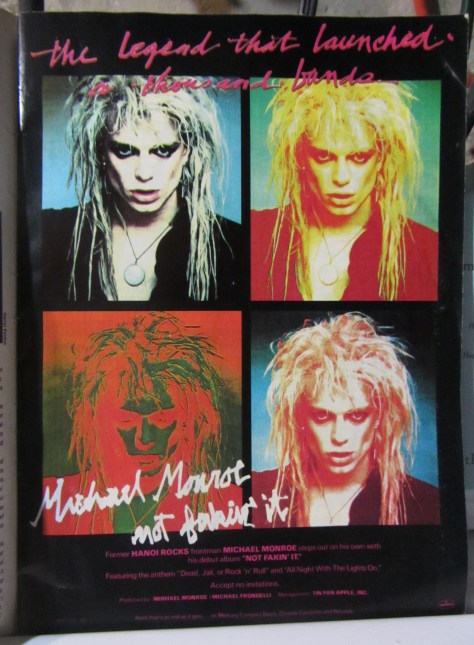
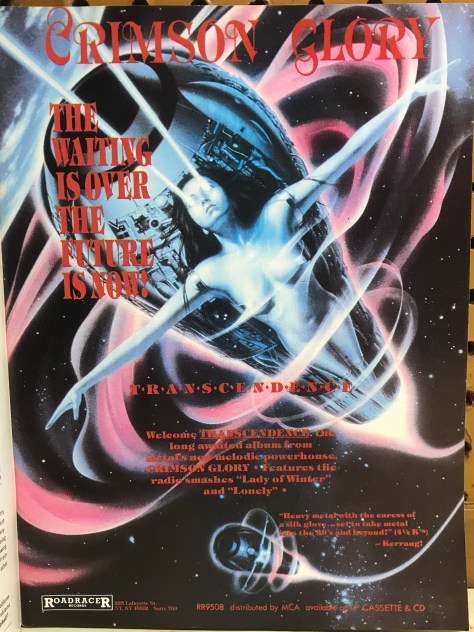
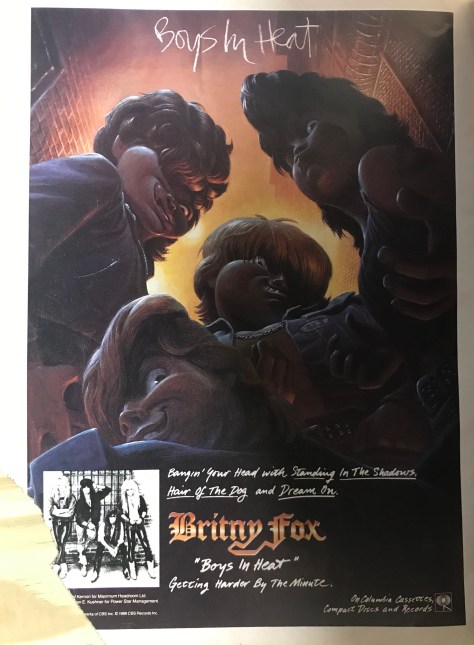
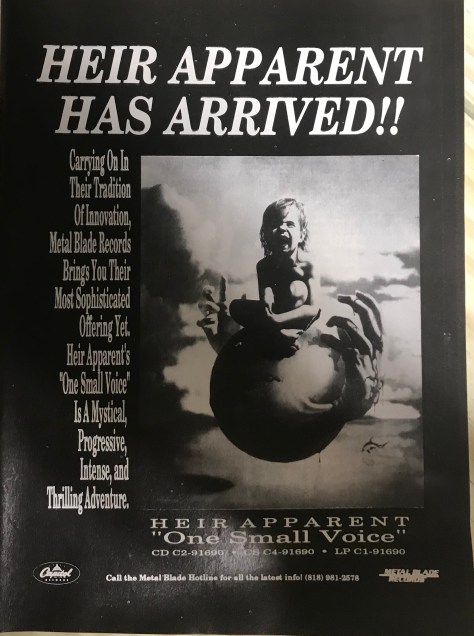
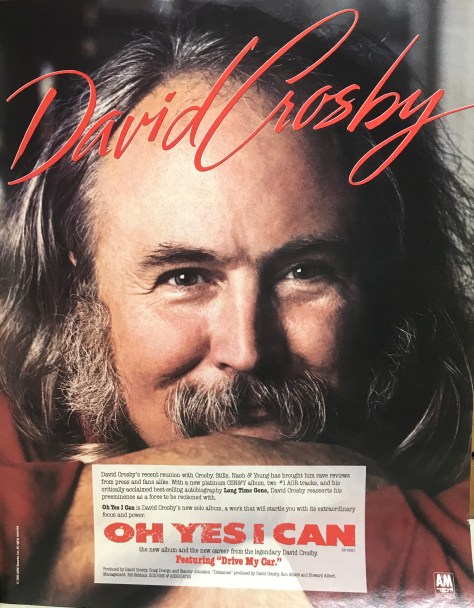
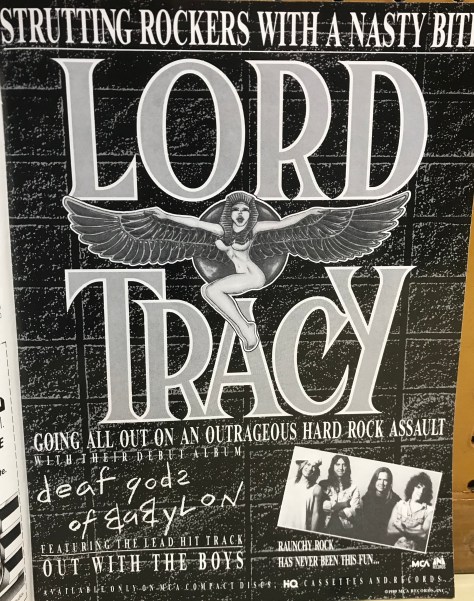
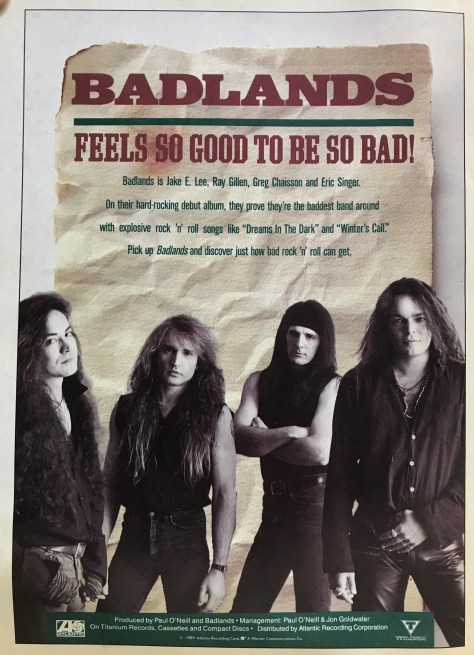
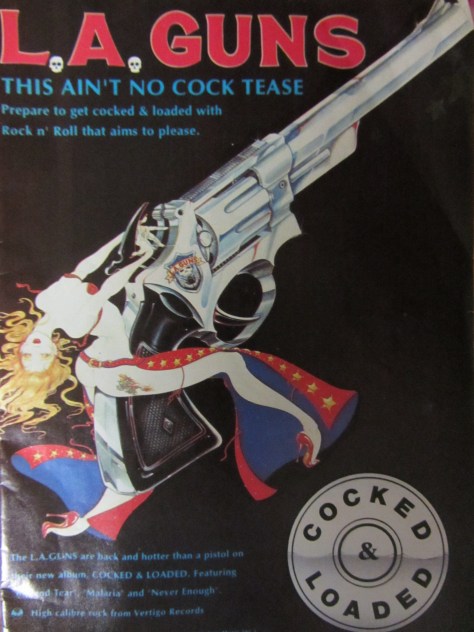
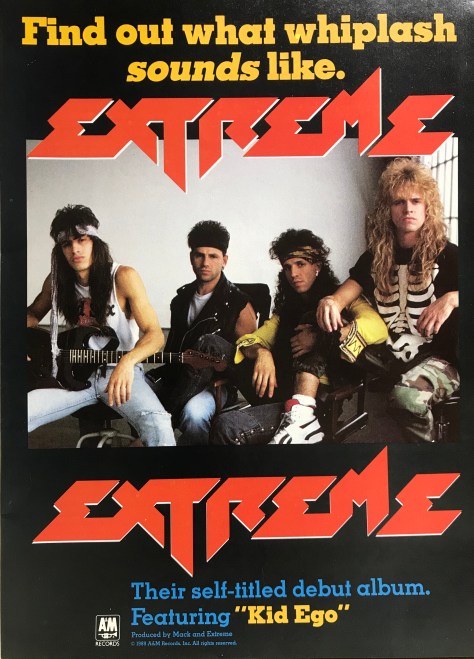
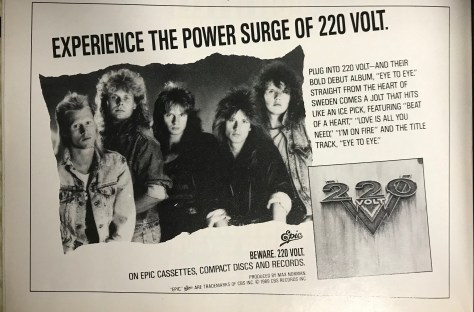
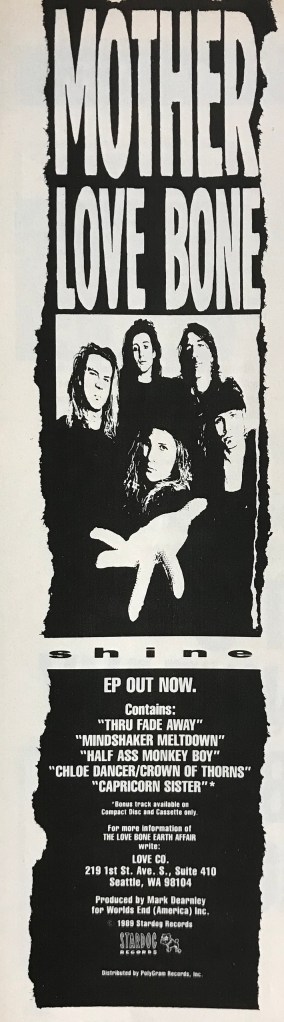
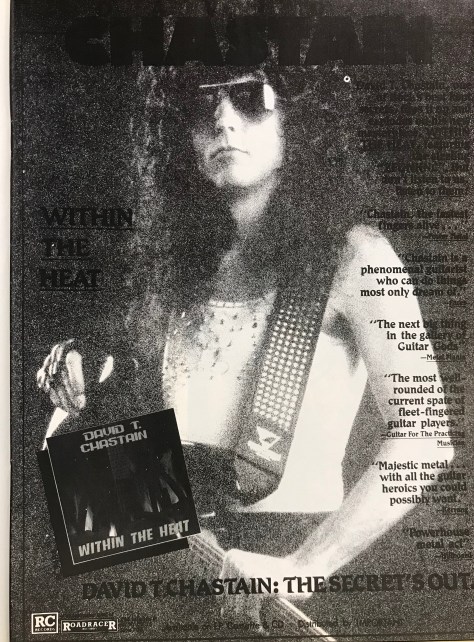
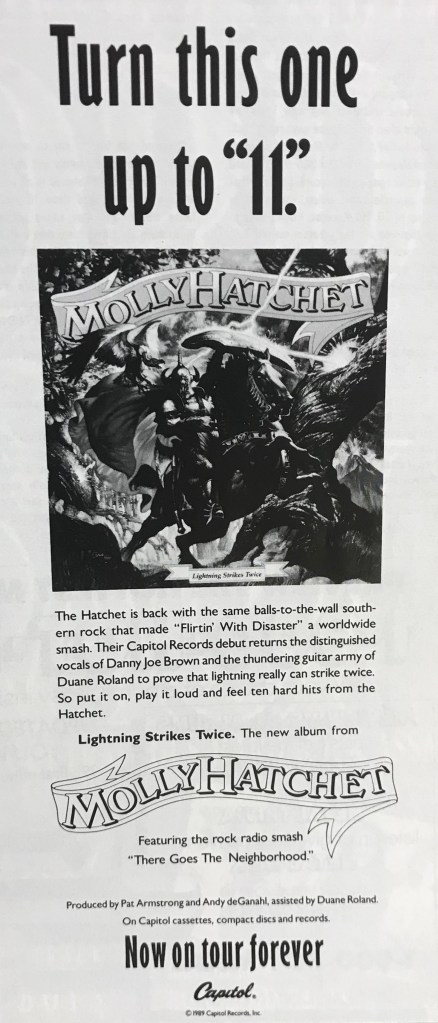
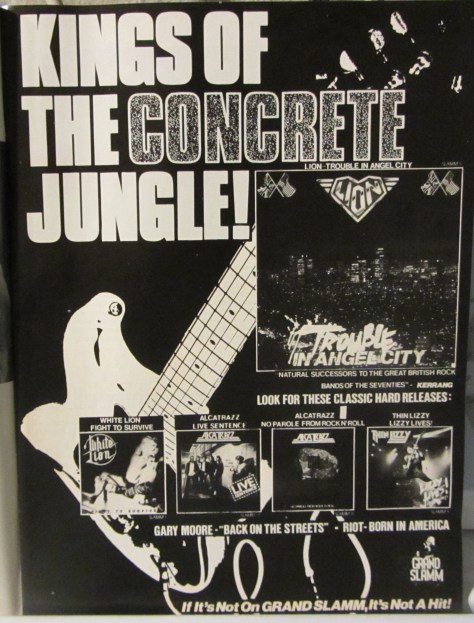
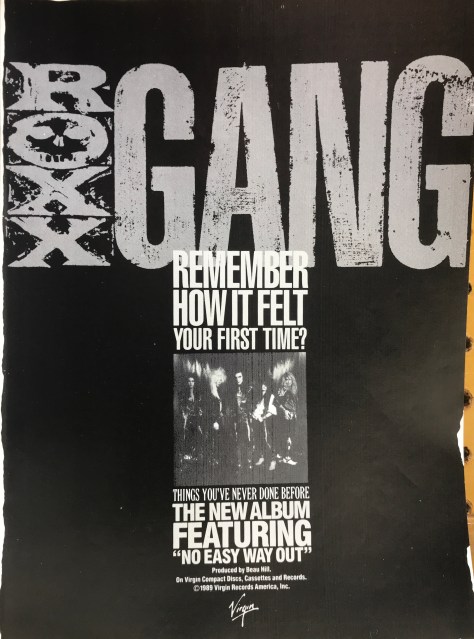
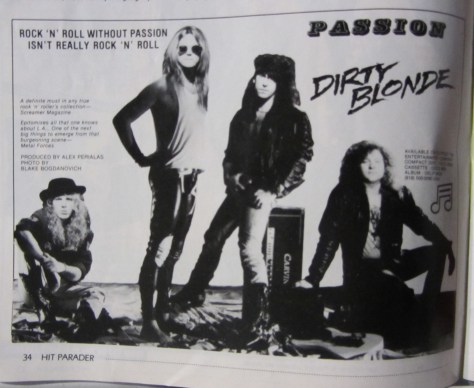
Every Sunday Limelight Magazine featured an album from 30 years ago that we had an actual ad taken from a magazine from that year on our social media pages. Here are all the ads that were featured in 2019.

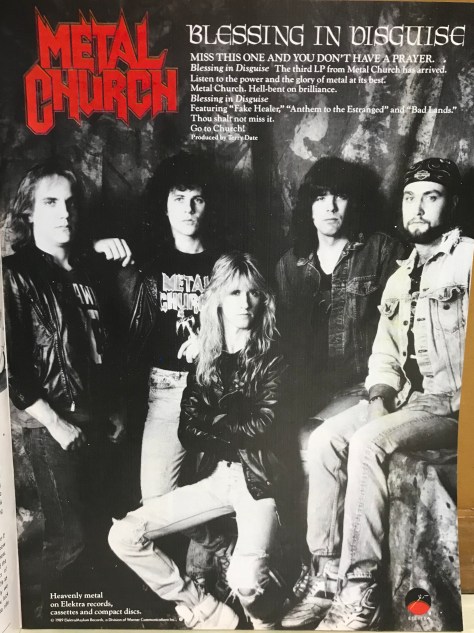
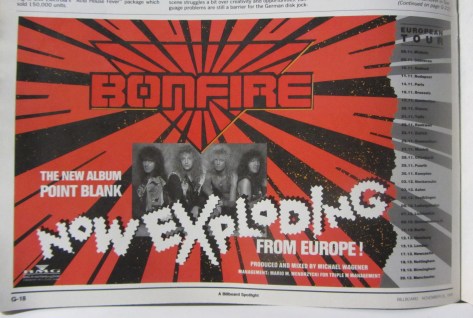
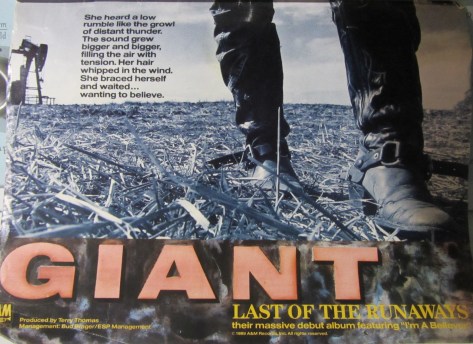
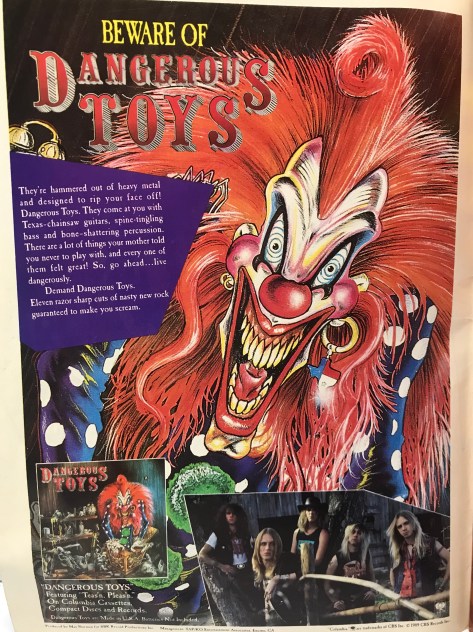

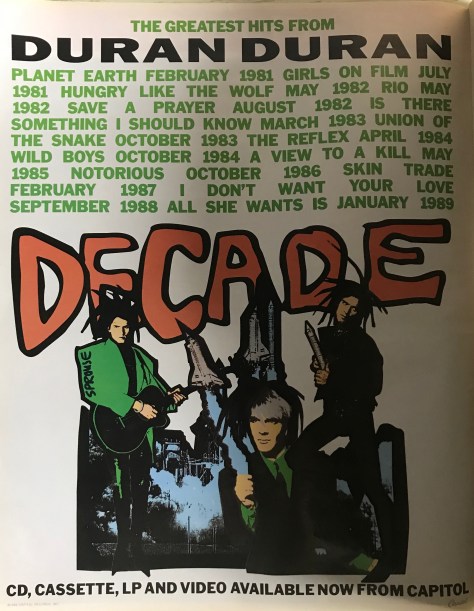
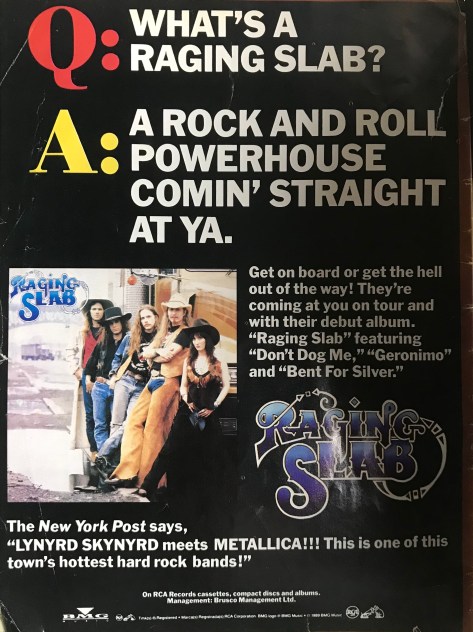
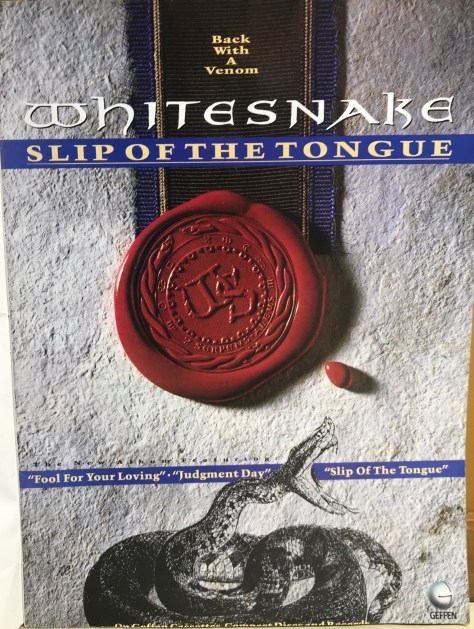
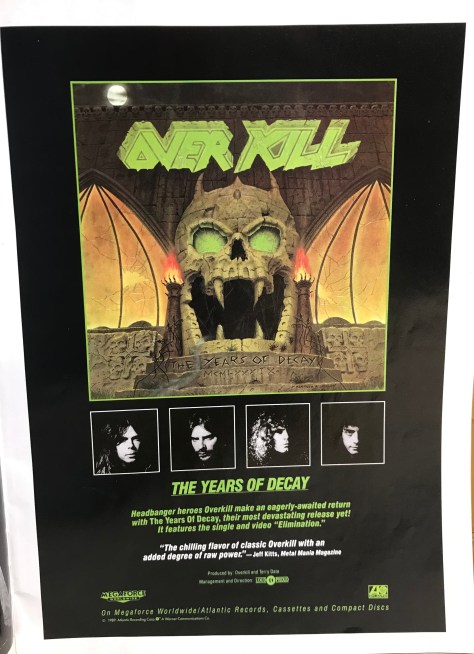
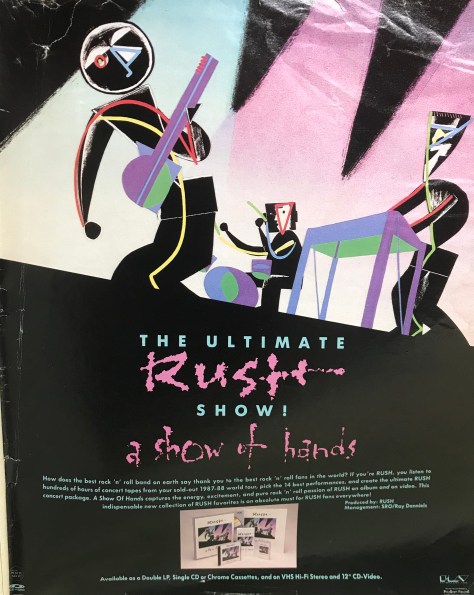
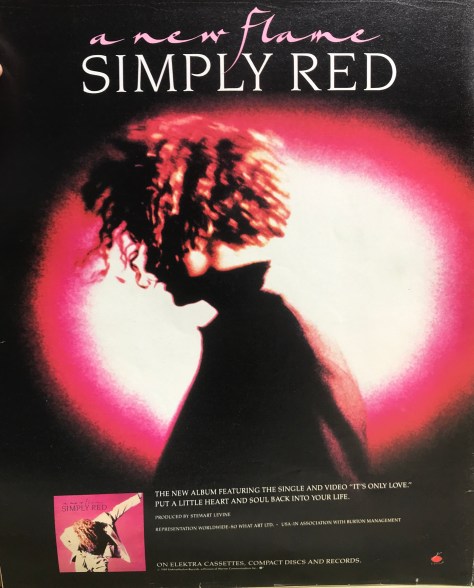
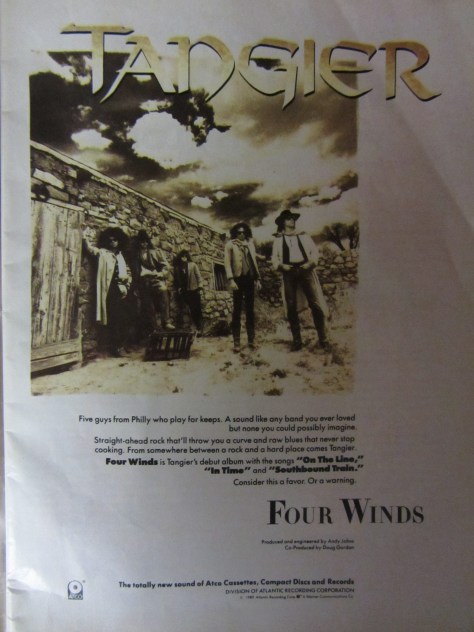
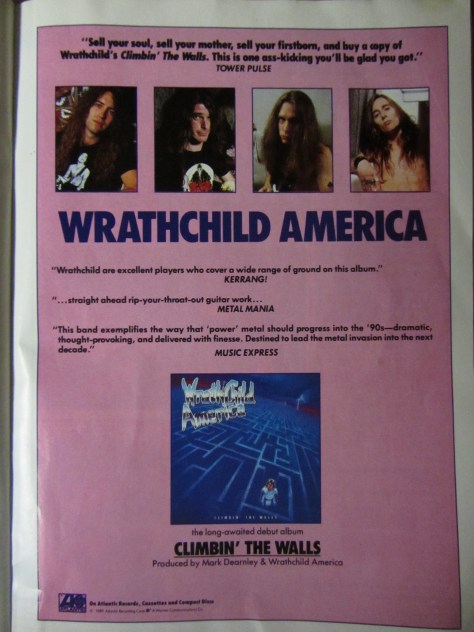

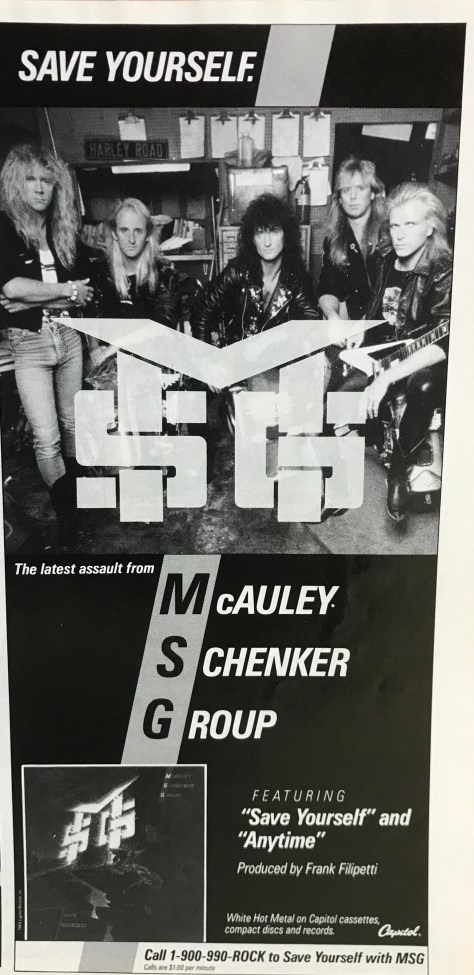
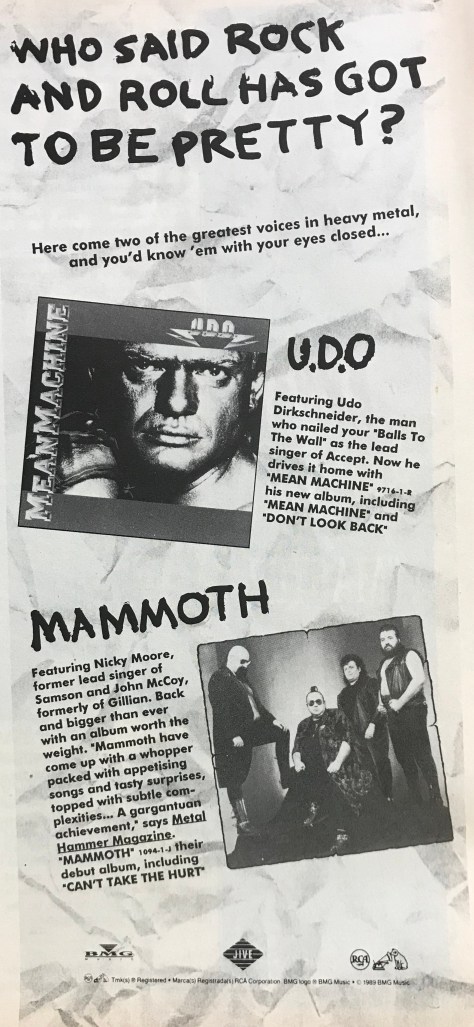
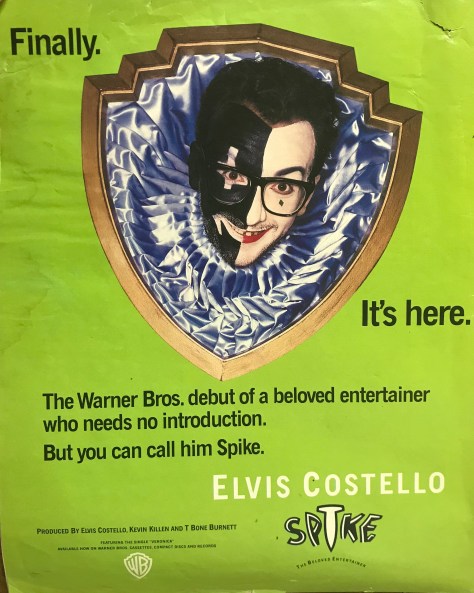
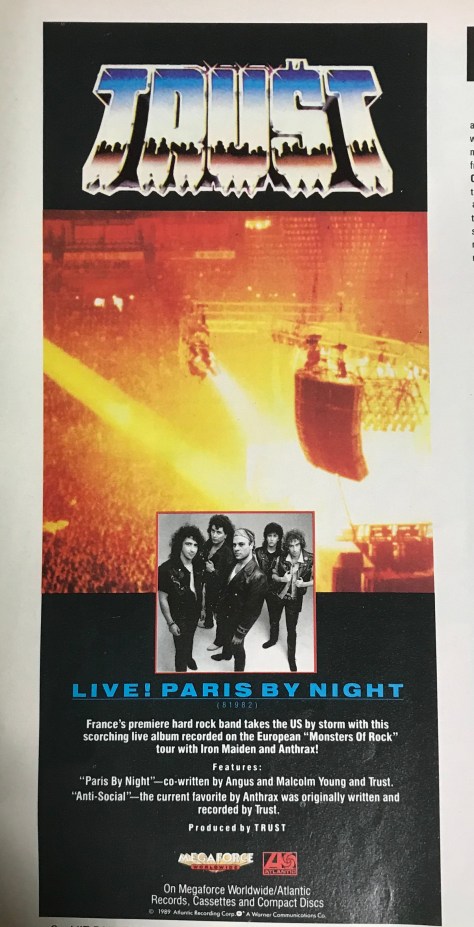
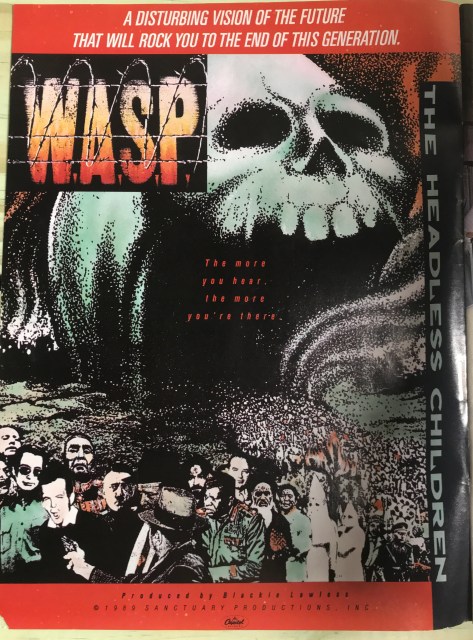
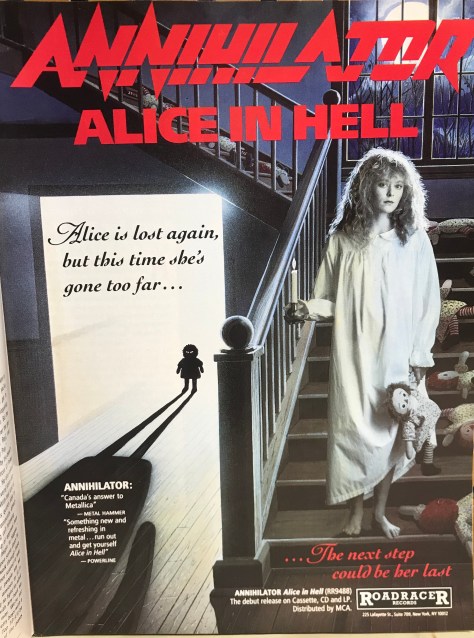
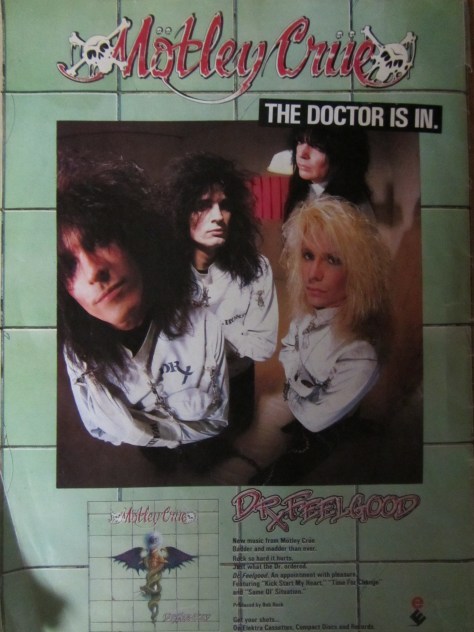
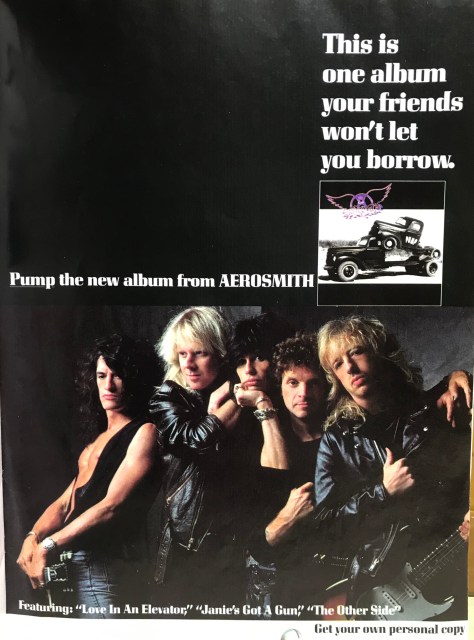
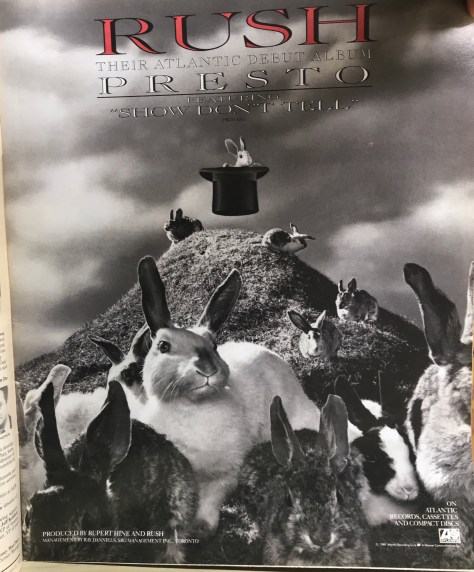
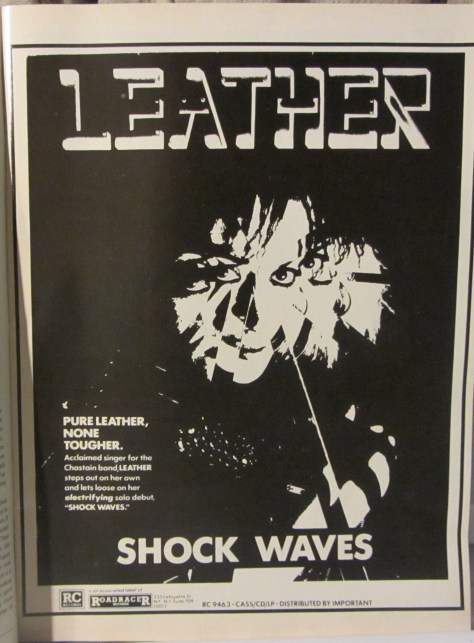
Every Sunday Limelight Magazine featured an album from 30 years ago that we had an actual ad taken from a magazine from that year on our social media pages. Here are all the ads that were featured in 2019.

By JAY ROBERTS
The Cassette Chronicles is a continuing series of mini reviews and reflections on albums from the 1980’s and 1990’s. The aim of this series is to highlight both known and underappreciated albums from rock, pop and metal genres from this time period through the cassette editions of their releases. Some of the albums I have known about and loved for years, while others are new to me and were music I’ve always wanted to hear. There will be some review analysis and my own personal stories about my connection with various albums. These opinions are strictly my own and do not reflect the views of anyone else at Limelight Magazine.
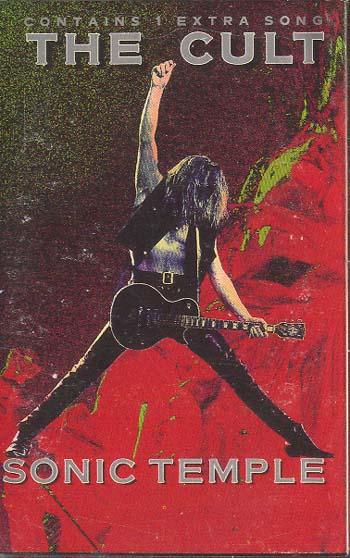
THE CULT – SONIC TEMPLE (1989)
Before popping in the cassette to give The Cult’s Sonic Temple album a listen so that I could write this article, I had to think back to my recollections of the album from when it was first released and the subsequent tour opening for Metallica when I got to see the band perform live.
The album eventually spawned four singles and I actually did quite enjoy them all on their own. Whether on MTV or the radio, each time “Fire Woman” started playing my ears perked up. The other singles put out had a similar effect. But the strange thing is that I remember being more than a little disappointed when I actually got my hands on a copy of the album. I remember thinking that the rest of the material just didn’t really do much for me.
Now that I’ve given this now thirty year old release a new listen, I’ve had a pretty drastic change of opinion about the album as a whole. But there was a 2nd reason why I kind of gave up on The Cult after this album and that goes back to when I saw them live.
I’ve told the story to people before so anyone that knows me in real life will likely already know what I’m about to write here. Frankly put, singer Ian Astbury was the LAZIEST live performer I’ve ever seen. When I saw them open for Metallica, I noticed that something was off with the vocals and then I started doing that damn counting thing I sometimes do. Sure enough, Astbury was fudging his vocal performance. No, not faking it or anything, but he was actually skipping every third word of the lyrics. Didn’t matter what song, I counted them all as soon as I noticed. He would skip every third word because the crowd was singing along and filling in the vocals for him. For some reason, this just really annoyed the crap out of me and it soured me not only on the band but the album as well. I still liked “Fire Woman” but I ended up getting rid of the album over my probably unreasonable attitude about the lack of full vocal performance in a concert.
Yes, it is special kind of dumb reasoning on my part, but that’s how it was for me then. However, like I said earlier, I’ve had a big change of opinion about things now.
The first side of the album is top heavy with all four of the released singles being on it. I mentioned “Fire Woman”, which remains a purely powerful ball of energy that continually punches you in the gut as it blazes a rocking path. The music strikes fast and hard (Billy Duffy’s guitars on this song and the entire album are outstanding) and Astbury’s vocals were and remain a huge hook for the song.
The song “Sun King” was more of a rock radio type of single so it might not be quite as well remembered but I was struck by just how much I enjoyed it this time around. As for “Sweet Soul Sister” and “Edie (Ciao Baby)”, they are just those earworm kind of songs that always key memories back to the first time you heard them.
What did surprise me a bit with Side One was the only non-single track “American Horse”. The song is rocking but I was kind of floored with how much I ended up liking the phrasing of the vocals/lyrics from Ian Astbury. It left me wondering why I didn’t hear that when I first had the album.
Side Two was a slightly different mix of songs for me. I wasn’t all that sold on the opening “Soul Asylum” or “Wake Up Time For Freedom”. Both songs just didn’t quite get over the hump for me. But the good news is, the rest of the songs really worked well. The cassette version of the album contained a bonus track called “Medicine Train” and it was a killer rock track that ended up closing the album out on a high note, but it was the middle of Side Two that did the really heavy lifting. “Automatic Blues” and “Soldier Blue” were both straight up rock songs. Start to finish, each really knew how to find its way into a listener’s blood and get them fired up.
But what really did it for me and is probably the second best song on the entire album (behind “Fire Woman”, of course) was the song “New York City”. There’s just something about this song, a hard driving rocker fueled by storming guitars and a thrilling vocal performance that drove it home for me. It’s a song that probably should’ve been at least considered for being released as a single because there’s just no reason that more people shouldn’t have heard this at the time. Which is a bit ironic coming from me since I completely missed out on all these songs the first time around because I was apparently unable to “hear” what was going on then.
So despite my decades old misgivings about the album, I can honestly say that I’ve had a huge change of heart about Sonic Temple as an album in full. I didn’t like the album tracks that much when it first came out and now I just want to pop the tape back in and play it all over again. If you are reading this article, you should probably think about doing that as well.
NOTES OF INTEREST: The album is celebrating the 30th anniversary of its release this year. The limited edition reissue of Sonic Temple came out in October 2019 and it has 5 CDs that includes a remastered edition of the album, rare tracks, a live album and more.
Iggy Pop sang backing vocals on the song “New York City”.
Sonic Temple was the last album the band recorded with bassist Jamie Stewart. He left the group in 1990. He appeared on stage with the band to celebrate the 25th anniversaries of the Love and Electric albums, but is otherwise retired from the music industry since 1994.
By JAY ROBERTS
The Cassette Chronicles is a continuing series of mini reviews and reflections on albums from the 1980’s and 1990’s. The aim of this series is to highlight both known and underappreciated albums from rock, pop and metal genres from this time period through the cassette editions of their releases. Some of the albums I have known about and loved for years, while others are new to me and were music I’ve always wanted to hear. There will be some review analysis and my own personal stories about my connection with various albums. These opinions are strictly my own and do not reflect the views of anyone else at Limelight Magazine.
KISS – LICK IT UP (1983)
I’ve been on a quest to get all of the Kiss albums added to my music collection. While I’d prefer to have them on CD of course, I’m doing this on the cheap so I’m not always able to find them in that format at a price I want to pay. So I’ve been picking some of the albums up on cassette which serves not only to get the album into my collection, but gives me another article in this series to write about.
Such is the case with Lick It Up. But before I talk about this album, I want to mention that I’ve been listening to the band’s album Destroyer a lot lately. That’s a CD edition and I’ve been really impressed with how much I like not only the classic hits on that album but the album tracks were pretty darn good as well. This plays a bit into my thoughts on Lick It Up so I thought I’d mention it now.
Since I’ve never owned the album before, I pretty much thought that the only song I’d know was the title track. The song is definitely worthy of its status as one of Kiss’s best known songs. What I didn’t realize until I listened to the album for this piece was that there are two other songs on the album that I didn’t realize I knew.
I’d hesitate to call them classic songs in the same vein as “Lick It Up”, but I would have to say that the reason I am so familiar with “Young And Wasted” and “All Hell’s Breakin’ Loose” is because they got played on the radio both back in 1983 and on classic rock stations to this day. As I said, I’ve never had the album before now so it wasn’t like I realized those particular songs made up part of the album’s track listing. But both of the songs immediately “rang a bell” for me and you just know that it had to be due to 94 HJY, the radio station I listen to all the time.
The funny thing is that the album started off kind of slow for me. While both “Exciter” and “Not For The Innocent” were full-on rockers, I have to say that neither song really fully captured my attention. The latter song had an edgier tone to the vocals but even that wasn’t enough. But then came “Lick It Up” and the album took off from there. I already mentioned “Young And Wasted” but the first side of the album closes with another ballsy rocker in “Gimme More”. I know that the title might conjure up the idea that it is simplistic and nothing you haven’t heard a million times before, but for some reason the song just struck a chord with me.
The second side of the album got off to a great start with the “All Hell’s Breakin’ Loose”. I’m mentally slapping myself over not realizing the song was on this album before now. “A Million To One” followed that up and the uptempo track was pretty darn good as well.
However, if I’m going to pick a song that is the underappreciated gem of the album it has to be the song “Fits Like A Glove”. It is a kick-ass song that features some fantastic guitar work and the song’s fast pacing made the experience of listening to this track for what I think is the first time a supremely enjoyable “discovery” for me.
The outstanding start of the second side hit snag with the song “Dance All Over Your Face”. For me, it kind of started with what I think is just a stupid title and the song is pretty generic and forgettable otherwise.
The album closing “And On The 8th Day” goes a long way toward finishing Lick It Up on a high note for me though. Of particular note was how the symbolism of the song’s chorus resonated with me. It’s a “rock and roll forever” kind of anthemic vibe but it just seemed to catch me at the perfect moment.
The Lick It Up album may feature only one hardcore classic track but if you haven’t heard the album in full before, I think you’ll find that there is a whole lot of stellar material that (like the Destroyer album) will leave you believing it is one of Kiss’s better start-to-finish releases.
NOTES OF INTEREST: Paul Stanley has been quoted saying that he thinks the reason the album sold so well was less to do with the music and more because it was the first album with the band taking the makeup off.
Though the album did achieve platinum status, the title track is apparently the only song that still gets played regularly in concert.
Rick Derringer played the solo on lead off track “Exciter”.
Despite co-writing 8 of the 10 songs on Lick It Up, guitarist Vinnie Vincent was out of the group before their next album due to disputes with Gene and Paul over money and his role with the group. However, in recent days there’s been talk of Vincent (among other ex-members of the group) taking part in the final Kiss show when their “End of the Road” tour comes to a close.

By CHRISTOPHER TREACY
Creatively speaking, Vanilla Fudge knew precisely what they were doing. They had a plan.
The quartet will always be remembered for their mind-bending reading of the Holland-Dozier-Holland classic “You Keep Me Hangin’ On,” originally made famous by The Supremes. The track epitomizes their strength in laying bare the emotional core of pop songs that’d previously gotten diluted in popular, AM-radio-friendly treatments.
“There was a fad around that time, particularly throughout New York City and Long Island,” said revered drummer Carmine Appice over the phone from Manhattan, preparing for a run of shows that brings Vanilla Fudge to the Narrows Center for the Arts in Fall River, Mass., on Saturday, November 16, with special guest Joe Merrick. (Purchase tickets HERE).
“We had The Vagrants with Leslie West, The Hassles with Billy Joel, The Rich Kids… a whole scene was going on around the concept of what were called ‘production numbers.’ It involved taking the original hit version of a song, slowing it down and making it more dramatic by changing the stage lighting and shifting the overall dynamic. We grabbed onto an additional aspect of that by looking at the lyrics. What do the words say? We created an atmosphere with that. These were songs with what I call ‘hurtin’ lyrics’ — mostly about love, and not all positive and upbeat sentiments. On the radio, however, it’d be an upbeat song with these sad lyrics. So, Vanilla Fudge sought to put the drama back into these songs.”
It makes total sense. While the needling repetition of a single guitar note perpetuates a sense of anxiety in The Supremes’ 1966 version of “You Keep Me Hangin’ On,” the signature Motown stomp remains front and center, carrying the listener away from the protagonist’s headspace and onto the dance floor. Vanilla Fudge’s version, on the other hand, portrays the subject as if they’re under a crushing emotional weight. The way that keyboardist Mark Stein’s eerie organ notes suddenly intersect with Appice’s cracking snare and crashing cymbal is startling as hell. And then, of course, there’s the flipped gender script from the pop version. It’s overwrought, it’s outrageous and — to this day — it works.
“We cut that song in one take,” Appice recalled. “We did it in mono. Everything was recorded all at once. It’s seven-and-a-half minutes, and it totally changed how people thought of the song. We did something similar with songs by The Impressions, The Beatles, many others. We’d set them in a churchy atmosphere, almost a lonely, cemetery vibe. We had a pattern with the vocals where Mark would start, then each of us would get added in and build it up to a frenzy.”
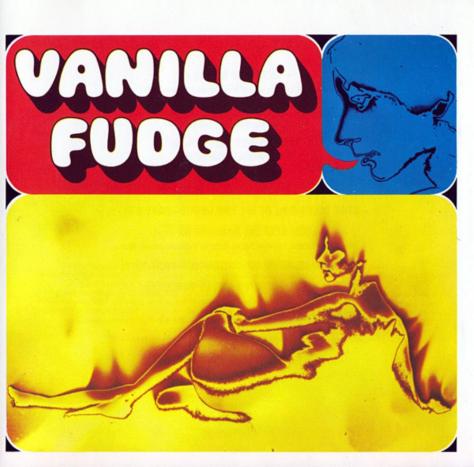
Unfortunately, producer George “Shadow” Morton derailed the band’s creative plan. Morton eschewed the musical nuances of their debut in favor of far-flung concepts for the follow-up, 1968’s The Beat Goes On, which he made from a hodgepodge of historical spoken word segments and (mostly) snippets of actual songs. What was once outrageous now seemed indulgent. While the album initially charted well on the strength of its predecessor, Appice blames it for not allowing the band to reach the next level of an otherwise promising career.
Unlike countless underdog albums with which artists have made peace in hindsight, The Beat Goes On will not become a source of late-breaking pride for Vanilla Fudge.
“If it was going to happen at all, that should’ve been, like, our eighth album,” Appice said with a chuckle. “There we were with a big success, and we were stupid about it. We didn’t know any better. Sgt Pepper was big, but that was all music, whereas this was almost all talking! FM stations were just beginning, experimenting with the format, and they’d sometimes play entire albums. Folks were calling up and asking them to take it off because it was depressing.”
Appice says that while they had other, better songs in the can already, Morton seemed determined to steer the album into the ground.
“If we’d had another hit single, it would have set a better foundation for us,” he said. “Instead, we had to rush in and do something quickly to save our asses, which turned into Renaissance, which had other production issues — no clarity, it was bottom-heavy… wasn’t what it should have been. Near the Beginning, which we produced ourselves, was much better. The album did well, and we got to go on Ed Sullivan again.”
It wasn’t enough to keep Vanilla Fudge from imploding in 1970, though they’ve reunited multiple times since. And if it wasn’t clear then, it certainly is now: the band’s considered highly influential. They hung out with Hendrix, shared stages with Led Zeppelin, and are cited as an inspiration by members of Deep Purple, Styx and Yes, among others. The hindsight accolades for helping bridge the gap from psychedelia to something harder are a large part of the Vanilla Fudge legacy.
Meanwhile, Appice’s drumming prowess has kept him perpetually busy. He credits quality management for finding ways to make his ideas materialize, particularly in the ’80s. His diversified career includes a wildly successful series of drum instruction books (the first of which he published in 1972), drumming clinics, and ‘Drum War’ events with his brother, Vinny Appice (Dio, Black Sabbath). He co-founded the bands Cactus, Blue Murder, King Cobra, and a supergroup, Beck, Bogert, and Appice. He had a fruitful creative partnership with Rod Stewart, recording, touring, and co-writing the hits “Da Ya Think I’m Sexy” and “Young Turks.” He also toured behind Ozzy Osbourne’s Bark at the Moon album in 1983, but Sharon Osbourne fired him (the details are in Appice’s 2016 book, Stick It). Along the way, in addition to other solo projects, he produced a series of Guitar Zeus releases, which feature him playing drums with a host of world-renowned guitarists, from Queen’s Brian May to Yngwie Malmsteen to Ted Nugent. It’s an impressive resume.
Vanilla Fudge is currently working on a new collection of all Supremes songs, including a cover of “Stop! In the Name of Love,” which Appice says will feature original bassist Tim Bogert, (Pete Bremy has played bass in Vanilla Fudge for over a decade alongside originals Stein, Appice, and lead guitarist, Vince Martell). It will be their second project to pull material from one artist in particular, the first being an all Led Zeppelin set entitled Out Through the In Door, from 2007.
With new management, a new stage setup, and the seeds of a campaign for Rock and Roll Hall of Fame consideration, the quartet seems determined to make the most of its stake in rock history.
“Now, just like back then, there’s no other band quite like Vanilla Fudge,” he said. “No other band has the same dynamics combined with the quality of players. It’s enabled us to stick around. In ’67, we were also lucky. We came at the right time; everything was experimental, folks were finding new ways of playing rock, blending it with jazz and improvising, pioneering new drum sounds… I helped take that to the next level. I’m one of the only drummers left from that era.”
The Narrows Center is located at 16 Anawan Street in Fall River, Mass. Tickets to this show can be purchased online by clicking HERE or by calling the box office at 508-324-1926. To purchase tickets in person, box office hours are Wednesday through Saturday, 12 noon to 5 p.m.

The Cassette Chronicles is a continuing series of mini reviews and reflections on albums from the 1980’s and 1990’s. The aim of this series is to highlight both known and underappreciated albums from rock, pop and metal genres from this time period through the cassette editions of their releases. Some of the albums I have known about and loved for years, while others are new to me and were music I’ve always wanted to hear. There will be some review analysis and my own personal stories about my connection with various albums. These opinions are strictly my own and do not reflect the views of anyone else at Limelight Magazine.
DOKKEN – BACK FOR THE ATTACK (1987)
If we are marking specific eras of time, the year 1987 is probably a good way to mark the high point of hard rock and heavy metal. At least in terms of their commercial peak anyway. You had landmark albums from Guns ‘N Roses, Whitesnake and Def Leppard. Those three albums alone would make any child of the 80’s metal years flash back to when all was right with the musical world.
But what surprised me was just how much I think Dokken’s Back For The Attack compares favorably with any of those releases. To be sure, the album was commercially successful but it was only certified platinum so it might be easy to write the album off as an also-ran in a side to side comparison of sales figures with those other bands.
I’ve listened to this album and loved it for a long time, but I’ve never really listened to it for any kind of critical piece. So doing so for this article was a semi-new treat for me.
What I found was that my long held belief that this is Dokken’s best album remains true to this day. There’s not a bad song amongst the 13 tracks included on the cassette. Strikingly, there’s not really much in the way of a power ballad either. I know that by 1987, that was almost a universal law but while some people might simply declare the song “Heaven Sent” to fall under that banner, it really isn’t. In fact, it has such an effervescent soundtrack that I caught myself thinking that the song was a prime example of rumbling sonic thunder. It really does leave listeners in its wake.
I think what is underestimated most about this album is that for all their interpersonal faults and feuds, Don Dokken, George Lynch, Jeff Pilson and Mick Brown pulled off a songwriting coup. Each of the tracks were written by some combination of the individual members and the passion that fueled the band drama was also poured into the songwriting as well.
The first side of the album opens with “Kiss Of Death”, a song that found Dokken getting a bit topical as the subject of the song dealt with AIDS at a time where you wouldn’t really expect a band of the metal genre to tackle that subject. It might be stating the obvious given his acknowledged guitar god status, but the guitar work on this song will have you renewing your appreciation of George Lynch. The man shreds with everything he does, but when you haven’t listened to any of his work in a while, I know that I find myself surprised all over again. And when you hear the “Mr. Scary” instrumental, you find yourself picking your jaw off the floor. More than 30 years after it was released, that song just continues to amaze.
The album had three singles released from it and “Prisoner” is the only one that is on Side One. As with the rest of the album, I loved the song but I didn’t remember it as a single. I could’ve sworn that “Heaven Sent” was a single but not according to the information I found online as I researched the article.
“Night By Night” is a pretty darn good song as well, but the real treat was rediscovering “Standing In The Shadows”. When I first bought the album, it was one of the songs I liked the most but I had kind of forgotten that. It’s a bit more understated than other tracks on the album but if you want a song that is an underappreciated gem, I’d go with this one.
When you flip the album over to Side Two, you are hit with the song “So Many Tears” and immediately the rocking nature of the material continues onward. One of the other singles from the album was the song “Burning Like A Flame”. I remember watching the video a lot on MTV but as I listened to the song here, a different memory surfaced. I remember reading an article in a music magazine that had the writer on hand for the filming of the video. I can’t remember which magazine it was, but the memory did resurface as the song played.
I don’t know how other fans feel about the song “Lost Behind The Wall”, but the tone of the song struck a chord with me. It made me want to see the song expanded upon somehow, like there was more to the story of the song or something. Funny how you get that kind of vibe so far down the road from when you first heard the track.
The album continued on with more top notch rockers like “Stop Fighting Love”, “Cry Of The Gypsy” and “Sleepless Nights”, but it was the closing number “Dream Warriors” that finished the album off on a high note for me.
The song was originally released a few months earlier as the title cut on the soundtrack for the horror movie Nightmare on Elm Street 3: Dream Warriors. It was a pretty successful single for the band and seeing it added to the Back For The Attack album wasn’t a real surprise. The funny thing about this song was that it was pretty much the biggest reason I went to see the movie in the first place. I’ve never been a big fan of horror movies, but I did see the 2nd movie in the Nightmare on Elm Street series and so when I found out Dokken was doing a song on the soundtrack, I knew I would go see it. Oddly enough, I think Dream Warriors was pretty much the last horror movie I ever bothered to go see in the theaters.
It might seem strange that an album that sold over a million copies strikes me as being underappreciated by rock fans at large but I just don’t think Back For The Attack gets the kind of love or reverence that it should. This is where Dokken put it all together and produced from start to finish their absolute best album!
NOTES OF INTEREST – While the band is still touring to this day, the Dokken lineup now features just singer Don Dokken from the classic lineup on a regular basis. There has been some reunion dates the past few years with the original lineup but drummer Mick Brown is at least temporarily retired now, Jeff Pilson is in Foreigner and George Lynch has a host of projects including work with Michael Sweet of Stryper and the band KXM with Dug Pinnick of King’s X and Ray Luzier of Korn.
I never got to see Dokken live during their best years. After this album and the succeeding live release, they broke up amidst that recurring feuding I mentioned before. But when they got back together (the first time anyway), I saw them live thanks to a friend having a free pass for me. I think it was in 1997 but I can’t recall for sure.
Back For The Attack has been reissued twice on CD. The second reissue came via Rock Candy Records but both versions of the reissue added the “Back For The Attack” song as a bonus cut. The first three Dokken albums (Breaking The Chains, Tooth And Nail and Under Lock And Key as well as the live album Beast From The East have also been given the reissue/remaster treatment from Rock Candy as well.

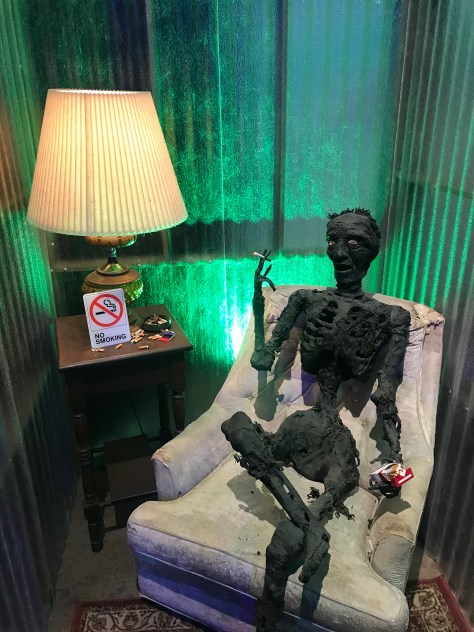
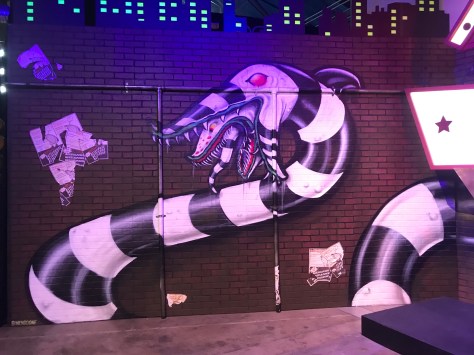
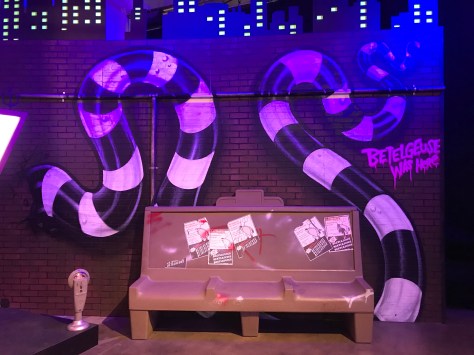
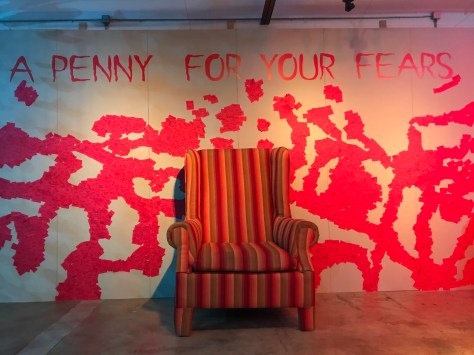
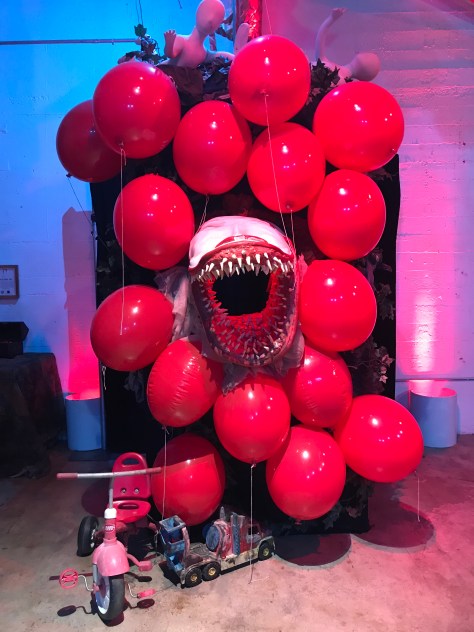
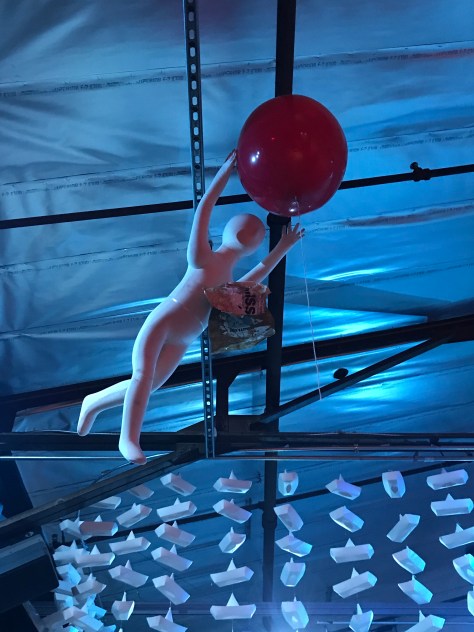
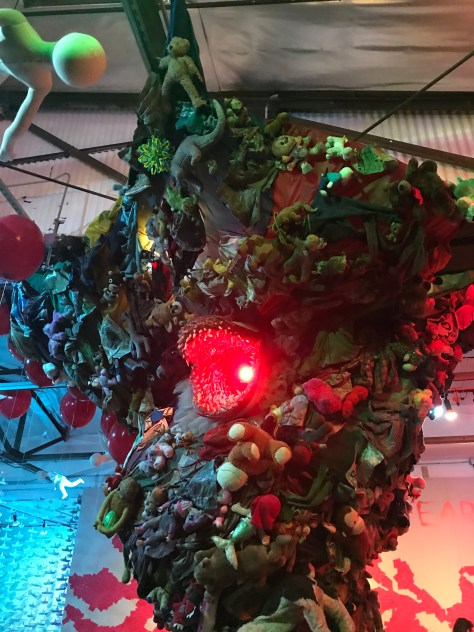
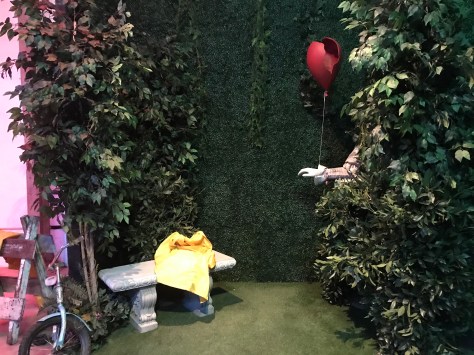
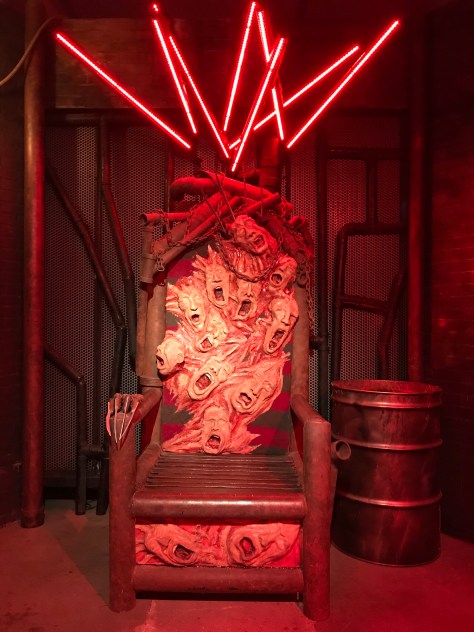
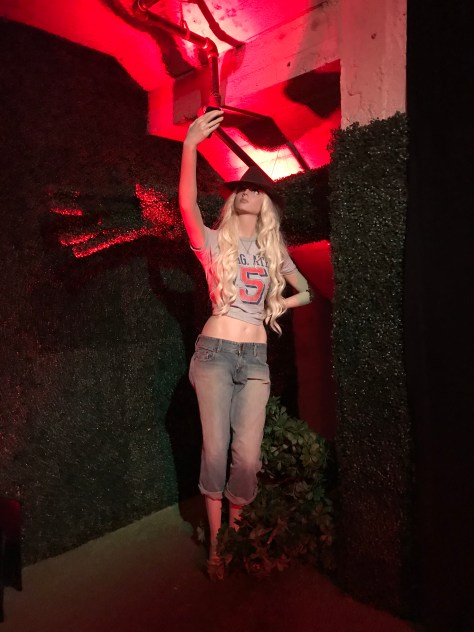
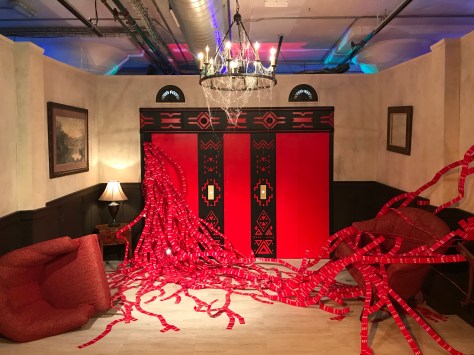
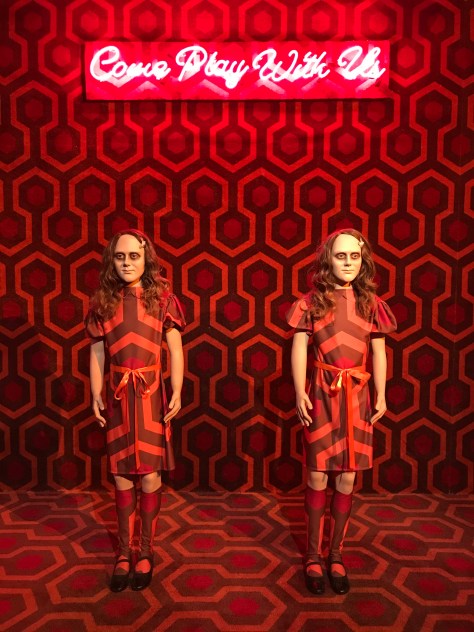
On October 27, 2019, Limelight Magazine attended the “I Like Scary Movies” experience in downtown Los Angeles. This multi-sensory exhibit celebrates five modern era horror movies, including Beetlejuice, Friday the 13th, IT, A Nightmare on Elm Street and The Shining. We have been to a number of exhibits over the years, but this truly was one of the best we’ve ever attended. Here are some photos from the high-quality sets showcasing each film. We’d love to see this travel to New England some day.
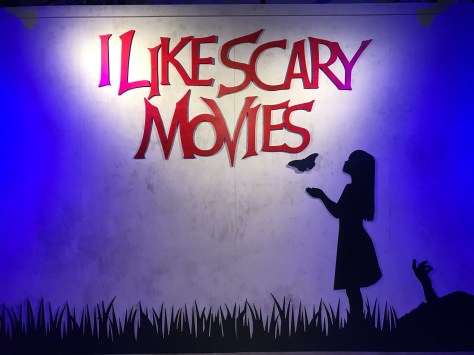
Beetlejuice




Friday the 13th


IT





A Nightmare on Elm Street



The Shining



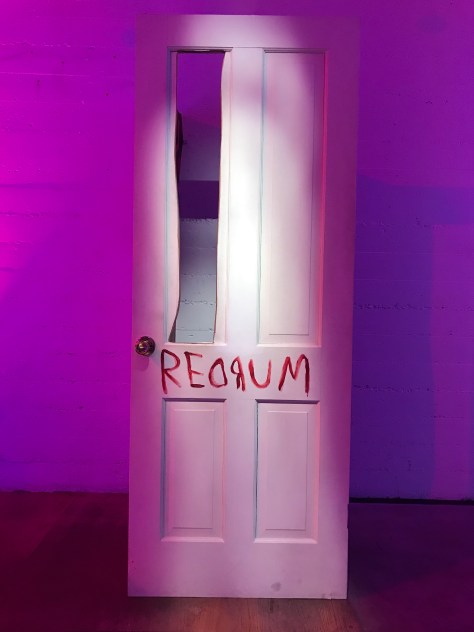

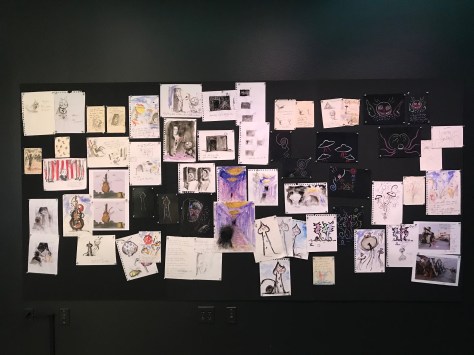
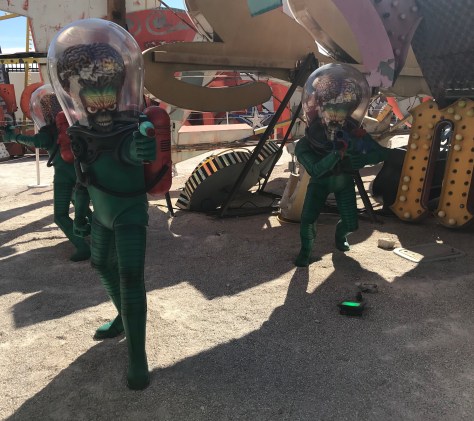
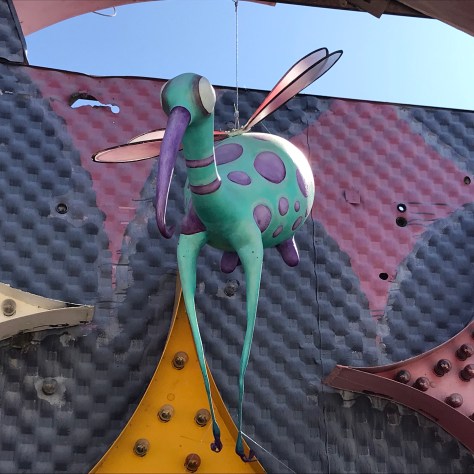
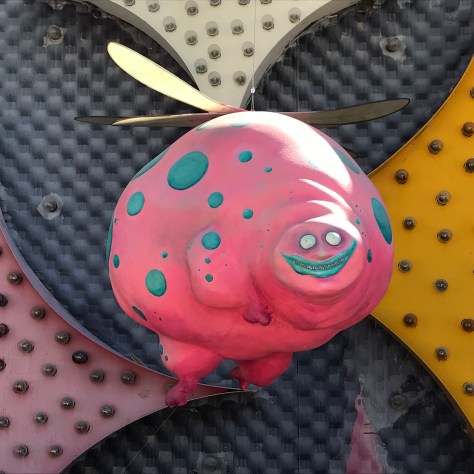
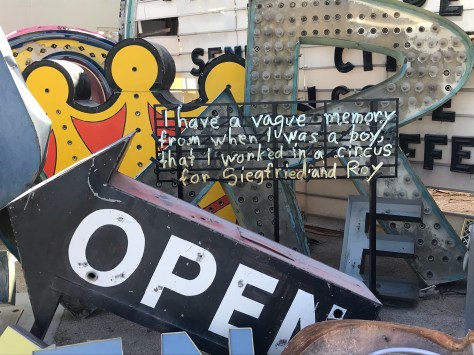
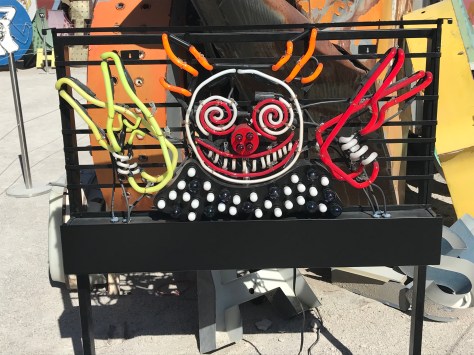
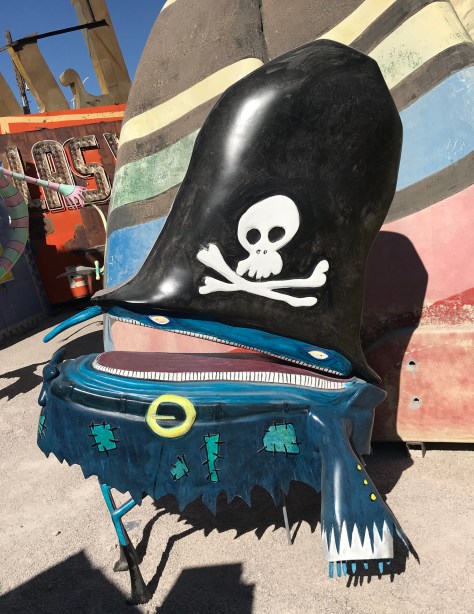
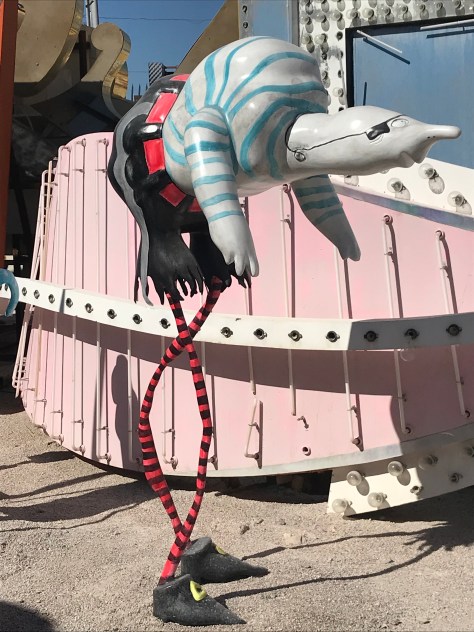
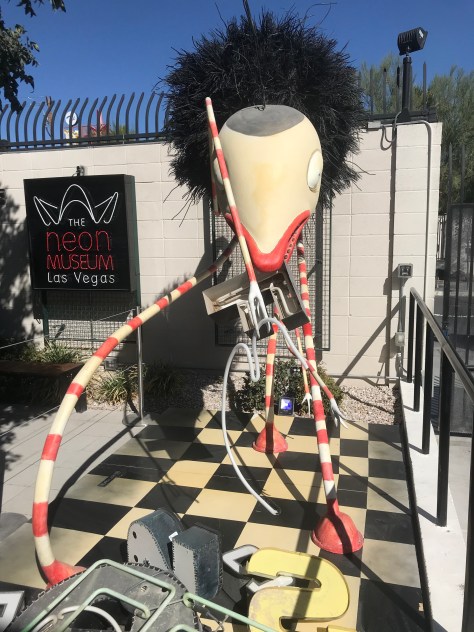
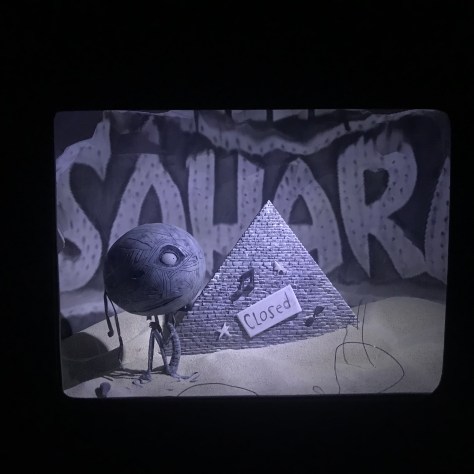
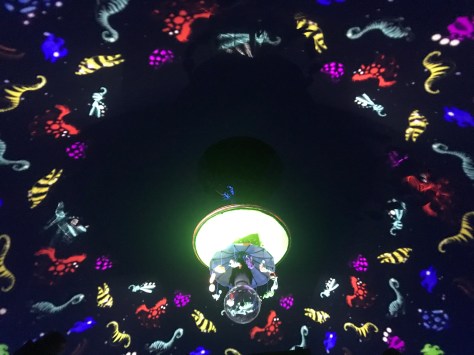
On October 23, 2019, Limelight Magazine attended director Tim Burton’s art exhibition at the Neon Museum in Las Vegas. This was the first time in nearly a decade that Burton’s original fine art and sculptures have been on display in the U.S., with many pieces being specifically created for this event.
According to the Neon Museum’s website, the presentation of Burton’s art in Las Vegas is a unique experience where the host institution served as inspiration for his creations.
“I’ve been coming to Las Vegas since I was born, basically. Weekend trips to Vegas as a child, which was very forbidden at that time, it was like an adult amusement park,” said Burton in his artist statement. “That’s the beautiful thing and weird thing about Las Vegas — The perception and the illusion of it all.”
The exhibit runs through February 15, 2020. Visit the Neon Museum for more information or to purchase tickets.















By JAY ROBERTS
The Cassette Chronicles is a continuing series of mini reviews and reflections on albums from the 1980’s and 1990’s. The aim of this series is to highlight both known and underappreciated albums from rock, pop and metal genres from this time period through the cassette editions of their releases. Some of the albums I have known about and loved for years, while others are new to me and were music I’ve always wanted to hear. There will be some review analysis and my own personal stories about my connection with various albums. These opinions are strictly my own and do not reflect the views of anyone else at Limelight Magazine.
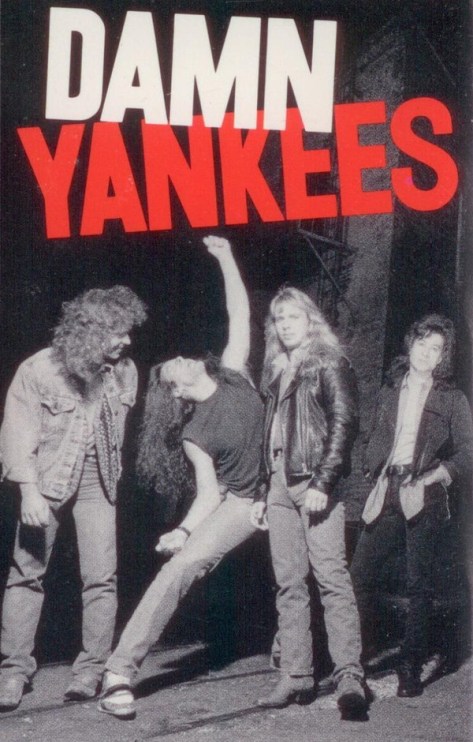
DAMN YANKEES – DAMN YANKEES (1990)
On paper, the team up of Jack Blades, Tommy Shaw and Ted Nugent (along with newcomer drummer Michael Cartellone) might seem a wee bit strange. I know that when I first heard of the project, it didn’t seem like the AOR sound Blades and Shaw are most associated with would blend all that well with the frenetic histrionics that Nugent is known for.
But that’s why you have to listen before judging, because the self-titled debut album from Damn Yankees was a darn sight better than I think anyone that had doubts could’ve expected. Yes, the more AOR sound prevails throughout the release but there’s plenty of guitar pyrotechnics that are surely the influence of the Motor City Madman as well. Given the fact that the album went double platinum, a lot of people found the album highly enjoyable as well.
The Damn Yankees album was propelled by three hits. You had the requisite power ballad in “High Enough”, which was the biggest charting song for the band. It hit #3. I know that this is where I would usually dump all over the song because it is a ballad, but that’s not happening this time because I actually like the song.
While “High Enough” is their most successful track, I think the album’s opening song “Coming of Age” is the one that really gets people amped up to this day when they hear it. There’s something about that opening riff that gets me excited nearly 30 years later when I hear it on the radio. When I played the cassette for this article, I had the same kind of charged feeling too.
The other song that got traction as a single was “Come Again” and again, I really like the song. It starts out like it is going to be a ballad but after that initial intro, the more driving rock sound kicks in and fuels the song to a greater height in my mind.
There were a couple of songs released as singles but “Runaway” and “Bad Reputation” didn’t get nearly as much individual success as the first three released songs. That’s not to say they were bad songs though. They both follow “Coming of Age” in the track listing and they are both electric rockers that keep your energy level on high.
The title track for the album closes out the first side of the album and it is a big anthemic rocker. The chorus is huge which isn’t a surprise since that particular sound is evident throughout the album. The album’s producer was Ron Nevison and he knew his way around the entire AOR sound playing field.
After “Come Again” opens Side Two, the album races to the finish line with a killer set of rockers. Now I said that the writing credits don’t get too specific about who wrote what beyond the trio. But I thought the songs “Mystified” and “Piledriver” screamed Ted Nugent. Obviously I could be completely wrong about that, but that’s just where my mind went as I listened to the album once again. There’s a similar kind of guitar noodling sound on both tracks that give it a bit of bluesy start. That start disappears on “Piledriver” once the song gets going in full because it soon bursts into an all-out rocker that brings the album to a frantic and crushing end.
Speaking of frantic fretwork and huge anthems, the song “Rock City” goes a long way towards trying to redefine the phrase “playing with wild abandon”. There’s not an ounce of subtlety on this track and that’s a good thing. The band just goes pedal to the floor musically and leaves you breathless as they rock and roll you with the song.
And that’s kind of what you needed I think. While the band members obviously had their 70’s and/or 80’s rock pedigrees, the metal years were starting their wind down by the time 1990 rolled around. And this was anything but just flat out boring glam retreads. No, there’s a seamless blend of both melodic rock with fiery guitar runs and vocals that get you to sing along. The Damn Yankees is just a sublimely fantastic album that no matter how many times you hear it, you find yourself somehow energized by the material. For me, it’s an album that will always feel timeless no matter how much time passes.
NOTES OF INTEREST: I saw the band on tour in 1991 in Mansfield, Massachusetts at was then called The Great Woods Center for the Performing Arts. They headlined over Bad Company and Tattoo Rodeo. Bad Company was excellent and I loved the Damn Yankees set as well. Ted Nugent was crazy good on the guitar in particular.
This factoid manages to amuse me for some reason. The band released just two studio albums (Don’t Tread was the band’s second album and went gold when released in 1992) but somehow have THREE greatest hits type compilations to their credit.
The band has reunited in various incarnations over the years to perform songs in concert. The one real attempt to put out a new album came in 1999 but no one from the band to the record company was happy with the music they came up with for the planned third release. That album was reportedly going to be called Bravo.
Drummer Michael Cartellone was pretty much unknown before Damn Yankees but he’s gone on to a pretty good career. He toured with Ted Nugent’s solo band as well as with John Fogerty. He’s been the drummer for Lynyrd Skynyrd since 1999. He’s also played on albums for Accept, Brad Gillis, John Wetton and Shaw/Blades among others.
By CHRISTOHPER TREACY
In a culture that places more importance on results than it does on the path chosen to achieve them, working towards intangible goals isn’t very popular. But what if the outcome was guaranteed?
The old joke asks, How do you get to Carnegie Hall? and answers, practice, practice, practice. If the route to Carnegie Hall was paved for you in advance, however, the practice would hopefully ensue. After all, who would want to arrive at that revered performance space feeling ill-prepared?
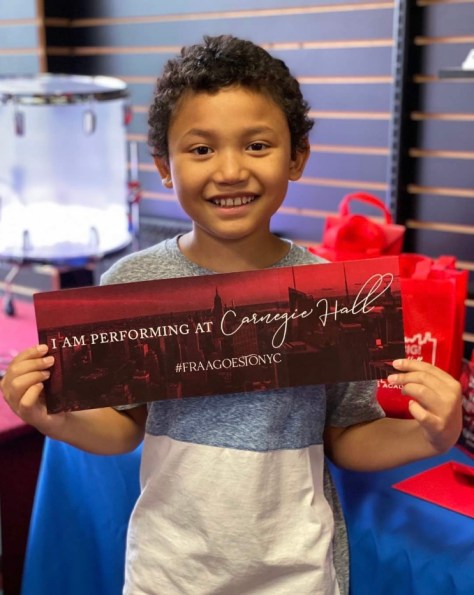
Todd Salpietro, founder of TJ’s Music on South Main Street in Fall River, Mass., and its educational offshoot, TJ’s Music Fall River Arts Academy, is testing that equation this season by scheduling a special performance for 40 students at Carnegie’s Weill Recital Hall. The show is set for December 1st.
“We’re always seeking opportunities for students that will entice them to want to practice more and become better musicians, so anything that we can try and implement that will potentially bring those results is worthwhile,” Salpietro said during a recent call. “The Carnegie Hall performance is one of the numerous vehicles we’re using to create an incentive.”
Salpietro opened his store 22 years ago and his wife, Tamie, helps him run the operation, which has blossomed impressively: right now, they have just under 350 students enrolled in the academy, ranging in age from 5 to 77. For the Carnegie Hall trip, the age range of performers will be 7 to 50.
If the trip goes well, he has a few similar ideas he’d like to put into an annual rotation. He and Tamie will be heading to Manhattan to tour the building and work out logistics ahead of time. For the actual event, they’ll be providing bus service for the students.
“To me, it’s the most prestigious stage in America,” he said. “The Beatles, The Doors, Buddy Rich — so many amazing people have performed there. It’s something to be proud of, to say that you were able to play there at any time in a career, and I think it can make students feel like ‘these things are attainable, I can get there.’ The Weill Recital Hall is 268-seat capacity, which is perfect for us. The room is drop-dead gorgeous, the chandelier, the piano… there’s something magical about it. Nobody seems able to explain it, whether it’s the height of the ceiling, the carpet or the material on the chairs, but there’s something about how sound travels within that space that has made the best composers in the world look forward to playing in it.”
Salpietro is a good man to have on your side when talking about achieving musical goals since his family is four generations deep in musicians, reaching back to his great grandfather. His first musical love was drumming (hence the mention of Buddy Rich), which was the impetus for opening his store when he was 25. Eventually, he was giving 75 drum lessons a week and touring with a Pantera cover band called Trendkill. Along the way, TJ’s became a full-service spot for all kinds of instruments and, in 2017, what was once a smaller curriculum of individual lessons grew into a large scale lesson-plan for an entire academy.
Now 47, having been surrounded by aspiring musicians his whole life, he understands that not everyone who dreams of having a career in music will make it… even if they practice diligently. And while his academy is firmly footed in hands-on instrument training, he has a healthy respect for new modes of learning. Salpietro realizes that potentially talented folks exist who might prefer taking a digital approach to developing their musical skills. To that end, he taught a Berklee College of Music affiliated high school class on how to use the digital audio workstation, Logic Pro. Still, for those looking to learn the old fashioned way, he feels a responsibility to help people give it their best shot.
In addition to planning two annual recitals where students can show off their progress, the academy uses a national rewards program called the Music Ladder System which keeps them striving for trophies and certificates. Those with aspirations to collaborate and learn about developing chemistry between players are placed in all-star bands. Salpietro says he’s looking into booking opportunities for the all-star bands, which would provide his most motivated students with the experience of performing for a live audience outside of a recital format. Exciting opportunities like these are part of what makes his operation an academy rather than just a place that gives music lessons. But for right now, he’s focused on launching the Carnegie Hall trip without a hitch.
“We’re here to provide an opportunity,” he said. “We’re catering to people with all kinds of dreams, and a majority of them are kids, but not all. Many might quit. Something like this trip will help keep people in the game — it could turn their interest around or get them through a plateau. We try and have fun at the lessons. We don’t want it to be angry or frustrating for the teachers or the students. And a lot of times, there hasn’t been enough practice, which is why the incentives are important. If they needed forty more hours of practice, this could be the thing that makes that happen, and then they get to feel great about the effort they made. It also gives them something to look forward to beyond the standard recitals.”
Enrollment in TJ’s Music Fall River Arts Academy is open, and signing up is as simple as picking a day and time (although some slots do fill up). With over 25 instructors that collectively offer lessons seven days a week, it’s designed to be as accommodating as anyone could expect. The range of instruments runs the gamut, including woodwinds, brass, guitar, bass, vocals, cello, viola, and violin. Salpietro says the rooms for lessons have recently been upgraded and some new ones were added. Renovations for additional space on a second floor are on the horizon.
“There are lots of places to take music lessons and we’re always looking at ways to rise above and provide something different than the others. For me and Tamie, who’s been with me through these last 15 years, this is our heart and soul.”
For more information about TJ’s Music Fall River Arts Academy, click HERE to visit their website.
By JAY ROBERTS
The Cassette Chronicles is a continuing series of mini reviews and reflections on albums from the 1980’s and 1990’s. The aim of this series is to highlight both known and underappreciated albums from rock, pop and metal genres from this time period through the cassette editions of their releases. Some of the albums I have known about and loved for years, while others are new to me and were music I’ve always wanted to hear. There will be some review analysis and my own personal stories about my connection with various albums. These opinions are strictly my own and do not reflect the views of anyone else at Limelight Magazine.
WHITESNAKE – COME AN’ GET IT (1981)
Before I get started in earnest with this week’s spotlight album, I want to take a minute to acknowledge a friend of the column. I’m friends with a fellow music fan named Jeff Hogland. We’re pretty active members on his Classic Rock Bottom message board and seeing as how he’s been responsible for getting me a lot of good music on his bargain shopping sprees, I consider him my state of Georgia music consigliere. But I was quite surprised when he messaged me to say that on one of his shopping sprees he’d picked up a bunch of cassettes that he was sending up to me to use in The Cassette Chronicles should I decide to write about them. A box arrived on my doorstep and suddenly I had a bunch more albums to add to “The Big Box of Cassettes”. So thanks go out to Jeff and this week’s album is from that batch of music he sent to me.
In 1981, Whitesnake had yet to become a big name on the American hard rock scene. The band was probably still kind of thought as Deep Purple-lite considering the lineup that recorded this fourth album included Jon Lord on keyboards and Ian Paice on drums. They had success in the UK but hadn’t really broken through in the States.
I hadn’t gotten into the band yet myself. That was still 6 years away with their self-titled album that made them into global superstars. But once I was hooked, I went back and discovered this more bluesy version of the band and I really liked it.
And if you want to know why I liked this Mark 1 version of the band as much as the more glam version, you would do well to check out Come an’ Get It because it is a great primer for music fans to discover the roots of Whitesnake itself.
There is barely a slow down on the album’s ten track running order and even the songs that start out a bit slower tend to end up rocking your socks off. You have to start off with the vocals from David Coverdale whenever you write about Whitesnake and this time is no different. The smoky sound to his voice is by now pretty recognizable but on this album in particular there is also an almost gleeful streak in his performance. This is particularly evident on the less than subtle lyrics for a song like “Would I Lie To You”. Coverdale just seems to be having a ball as he whips his way through the vocals.
The guitar work on each track is just outstanding. Bernie Marsden and Micky Moody formed a pretty potent duo during their time in Whitesnake and every time I listen to any of the material they played on I am reminded of that.
The album opens with the title track and immediately you are transported back to that late 70’s hard rock sound. (Yes, the album was put out in 1981 but it was still steeped in that 70’s sound that made classic rock CLASSIC!) Despite the song’s uptempo pacing, I found that the next song “Hot Stuff” actually rocked a little bit more.
Of course, it isn’t just hit you in the face with one riff after another on this album. The band provides a real sweet groove rocker in “Lonely Days, Lonely Nights”. That same kind of sound is apparent once more on Side Two’s “Girl” as well.
The closing song on Come an’ Get It has that slightly slower start to it that I mentioned above, but the band switches gears midstream and then they just blaze their way to the end with some slick rocking guitars being anchored by Neil Murray’s bass and the rhythm behind the drum kit from Pace.
Surprisingly, this is just scratching the surface of just how much I enjoyed this album. Though as I write that, I can’t say that this is a surprise to me. I’ve been listening to this album a lot over the years. I know that I said Jeff had sent me this album, which is the one I listened to in order to write this piece. But I actually did have this one in my own collection already.
And while I love the flat out rocking “Don’t Break My Heart Again” a whole lot, even that song pales in my estimation to my favorite two songs on this album. The first is the side two opener “Child of Babylon”. If you listen to Whitesnake long enough, you realize that there is always at least one song on their releases that would qualify for the descriptor “epic”. And “Child Of Babylon” is definitely that song for Come an’ Get It.
I’m not even quite sure how to fully write about the song. It just captures your imagination from start to finish and makes you feel as if you are witnessing something that is bigger than you could’ve imagined. I’ve loved a lot of the Whitesnake epics in the past but “Child of Babylon” stands out as one their absolute best.
But without a shadow of a doubt, my favorite song is at the total opposite of the musical spectrum. That song is “Wine, Women An’ Song”. I suppose the more snobbish side of music fans would dismiss the song as trite but there is just something about this song that struck me as being the perfect encapsulation of good time rock and roll party songs. The keyboards from Jon Lord have a huge presence in the mix and both Marsden and Moody get to lay out a solo. But what made this song more than just another kind of “cock rock” track to me is the way Coverdale performs it. I know you are supposed to be more interested in the “tongue-in-cheek” aspect of the band’s lyrics, but there’s really none of that here. Everything is pretty overt and it’s Coverdale’s devil-may-care infectious attitude that made the song a winner from the first lyrical line. And he tells you straight up that “You can tell me it’s wrong, but I love wine, women an’ song”.
I get a cheeky little thrill every time I hear this song and much like the rest of the album, it provides ample evidence that if you only know Whitesnake from the 80’s metal days that brought them multi-platinum success you are only getting half of the story. For me at least, Come an’ Get It is a fantastic representation of the best of the early version of Whitesnake and I will continue to play this album for many more years to come.
NOTES OF INTEREST: The 2007 remastered edition of Come an’ Get It had an additional 6 bonus tracks included. They were demos and alternate takes of songs from the original track listing.
“Would I Lie To You” was a Top 20 single in the UK in 1981.

 Limelight Magazine