The Cassette Chronicles – John Cafferty and The Beaver Brown Band’s ‘Roadhouse’

By JAY ROBERTS

The Cassette Chronicles is a continuing series of mini reviews and reflections on albums from the 1980’s and 1990’s. The aim of this series is to highlight both known and underappreciated albums from rock, pop and metal genres from this time period through the cassette editions of their releases. Some of the albums I have known about and loved for years, while others are new to me and were music I’ve always wanted to hear. There will be some review analysis and my own personal stories about my connection with various albums. These opinions are strictly my own and do not reflect the views of anyone else at Limelight Magazine.

JOHN CAFFERTY AND THE BEAVER BROWN BAND – ROADHOUSE (1988)

If the only thing you know about John Cafferty and the Beaver Brown Band is the big hit single “On The Dark Side” from the Eddie and the Cruisers movie, you can be forgiven. It remains the best known song the band has ever recorded.

Unsurprisingly, the band is really quite tied to that movie (and its sequel). But in between being featured band on the soundtracks for both movies, there were a couple of albums that were the band standing on their own. While ultimately unsuccessful spotlighting themselves outside of the spotlight of the movies and soundtracks, this third album is actually rather intriguing. This is another album that found its way to me without ever having been opened.

(As an aside, I should say that I found the soundtrack for Eddie and the Cruisers II: Eddie Lives! to be an outstanding album. I play it to this day and love it every single time.)

The band is from Rhode Island and that’s also where the album was recorded. Their sound is pure classic rock and roll (additionally fueled by keyboards and saxophone) which tends to be an immediate earworm for me. Cafferty wrote all the songs on Roadhouse and his voice only serves to further enhance the quality of each track.

On side one of the album, the opener “Bound For Glory” kicks off with an audio punch in your face as the song rocks straight from the first note. “Victory Dance” was a pretty cool number as the lyrics used every possible sports metaphor about winning that you can imagine. I wasn’t crazy about the song “Killing Time” but otherwise each of the remaining five tracks were actually quite good. “Song & Dance” was the single that was released from the album. It’s another fast paced track though while I enjoyed it, it didn’t chart when it was released originally. At first I thought I wasn’t going to like “Wheel of Fortune” but the song grew on me and I did like the featured guitar solo.

Overall, the second side of the album was good, but I do have to say that I wasn’t quite as enthused about a couple of songs. It opens with a slightly less in your face rocker in “Penetration” which the 12 year old inside me couldn’t help get a chuckling about. Perhaps not the reaction that the band would hope for but I just couldn’t help myself. But that admittedly immature reaction was quickly set aside for the song “Wishing Well” which I found myself getting into sync with quite nicely.

I liked the music for “Customary Thing” but was a little iffy about the vocal performance at least in spots. It felt like the vocals were stuff far down in the mix so as to make a couple of lines a bit hard to discern what was being said. “Higher Ground” slowed things down considerably. Featuring a big backing vocal sound, the song seemed to be aiming for being a bit more dramatic in scope. The song “Road I’m Running” closes out the album. It’s got a strong opening guitar lick and only improves from there.

Having started out as a bar band, John Cafferty and the Beaver Brown Band may have scaled the heights, but they never seemed to forget those roots. “On The Dark Side” may be the song that everyone knows and can sing along to. But whenever I listen to any of the albums they are responsible for, I can see myself watching them in a club or other venue and just being incredibly entertained. Rock solid rock and roll music, what more can you ask for from any band?

NOTE OF INTEREST: Though the band hasn’t released a new studio album since 1989, they are still actively touring throughout New England and across the country.

Roots of Creation to perform at Greasy Luck Brewpub on March 11th

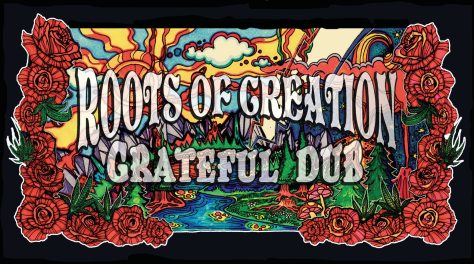
Roots of Creation will perform in The Vault at Greasy Luck Brewpub in New Bedford, MA, on Sunday, March 11, 2018. Most Dangerous Men Alive will open the show.

Roots of Creation presents Grateful Dub, a reggae rock tribute to Jerry Garcia & The Grateful Dead. Combining their longtime love for reggae-dub style music and the Grateful Dead, RoC reworked some of the world’s favorite Dead tunes into a new studio album. RoC had the pleasure of working in the studio with the legendary five-time Grammy winner Errol Brown who was Bob Marley’s engineer and now Rebelutions live sound engineer for this project. Grateful Dub is also being performed live in its entirety at festivals, theatres, and clubs around the country and features rotating special guests including Melvin Seals (JGB), Scott Guberman (Phil Lesh) full horn sections, and others. Grateful Dub captures the spirit and magic of the Grateful Dead, while laying it down reggae-dub style.

Tickets are only $15 and can be purchased HERE. Tickets will also be available at the door for $20. Doors open at 6:30 p.m. Most Dangerous Men Alive perform at 7:30 p.m. Roots of Creation at 9 p.m.

For more details about the show, click HERE.

The Vault at Greasy Luck Brewpub is located at located at 791 Purchase Street in New Bedford, MA. The venue is set within a former bank building featuring original vault doors and a truly historic feel. Patrons have raved about the superior acoustics and intimate setting.

The Cassette Chronicles – Lion’s ‘Dangerous Attraction’

By JAY ROBERTS

The Cassette Chronicles is a continuing series of mini reviews and reflections on albums from the 1980’s and 1990’s. The aim of this series is to highlight both known and underappreciated albums from rock, pop and metal genres from this time period through the cassette editions of their releases. Some of the albums I have known about and loved for years, while others are new to me and were music I’ve always wanted to hear. There will be some review analysis and my own personal stories about my connection with various albums. These opinions are strictly my own and do not reflect the views of anyone else at Limelight Magazine.

Advertisement – Click on the above ad to purchase tickets.

LION – DANGEROUS ATTRACTION (1987)

How often have you come across this dilemma? You are a fan of either a band or a particular musician but when you go back and listen to some previously unheard earlier material, you find it rather unsatisfying to say the least.

After I listened to the full-length debut album from Lion, I had that exact feeling. I’m a big fan of Doug Aldrich from his time with Dio, Whitesnake and his current gig with The Dead Daisies. Heck, I even met the guy when the latter band opened for Kiss on their “Freedom To Rock” tour.

But listening to Dangerous Attraction left me feeling pretty cold towards the majority of the music. Released in 1987, the album’s material comes off to me as run of the mill stuff that a number of bands did far better.

The songs range from out and out rockers to slow burn pieces and every stylistic choice in between. But there are glaring examples of eye rolling choices such as “Death On Legs” which moves along briskly but is quickly forgotten once the song ends. Even the more anthemic tracks like “Hard And Heavy” due little to get my adrenaline pumping.

There are nine songs on this cassette but the first side is definitely the weakest part of the album. The song “Never Surrender” is actually quite enjoyable with its rocket fuel pacing and anthem like chorus. But it is side two that features songs that are at least a tiny bit more appealing overall. “Powerlove,” “After The Fire” and “Shout It Out” are all rocker tracks that will peak your interest, even if only for a little while. Sadly, the same can’t be said for “In The Name of Love”. That track hits all parts of the song spectrum, starting out slow and steadily increasing its pace until it is a full blown rocker. Not quite a power ballad in my book, but probably close enough to it. What would’ve been more interesting to me was if the song had been something more than dreadfully boring.

Singer Kal Swan wrote or co-wrote all of the songs on the album. The liner notes credit the band as a whole for producing the album but the Wikipedia page lists Swan as the sole producer. As for how he sounds, it’s fine but I just didn’t connect with his vocals that much save on that “Never Surrender” song.

I wanted to like this album because Lion was one of those bands I remember from back in the day but never actually got around to checking out. But the album really doesn’t rise to much beyond a nod of the head to the nostalgia for the musical era that it came from and a shrug of the shoulders as I move on to other musical adventures.

NOTES OF INTEREST: There was a 10th track on the album (I’m guessing the CD version but I could be wrong about that called “The Transformers (Theme)”. The band recorded it for the animated Transformers movie, but it was not included on the cassette that I have.

The release of Dangerous Attraction in the US came via Scotti Bros. Records. The label was the longtime home of the melodic rock band Survivor.

The band broke up in 1989 after the release of their second album Trouble In Angel City.

Stryper front man Michael Sweet to perform at Greasy Luck Brewpub on March 8

Michael Sweet, front man of the multi-platinum rock band Stryper, will perform in The Vault at Greasy Luck Brewpub in New Bedford, MA, on March 8, 2018.

The concert will feature Stryper classics, songs from his solo career and a few covers. Franki Dennull and Moriah Formica will open the show.

With a career and repertoire spanning over three decades, Sweet has fronted one of the most trailblazing groups of the MTV generation, written a stable of Billboard charting singles, filled arenas all the world over, said goodbye at the peak of it all, took stock in a thriving solo career, got Stryper back together for yet another record breaking run and even took a stint co-leading one of the most legendary classic rock acts ever, Boston, from 2007 to 2011.

Musically speaking, Sweet is coming off yet another creative high in the Stryper camp thanks to its 2013’s return to form record No More Hell To Pay and it’s followed up Fallen. He also released the stellar One Sided War in 2016 and the sophomore Sweet & Lynch album (which featured legendary guitarist George Lynch) Unified last fall.

For this special show, Sweet will take you on a journey throughout his musical career, performing songs and sharing stories in an unforgettable evening of stellar musicianship.

Tickets are only $10 and can be purchased HERE. Doors open at 7 p.m. Frank Dennull performs at 8 p.m., Moriah Formica at 9 p.m., and Michael Sweet at 10 p.m.

For those wishing to meet the band, you can purchase a $50 VIP Eat & Greet ticket, which includes your general admission ticket. You’ll get autographs and photos with him. You’ll also be able to have dinner with him from 6:00 to 8:00 p.m. Your dinner choice of the Greasy Luck Brewpub’s classic cheeseburger or veggie burger with fries is included in the ticket price. Click HERE to purchase VIP Eat & Greet tickets.

For more details about the show, click HERE.

The Vault at Greasy Luck Brewpub is located at located at 791 Purchase Street in New Bedford, MA. The venue is set within a former bank building featuring original vault doors and a truly historic feel. Patrons have raved about the superior acoustics and intimate setting.
Jeff Rapsis – Bringing sound to silent films

While you may know Jeff Rapsis as one of the co-owners of New Hampshire’s largest independent newspaper, The Hippo, he has also made a name for himself as a versatile silent film score composer,  providing accompaniment to nearly 300 films of all genres. (Just last year alone, he accompanied a jaw dropping 137 silent film programs!!!). What sets him apart from other composers is his improvisational style. He typically creates his compositions as he watches the film for the first time with the audience. Rapsis travels throughout New England, primarily in New Hampshire and Massachusetts, to perform at art houses, theaters, college campuses and libraries. This Sunday, February 18, 2018, he’ll provide accompaniment to the silent film Algol: A Tragedy of Power (1920) as part of the 43rd Annual Boston Sci-Fi Film Festival’s 24-hour science fiction film marathon. (Click HERE to purchase tickets). Despite his buy schedule, we caught up with Rapsis on Friday and he was kind enough to answer our questions about his life and creating live musical scores for silent film screenings.

LIMELIGHT MAGAZINE (LM): You provide accompaniment to classic silent films. How did you get involved in doing this?

JEFF RAPSIS: I’ve loved music of all types since childhood, and was one of those weird kids who responded especially strongly to “classical” music. That led to piano lessons and lots of other musical activities from high school marching band to musical theater and even barbershop quartet singing. For most of high school, I was quite serious about becoming a composer of works for the symphony orchestra. At the same time, I had a music teacher in 7th grade who would show films during study hall, and these often included silent comedies such as Charlie Chaplin’s famous Mutual two-reel comedies from 1916 and 1917. Most of my classmates kept fooling around, but something about these older films captured my imagination. I’ve been a silent film junkie, more or less, ever since. After college, I turned to journalism and the written word for my career, and for the next 20 years did very little with music or film, although my interest in both fields never waned. I never stopped learning and thinking about these subjects, but the extent of my music-making was taking chorus roles in the productions of a local opera company. About the year 2000, I co-founded a weekly newspaper in New Hampshire called The Hippo, which focused on the arts. As the paper’s self-appointed “classical music writer” (because no one else had a background in the subject), I found myself mixing with musicians and attending performances and getting involved with the local music scene. This reawakened my desire to make music and to compose. And so when a local filmmaker named Bill Millios asked me for musical advice for a feature-length drama he was making, I leaped at the chance to compose the film’s score. Doing music for the film, Dangerous Crosswinds (2005), and having my cues played by musicians of the New Hampshire Philharmonic, to me felt like I was coming back to what I was meant to be doing all along. I wanted to do more, but in New Hampshire, there aren’t exactly a lot of directors throwing around opportunities to write film scores. So I noticed that a local venue, the Palace Theatre in Manchester, N.H., had no performance scheduled for Halloween, and so suggested they run Phantom of the Opera (1925) and I would do live music. I had tried doing silent film music a few times in the past, but always felt it was a field best left to specialists. Well, the Palace folks said yes, and so that Halloween I found myself at the keyboard of my digital synthesizer doing music for Lon Chaney scuttling about the catacombs of the Paris Opera House. Despite my best intentions, I didn’t have time to prepare much in  advance, and so was resigned to winging it and hoping for the best. And I was surprised to find that accompanying film in real time, with an audience present, was something that came quite naturally to me. I recall a growing sense of excitement as the film went on and I found I could create music right there that I felt helped it come together and absorb and audience. And I was able to use the musical material in different ways depending on what the film was doing, and how the audience reacted. I could do it! And it felt like I had wings. So this led to more screenings in other venues as I began to devote more time to exploring and learning the craft of creating live music for films without a soundtrack. To me, music and film turned out to be like chocolate and peanut butter. Two great things I always liked turned out to be even better together!

LM: I’ve read that your shows are very unique because you make up the compositions as you play them and sometimes as you watch the film for the first time with an audience. Can you elaborate on why you decided to take this approach?

JEFF RAPSIS: One practical reason is that as a full-time business owner and a busy schedule, I just don’t have a lot of time to make elaborate preparations in advance of a screening. Another reason is that this method makes use of my natural tendency to explore and experiment at the keyboard. As a teenager, I was a lousy piano student in that I would rarely have the patience to learn pieces written by others, no matter how well-crafted or worthy. Instead, I would start making up my own versions and going in different directions. So the seeds were there right at the beginning, and this kind of film accompaniment plays to my strengths as a musician. Also, I think a musical score created in the moment, in live performance, gives off a kind of unique energy in a way that a recorded or written-down score does not. If I was buried in sheet music, I don’t think I’d be as effective in helping a film connect with audiences. And I like the contrast between a vintage film, which has been fixed and unchanging for 90 or 100 years or more, and music that’s happening right there in the moment.

LM: What’s interesting is you don’t focus on providing accompaniment to any specific genre of silent films but a wide range of them. Are there any specific genres that lend themselves to your improv style more than others?

JEFF RAPSIS: Comedy is the most demanding genre because the music really needs to support what’s happening on the screen, but also stay in the background for a very basic reason: audience members need to hear each other laugh. This leads to the kind of contagious laughter that sometimes gets sparked during a show, and which is one of the great glories of the silent cinema. Once the house is roaring, you can amp up the music if you want. But before that, you need to do everything you can to keep it simple, almost nursery-rhyme-like, so that you don’t step on the laughs. Less is more! Also, because so much of comedy is timing, the musician must hone the same kind of instincts that the comedians had—when to stop, when to start, when to move, and so on. It can make the difference between a so-so screening and a true no-holds-barred howler. So if I can preview a comedy beforehand, it’s especially valuable because you get a much better idea of the film’s pacing and what kind of music will support the comedy, and you can just do a better job helping the laughs come naturally. Beyond comedy, my idiom seems to do best in big dramas that lend themselves to big sweeping musical gestures. Although there’s no one single “right” texture for silent film accompaniment, my own style is to work in a pretty conservative idiom rooted in the musical language of the late 19th century classical symphony orchestra: the works of Mahler and Richard Strauss. Shostakovich is a big influence, too. And I think this helpss me to bring out the big emotions in these films, no matter what genre. Drama, western, thriller, costume picture, whatever—silent film at its best is often about the BIG human emotions: Love with a capital L, or Joy, or Hate, or Envy. The stories are often built to bring out and celebration these big, basic emotions, which silent film, by virtue of lack of dialogue and other limitations, was uniquely geared to do. I don’t get that experience from any other medium, with the possible exception of opera, which is similar in that’s it’s often also about the big, basic emotions.

LM: There has been an increase in the number of silent films screened over the years across the country, particularly at art houses and horror and sci-fi movie marathons. What do you think is the cause of the silent film “boom”?

JEFF RAPSIS: After the transition to cinema with synchronized sound in the late 1920s, for a couple of generations nothing was more old-fashioned that silent movies. People saw them as a relic from a primitive era best left in the dustbin of history—we’ve moved on from that, haven’t we? And as a kid, I recall silent film clips on television or in certain “olde-time silent movies” being run at the wrong speed, to a kind of rinky-tink out-of-tune piano accompaniment, and generally being treated as a curious novelty, nothing more. Well, I think enough time has passed so that pretty much everyone around today has no direct experience with the silent cinema: the closest link might have been fading memories of a grandparent now long gone. And so because we haven’t known it, silent film is new to us in a way that it could never be to previous generations. Also, enough time as passed to make the films very interesting just for the basic things: how people dressed, ate, and behaved. How families acted, how people got around, what they did for fun—even the lousiest silent film is today an accidental treasure trove of information about daily life as it was lived in a byegone era, and brought to life in a way that no book or academic paper could do. So since about 1900, we have this amazingly rich accidental visual record of how people lived. Imagine if we had similar material from Shakespeare’s time, or from the time of Christ! I have a cousin who is no cinema buff, but he regularly attends silent film screenings I do because he loves seeing the old cars, the horses and the blacksmiths, and so much else. I also think that in an era where we increasingly find ourselves staring at a screen and interacting with people online, there’s a hunger for communal experiences that bring people together. How interesting that this aspect of silent film may be once again a key part of its appeal after all this time.

LM: Why do you think so many people today are becoming fascinated by the films of the past?

JEFF RAPSIS: I got into this topic in the previous question: how even the lousiest films from the silent era are a visual record of a bygone era. They bring to life the habits and customs of a vanished time in a way no history book can. But there’s also one other thing they do. Just as they are highlight how much has changed, they also contain a lot of info about what has NOT changed. They show, as no other art form can, how some things are unchanging aspects of the human condition: concern for one’s family and the community, the power of love to change so much, the ability of the human spirit to triumph over adversity, and so much more. These things, so important to the stories of so many films, were important long before cinema existed, and are important today, and will continue to be important for a very long time to come, I think. So if you’re not sure what’s ephemeral and what’s lasting in your own life, silent film acts as a kind of barometer to help guide you.

LM: I’m a firm believer that silent films should be seen in a theater with an audience. Do you agree with this statement and why?

JEFF RAPSIS: Yes, I do. For starters, the films were designed from the ground up to be seen in a large theater with an audience because that was the ONLY way to see them when they were being made. There was no home media like we have today. So silent films were almost universally geared for the large audience experience, which is very different from watching a film alone at home with just you and your dog or parakeet. The pacing, the way a story is presented, the way a character is presented—the reaction of a large audience to all of this was baked into films during the silent era. In many cases, filmmakers would preview their latest in-progress work to an audience to see how a sequence played, and whether or not it had any dead spots. Harold Lloyd was a pioneer of what became known as the “sneak preview,” as they were often unannounced. So if something got a big laugh, and then something else happened that was funny but the audience was still laughing at the first thing—well, then you’d go back and add some padding to accommodate the first big laugh and allow enough time for the second. So in many cases, the films were literally hand-crafted for the large audience experience! And it’s worth pointing out, I think, that this audience experience was one of the most important things about how the public first fell in love with the movies, and fell hard. It wasn’t necessarily because of techniques such as close-ups or location shooting or anything like that. It’s because most early film directors had extensive experience with live theatre, and they knew in their bones how to structure a story to get an audience hooked and keep watching and root for certain characters and all the things that make up an exciting time in the theater. With motion pictures, the same skills helped early pictures connect with audience. I think pioneer director D.W. Griffith doesn’t get enough credit for this aspect of his success. His background was in directing melodramas that traveled the small-town circuits—in these places, you had to get an audience hooked and keep them hooked, or they’d tar and feature you! So he know how to present a story to rile up an audience, and I think that’s one of the biggest things he brought to early motion pictures. It’s the REAL reason people fell in love with the movies.

LM: Besides performing in your home state of New Hampshire, you’ve done a lot of work at the Somerville Theatre for their silent film series called “Silents Please.” How did you get involved in this series and what do you like most about performing in that historic theater?

JEFF RAPSIS: I first came to the Somerville Theatre for the annual Boston Sci-Fi Marathon back in 2011, where I did live music for a screening of the very early 1916 version of 20,000 Leagues Under the Sea. While there, I met theater manager Ian Judge and head projectionist David Kornfeld. I was really impressed by their commitment to showing movies on real 35mm film, which was then being phased out by the studios in favor of digital formats. I was equally impressed by the brand new projection booth high up in “House One,” the Somerville’s main theatre. David described is as his “masterpiece,” and it really seemed so: equipped with every possible lens combination to screen prints in every format possible. They seemed to like what I did with 20,000 Leagues, and so Ian started the ‘Silents, Please!’ series after that with all titles in 35mm prints. I’ve been working with them ever since. Each year, we run eight to ten silent film programs, and we’ve built up an audience to where we often get well over 100 attendees, and occasionally many more. Highlights included a program of silent feature films starring W.C. Fields (yes, he was a popular star before talkies) for which his granddaughter, Dr. Harriet Fields, came up to Boston and told tales and answered questions about her iconic ancestor. What I like most about the theater, besides the people who manage and run it, is that it’s the real deal: an actual theater that was showing actual movies during the actual silent film era. So in that respect, if you want to recreate the total experience of attending silent film in a theater, you can’t do much better than the Somerville, which celebrated its 100th birthday in 2014.

LM: Speaking of The Somerville Theatre, you are going to be providing accompaniment to the silent film Algol: A Tragedy of Power (1920) this Sunday, February 18, as part of the 43rd Annual Boston Sci-Fi Film Festival’s 24-hour science fiction film marathon. Is this the first time you’ve ever performed music to this film? What instruments will you be using to accompany it?

JEFF RAPSIS: It’s Friday night as I write this, and we’re not doing Algol until Sunday, so it’s way too soon to think about it. Just kidding! Actually, I’d actually never heard of Algol until festival organizer Garen Daley mentioned he planned to run it. I’ve since seen the film once (in a sub-standard version at a very slow speed on YouTube), and to check it out at least once more to increase the odds of doing a good job. To accompany Algol, I’ll use my digital synthesizer, which is an 88-key Korg Triton LE model with weighted action. It’s actually an older model (from 2003, ancient as far as digital keyboards go) but it’s what I’ve used for years and I’ve found there’s nothing quite like it. Although the synth can produced an enormous range of sounds and textures, sometimes I augment its output with bells, whistles, and other sound-effects that provide variety without distracting from the film. For Algol, for some reason I want to bring along my bass tuba and use it as part of the score, but I’m not sure exactly how. We’ll see. I think if there’s any crowd that will respond to my bass tuba playing, it’s the sci-fi folks.

LM: You’re also the associate publisher of The Hippo which covers southern New Hampshire. How do you find the time to do everything you do?

JEFF RAPSIS: It’s a busy life, that’s for sure. I counted, and in 2017 I accompanied 137 separate silent film programs. This is in addition to working full-time as co-owner of the largest newspaper of any type published north of Boston, teaching courses in the Communications Department of UNH-Manchester, and sometimes sleeping and eating. Speaking of eating: our company is setting up a wholesale food distribution operation to go along with our newspaper delivery routes, so suddenly I’m in the artisan beef jerky business. But I enjoy staying busy, and in my own way I’m doing what composer Charles Ives did: while continuing to write music, he was also co-founder and partner in what became one of the largest insurance agencies in the United States. He would tell people that he felt his work in business helped his music, and his music helped his affairs in business. I find that to be very true. Also, I am blessed with a flexible schedule and a network of supportive people who made this pace possible. Personally, I don’t have many firm religious convictions, but I do believe this—our time here is limited, so it’s a shame not to make the very most out of every day we have.

LM:  Is there anything else you’d like to add to this interview?

JEFF RAPSIS: I sometimes joke that accompanying silent films is “my personal therapy,” but that’s actually not far off the mark.

For more information about Rapsis or to view his upcoming schedule, check out his blog HERE.

The Cassette Chronicles – Cyndi Lauper’s ‘True Colors’

By JAY ROBERTS

The Cassette Chronicles is a continuing series of mini reviews and reflections on albums from the 1980’s and 1990’s. The aim of this series is to highlight both known and underappreciated albums from rock, pop and metal genres from this time period through the cassette editions of their releases. Some of the albums I have known about and loved for years, while others are new to me and were music I’ve always wanted to hear. There will be some review analysis and my own personal stories about my connection with various albums. These opinions are strictly my own and do not reflect the views of anyone else at Limelight Magazine.

ADVERTISEMENT – Click on the above ad to purchase tickets!

CYNDI LAUPER – TRUE COLORS (1986)

I recently acquired a CD edition of the reissued Cyndi Lauper debut album She’s So Unusual. I had loved the hits from the album but found that I didn’t like most of the album cuts that filled out the rest of the track listing.

Of course, the main reason I ended up with True Colors, Lauper’s double platinum second album is for the title track. While I am not usually much for being sentimental unless it involves a sports team winning a title, that ballad is just so dead on perfect that even this cold black heart is momentarily lifted.

Unfortunately, it is the only one of four singles from the album that I ended up liking upon this particular look back. While “Change of Heart” (which featured a guest vocal appearance from The Bangles) hit #3 on the singles chart, I have no memory of it at all. Worse yet, when I listened to it for this article it did absolutely nothing for me. I didn’t care for “Boy Blue” either. As for her cover of Marvin Gaye’s “What’s Going On”, I understand the need to do your own interpretation of a song but this was just too far afield for my taste.

Now, normally you’d be right in thinking I was about to go on a long diatribe about why I didn’t like this album. However, in the end I did like it. The reason for this is that the album tracks are a really decent collection of songs that struck far more of a chord with me.

Comprised of 10 tracks in total, the first side of the album started off weak with “Change of Heart” and “Boy Blue” being joined by the upbeat but mediocre “Maybe He’ll Know”. But after “True Colors” comes a solidly grounded song in “Calm Inside The Storm”. Lauper co-wrote the song (one of six co-write credits for her on the album) with Rick Derringer, who also played guitar on the track.

Side Two opens with that Marvin Gay cover I previously mentioned, but after that the songs are surprisingly strong. While I would normally consider the song “Iko Iko” a musical version of flying pest, for some reason Lauper’s rendition actually worked for me. “The Faraway Nearby” and “911” are faster paced tracks that succeed in getting your heartbeat elevated. As for the album closer “One Track Mind”, I thought the song was a track that at first didn’t seem like something Lauper would’ve done but soon realized it was a really good match between the singer and the song.

In writing about She’s So Unusual, I said that the album was pretty front loaded. On this follow up release it is the so-called “deep tracks” that are the real backbone of the album. The headline song is of course the title cut but otherwise it is the songs most might’ve missed if they didn’t buy the album that make True Colors a worthy addition to your music collection.

NOTES OF INTEREST: The guest list for True Colors is both diverse and interesting. Drummer Anton Fig appears on two tracks on the album while guitarist Adrian Belew plays on “What’s Going On.” Chic guitarist Nile Rodgers played on “Change of Heart.” Rick Derringer played on guitar on “

Billy Joel sang on “Maybe He’ll Know” while Aimee Mann provided vocals on “The Faraway Nearby” which was the second of two tracks that featured guitar work from Rick Derringer as well. And perhaps most eclectically, Pee Wee Herman is credited as a “guest operator” on “911.”

John Corabi to perform at Greasy Luck Brewpub on February 25th

John Corabi with Yamaha guitars on Thursday Jan. 15, 2015, in Nashville.

John Corabi, former vocalist of Motley Crue and currently The Dead Daises, will perform an acoustic set in The Vault at Greasy Luck Brewpub in New Bedford, MA, on Sunday, February 25, 2018. San Dimas, which features Purchase Street Records owner Roger Chouinard on drums, will open the show.

Corabi, the one-time lead singer of Motley Crue, is one of the most talented singers and songwriters to ever come out of the hard rock genre. Whether it was with the Scream, Motley Crue, Union, or any of the other amazing recordings that he has been a part of, Corabi’s distinctive voice and emotive songwriting cannot be matched.

He is currently leading The Dead Daisies, along with Guitarist Doug Aldrich, bassist Marco Mendoza, drummer Brian Tichy and guitarist David Lowy.

Tickets are only $10 and can be purchased HERE. Tickets will also be available at the door for $15. Doors open at 7 p.m. San Dimas will perform at 8 p.m. John Corabi at 9:30 p.m.

For those wishing to meet the band, you can purchase a $40 VIP Meet & Greet ticket, which includes your general admission to the show. You’ll get autographs and photos with him! Click HERE to purchase VIP Meet & Greet tickets.

For more details about the show, click HERE.

The Vault at Greasy Luck Brewpub is located at located at 791 Purchase Street in New Bedford, MA. The venue is set within a former bank building featuring original vault doors and a truly historic feel. Patrons have raved about the superior acoustics and intimate setting.
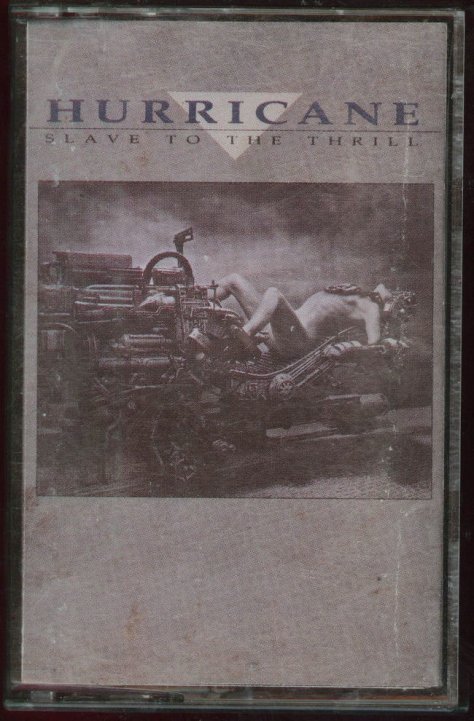
The Cassette Chronicles – Laura Branigan’s ‘Touch’

By JAY ROBERTS

The Cassette Chronicles is a continuing series of mini reviews and reflections on albums from the 1980’s and 1990’s. The aim of this series is to highlight both known and underappreciated albums from rock, pop and metal genres from this time period through the cassette editions of their releases. Some of the albums I have known about and loved for years, while others are new to me and were music I’ve always wanted to hear. There will be some review analysis and my own personal stories about my connection with various albums. These opinions are strictly my own and do not reflect the views of anyone else at Limelight Magazine.

ADVERTISEMENT – Click on the above ad to purchase tickets!

LAURA BRANIGAN – TOUCH (1987)

Before I became a full on rock and metal fan, my musical appetites were pretty much sated by the weekly American Top 40 countdown on Sunday mornings on 92 Pro-FM out of Rhode Island. Casey Kasem would count down the hits each week and I’d make a list of each week’s songs in a notebook.

Once I delved into the rock world, I stopped doing that. But in the category of guilty pleasure music, I kept a love of certain pop groups or solo performers. Survivor would probably be the main one as they have always remained one of my favorite groups. But Laura Branigan would definitely be another artist that fit into the guilty pleasure grouping. Of course now, I don’t consider it anything more than music that I like but in the mid ’80s, there wasn’t much in the way of rock and pop crossover. At least in terms of fandom.

The weird thing is that despite having a number of hits, I can’t help feel that Branigan is somehow very overlooked these days. I know there is different ways her memory is kept alive but you never really her name mentioned much and that’s a shame.

She had a really good and powerful voice, sang some great hits and invariably had some pretty good albums. Her biggest hit was the song “Gloria”, but there was also tracks like “Self Control”, “Solitaire”, “How Am I Supposed To Live Without You” and then probably my two favorites “The Lucky One” and “Spanish Eddie”. Heck, I still have a cassette copy of her Hold Me album that I bought when it came out.

My enduring fandom for her thus leads me to her 1987 album Touch, which saw her taking more of an active role in the recording of the album. Another notable aspect I found while listening to the album is that there’s more of an adult contemporary sound to the material as opposed to straight up pop songs. I got to listen to this as a completely new album as I’d never heard it before and the cassette was still in its original wrapping.

As you might imagine, the 80’s tendency to overproduce the music is in full effect on the album. It doesn’t hamper every song but the studio magic was less than magical at times.

The first side of the Touch album was an iffy affair. The opening song “Over Love” had a really good rhythm to it, midtempo in pace and a solid effort. But that production problem reared its unwelcome head on the next track “Shadow Of Love”. The heavy handedness ended up making both the vocals and the guitar solo sounding off and almost as if it was warped.

Meanwhile, “Meaning Of The Word” was slow and grating on the ears. The cover of “Power Of Love”, which was originally recorded (and co-written by) Jennifer Rush, did nothing for me either. The song did become a top 40 hit for Branigan.

I did really love the song “Angels Calling” though. The song is an uptempo track that holds up well all these years later.

Side two was a far stronger sampling of Branigan’s material. There are six songs and five of them are total keepers. The only song that made me want to bang my head against a wall to make the horror stop was “Name Game”. The opening was atrocious enough but then the chorus just made it worse. Making Branigan (who received no writing credits on Touch) sound like a demented cheerleader from hell in the chorus was a crime against her and her fans too. Oddly enough, the main lyrical verses of the song aren’t all that bad.

The lead track on side two is a song called “Shattered Glass”. While it was only a Top 50 on the regular chart, it became a Top 20 hit on the Billboard dance chart. It is undeniably charming which kind of surprised me. The song I liked in terms of wishing it had become a pop hit would be “Whatever I Do”. It has all the right ingredients to have become a hit including a big ear catching chorus. “Spirit of Love” has a really cool sounding, albeit quite brief, guitar solo. The title track to the album and “Cry Wolf” are also solidly grooved songs that please the musical palate.

Musical tastes were changing in 1987 so it doesn’t surprise me that this album only managed to chart at #87. But it is a little sad to think that Laura Branigan couldn’t have more success with Touch because there was a surprising number of good songs to work with on the release.

Touch certainly demonstrates to me why Branigan should be far better remembered. I don’t think she gets her due as a standout 80’s performer and wish things were different. I mean if no-talent hacks can sell millions these days, Branigan should’ve been monstrously successful by comparison.

NOTES OF INTEREST: Laura Branigan died in 2004 from a brain aneurysm.

Other artists to cover the song “Power of Love” include Celine Dion and Air Supply. The Air Supply version featured Toto members Steve Lukather (guitar), David Paich (keys) and Steve Porcaro (keys, synth).
The CD edition of Touch contains a bonus track called “Statue In The Rain”.

The Cassette Chronicles – Tora Tora’s ‘Surprise Attack’

By JAY ROBERTS

The Cassette Chronicles is a continuing series of mini reviews and reflections on albums from the 1980’s and 1990’s. The aim of this series is to highlight both known and underappreciated albums from rock, pop and metal genres from this time period through the cassette editions of their releases. Some of the albums I have known about and loved for years, while others are new to me and were music I’ve always wanted to hear. There will be some review analysis and my own personal stories about my connection with various albums. These opinions are strictly my own and do not reflect the views of anyone else at Limelight Magazine.

ADVERTISEMENT – Stryper’s Michael Sweet will perform at The Vault at Greasy Luck Brewpub, located at 791 Purchase Street in New Bedford, MA, on March 8, 2018. Click on the above ad to purchase tickets!

TORA TORA – SURPRISE ATTACK (1989)

The debut studio album from the Memphis based rockers might not be familiar enough to most rock fans that aren’t devotees of the 80’s metal music scene but for those of us that are, Surprise Attack introduced us to a blues-based rock band that had some pretty solid music to offer.

I write this with the knowledge that while I didn’t have this album in my collection from its initial release, I have a very soft spot and fond recollection of the band’s likely best known song “Walkin’ Shoes.”

While Surprise Attack managed to peak at #47 on the album charts, that song has remained a huge memory for me even nearly 30 years after the fact. The funny thing is that as much as I loved that song, I’d totally forgotten about the album’s opening cut, “Love’s A Bitch”, which has just as big a commercial vibe to it, but it didn’t get released as a single. “Phantom Rider” was another of the band’s single releases. It features a pretty intense solo from guitarist Keith Douglas, but in all honesty I was relatively unimpressed by the song.

The first side of the album is a bit hit and miss for me. The song “28 Days” moves at an even faster clip than “Love’s A Bitch” with singer Anthony Corder spitting out the vocals in rapid fire succession. It’s darn good. I also enjoyed the song “Guilty” which was the third of the album’s songs to get a single release. The song is good all the way through, but the use of a big backing vocal track on the chorus helped sell the song that much more.

As I said, I didn’t care for “Phantom Rider” which closed out the first side of the album, but I found “Hard Times” to be even more problematic for me. It’s got the swampy, Southern Rock underpinnings that would usually make me really get into the track, but the vocals kill the song for me. They come off as entirely too whiny and screechy for anyone to truly enjoy them.

Side two fares much better. After leading off with “Walkin’ Shoes”, the band doesn’t coast as they blow through three more incredible sounding rockers. I wouldn’t ever claim that the lyrics are going to get you into any philosophical conversations, but when you just want to rock out, songs like “Riverside Drive”, “She’s Good She’s Bad” and “One For The Road” will do the job of raising your adrenaline levels. The only real nitpick is that the album ends on a bit of a down note with the slow syrupy ballad “Being There.” I can’t decide if the song as a whole irritated me or if I was wishing that they’d done a better job of sequencing it in the track listing. For me, an album should open and close on an extended rocking romp through your mind, unless a ballad is so outstanding that you can’t help but be moved by it. That is not the case with “Being There.”

The band followed up Surprise Attack with the album Wild America which demonstrated an apparent maturity in the songwriting but sold less than the debut album. That’s okay though. While Tora Tora may be one of those “obscure” 80’s bands that only the cognoscenti remember, I know that I am glad to have their debut album in my collection. It is chock full of some straight on rock and roll and when it comes down to it, I want to be entertained by the music I choose to listen to. This album does the trick for me!

Notes of Interest: The band broke up in 1994 after their third album, Revolution Day, got lost in the shuffle of record company changes and wasn’t released. The album did finally see the light of day in 2011 via FNA Records.

The band got back together in 2008 to celebrate the 20th anniversary of getting their record deal and they are still active today.

The Cassette Chronicles – Black ‘N Blue’s ‘Nasty Nasty’


By JAY ROBERTS

The Cassette Chronicles is a continuing series of mini reviews and reflections on albums from the 1980’s and 1990’s. The aim of this series is to highlight both known and underappreciated albums from rock, pop and metal genres from this time period through the cassette editions of their releases. Some of the albums I have known about and loved for years, while others are new to me and were music I’ve always wanted to hear. There will be some review analysis and my own personal stories about my connection with various albums. These opinions are strictly my own and do not reflect the views of anyone else at Limelight Magazine.

ADVERTISEMENT – John Corabi will perform at The Vault at Greasy Luck Brewpub, located at 791 Purchase Street in New Bedford, MA, on February 25, 2018. Click on the above ad to purchase tickets!

BLACK ‘N BLUE – NASTY NASTY (1986)

After a more streamlined sound on their album Without Love failed to attract a big audience, Black ‘N Blue went back to a more raw production sound for Nasty Nasty.

The album’s title track might best sum up why the band never really went anywhere in their career, they just never had the right combination of timing and material. The album’s producer was Gene Simmons. This was the first of two albums he produced for the band. The music for the title track ended up forming the basis of the Kiss song “Domino” which appeared on their album Revenge.

A lot of the albums I write about in this series find me arguing that a particular album is an underrated gem. With this album, I’m taking a slightly different direction. I don’t think the album is a gem. It’s pretty much a product of its time, but not really all that different from what you could’ve heard from a number of bands at the time.

There’s nothing particularly bad about the album and it is competently played. The band is obviously tight particularly with the guitar work from Tommy Thayer and Jeff Warner. The nine tracks combine eight fast paced rockers and one “single-worthy” song in “I’ll Be There For You” (written and produced by Journey’s Jonathan Cain) which, despite its obvious quest for commercial success, is the worst song on the album.

But while I’m not here to argue for its inclusion in the debate over greatest rock/metal album of all time, I also can’t say that I didn’t enjoy Nasty Nasty either. I loved the guitar work on “Kiss of Death”, the song that closes out side one. The strike first-strike hard attack on “12 O’Clock High” and “Do What You Do” are definitely ready to get the blood boiling with each song’s unrelenting musical soundtrack. I love the way singer Jaime St. James (billed as “The Voice” in the liner notes) spits out the vocals on these two tracks without sacrificing clarity. The album’s closing song “Best In The West” sounds as if it captures the band in live performance though it isn’t made clear whether it is just a studio track with audience sounds spliced into the mix or not. But either way, it finished the album off in rousing fashion.

I missed out on the band back in the day. Oh sure, I’d heard of them of course. I saw ads for them in the plethora of music magazines I read at the time, but they just never captured my imagination. Black ‘N Blue might not have reached the summit of the 80’s metal years, but unlike a lot of bands that came after them, when you look back you won’t find yourself horrified by their music. It’s straight forward hard rock and while originality points might be in short supply, you won’t find yourself feeling cheated out of your time when listening to this album. You might even find yourself with a newfound appreciation for the band.

Notes of Interest: The band broke up in 1989 but reunited sporadically over the years and have been a fully active band since 2008. They released an album called Hell Yeah! in 2011. They were supposed to play a show near me in Massachusetts last year but the show ended up being canceled. I would’ve loved to see them live though.

Ex-Kiss drummer Peter Criss and Keel singer Ron Keel are credited with performing vocals on the song “Best In The West”. Keel guitarist Marc Ferrari played guitar on the song as well.

Though credited on two songs on the album, John Purdell played keyboards on only one song, “Kiss of Death”. The other song he got credited for, “Promise The Moon”, was originally intended to be on the album but got pulled in favor of “I’ll Be There For You”. The error wasn’t explained until the album was remastered in 2003. Purdell worked with Ozzy Osbourne, Heart, Alice Cooper, Dream Theater, Cinderella and Quiet Riot before his death from cancer in 2003.

Bringing great entertainment to New England since 2011!