By JAY ROBERTS
The Cassette Chronicles is a continuing series of mini reviews and reflections on albums from the 1980’s and 1990’s. The aim of this series is to highlight both known and underappreciated albums from rock, pop and metal genres from this time period through the cassette editions of their releases. Some of the albums I have known about and loved for years, while others are new to me and were music I’ve always wanted to hear. There will be some review analysis and my own personal stories about my connection with various albums. These opinions are strictly my own and do not reflect the views of anyone else at Limelight Magazine.
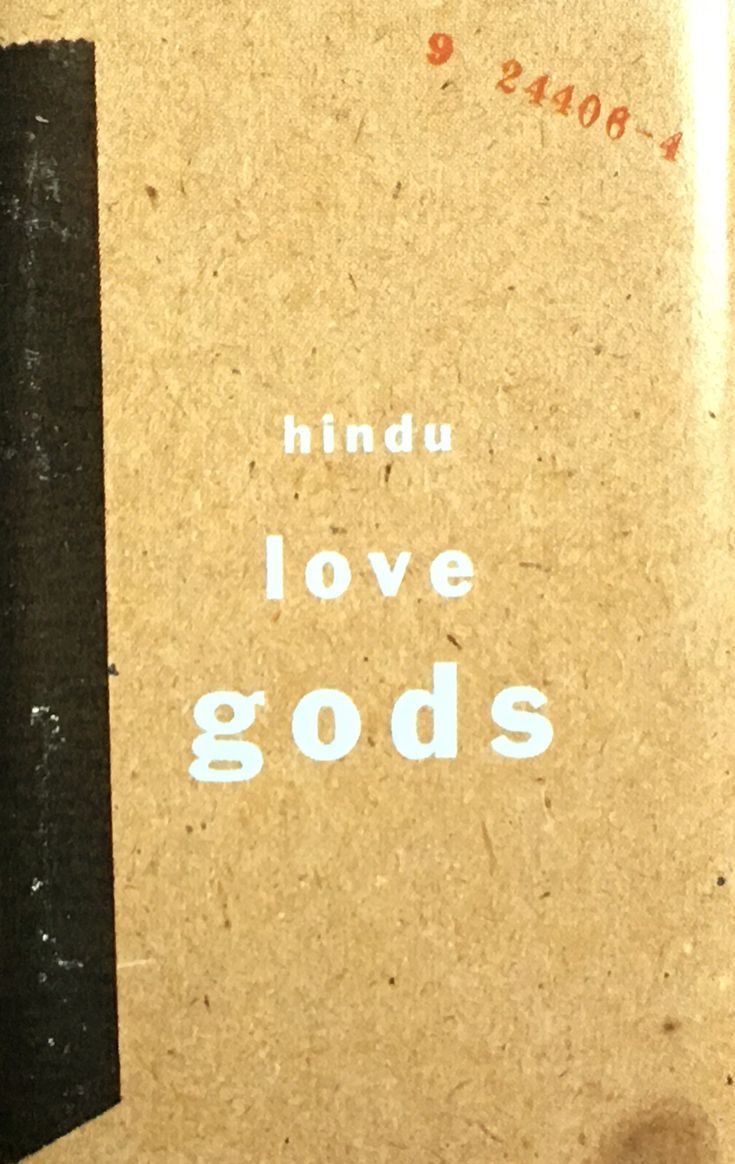
HINDU LOVE GODS – HINDU LOVE GODS (1990)
A couple months ago, I found myself at my local record shop, Purchase Street Records, helping to sort through a big collection that the store had acquired. It contained CDs, vinyl records and cassettes. The majority of the items were of the mainstream rock variety. Which is great for the store as plenty of customers come in looking for that stuff.
For me, I either have a lot of the stuff that was to be found in the collection, or it was stuff I wasn’t interested in. However, I did find one little gem while sorting the cassettes. Yes, you guessed it! It was a copy of the self-titled album from the Hindu Love Gods. And it wasn’t some beat up barely holding on copy either. The cassette, the holder and the insert are in damn fine condition.
I’d known of the album’s existence for a long time but I’d never seen a copy of it, in any format, out in the wild. Unsurprisingly, I had to pick it up.
The Hindu Love Gods featured three members of R.E.M. which wasn’t the real selling point of the album for me. Rather it was the fact that the fourth member of the group was none other than one of my all-time favorite artists…WARREN ZEVON.
While my love of hard rock and heavy metal will always ring true, singer-songwriters like Zevon are always something I am interested in.
I’d actually heard the cover of the Prince song “Raspberry Beret” from the album years prior because I have a copy of the Zevon anthology I’ll Sleep When I’m Dead. However, since I could never find a copy of the album in the wild, I’ve never heard the full release until now. And hey, any chance to hear what amounts to essentially new Warren Zevon material is A-OK in my estimation. Even if the album is about 36 years old by the time I listen and write this article.
Something I didn’t realize before researching the album was that it was recorded at the same time as Zevon’s Sentimental Hygiene release. The R.E.M. guys (Peter Buck, Mike Mills and Bill Berry) were playing on that album and these covers came about during those sessions, though they were never considered for release until after the fact.
The ten songs on the album are mostly covers of blues songs and while I’m not the most devoted blues fan, I do like some stuff so it was going to be a definitely interesting musical journey for me.
The first side of the album opens with two Robert Johnson songs. The opening track is “Walkin’ Blues”. I was immediately taken with the foot stomping beat to the music but I loved the way Zevon’s vocals came through. While the vocal track is clearly identifiable as Zevon, there’s a strong raspier tone to the take which gives an added dimension to the song in full. While the songwriting credit for this version of the song is given to Robert Johnson, the song in its original form was originally written by blues legend Son House in 1930.
The second track is one that I’ve actually heard a version of before, but not this particular one. The song “Travelin’ Riverside Blues” was covered by Led Zeppelin back in 1969. The difference between that version and the Hindu Love Gods version is dramatically different but again, the constant thump of the music’s beat draws you in while the vocals for the song have starkly different shading. Robert Plant and Warren Zevon were definitely far apart in vocal styles. In fact, for Zevon’s version, I thought that at times the vocal take got a little buried during the more intensely delivered portions of the music. The song is good but it isn’t one that I completely adore regardless of whose version I’m listening to.
Next up is the cover of “Raspberry Beret”. As stated above, I’ve heard the song plenty of times over the years and I think it comes as little surprise that I like it. Oddly enough, I also like the original Prince version a lot as well. It’s just a great rendition and I can sure understand why it got included on that Zevon anthology.
There’s a lot of story to go with the song “Crosscut Saw” but I don’t want to delve into too deeply here. I suggest looking it up on Wikipedia for all the details. But there’s been plenty of recordings of the song from the original Tommy McClennan version in 1941 and then further recordings by Tony Hollins and Albert King. It’s been covered by both Eric Clapton and Stevie Ray Vaughn as well. I’m not sure how blues fans took to the Hindu Love Gods rendition of the song but I appreciated the rapid nature of Zevon’s vocals a lot. The music isn’t quite as pounding as the first couple of songs on their album but it is still very lively and uptempo. In all, a damn fine track.
The first side of the album closes out with the song “Junko Pardner”. It’s another song that has been covered numerous times by a wide range of artists including its original performer James Wayne, Dr. John and even The Clash and actor Hugh Laurie.
According to Dr. John, the song served as an anthem for the criminal set and was sung in the Angola prison in Louisiana. The song has a kind of jaunty thematic sensibility to it which you might tend to get swept up into. There’s a couple of stuttered stop and starts toward the end that make you think the song was over before it actually was but man, this song really gets your foot tapping.
The second side of the album kicks off with the song “Mannish Boy”. The creation of the song is amazing as it was co-written by both Muddy Waters and Bo Diddley (along with Mel London). Waters first recorded it. But the nature of the song itself goes far beyond the sexual boasting that makes up at least part of the lyrical content. Again, check out the song’s Wikipedia entry for the full story. As for this particular rendition, given the nature of the song’s meaning, it’s a little weird to hear four white guys performing the song. But setting that aside for the moment, it’s a damn cool track. The guitar work is phenomenal and I just love the vibe the song gives off. And yes, the way Zevon delivers his vocals helps make the song work that much more for me. At nearly seven minutes long, it is the lengthiest track on the album and I have to say, not once did I felt the song was dragging. And that’s likely due to the fact that throughout the song, that continually great guitar work keeps you coming back to see what’s coming next.
The Willie Dixon written “Wang Dang Doodle” is up next and while it was first recorded by Howlin’ Wolf, there’s been an incredible amount of artists covering the song over the years. As for this album’s version, you get a fast moving uptempo track with the music’s sense of rolling theatrics keeping you bouncing right along. I’m not sure who’s playing the harmonica on the track but that instrument floating in and out of the song made for a great way to keep attracting my ear to the song as a whole.
The song “Battleship Chains” has an interesting pedigree. Written by Terry Anderson and recorded originally recorded by his band The Woods, the song really got a push when it was covered by The Georgia Sattelites on their self-titled debut album. I haven’t heard that version but I loved the rocking tempo of this rendition and the visuals the song lyrics conjure up. It’s got a really hard rocking feel to it that endears itself to me a whole lot.
While most of the songs on the album are blues covers, the last two tracks are from other musical styles. The song “I’m a One-Woman Man” is a country track. And I thought it was superb. Originally done by the co-writer Johnny Horton, the song was a Top 10 country hit in 1956. It’s been further covered by such artists as George Jones, Glen Campbell and Josh Turner. I’ve never heard any of the other versions of the song but regardless of that fact, I was really taken by this version. It sounds like it could’ve actually been a song that Warren Zevon would’ve written himself. Given the range of styles Zevon wrote in during his career, this instantly reminded me of some of his original material. Plus, it is a strongly crafted song on its own merits and I can understand why it was so successful.
The closing song is a folk track by Woody Guthrie. The song “Vigilante Man” hired thugs during the Dust Bowl era in America. It’s got an uptempo musical score for such a dark topic. I like the song and the way it ties into literature as well as both country and blues music gives it a strong pedigree in its actual creation.
One thing that I’m going to have to do when I have some extra time on my hands is to go back and listen to the original versions of each of the ten tracks on this album. I didn’t feel the need to do so for this article but my own curiousity will probably bug me until I do it anyway.
The performances on the Hindu Love Gods album are top notch. The R.E.M. guys are clearly great players and as I’ve stated, I love Warren Zevon’s artistry always. Covering such a cross section of blues, country and folk songs might not always be the easiest thing to do but I think they did a great job. It may have taken me a very long time to find a copy of this album for myself but now that I’ve got it and got to listen to it for myself, this is one kickass album!
NOTES OF INTEREST: While the Hindu Love Gods original release was less than successful (the album peaked at #168 on the Billboard album chart), the interest in the album over the years must’ve paid off somewhat as it received a vinyl reissue to coincide with the 2025 edition of Record Store Day.
The band drifted apart due to music business issues. According to the album’s Wikipedia page, Warren Zevon and Peter Buck stayed in touch for a few years but even that ended. Zevon would say that there was resentment from the REM guys which Buck would seem to have confirmed by saying Zevon’s management had screwed them over.