Category Archives: Cassette Chronicles

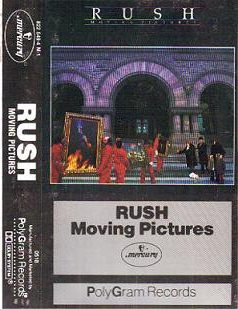
The Cassette Chronicles – Rush’s ‘Moving Pictures’

By JAY ROBERTS

The Cassette Chronicles is a continuing series of mini reviews and reflections on albums from the 1980’s and 1990’s. The aim of this series is to highlight both known and underappreciated albums from rock, pop and metal genres from this time period through the cassette editions of their releases. Some of the albums I have known about and loved for years, while others are new to me and were music I’ve always wanted to hear. There will be some review analysis and my own personal stories about my connection with various albums. These opinions are strictly my own and do not reflect the views of anyone else at Limelight Magazine.

RUSH – MOVING PICTURES (1981)

It is with broken hearts and the deepest sadness that we must share the terrible news that on Tuesday our friend, soul brother and band mate of over 45 years, Neil, has lost his incredibly brave three and a half year battle with brain cancer (Glioblastoma). We ask that friends, fans, and media alike understandably respect the family’s need for privacy and peace at this extremely painful and difficult time. Those wishing to express their condolences can choose a cancer research group or charity of their choice and make a donation in Neil Peart’s name.

Rest in peace brother.

Neil Peart September 12, 1952 – January 7, 2020

The above statement was released on Friday January 10th, 2020 and it sent shock waves through the music world as fellow musicians and fans worldwide were stunned by the death of Neil Peart. Of course, it wasn’t just that the husband, father and drummer for the band Rush had passed away, but that so very few people even knew that he’d been sick with brain cancer. But I guess that was by design and intent, summed up by a song on the very album I’m writing about in this article.

I wasn’t originally going to be writing about a Rush album this week, but I kind of felt compelled to do so because of Peart’s passing.

There has always seemed to me a schism in how music fans have felt about Rush. You have the diehards who can’t get enough of the band. To them, Rush is the be all, end all of music. Then you have those who for a myriad of reasons, just don’t like them at all.

I suppose that I can understand each side. But I’m somewhere in the middle. For me, in the most general of terms, Rush has always been a “radio band” to me. That’s the phrase I use for bands that I love hearing on the radio but don’t really feel overly compelled to buy their albums. Or if I do buy their music, it is on a very limited basis. I hear Rush all the time on 94 HJY out of Providence, Rhode Island. And whenever they play a song, I love to hear it. The band’s “hits” are damn good and invite repeated listening.

But for whatever reason, I’ve never been a diehard. I didn’t see them in concert and I’d only bought a couple of their albums (on cassette). When I first discovered the idea of concept albums, it was releases by Queensryche and Iron Maiden that fueled my fire for that style. When I found out Rush had done one with 2112, I bought it. Of course, maybe I’m just not smart enough to appreciate what they did on that album but sadly, I found it impenetrable for me. I also had the Presto album which was purchased because I really liked the song “Show Don’t Tell”. Unfortunately, neither album still has a home in my music collection.

So it was off to the record shop where I knew I could pick up a Rush cassette to be the focus of today’s piece. I’ll admit that I kind of took the easy way out by picking Moving Pictures because it was stocked with three huge hits for the band.

(Let me add that I fully realize that whatever I write from this point forward, I know it is a case of most people thinking “No Shit, Sherlock” regarding my impressions)

The seven track album runs just over 40 minutes but there’s a whole lot of musicality packed into every second of its run time.

Side One is top heavy with three killer classics, but before I talk about those I want to mention the other song on this side first. “YYZ” is an instrumental and I think it will shock no one that I haven’t heard it before. Like I said, I’m a hits on the radio fan for the most part. I think that my lack of musical ability tends to affect my ability to appreciate most instrumental works as well. But I have to say that I came away pretty invigorated by “YYZ”. There’s plenty of spotlight moments for guitarist Alex Lifeson and bassist Geddy Lee as well as Neil Peart. Of course, it doesn’t surprise me that when they are all melding into one sound that the song is at its best. It was a nice discovery to make.

As for the hits, what can I say that is new to anyone regarding “Tom Sawyer”? That’s right…nothing. It is just a flat out great song and has definitely earned its place in any best of Rush list.

“Red Barchetta” did provide me a bit of a surprise believe it or not. I’ve heard the song an ungodly amount of times but that familiarity kind of blurred the lyrics for me. As I listened to it for this article, it dawned on me that it was all about a wild drive in a car. I looked up the story behind the song and it was pretty fascinating. I think that I’ll be listening to the song with a different appreciation from now on.

Before I talk about what I consider my favorite song on the album (and probably my favorite Rush song period), let’s skip to Side Two first. Let me just say that I just didn’t really find “The Camera Eye” or “Witch Hunt” to be my cup of tea. But I was pretty happy to find myself enjoying “Vital Signs” a whole bunch.

Okay, back to the album centerpiece (my opinion) song. “Limelight” is the closing track on Side One and it is a musical and lyrical showcase. Peart’s thoughts and feelings about the band’s increasing fame set to music ironically only served to increase the band’s fame because this song is such an all-time classic. It also helps that Geddy Lee’s vocal for the song was particularly inspired. Neil wrote it, Lee “sold” it and Lifeson plays a hell of a solo on it.

I don’t know if this is an overreaction to Neil Peart’s death or not but I like that I gained an appreciation for one of the band’s albums regardless of the initial prompt to do so. Whether it will further key me up to do a deeper dive into the band’s music, I don’t know. But I’d like to think that it would. It is sad that it would take the death of one of the band members to do that but having a fuller appreciation of the depth of loss felt by those who have worshipped the band’s music for decades can’t be a bad thing.

In “Limelight”, Peart wrote the following:

” Living in a fisheye lens

Caught in the camera eye

I have no heart to lie

I can’t pretend a stranger

Is a long awaited friend”

I get what he was saying with that line, but I think that I can say that by discovering a love of the Moving Pictures album, I can see why Rush fans would reverse those last two lines on him at this time. Their shared love of the music Peart was involved in creating with Lee and Lifeson made him seem more friend than stranger. So I can see why those diehard fans like Limelight Magazine’s own Jay Kenney would have, upon hearing that Peart had died, “felt a shadow cross their heart.”

NOTES OF INTEREST: KNAC.COM aired a three hour block of Rush music on Sunday January 12th during The Vault radio program hosted by DJ Will as a tribute to Neil Peart.

In a bit of odd timing, a friend of mine in Wisconsin named Cindy got back in touch with me after I hadn’t heard from her in a long time. She’s a huge fan of Rush, but lost everything including her Rush music collection in a recent apartment fire. During that trip to the record shop to get the Moving Pictures cassette, I picked up a CD editions of the first Rush album and the Rush in Rio live album to send her as she begins to re-assemble her collection.

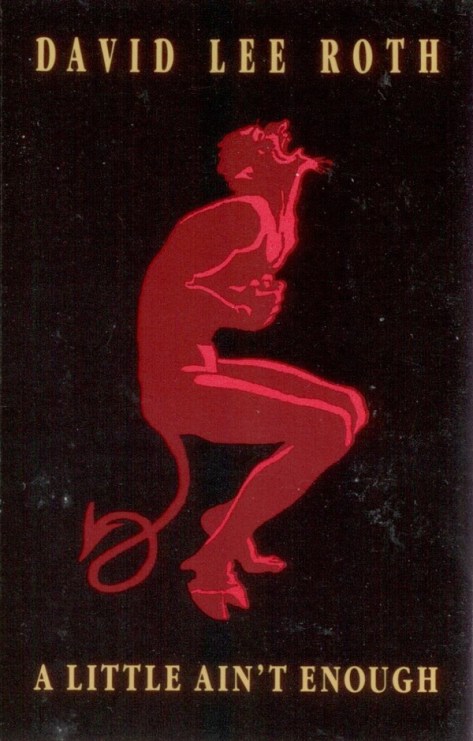
The Cassette Chronicles – David Lee Roth’s ‘A Little Ain’t Enough’

By JAY ROBERTS

The Cassette Chronicles is a continuing series of mini reviews and reflections on albums from the 1980’s and 1990’s. The aim of this series is to highlight both known and underappreciated albums from rock, pop and metal genres from this time period through the cassette editions of their releases. Some of the albums I have known about and loved for years, while others are new to me and were music I’ve always wanted to hear. There will be some review analysis and my own personal stories about my connection with various albums. These opinions are strictly my own and do not reflect the views of anyone else at Limelight Magazine.

DAVID LEE ROTH – A LITTLE AIN’T ENOUGH (1991)

It’s funny how things turn out sometimes. I picked this album out of The Big Box of Cassettes and even though I hadn’t listened to it yet, I kind of started writing a potential opening to this article in my head.

However, I really had to throw that out once I listened to the album. The reason for that is because most of what I was going to say by way of introduction had to be eliminated or at least changed up a bit.

While I have listened to David Lee Roth sing as part of Van Halen for years, I have to say that I was never a member of the Cult of Dave. He was a great frontman, that’s not in question. But I just never thought he was the greatest thing since sliced bread like so many other fans would likely say. And as he aged, the stuff that made him a legend became more cartoonish and sad to me.

As for his solo music, I’d heard the various songs that got played on the radio, but the only album I ever bought was the Skyscraper release. That had the big “Just Like Paradise” hit on it and I liked that album well enough. But I’d never bothered with any of his other albums, so listening to A Little Ain’t Enough for this article was also the first time I’d heard anything besides the title track.

Let’s just say I didn’t have high expectations.

And wow did I get a wildly rude awakening! Seriously, this is a such a freaking fantastic album that if I was a Looney Tunes cartoon character my eyes would be bugging out of my head and my jaw would’ve hit the ground like an anvil.

The title song opens up the 12-track album and it is still rather exciting to hear. I think I heard it recently on the Dee Snider radio show “The House of Hair” so that might be why I remember it so keenly now. Either way, it is a really rocking number that sets the stage for the rest of the album.

The thing that I had somehow forgotten is that this album featured Jason Becker on lead guitar. I remember that he had been in the band but not what period that was in Roth’s solo career. Looking at the songwriting credits, I did find it odd that he only had just two co-writing credits though (More on Becker in the Notes of Interest section).

Truth be told, the credited band lineup for the album was pretty intriguing. Steve Hunter (from The Alice Cooper Band), Brett Tuggle and both Matt and Gregg Bissonette. They all had songwriting credits in various combinations as well.

Still, that couldn’t have really prepared me for what was to follow the album’s title cut. Let me just get it out of the way now, there is not a bad track on here! With six songs on each side of the cassette, Roth has what would likely be thought of in the 1980’s as a perfect album to put on at a party.

The majority of the music is of the fast paced and crackling with electricity rockers but on a couple of songs (“Tell The Truth” and “Sensible Shoes”), Roth and Co. get impressively bluesy.

As I said, I like every song on this album. I bounced from one cut to the next with a very charged feeling to hear what was next. I suppose I was also waiting for a song to come on that I didn’t like so that I could say, “Ah! This Sucks!”, but I gave up on that by the time Side One finished.

I loved the Side One song “Hammerhead Shark” a lot, but I was really blown away by the Side Two track “It’s Showtime!” which was one of the two tracks that Jason Becker co-wrote. It’s is so relentlessly paced that I wondered how Roth kept up the rapid fire pace with his vocals to keep up with the music.

And that’s just a couple of tracks that I decided to spotlight in particular. But you can’t go wrong with any of the songs. You’ll find something to love with “Lady Luck”, “Shoot It”, “Last Call” and “40 Below” as well.

Normally, I might be mad to have been so thoroughly proven wrong about an artist and/or album but with the case of David Lee Roth, this album’s title proves musically prophetic because I find myself unable to get enough of this album. It’s really impressive to me and I think that once I finish writing this article, I’m going to go back and play it again!

NOTES OF INTEREST: Guitarist Jason Becker was diagnosed with ALS (Lou Gehrig’s Disease) a week after joining the band. While he did finish recording this album, he was unable to tour for it as his illness had progressed enough to rob him of the strength in his hands.

Guitarist Steve Hunter not only played on nine Alice Cooper albums (including the most recent one Paranormal) but he’s played with Lou Reed, Peter Gabriel, Tracy Chapman and others. He’s also released seven solo albums. According to Wikipedia, he’s legally blind.

While A Little Ain’t Enough sold enough copies to achieve gold certification, it was considered the downfall of Roth’s run of success. The tour was a failure and the album went out of print in 1996 before a remastered edition was released in 2007. The title track was co-written by singer/producer Robbie Nevil, best known for the 1986 smash hit single “C’est la Vie”.

The biggest surprise to me, other than loving the album, was discovering that longtime Dio guitarist Craig Goldy co-wrote the song “Lady Luck” for the album.


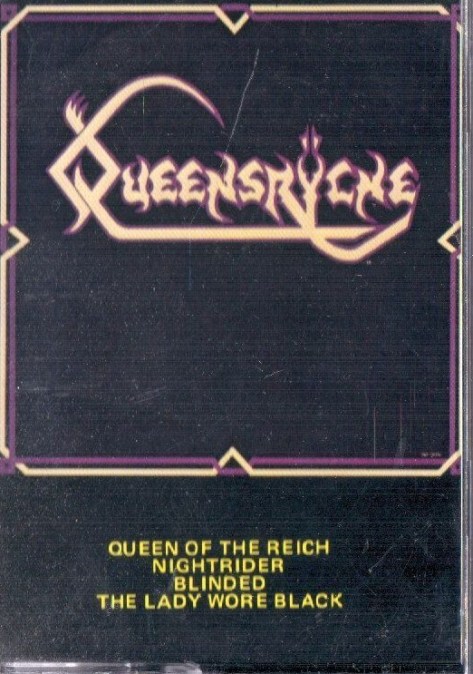
The Cassette Chronicles – Queensryche’s ‘Queensryche’

By JAY ROBERTS

The Cassette Chronicles is a continuing series of mini reviews and reflections on albums from the 1980’s and 1990’s. The aim of this series is to highlight both known and underappreciated albums from rock, pop and metal genres from this time period through the cassette editions of their releases. Some of the albums I have known about and loved for years, while others are new to me and were music I’ve always wanted to hear. There will be some review analysis and my own personal stories about my connection with various albums. These opinions are strictly my own and do not reflect the views of anyone else at Limelight Magazine.

QUEENSRYCHE – QUEENSRYCHE (E.P., 1983)

2019 was a pretty big year for Queensryche and their now ex-lead singer Geoff Tate. The band had pretty big success with their new album The Verdict, which not only got great reviews but it was named on a number of best of lists including my own personal list as well as Limelight Magazine’s Top 10 of 2019 rankings. Their tour for the album got great notices, which I agreed with when I saw their performance in Worcester, MA, early in 2019.

As for Geoff Tate, he spent the year touring behind the 30th anniversary celebration of the band’s Operation:mindcrime album. He played a two night stop in New Bedford, MA, and when I saw the first night’s show, the reports I’d heard that he sounded better than he had in years was confirmed. When I read that he was coming back to the area in 2020 to perform the albums Rage For Order and Empire, it was the first concert ticket I bought.

So when I decided to ease into this year’s Cassette Chronicles articles by featuring an EP, the original Queensryche EP was the only real choice I could make.

As I mentioned in my article on the Operation:mindcrime album last year, the EP was my first brush with the band’s music but it came at a time when I had yet to become a metal fan, so I didn’t really think much of it when I first listened to it.

Of course, that changed once I got into the band. And as I listened to this release for the article, I was kind of taken aback by just how fantastic the band sounded right out of the gate. There’s just four songs on the EP but each one gives a clue at the band’s greatness to come.

“Queen of the Reich” is one of the band’s signature songs no matter how much time passes. Besides the obvious tie with the band’s name, the racing intensity gives the track an anthemic quality while simultaneously making your pulse pound.

The next two songs are “Nightrider” and “Blinded”. I don’t think they get nearly the recognition they probably deserve. However, you’d be remiss to simply forget about them. “Nightrider” is a fast paced metallic romp that features a kind of science fiction bent to the lyrics. This is something that would later echo on the some of the material on the Rage For Order album. As for “Blinded”, the rhythmic pounding behind the kit by drummer Scott Rockenfield gave the song the heavy sound conveyed along with the attacking guitar sound. His drum work is superb throughout but it is this song which he elevates the most.

Of course, the band’s best work is saved for the closing track “The Lady Wore Black”. As the title readily implies, this is an epic track that is the band’s first brush with telling a story with both a dramatic and theatrical sense of style. It sets the stage for all the other epics they would write over the next few albums including the entirety of the Operation:mindcrime release. It’s also the song where the legend of Geoff Tate starts to form. His vocals are superb on this track in particular as he embodies the lyrics, conveying the song’s emotional heft to the listener as if this was something that he had actually experienced himself.

Truth be told, once I had begun my Queensryche fandom and had obtained all their back material, it amazed me to realize just how fully formed the band felt right from the start. Every band has a starting point and you’d be hard pressed to deny that the Queensryche EP is just about as note perfect as a band could hope to be on their first release.

NOTES OF INTEREST: The original release of the album lasts less than 18 minutes. It was first released in 1983 by 206 Records but when the band signed with EMI-America it was reissued via that later again that same year. The tour behind this release saw Queensryche open for Quiet Riot and Twisted Sister.

When the album was first issued on CD, the song “Prophecy” was included as a bonus cut. The song was recorded during the Rage For Order period. A 2003 reissue saw the audio tracks from the Queensryche VHS release Live In Tokyo added to the album. The VHS is out of print (but I have a copy of it).

THE BEST OF THE CASSETTE CHRONICLES 2019 – YEAR 3

By JAY ROBERTS

It’s been another fun-filled year for me as The Cassette Chronicles series continued along its merry way in 2019. I got to spotlight some of my favorite bands and albums of all-time, hit the milestone of 100 articles and saw one of the articles from years past get an extra day in the sun when the band spotlighted it earlier this year as part of the 30th anniversary of its release. (Thanks to Leatherwolf!)

I love getting to write about albums from Queensryche, Savatage, and Def Leppard, there’s no doubt about that. But this year, I got to discover a lot of new music that I’d either barely heard of or had never heard of at all. Those albums were usually quite a joy for me to have “newly” discovered after all this time.

In deference to that, I decided to change up my year-end recap article for 2019. I love Operation: mindcrime, Pyromania, Hi Infidelity and all the other well-known albums I wrote about this year but let’s face it, they don’t need my help to be remembered or sought out by new audiences. So instead, I’m going to give the spotlight once again to albums that I hadn’t listened to before this year. While there are still 10 in the list, they are not in any particular order this time around.

I hope you’ve enjoyed this year of The Cassette Chronicles, whether you’ve agreed or been annoyed by the opinions I’ve expressed and I look forward to bringing you more spotlighted albums in 2020! Thanks for reading everyone!

Click on the title of the cassette to read the review.

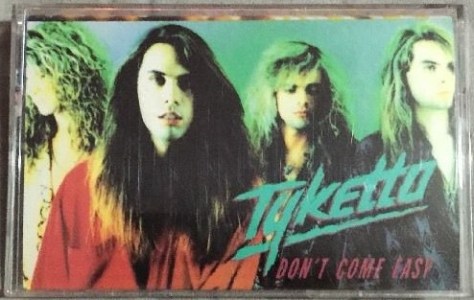
#1 – TYKETTO – DON’T COME EASY

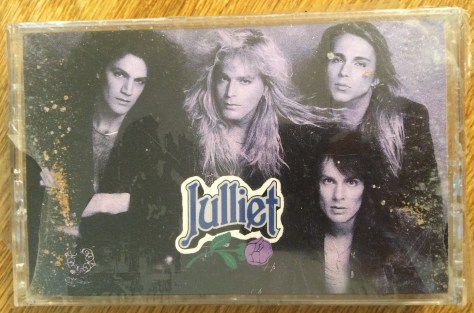
#2 – JULLIET – JULLIET

#3 – HOUSE OF LORDS – DEMONS DOWN


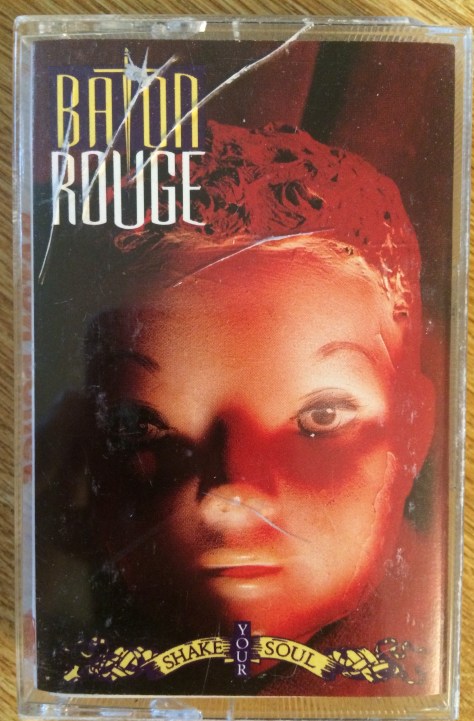
#4 – BATON ROUGE – SHAKE YOUR SOUL

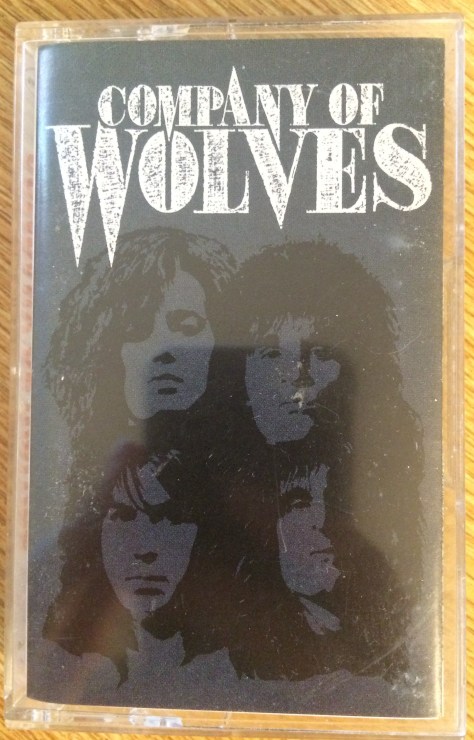
#5 – COMPANY OF WOLVES – COMPANY OF WOLVES

#6 – BAD ENGLISH – BACKLASH


#7 – KEEL – KEEL

         KEEL – (TIE) THE FINAL FRONTIER

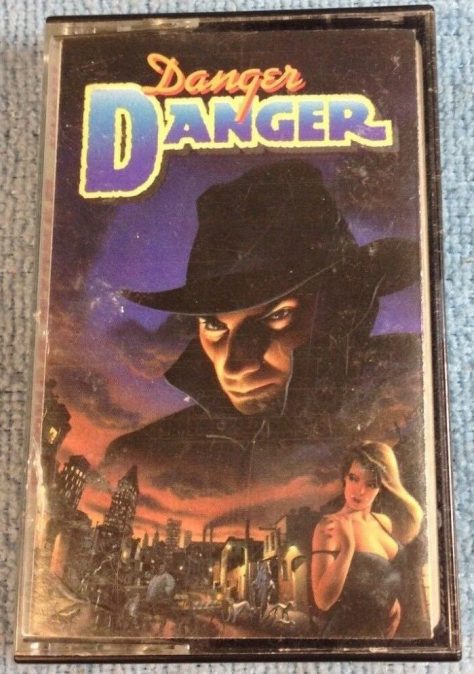
#8 – DANGER DANGER – DANGER DANGER


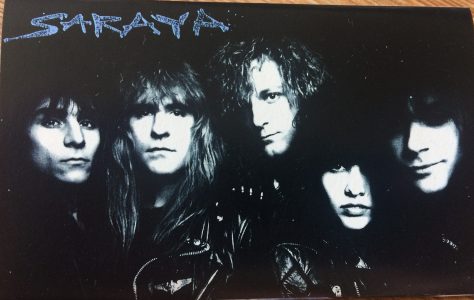
#9 – SARAYA – SARAYA

#10 – ROUGHHOUSE – ROUGHHOUSE


The Cassette Chronicles – Lou Gramm’s ‘Long Hard Look’

By JAY ROBERTS

The Cassette Chronicles is a continuing series of mini reviews and reflections on albums from the 1980’s and 1990’s. The aim of this series is to highlight both known and underappreciated albums from rock, pop and metal genres from this time period through the cassette editions of their releases. Some of the albums I have known about and loved for years, while others are new to me and were music I’ve always wanted to hear. There will be some review analysis and my own personal stories about my connection with various albums. These opinions are strictly my own and do not reflect the views of anyone else at Limelight Magazine.

(WRITER’S NOTE: THIS IS THE LAST REGULAR ARTICLE IN THE SERIES FOR 2019. A BEST OF THE YEAR PIECE WILL APPEAR IN A WEEK OR TWO. THE REGULAR SERIES WILL RETURN IN 2020.)

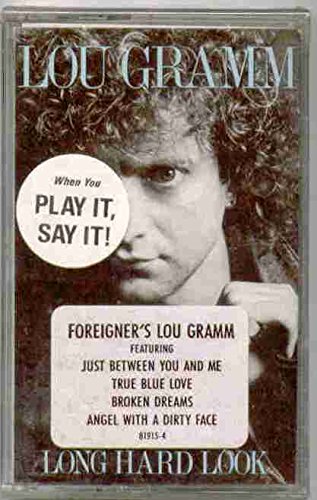
LOU GRAMM – LONG HARD LOOK (1989)

Following the success of his first solo release Ready Or Not in 1987 (that generated the Top 5 single “Midnight Blue”), singer Lou Gramm’s second solo release hit store shelves in 1989 and continued his run as one of the more notable voices in rock history.

While still a member of Foreigner until 1990, the ongoing creative issues between Gramm and Mick Jones over the direction of the band’s music had to have played a role in why this particular album had such a rock and/or hard rock feel to the material.

While I do remember the song “Just Between You And Me” (which would go on to hit #6 on the singles chart) quite fondly, I’d never listened to this album before. This is a sad realization for me because as it turns out, it’s a pretty darn good album.

The first side of the album is astoundingly good. While I wasn’t totally into the rather uptempo love song “True Blue Love”, it’s not terrible per se. I just didn’t find myself particularly inspired by it.

But that song aside, the rest of side one is one rocker after another. The album opens with “Angel With A Dirty Face” and the song really grabs you right from the start. Fast paced with a sweet guitar line running through the song, the track has a very cool sounding chorus that blends it all together. Personally, I think this would’ve been another great choice to release as a single back then.

That’s followed up by “Just Between You And Me” and I’d say it is one of his best songs whether solo or from his days with Foreigner. Hard driving tempo combined with just the right pop touch to make it the hit that it became, the track still stands up perfectly.

There’s a slightly edgier undertone to the song “Broken Dreams”, particularly as it relates to the guitar work. I don’t know why, but this song really worked for me. It also had another big sounding chorus, so that helps as well. As for the side closing “I’ll Come Running”, well it is just a great sounding track with a kick you in the butt song construction that got my blood pumping.

Anyone who’s listened to the classic rocker tracks from Foreigner knows that Lou Gramm can really deliver the goods when it comes to high energy and fast paced vocals. “Hot Blooded”, “Juke Box Hero”, “Cold As Ice” anyone?

But you could’ve floored me with “Hangin’ On My Hip”, lead song on Side 2 of Long Hard Look. It’s a pure hard rock track. There’s no “classic” rock or “pop” rock description for this song , it is HARD ROCK. And Lou Gramm really seemed to cut loose vocally on the song. It’s just freaking awesome to hear him do this kind of track, even if I’m 30 years late in discovering it.

Given the era this album was released, it comes as no surprise that there is a power ballad to deal with. It is just a tad bit ironic that ballads were an issue between Lou Gramm and Mick Jones but Gramm still couldn’t get away from the song style on his solo release. I know that Gramm wrote this song all on his own, but good grief this was just cloying claptrap to me.

Thankfully, the turn for the softer side of things was short-lived as the album closes out with rockers like “Day One”, “I’ll Know When It’s Over” and a cover of the Small Faces song “Tin Soldier”.

Lou Gramm’s standing as one of the defining voices of rock music is secured. But finding out just how good Long Hard Look was, even three decades after I should’ve done so, I can’t help feeling that I need to do a far better job in getting to know the ins-and-outs of his work in order to have a far better sense of appreciation for just how special he is as a singer. Long Hard Look is an excellent way to begin doing that very thing.

NOTES OF INTEREST: Guitarist Nils Lofgren played guitar on the songs “Just Between You and Me” and “Day One”. The latter track also featured guitar playing from Dio and Def Leppard guitarist Vivian Campbell. He played on the songs “Broken Dreams” and “Hangin’ On My Hip” as well.

The Cassette Chronicles – Julian Lennon’s ‘Valotte’

By JAY ROBERTS

The Cassette Chronicles is a continuing series of mini reviews and reflections on albums from the 1980’s and 1990’s. The aim of this series is to highlight both known and underappreciated albums from rock, pop and metal genres from this time period through the cassette editions of their releases. Some of the albums I have known about and loved for years, while others are new to me and were music I’ve always wanted to hear. There will be some review analysis and my own personal stories about my connection with various albums. These opinions are strictly my own and do not reflect the views of anyone else at Limelight Magazine.

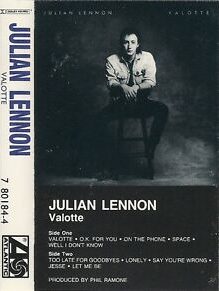
JULIAN LENNON – VALOTTE (1984)

When I dug this album out of the Big Box of Cassettes, I was brought back to 1984 and reminded of the time when I first heard the title track to the album. I can’t remember if it was part of the regular rotation on 92 Pro FM out of Providence, Rhode Island or if it was on their Sunday morning broadcast of American Top 40 with Casey Kasem, but for some reason the song struck a chord with me.

But in all honesty, I really haven’t thought much about the song over the last 35 plus years. I never owned the album itself and while I’d heard “Too Late For Goodbyes” over the years, I had no current knowledge of the “Valotte” song. So it was a little bit of a disappointing surprise to me that as I heard it as an “almost-new” song, I was left wondering why I loved it so much back then. While I still think it is a decent song, I found that the track just had a different tone to me than I had remembered from back in the day. I don’t know if it just was that it seemed somehow slower in tempo than I remembered or what, but it just wasn’t the same to me.

But as that song faded, I had to quickly turn the page and get on with my impressions of the rest of the album. As I said, this was the first time I’d heard the official album in total so there was some discoveries to be made.

The first side of the album was packed with some really intriguing songs. “O.K. For You” had a earworm of a guitar sound to it. The track had an uptempo bounce to it, which was nice considering it followed the “Valotte” song, so the energy pick me up was a nice immediate change of pace. I also really got into the song “On The Phone” which featured a big band sound particularly in the middle of the song.

Unfortunately, I can’t say that about the song “Space”. I thought the presentation of the song was more than a bit hazy, as if Lennon was casting about for some definitive direction and just never really found it. Overall, I thought this one was kind of drag.

But Side One finished strong with “Well I Don’t Know”. It featured an uptick in the music’s pacing and the song, which was written for Lennon’s father John (and if I have to explain that connection further, stop reading this article!), ended up being a rather interesting musical nugget.

As for Side Two, that opened up with the aforementioned “Too Late For Goodbyes”. I’d like to say that I remembered that this song was on the album BEFORE I listened to it but I’d be lying. However, I did remember the song and whether it was due to actually having heard it over the years or just because it hit me stronger, it is my favorite cut on the album overtaking my initial belief back in 1984 that I liked “Valotte” more as a song.

I can’t say I was completely into “Lonely” or the closing piano based “Let Me Be” but I did quite enjoy “Jesse” and “Say You’re Wrong”, which had a crackling urgency fused with a really cool pop sensibility to it.

Julian Lennon has released six solo albums over his career, but Valotte is by far his most successful in terms of sales and chart success. I have to say that I had a great time experiencing this album for the first time. There may be songs on it that didn’t quite cut the mustard with me, but perfect albums being few and far between, it was still a thrill to discover new songs that actually did make my musical heart go all pitter-patter.

I know that fans of The Beatles will likely lay claim to some of the music’s influences belonging to the Fab Four, but if you like straightforward pop music (that would now be referred to as Adult Contemporary), you’ll find that Julian Lennon’s first solo album Valotte has him standing quite capably on his own two feet.

NOTES OF INTEREST: The Valotte album (which was certified platinum) was produced by Phil Ramone. His list of credits is both extensive and a who’s who of some of the biggest names in music history. He would win 14 Grammys for his work before his death in 2013.

The “Valotte” song hit #9 on the singles chart, while “Too Late For Goodbyes” went to #5. The latter is Julian Lennon’s most successful single. The videos for both songs were directed by the legendary movie director Sam Peckinpagh.


The Cassette Chronicles – The Cult’s ‘Sonic Temple’

By JAY ROBERTS

The Cassette Chronicles is a continuing series of mini reviews and reflections on albums from the 1980’s and 1990’s. The aim of this series is to highlight both known and underappreciated albums from rock, pop and metal genres from this time period through the cassette editions of their releases. Some of the albums I have known about and loved for years, while others are new to me and were music I’ve always wanted to hear. There will be some review analysis and my own personal stories about my connection with various albums. These opinions are strictly my own and do not reflect the views of anyone else at Limelight Magazine.

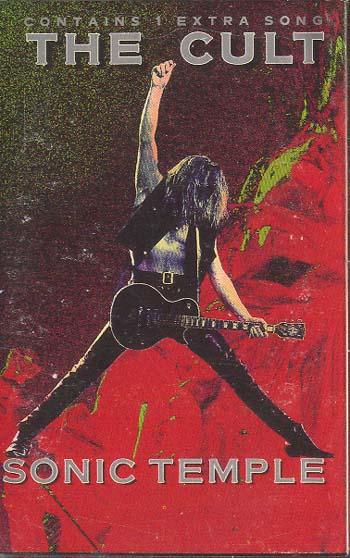
THE CULT – SONIC TEMPLE (1989)

Before popping in the cassette to give The Cult’s Sonic Temple album a listen so that I could write this article, I had to think back to my recollections of the album from when it was first released and the subsequent tour opening for Metallica when I got to see the band perform live.

The album eventually spawned four singles and I actually did quite enjoy them all on their own. Whether on MTV or the radio, each time “Fire Woman” started playing my ears perked up. The other singles put out had a similar effect. But the strange thing is that I remember being more than a little disappointed when I actually got my hands on a copy of the album. I remember thinking that the rest of the material just didn’t really do much for me.

Now that I’ve given this now thirty year old release a new listen, I’ve had a pretty drastic change of opinion about the album as a whole. But there was a 2nd reason why I kind of gave up on The Cult after this album and that goes back to when I saw them live.

I’ve told the story to people before so anyone that knows me in real life will likely already know what I’m about to write here. Frankly put, singer Ian Astbury was the LAZIEST live performer I’ve ever seen. When I saw them open for Metallica, I noticed that something was off with the vocals and then I started doing that damn counting thing I sometimes do. Sure enough, Astbury was fudging his vocal performance. No, not faking it or anything, but he was actually skipping every third word of the lyrics. Didn’t matter what song, I counted them all as soon as I noticed. He would skip every third word because the crowd was singing along and filling in the vocals for him. For some reason, this just really annoyed the crap out of me and it soured me not only on the band but the album as well. I still liked “Fire Woman” but I ended up getting rid of the album over my probably unreasonable attitude about the lack of full vocal performance in a concert.

Yes, it is special kind of dumb reasoning on my part, but that’s how it was for me then. However, like I said earlier, I’ve had a big change of opinion about things now.

The first side of the album is top heavy with all four of the released singles being on it. I mentioned “Fire Woman”, which remains a purely powerful ball of energy that continually punches you in the gut as it blazes a rocking path. The music strikes fast and hard (Billy Duffy’s guitars on this song and the entire album are outstanding) and Astbury’s vocals were and remain a huge hook for the song.

The song “Sun King” was more of a rock radio type of single so it might not be quite as well remembered but I was struck by just how much I enjoyed it this time around. As for “Sweet Soul Sister” and “Edie (Ciao Baby)”, they are just those earworm kind of songs that always key memories back to the first time you heard them.

What did surprise me a bit with Side One was the only non-single track “American Horse”. The song is rocking but I was kind of floored with how much I ended up liking the phrasing of the vocals/lyrics from Ian Astbury. It left me wondering why I didn’t hear that when I first had the album.

Side Two was a slightly different mix of songs for me. I wasn’t all that sold on the opening “Soul Asylum” or “Wake Up Time For Freedom”. Both songs just didn’t quite get over the hump for me. But the good news is, the rest of the songs really worked well. The cassette version of the album contained a bonus track called “Medicine Train” and it was a killer rock track that ended up closing the album out on a high note, but it was the middle of Side Two that did the really heavy lifting. “Automatic Blues” and “Soldier Blue” were both straight up rock songs. Start to finish, each really knew how to find its way into a listener’s blood and get them fired up.

But what really did it for me and is probably the second best song on the entire album (behind “Fire Woman”, of course) was the song “New York City”. There’s just something about this song, a hard driving rocker fueled by storming guitars and a thrilling vocal performance that drove it home for me. It’s a song that probably should’ve been at least considered for being released as a single because there’s just no reason that more people shouldn’t have heard this at the time. Which is a bit ironic coming from me since I completely missed out on all these songs the first time around because I was apparently unable to “hear” what was going on then.

So despite my decades old misgivings about the album, I can honestly say that I’ve had a huge change of heart about Sonic Temple as an album in full. I didn’t like the album tracks that much when it first came out and now I just want to pop the tape back in and play it all over again. If you are reading this article, you should probably think about doing that as well.

NOTES OF INTEREST: The album is celebrating the 30th anniversary of its release this year. The limited edition reissue of Sonic Temple came out in October 2019 and it has 5 CDs that includes a remastered edition of the album, rare tracks, a live album and more.

Iggy Pop sang backing vocals on the song “New York City”.

Sonic Temple was the last album the band recorded with bassist Jamie Stewart. He left the group in 1990. He appeared on stage with the band to celebrate the 25th anniversaries of the Love and Electric albums, but is otherwise retired from the music industry since 1994.

The Cassette Chronicles – Kiss’s ‘Lick It Up’

By JAY ROBERTS

The Cassette Chronicles is a continuing series of mini reviews and reflections on albums from the 1980’s and 1990’s. The aim of this series is to highlight both known and underappreciated albums from rock, pop and metal genres from this time period through the cassette editions of their releases. Some of the albums I have known about and loved for years, while others are new to me and were music I’ve always wanted to hear. There will be some review analysis and my own personal stories about my connection with various albums. These opinions are strictly my own and do not reflect the views of anyone else at Limelight Magazine.

KISS – LICK IT UP (1983)

I’ve been on a quest to get all of the Kiss albums added to my music collection. While I’d prefer to have them on CD of course, I’m doing this on the cheap so I’m not always able to find them in that format at a price I want to pay. So I’ve been picking some of the albums up on cassette which serves not only to get the album into my collection, but gives me another article in this series to write about.

Such is the case with Lick It Up. But before I talk about this album, I want to mention that I’ve been listening to the band’s album Destroyer a lot lately. That’s a CD edition and I’ve been really impressed with how much I like not only the classic hits on that album but the album tracks were pretty darn good as well. This plays a bit into my thoughts on Lick It Up so I thought I’d mention it now.

Since I’ve never owned the album before, I pretty much thought that the only song I’d know was the title track. The song is definitely worthy of its status as one of Kiss’s best known songs. What I didn’t realize until I listened to the album for this piece was that there are two other songs on the album that I didn’t realize I knew.

I’d hesitate to call them classic songs in the same vein as “Lick It Up”, but I would have to say that the reason I am so familiar with “Young And Wasted” and “All Hell’s Breakin’ Loose” is because they got played on the radio both back in 1983 and on classic rock stations to this day. As I said, I’ve never had the album before now so it wasn’t like I realized those particular songs made up part of the album’s track listing. But both of the songs immediately “rang a bell” for me and you just know that it had to be due to 94 HJY, the radio station I listen to all the time.

The funny thing is that the album started off kind of slow for me. While both “Exciter” and “Not For The Innocent” were full-on rockers, I have to say that neither song really fully captured my attention. The latter song had an edgier tone to the vocals but even that wasn’t enough. But then came “Lick It Up” and the album took off from there. I already mentioned “Young And Wasted” but the first side of the album closes with another ballsy rocker in “Gimme More”. I know that the title might conjure up the idea that it is simplistic and nothing you haven’t heard a million times before, but for some reason the song just struck a chord with me.

The second side of the album got off to a great start with the “All Hell’s Breakin’ Loose”. I’m mentally slapping myself over not realizing the song was on this album before now. “A Million To One” followed that up and the uptempo track was pretty darn good as well.

However, if I’m going to pick a song that is the underappreciated gem of the album it has to be the song “Fits Like A Glove”. It is a kick-ass song that features some fantastic guitar work and the song’s fast pacing made the experience of listening to this track for what I think is the first time a supremely enjoyable “discovery” for me.

The outstanding start of the second side hit snag with the song “Dance All Over Your Face”. For me, it kind of started with what I think is just a stupid title and the song is pretty generic and forgettable otherwise.

The album closing “And On The 8th Day” goes a long way toward finishing Lick It Up on a high note for me though. Of particular note was how the symbolism of the song’s chorus resonated with me. It’s a “rock and roll forever” kind of anthemic vibe but it just seemed to catch me at the perfect moment.

The Lick It Up album may feature only one hardcore classic track but if you haven’t heard the album in full before, I think you’ll find that there is a whole lot of stellar material that (like the Destroyer album) will leave you believing it is one of Kiss’s better start-to-finish releases.

NOTES OF INTEREST: Paul Stanley has been quoted saying that he thinks the reason the album sold so well was less to do with the music and more because it was the first album with the band taking the makeup off.

Though the album did achieve platinum status, the title track is apparently the only song that still gets played regularly in concert.

Rick Derringer played the solo on lead off track “Exciter”.

Despite co-writing 8 of the 10 songs on Lick It Up, guitarist Vinnie Vincent was out of the group before their next album due to disputes with Gene and Paul over money and his role with the group. However, in recent days there’s been talk of Vincent (among other ex-members of the group) taking part in the final Kiss show when their “End of the Road” tour comes to a close.

The Cassette Chronicles – Dokken’s ‘Back for the Attack’

The Cassette Chronicles is a continuing series of mini reviews and reflections on albums from the 1980’s and 1990’s. The aim of this series is to highlight both known and underappreciated albums from rock, pop and metal genres from this time period through the cassette editions of their releases. Some of the albums I have known about and loved for years, while others are new to me and were music I’ve always wanted to hear. There will be some review analysis and my own personal stories about my connection with various albums. These opinions are strictly my own and do not reflect the views of anyone else at Limelight Magazine.

DOKKEN – BACK FOR THE ATTACK (1987)

If we are marking specific eras of time, the year 1987 is probably a good way to mark the high point of hard rock and heavy metal. At least in terms of their commercial peak anyway. You had landmark albums from Guns ‘N Roses, Whitesnake and Def Leppard. Those three albums alone would make any child of the 80’s metal years flash back to when all was right with the musical world.

But what surprised me was just how much I think Dokken’s Back For The Attack compares favorably with any of those releases. To be sure, the album was commercially successful but it was only certified platinum so it might be easy to write the album off as an also-ran in a side to side comparison of sales figures with those other bands.

I’ve listened to this album and loved it for a long time, but I’ve never really listened to it for any kind of critical piece. So doing so for this article was a semi-new treat for me.

What I found was that my long held belief that this is Dokken’s best album remains true to this day. There’s not a bad song amongst the 13 tracks included on the cassette. Strikingly, there’s not really much in the way of a power ballad either. I know that by 1987, that was almost a universal law but while some people might simply declare the song “Heaven Sent” to fall under that banner, it really isn’t. In fact, it has such an effervescent soundtrack that I caught myself thinking that the song was a prime example of rumbling sonic thunder. It really does leave listeners in its wake.

I think what is underestimated most about this album is that for all their interpersonal faults and feuds, Don Dokken, George Lynch, Jeff Pilson and Mick Brown pulled off a songwriting coup. Each of the tracks were written by some combination of the individual members and the passion that fueled the band drama was also poured into the songwriting as well.

The first side of the album opens with “Kiss Of Death”, a song that found Dokken getting a bit topical as the subject of the song dealt with AIDS at a time where you wouldn’t really expect a band of the metal genre to tackle that subject. It might be stating the obvious given his acknowledged guitar god status, but the guitar work on this song will have you renewing your appreciation of George Lynch. The man shreds with everything he does, but when you haven’t listened to any of his work in a while, I know that I find myself surprised all over again. And when you hear the “Mr. Scary” instrumental, you find yourself picking your jaw off the floor. More than 30 years after it was released, that song just continues to amaze.

The album had three singles released from it and “Prisoner” is the only one that is on Side One. As with the rest of the album, I loved the song but I didn’t remember it as a single. I could’ve sworn that “Heaven Sent” was a single but not according to the information I found online as I researched the article.

“Night By Night” is a pretty darn good song as well, but the real treat was rediscovering “Standing In The Shadows”. When I first bought the album, it was one of the songs I liked the most but I had kind of forgotten that. It’s a bit more understated than other tracks on the album but if you want a song that is an underappreciated gem, I’d go with this one.

When you flip the album over to Side Two, you are hit with the song “So Many Tears” and immediately the rocking nature of the material continues onward. One of the other singles from the album was the song “Burning Like A Flame”. I remember watching the video a lot on MTV but as I listened to the song here, a different memory surfaced. I remember reading an article in a music magazine that had the writer on hand for the filming of the video. I can’t remember which magazine it was, but the memory did resurface as the song played.

I don’t know how other fans feel about the song “Lost Behind The Wall”, but the tone of the song struck a chord with me. It made me want to see the song expanded upon somehow, like there was more to the story of the song or something. Funny how you get that kind of vibe so far down the road from when you first heard the track.

The album continued on with more top notch rockers like “Stop Fighting Love”, “Cry Of The Gypsy” and “Sleepless Nights”, but it was the closing number “Dream Warriors” that finished the album off on a high note for me.

The song was originally released a few months earlier as the title cut on the soundtrack for the horror movie Nightmare on Elm Street 3: Dream Warriors. It was a pretty successful single for the band and seeing it added to the Back For The Attack album wasn’t a real surprise. The funny thing about this song was that it was pretty much the biggest reason I went to see the movie in the first place. I’ve never been a big fan of horror movies, but I did see the 2nd movie in the Nightmare on Elm Street series and so when I found out Dokken was doing a song on the soundtrack, I knew I would go see it. Oddly enough, I think Dream Warriors was pretty much the last horror movie I ever bothered to go see in the theaters.

It might seem strange that an album that sold over a million copies strikes me as being underappreciated by rock fans at large but I just don’t think Back For The Attack gets the kind of love or reverence that it should. This is where Dokken put it all together and produced from start to finish their absolute best album!

NOTES OF INTEREST – While the band is still touring to this day, the Dokken lineup now features just singer Don Dokken from the classic lineup on a regular basis. There has been some reunion dates the past few years with the original lineup but drummer Mick Brown is at least temporarily retired now, Jeff Pilson is in Foreigner and George Lynch has a host of projects including work with Michael Sweet of Stryper and the band KXM with Dug Pinnick of King’s X and Ray Luzier of Korn.

I never got to see Dokken live during their best years. After this album and the succeeding live release, they broke up amidst that recurring feuding I mentioned before. But when they got back together (the first time anyway), I saw them live thanks to a friend having a free pass for me. I think it was in 1997 but I can’t recall for sure.

Back For The Attack has been reissued twice on CD. The second reissue came via Rock Candy Records but both versions of the reissue added the “Back For The Attack” song as a bonus cut. The first three Dokken albums (Breaking The Chains, Tooth And Nail and Under Lock And Key as well as the live album Beast From The East have also been given the reissue/remaster treatment from Rock Candy as well.

The Cassette Chronicles – Damn Yankees’ self-titled debut

By JAY ROBERTS

The Cassette Chronicles is a continuing series of mini reviews and reflections on albums from the 1980’s and 1990’s. The aim of this series is to highlight both known and underappreciated albums from rock, pop and metal genres from this time period through the cassette editions of their releases. Some of the albums I have known about and loved for years, while others are new to me and were music I’ve always wanted to hear. There will be some review analysis and my own personal stories about my connection with various albums. These opinions are strictly my own and do not reflect the views of anyone else at Limelight Magazine.

DAMN YANKEES – DAMN YANKEES (1990)

 On paper, the team up of Jack Blades, Tommy Shaw and Ted Nugent (along with newcomer drummer Michael Cartellone) might seem a wee bit strange. I know that when I first heard of the project, it didn’t seem like the AOR sound Blades and Shaw are most associated with would blend all that well with the frenetic histrionics that Nugent is known for.

But that’s why you have to listen before judging, because the self-titled debut album from Damn Yankees was a darn sight better than I think anyone that had doubts could’ve expected. Yes, the more AOR sound prevails throughout the release but there’s plenty of guitar pyrotechnics that are surely the influence of the Motor City Madman as well. Given the fact that the album went double platinum, a lot of people found the album highly enjoyable as well.

The Damn Yankees album was propelled by three hits. You had the requisite power ballad in “High Enough”, which was the biggest charting song for the band. It hit #3. I know that this is where I would usually dump all over the song because it is a ballad, but that’s not happening this time because I actually like the song.

While “High Enough” is their most successful track, I think the album’s opening song “Coming of Age” is the one that really gets people amped up to this day when they hear it. There’s something about that opening riff that gets me excited nearly 30 years later when I hear it on the radio. When I played the cassette for this article, I had the same kind of charged feeling too.

The other song that got traction as a single was “Come Again” and again, I really like the song. It starts out like it is going to be a ballad but after that initial intro, the more driving rock sound kicks in and fuels the song to a greater height in my mind.

There were a couple of songs released as singles but “Runaway” and “Bad Reputation” didn’t get nearly as much individual success as the first three released songs. That’s not to say they were bad songs though. They both follow “Coming of Age” in the track listing and they are both electric rockers that keep your energy level on high.

The title track for the album closes out the first side of the album and it is a big anthemic rocker. The chorus is huge which isn’t a surprise since that particular sound is evident throughout the album. The album’s producer was Ron Nevison and he knew his way around the entire AOR sound playing field.

After “Come Again” opens Side Two, the album races to the finish line with a killer set of rockers. Now I said that the writing credits don’t get too specific about who wrote what beyond the trio. But I thought the songs “Mystified” and “Piledriver” screamed Ted Nugent. Obviously I could be completely wrong about that, but that’s just where my mind went as I listened to the album once again. There’s a similar kind of guitar noodling sound on both tracks that give it a bit of bluesy start. That start disappears on “Piledriver” once the song gets going in full because it soon bursts into an all-out rocker that brings the album to a frantic and crushing end.

Speaking of frantic fretwork and huge anthems, the song “Rock City” goes a long way towards trying to redefine the phrase “playing with wild abandon”. There’s not an ounce of subtlety on this track and that’s a good thing. The band just goes pedal to the floor musically and leaves you breathless as they rock and roll you with the song.

And that’s kind of what you needed I think. While the band members obviously had their 70’s and/or 80’s rock pedigrees, the metal years were starting their wind down by the time 1990 rolled around. And this was anything but just flat out boring glam retreads. No, there’s a seamless blend of both melodic rock with fiery guitar runs and vocals that get you to sing along. The Damn Yankees is just a sublimely fantastic album that no matter how many times you hear it, you find yourself somehow energized by the material. For me, it’s an album that will always feel timeless no matter how much time passes.

NOTES OF INTEREST: I saw the band on tour in 1991 in Mansfield, Massachusetts at was then called The Great Woods Center for the Performing Arts. They headlined over Bad Company and Tattoo Rodeo. Bad Company was excellent and I loved the Damn Yankees set as well. Ted Nugent was crazy good on the guitar in particular.

This factoid manages to amuse me for some reason. The band released just two studio albums (Don’t Tread was the band’s second album and went gold when released in 1992) but somehow have THREE greatest hits type compilations to their credit.

The band has reunited in various incarnations over the years to perform songs in concert. The one real attempt to put out a new album came in 1999 but no one from the band to the record company was happy with the music they came up with for the planned third release. That album was reportedly going to be called Bravo.

Drummer Michael Cartellone was pretty much unknown before Damn Yankees but he’s gone on to a pretty good career. He toured with Ted Nugent’s solo band as well as with John Fogerty. He’s been the drummer for Lynyrd Skynyrd since 1999. He’s also played on albums for Accept, Brad Gillis, John Wetton and Shaw/Blades among others.