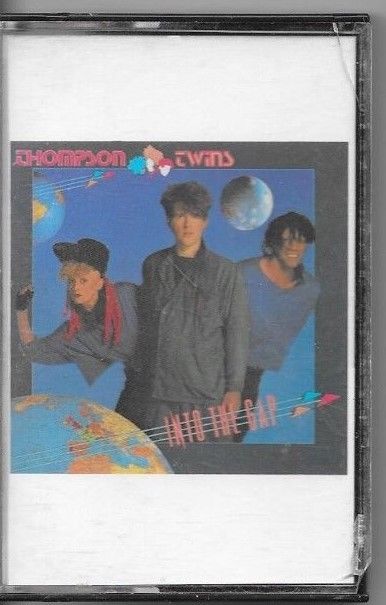
Category Archives: Cassette Chronicles

The Cassette Chronicles – House of Lords’ ‘Demons Down’

By JAY ROBERTS

The Cassette Chronicles is a continuing series of mini reviews and reflections on albums from the 1980’s and 1990’s. The aim of this series is to highlight both known and underappreciated albums from rock, pop and metal genres from this time period through the cassette editions of their releases. Some of the albums I have known about and loved for years, while others are new to me and were music I’ve always wanted to hear. There will be some review analysis and my own personal stories about my connection with various albums. These opinions are strictly my own and do not reflect the views of anyone else at Limelight Magazine.

HOUSE OF LORDS – DEMONS DOWN (1992)

Recorded and released in 1992 just as the grunge era was beginning and effectively killing off the 80’s metal movement, the third studio album from House of Lords was pretty much ignored by both the music world at large and by myself as well.

I had pretty much moved on from the band at this particular point in time. And I’ve never heard the Demons Down album until listening to it for this article. As it turns out, I really missed out on a solidly entertaining album.

Singer James Christian and keyboardist Gregg Giuffria recorded the album with a reconstituted lineup that featured Tommy Aldridge (Whitesnake, Black Oak Arkansas) on drums, Sean McNabb (Quiet Riot) on bass and Dennis Chick on guitar (for reasons passing understanding, the guitarist was billed solely as “Chick” on the album’s liner notes).

The Demons Down album opened with a couple of songs that featured overtly religious sounding lyrics. However, there was a contrast between the two songs that made one enjoyable and the other one not so much. On the opening track “O Father”, while the overall feel of the song was done well enough, the lyrics/vocal performance came off as overly preachy. For someone like me that has as little to do with religion as possible, it was a little too much for me to fully enjoy the song.

But then came the title track as a follow up. And while that one still featured an in your face sense of the religious in the song’s lyrical content, they came off more as a storytelling device rather than a protracted screed. When they combined it with a bluesy musical score that eventually blew out to a more rocking style, there was just something to the song that made it a special bit of music.

I have to hand it to the band, they even managed to craft a solidly entertaining power ballad with “What’s Forever For”. Musically, the song is kind of what you would expect from the time of its release. But lyrically, the viewpoint of the song is coming from the end of a relationship rather than the start of one or the besotted state of romantic feelings in the midst of one. I don’t know, maybe the song just caught me right, but it was a very good track.

The song “Talk About Love” was musically invigorating particularly towards the end of the song, but I found “Spirit Of Love”, the closing song to the first side of the album to be little more than a pedestrian run through and would likely skip the song whenever I next listen to the album.

The first song on the album’s second side is “Down, Down, Down” and while the song title might not be anything special, the little guitar solo that opens it was pretty interesting. There’s a heavier musical sound to the track with a gritty set of almost vicious sounding lyrics. I really liked this song except to point out that the backing vocals tended to get a little drowned out with all that was going on musically.

There’s little nice to be said about the song “Inside You”. It was a complete chore to get through this song as it was a morass of pomposity that I’d think would be way too much for even the most die hard House of Lords fan to take more than once. It was just flat out BAD!

However, the band did itself proud with two fast paced straight forward rockers on this side of the album. “Johnny’s Got A Mind Of His Own” is a shot of pure rocking energy and the car driving down the open highway nature of “Metallic Blue” featured a tempo that matched perfectly with the song’s lyrical bent. These two tracks were wildly entertaining to my ears.

The album closer, “Can’t Fight Love”, is another uptempo song that ends up bringing Demons Down to a rousing finish, letting the album finish with a flourish not a whimper.

I wrote about the band’s Sahara album back in October 2018 and said that I thought it was one of my favorite albums that I’d written about doing this series. As much as it surprises me to say this, I think I’d have to include Demons Down (despite those two songs I didn’t like) in that category as well. Because when the band is on fire, their songs just reach out and grab you. In retrospect, I’m finding that I’d likely have enjoyed House of Lords a lot if I’d only stayed with them throughout the entirety of their career.

 NOTES OF INTEREST: Dennis Chick would go on to join Ex-White Lion singer Mike Tramp’s group Freak of Nature and play on both of that band’s studio releases.

Backing vocalists on Demons Down included Fiona, David Glen Eisley and Kiss singer Paul Stanley. Stanley was featured on the song “Can’t Fight Love”.

The Cassette Chronicles – L.A. Guns self-titled debut

By JAY ROBERTS

The Cassette Chronicles is a continuing series of mini reviews and reflections on albums from the 1980’s and 1990’s. The aim of this series is to highlight both known and underappreciated albums from rock, pop and metal genres from this time period through the cassette editions of their releases. Some of the albums I have known about and loved for years, while others are new to me and were music I’ve always wanted to hear. There will be some review analysis and my own personal stories about my connection with various albums. These opinions are strictly my own and do not reflect the views of anyone else at Limelight Magazine.

 L. A. GUNS – L. A. GUNS (1988)

Say what you want about the long and winding (and ever so confusing) road that the band L.A. Guns has found itself on over the 30 plus years of its existence, they really had it all going for them on this first album.

If you paid any attention to the Los Angeles metal scene in the 1980’s, you know all about the birth of the band, so I’m not going to rehash that here. Instead I want to focus on the album itself.

The eleven tracks show the band as a down and dirty gritty rock and roll band. While they might never have attained the commercial peaks as some of their counterparts, this debut is chock full of great music.

The funny thing about that statement is that try as I might, I can’t remember why this was the only album that I ever bought from the band. Nor can I recall why I probably haven’t listened to it in nearly 30 years either. I bought the album on cassette when it first came out but it disappeared from my collection and I never bothered to get it back until I started gathering material for this series.

So you can imagine how delighted I was to be kind of experiencing the music again like it was the first time.

The first side of the album bursts out of the speakers with a real kick in the pants rocker in “No Mercy”. In fact, the band rarely takes their foot off the gas on the album with the exception of the ballad track, which by 1988 was pretty much a required element for any band releasing material.

L.A. Guns (which featured Phil Lewis on vocals, Tracii Guns and Mick Cripps on guitar, Kelly Nickels on bass and Steve Riley on drums) rocketed through what can only be described as some of their now-classic tracks like the immensely satisfying “Sex Action” (no pun intended there), “One More Reason” and “Electric Gypsy”. Great songs one and all.

Side two opened with “Bitch Is Back” (an original track, not a cover of the Elton John song), which given how the band is situated now, comes off sounding like the perfect song to open their live sets.

That song feeds into the instrumental “Cry No More” and the aforemention ballad track, “One Way Ticket’.  This is normally where I’d tell you how I nearly vomited with how wimpy and sugary the song was but in a welcome twist in the tale, I loved the instrumental which had a really strong and cool sound to it. As for “One Way Ticket”, it was more of a power ballad and in all honesty, it kind of rocked. In terms of emotional content in a song, this one was chock full of it. I particularly enjoyed the vocal expression/performance from Phil Lewis. It is a killer track!

After that bit of an emotive slowdown, the band kicks the pace up with three highly charged rockers to close out the album. “Hollywood Tease”, “Shoot For Thrills” and “Down In The City” are all pretty decent songs overall, but I do think they are just a bit of a TINY step down from the rest of the songs on the album.

So while it has been a long time since I have heard the L.A. Guns album, I was pleased to discover all over again that the band had a raw and raucous sound that manages to catch your ear and get your blood pumping. I had quite the enjoyable experience listening to this album and if you haven’t listened to this one lately, you’d be well advised to give the album a new spin!

NOTES OF INTEREST: While Steve Riley was listed as the drummer on the debut album, it was Nickey Alexander who played the drum parts for it. He left the band before the release of the album. He would later guest on the band’s Vicious Circle album and spent two years playing with The Cramps as well.

Rock Candy Records reissued the L.A. Guns album in 2012.

I mentioned the long and winding road for the band. For years there has been bad blood between the various members and two different versions of the band. Steve Riley and Phil Lewis had one version for years while Tracii Guns fronted the 2nd version. However, Lewis and Guns reunited to release a new L.A. Guns album called The Missing Peace in 2017. (The album is actually quite good) and will release The Devil You Know sometime in 2019. This version of the band will be playing a local show in my area (New Bedford, MA) in the Vault at Greasy Luck on Saturday, April 13, 2019. Meanwhile, Steve Riley’s version of the band will be appearing at this year’s M3 Festival in Maryland.

The Cassette Chronicles – Black ‘N Blue’s self-titled debut

By JAY ROBERTS

The Cassette Chronicles is a continuing series of mini reviews and reflections on albums from the 1980’s and 1990’s. The aim of this series is to highlight both known and underappreciated albums from rock, pop and metal genres from this time period through the cassette editions of their releases. Some of the albums I have known about and loved for years, while others are new to me and were music I’ve always wanted to hear. There will be some review analysis and my own personal stories about my connection with various albums. These opinions are strictly my own and do not reflect the views of anyone else at Limelight Magazine.

BLACK ‘N BLUE – BLACK ‘N BLUE (1984)

Welcome to another year of The Cassette Chronicles. The third year of this series will now be coming to you on (Throwback) Thursday but you can bet that I’ll still be reflecting back on a variety of rock, pop and heavy metal albums throughout the year.

We’re starting the year off with an album that will be marking its 35th anniversary later this summer. Of course, given that 1984 was a pretty important year musically, I’m sure I’ll be mentioning that in more than just this particular article. So let’s get things going, shall we?

The self-titled debut album from Black ‘N Blue is a bit of an odd duck for me. I’m struck by the fact that while there’s a standard hard driving rock feel to the songs, there really didn’t seem to be an overabundance of melody to a lot of the music. By this I mean, it just hit you in the face with a rock and roll attitude but somehow also comes off a little bit tuneless to my ear. It seems strange to say that but that was my initial impression. Things did get a little better, but first impressions are generally on the mark in my experience.

The album starts off with two anthems in “The Strong Will Rock” and “School Of Hard Knocks”. As I said, the band quickly establishes itself in terms of rocking out but neither song really got me overly excited. The majority of the songs on the album were written by singer Jaime St. James and Tommy Thayer (guitarist Jeff Warner, bassist Patrick Young and drummer Pete Holmes received a single co-writing credit each) so any issues I have with the overall quality of the individual tracks would be laid at their feet.

It was the song “Autoblast” that first got my attention. It come out firing fast and furious and really caught my ear. The band followed that one up with “Hold On To 18”, which has the distinction of being the only song that enjoyed any success as a single. When I heard it, it was instantly memorable but I couldn’t tell you where I’ve heard it before because I never owned this album in the past. Still, it is a pretty good and it was the song that started to turn my opinion around regarding the album as a whole.

The song “Wicked Bitch” closed out the first side of the cassette and it was a very hard rocking number.

Side two of the album opened with a cover of the Sweet song “Action”. It was also the first of four songs in a row where the shouted choruses (featuring the song title, of course) really worked better for me than on side one.

The album really had nothing in the way of soft balladry with Black ‘N Blue instead focusing their energy crafting volume driven rockers. I wasn’t crazy about “I’m The King” or the closing song “Chains Around Heaven” but “Show Me The Night” and “One For The Money” were pretty good.

Look, Black ‘N Blue is always going to be best known for being the band from which both St. James and Thayer went on to bigger and better bands/things. That’s just immutable truth. But while this is definitely a look at the band in their musical infancy, it does have some pretty special moments threaded throughout the album. It won’t be remembered as a great album, but for those music fans who like the idea of listening to a band’s entire discography as a means of doing musical genealogy, it gives you a raw and somewhat unrefined look at where the band started out from.

NOTE OF INTEREST: The album was produced by Dieter Dierks who is probably best known for his longtime association with the Scorpions and for his work with Accept as well.

THE BEST OF THE CASSETTE CHRONICLES 2018 – YEAR 2

By JAY ROBERTS

A funny thing happened…(again)

Not being accustomed to any kind of “success”, you can imagine my surprise that there seems to be a continued interest in this series. I’m happy about it of course, just surprised that my rambling thoughts have any kind of audience.

There were forty new albums covered this year and as I was assembling this list, I found it interesting that I’d only ever seen one of the groups live in concert and that wasn’t until this year. But what remains the most important aspect is the experience of discovering albums that were given short shrift or even completely ignored by me when they were first released. So I thought we’d take another look at the ten (or twelve, as the case may be) albums that made the biggest impression on me in this second year of the series. 

Thanks to everyone that has read and offered feedback on the articles.  All I can say is I’m looking forward to Year 3 of The Cassette Chronicles in 2019. It should be quite the musical thrill ride!

Please click on the album title to read the full article!

#10 [tie] – CINDERELLA – NIGHT SONGS  (1986)

#10 [tie] – CINDERELLA – LONG COLD WINTER (1988)

#9 – HUEY LEWIS AND THE NEWS – SPORTS (1983)

#8 [tie] – .38 SPECIAL – SPECIAL FORCES (1982)

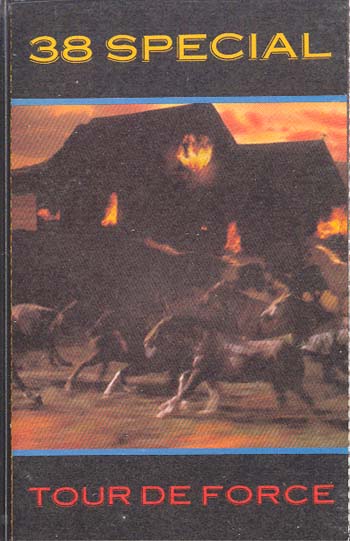
#8 [tie] –  .38 SPECIAL – TOUR DE FORCE (1983) 

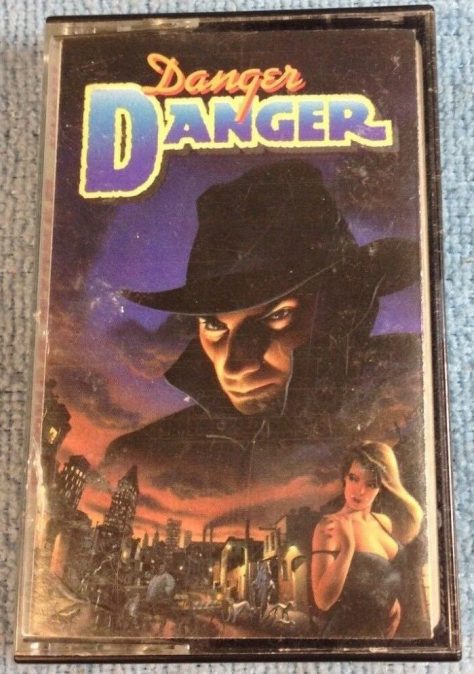
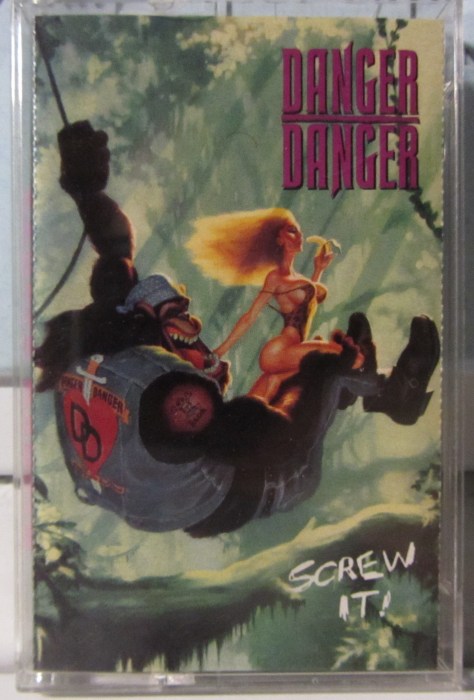
#7 – DANGER DANGER – SCREW IT! (1991)

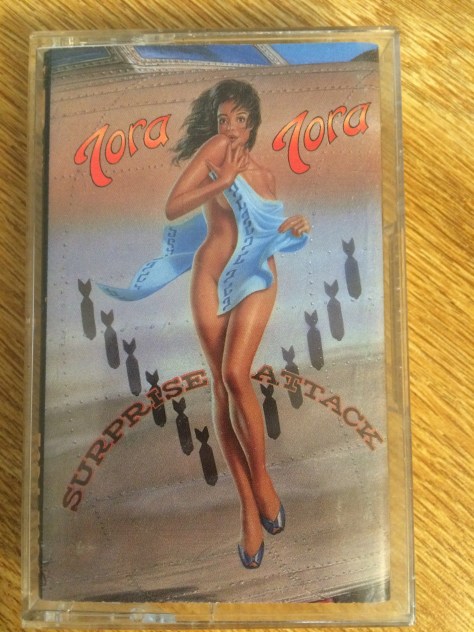
#6 – TORA TORA – SURPRISE ATTACK (1989)

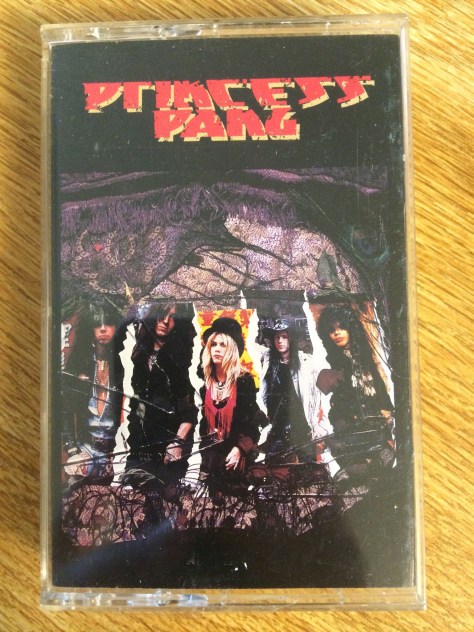
#5 – PRINCESS PANG – PRINCESS PANG (1989)

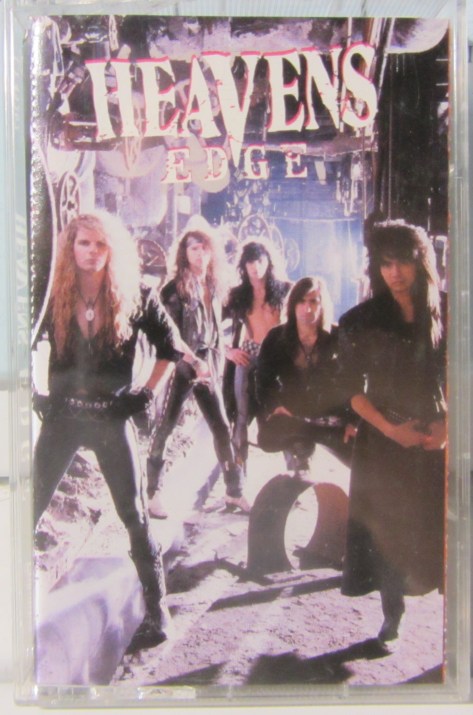
#4 – HEAVEN’S EDGE – HEAVEN’S EDGE (1990)

#3 – WHITE LION – MANE ATTRACTION (1991)

#2 – HOUSE OF LORDS – SAHARA (1990)

#1 – EUROPE – PRISONERS IN PARADISE (1991)

The Cassette Chronicles – Firehouse’s ‘Hold Your Fire’

By JAY ROBERTS

The Cassette Chronicles is a continuing series of mini reviews and reflections on albums from the 1980’s and 1990’s. The aim of this series is to highlight both known and underappreciated albums from rock, pop and metal genres from this time period through the cassette editions of their releases. Some of the albums I have known about and loved for years, while others are new to me and were music I’ve always wanted to hear. There will be some review analysis and my own personal stories about my connection with various albums. These opinions are strictly my own and do not reflect the views of anyone else at Limelight Magazine.

FIREHOUSE – HOLD YOUR FIRE (1992)

In another example of it being true confession time I have to admit that I’ve never really cared for Firehouse. However, I will say that it is pretty much down to the fact that on their self-titled debut album the band had that overly syrupy sweet diabetic coma inducing ballad “Love Of A Lifetime”. I know that the song is probably their biggest hit but for me, who lacks an overabundance of romantic sensibilities, the song made me want to just hurl. It was such a musical turnoff for me that I never bothered to listen to anything else the band ever did. Truth be told, it took me a few weeks after pulling Hold Your Fire out of the “Big Box of Cassettes” to work up the desire to finally pop the cassette in my player. I just was fearful of having to suffer through an overabundance of lovey-dovey songs.

Thankfully however, I have to say that aside from the two ballads (“When I Look Into Your Eyes” and “Hold The Dream”), songs that had me rolling my eyes, the band’s second album is actually rather entertaining. Seriously, I really enjoyed most of the album’s twelve tracks. With the majority of the songs written by singer C.J. Snare and guitarist Bill Leverty, there was a quite pleasing rocking vibe with a lot of musically aggressive melodic hooks to really catch your ear. 

I know this won’t be any kind of a surprise to people who have been fans of the band for the last three decades but bear with me for this new-to-me musical discovery.

The gold certified album opens with the single “Reach For The Sky”, a musically upbeat rocker that really set the tone for my overall enjoyment of the release. “Sleeping With You” had a nice swinging hook to it and “Get In Touch” was rather strong too. My favorite song on the first side of the album however would have to have been “You’re Too Bad”. The song is a knockout rocker and I think it has a slightly gritter sound to it which made it just that much more appealing to me.

When you flip the cassette over to side two, the rock just about never stops. The album’s title track and songs like “Talk Of The Town” and “Mama Didn’t Raise No Fool” get the energy turned up high. 

I think the track “Life In The Real World” serves as the most musically intense track for the entire album. The song had such a killer bent to it musically that I just found myself humming along and rocking out a bit to it.

As for the song “The Meaning Of Love”, if you hadn’t heard it before you’d think the song title itself would mean “here comes another ballad”. You’d be wrong, at least in part. While listening to the lyrics, they are clearly written with a more ballad driven tone to it. But since the song was another of the album’s over the top fast tracks, I found that the song worked far better than it would’ve as a straight up pedestrian power ballad. And maybe that’s part of why I seem to hate a lot of ballads from when metal ruled the world. The slow pacing of the songs just never seem to work all that well. Or maybe they just don’t hold up that well with the passage of time.

Whatever the reasoning on that account, I have to take it back to my generalized opinion on this album. After FINALLY listening to a Firehouse album, I am surprised to find myself writing the following words. I really liked this album. Hold Your Fire, with my aforementioned reservations about the ballads, holds up quite well some 26 years after its initial release.

It does its job so well that I’m actually a bit miffed at myself for not listening to this one sooner (or way back then) because the band played in my area a few months back and I didn’t go. After hearing this album, I think I would’ve had myself a great time at the show. So yes, this is a vastly entertaining album and perhaps I need to re-evaluate my overall opinion of the band as a whole.

NOTE OF INTEREST: Hold Your Fire was the last Firehouse album to have any kind of sales success in the US, but the band remained popular in Asia, Europe and South America for a far longer period of time.

Bassist Perry Richardson was out of the band as of 2000. He went on to play bass for country singers Trace Adkins and Craig Morgan. He joined Stryper, replacing Tim Gaines, in 2017.

The Cassette Chronicles – Heaven’s Edge self-titled debut

By JAY ROBERTS

The Cassette Chronicles is a continuing series of mini reviews and reflections on albums from the 1980’s and 1990’s. The aim of this series is to highlight both known and underappreciated albums from rock, pop and metal genres from this time period through the cassette editions of their releases. Some of the albums I have known about and loved for years, while others are new to me and were music I’ve always wanted to hear. There will be some review analysis and my own personal stories about my connection with various albums. These opinions are strictly my own and do not reflect the views of anyone else at Limelight Magazine.

HEAVEN’S EDGE – HEAVEN’S EDGE (1990)

I’ve come to realize that despite being a proud child of the 80’s metal years, there are a number of bands that I completely missed out on. While that sometimes meant I might’ve heard of the band and never listened to them, there are other instances where I can’t rightly recall ever so much as hearing the band’s name before. Obviously that also means I’ve never listened to their music either.

Such is the case with the band Heaven’s Edge. The Philadelphia based rockers are a band that was a total mystery to me before I got around to listening to their self-titled debut album for this article.

After finishing the album, I can only say that I’m more than a little saddened to have missed out on them back in the day. While the album isn’t perfect, there is a surprising amount of vim and vigor to the material on the album.

Admittedly, the album started off a bit slow with the “Intro” track which was a total waste of time. However, once the REAL songs started I was rather hooked into the band’s sound. The combination of aggressively fast, yet quite real sense of melodic immediacy from the band (particularly the blazing guitar work) and the vocals from singer Mark Evans made it seem that Heaven’s Edge had everything going for it, musically speaking.

The first side of the album was lively and energetically paced. The song “Play Dirty” was quite memorable from the first note to the last. It moved quite fast and the guitar work helped elevate the song. There’s a great rhythmic vibe to the vocal performance from Evans on “Skin To Skin”, which is probably the best known song for the band. It was their big video song when this album was released. 

While the band’s lyrics might not make it into the songwriting hall of fame, I have to say that for the time, they were pretty well crafted. You could find the typical girls, guitars, sex and fun type of lyrics but they also had a couple of songs that felt as if the lyrics went deeper.

As I wrote that, however, I was also thinking of the song “Up Against The Wall” which was a bit more problematic for me. While the chorus of the song is rather weak, the main lyrical verses are both strong and a bit of a freakout for me. The music is great, but those lyrical verses are troubling as they seem to hint at some sort of a sexual situation with someone below statutory limits. It might not have been so troubling back in 1990 given the popularity of songs like Winger’s “Seventeen” and others of that ilk, but these days such blatant lyrics do tend to give one pause. Of course, I could be reading more into it than was ever intended by the songwriters (Evans and guitarist Reggie Wu wrote the majority of the songs for this album), but I read the lyrics in the liner notes as the songs played, so again I say that the lyrical content was somewhat troubling.

The power ballad “Hold On To Tonight” was fine for what it was, but the only thing that really held my interest was the guitar solo in the middle of the song. Side One closes out with a completely balls out rocker called “Can’t Catch Me” that leaves the listener breathless in anticipation for flipping over the cassette and starting on Side Two.

Unfortunately, the tempo changes in the opening song on the second half of the album, “Bad Reputation” made the track come off as a little too overly dramatic and over the top for my tastes.

There’s a slightly more gritty feel to the rocker “Daddy’s Little Girl”. The lyrics also serve as a cautionary tale, which is part of that deeper feel to the lyrics I mentioned previously.

Strangely enough for a debut album, one of the songs was actually a live recording from a club show the band did in Philadelphia. The track is called “Is That All You Want?” and it opens with a far more bluesy sound in the intro before the song explodes into more of a full on rocker. I’m not sure how popular the band was on a local level back in 1989 when the live track was recorded, but they must’ve had some kind of loyal following because during the live recording you can hear the audience singing along quite loudly to the chorus of the song.

The multiple tempo changes within a single song format comes back on “Come Play The Game”. It starts out with an anthemic vocal delivery before the more balladry driven singing during the opening portion of the lyrics. The gas pedal is then pushed to the floor later in the song.

By the time the eminently rocking “Don’t Stop, Don’t Go” brought the Heaven’s Edge album to a rousing finish, I was convinced that, despite missing out on the majority of metal’s golden years, Heaven’s Edge had a real solid grasp on how to craft decent songs (my qualms about “Up Against The Wall” notwithstanding) and could also turn in top notch performances in the studio with the material.  

As always when I find out I missed the boat on an act or an album, I’m a bit upset with myself. But Heaven’s Edge sure was the real deal on their debut album and while they might not have gotten the golden ticket for multiplatinum success, this is a band and album that should not be forgotten.

NOTES OF INTEREST: The band only released one other album, 1999’s Some Other Place, Some Other Time. Both albums were produced by Neil Kernon who has worked with everyone from Neil Diamond to Queensryche to Cannibal Corpse and any number of rock, pop, metal and jazz acts in between. Rock Candy Records reissued Heaven’s Edge in 2010 with 3 bonus tracks.

While they did break up, the original lineup of Heaven’s Edge has gotten back together for occasional shows since 2013.

The Cassette Chronicles – .38 Special’s ‘Tour De Force’

BY JAY ROBERTS

The Cassette Chronicles is a continuing series of mini reviews and reflections on albums from the 1980’s and 1990’s. The aim of this series is to highlight both known and underappreciated albums from rock, pop and metal genres from this time period through the cassette editions of their releases. Some of the albums I have known about and loved for years, while others are new to me and were music I’ve always wanted to hear. There will be some review analysis and my own personal stories about my connection with various albums. These opinions are strictly my own and do not reflect the views of anyone else at Limelight Magazine.

.38 SPECIAL – TOUR DE FORCE (1983)

The sixth studio album from .38 Special continued the band’s commercial peak from the previous release Special Forces (which I wrote about in a previous article in this series).

Tour De Force was highlighted by two big hits in the songs “If I’d Been The One” and “Back Where You Belong”. While strictly speaking the former was the more successful song in terms of chart ranking, it is “Back Where You Belong” that is the most memorable song of the duo for me. However, both songs are quite the earworms when you listen to them. Each is a faster paced track full of melodic hooks and great vocal performances. This isn’t much of a surprise to anyone that has ever been a fan of the band I know, but still at the point in time this was released, it is always good to have musical beliefs reconfirmed over and over again.

Surprisingly though, one of the best songs on the album is the first song on Side Two of the album. “Twentieth Century Fox” has a nice edgy yet still commercially viable musical vibe and the song has a great sly lyrical slant as well as a powerfully assured vocal delivery. I’d never heard the song myself until I bought a greatest hits collection from the band but this song has quickly become one of my favorites.

Sadly, I cannot say the same for the Side One song “One Time For The Old Times”. Despite a slighty uptempo pace to the song, the vocal performance left me wanting something more. It struck me that there was an attempt at being a lot more subtle in the delivery of the lyrics but instead of coming off as a distinct change in the performance, it crashed and burned as a song that was far too mellow and relatively unworthy to have been a .38 Special song.

The song “Undercover Lover” features a set of lyrics about a male gigolo and it made me think of that David Lee Roth “Just A Gigolo” track. The styles of the two songs are different of course, but the blunt for the times lyrics kind of made me chuckle. It’s a decent song though and I really liked the guitar work throughout the track. Taking a different lyrical bent on “One Of The Lonely Ones”, the band sings about a broken hearted woman unsure if she’ll seek out romantic companionship again.

“I Oughta Let Go” was pretty much a 180 degree turn from the band’s brand of southern rock/melodic pop rock. There was a real swinging country pop sound to the song. Everything felt different with the performance. It was kind of out of place on this album given the rest of the material but I can’t lie, I dug the song. 

Perhaps the single most surprising song on Tour De Force for me was “Long Distance Affair”. Everything about this song screams “High energy quality rock and roll”! Musically, it is a fast paced guitar oriented number. And when you combine that with the vocals, you get a song that I think should’ve been one of the band’s bigger hits. Also, when looking at the liner notes, it is one of the longer set of lyrics on the album. So there’s a bit extra in the song’s storytelling as well.

Speaking of the liner notes, it probably doesn’t matter to anyone now but I noticed as I read along with the lyrics that what ended up on the album didn’t always match what was written down in print. Also, for some reason the sequencing of the song lyrics in the liner notes is all over the place in comparison to the running order of the songs. For me, that seems a little slipshod. No it doesn’t actually affect the enjoyment of the album at all, it was just something that probably annoys only me.

What I found when listening to Tour De Force is that for me, there are times when I hear .38 Special as more of a straight forward rock/pop band than one that is more universally recognized as a purveyor of the southern rock style. I know that some might consider this a bit of an insult to the band, but I assure you it is far from that.

Because I grew up listening to the band via their hit singles on American Top 40, they were pop hitmakers to me back then. Of course, now that I’m far more understanding in terms of musical competency than I was back then, I grasp the full scope of the band. But in 1983, much like Survivor, .38 Special was a pop rock band to me and Tour De Force is a prime example of why I loved them for it.

The Cassette Chronicles – Lizzy Borden’s ‘Menace to Society’

By JAY ROBERTS

The Cassette Chronicles is a continuing series of mini reviews and reflections on albums from the 1980’s and 1990’s. The aim of this series is to highlight both known and underappreciated albums from rock, pop and metal genres from this time period through the cassette editions of their releases. Some of the albums I have known about and loved for years, while others are new to me and were music I’ve always wanted to hear. There will be some review analysis and my own personal stories about my connection with various albums. These opinions are strictly my own and do not reflect the views of anyone else at Limelight Magazine.

LIZZY BORDEN – MENACE TO SOCIETY (1986)

Menace To Society is the second album from Lizzy Borden and I’d venture to say that it is one of the band’s most memorable releases. This is almost certainly due to the fact that the album contains one of the group’s all-time best songs in “Notorious”. 

Even though my timeline with the group didn’t start until the Visual Lies release, I do remember hearing “Notorious” on the various hard rock and metal specialty programs I would listen to on the radio. The song is an absolute classic! It rocks you hard and fast and with singer Lizzy Borden spitfiring the lyrics and the memorable backing chorus to give me depth to the song, it was pretty much the perfect situation for this song to come alive.

The problem for me with this particular album is that while others may consider this a classic of the mid 80’s metal era, I found myself more than a little unhappy with the majority of the other tracks on the cassette. 

The album opened with “Generation Aliens” and while it had a fast paced music soundtrack and a speedy delivery of the vocals, the song just never really took off for me. That kind of balls-out metal attack was also featured on “Stiletto (Voice of Command)” but with the same result. There’s nothing overtly wrong with the songs but at the same time, it is instantly forgettable once the song ends. It doesn’t have a stick to your ribs kind of staying power.

If I’m being honest, I felt that way about “Terror On The Town” and the title track as well. Even though I wrote about the band’s Give ‘Em The Axe EP in a previous article in this series where I said that I enjoyed the raw sound of those recordings, I just didn’t with this release. 

I say this because songs like “Bloody Mary”, “Love Kills”, “Brass Tactics” and “Ursa Minor” were gawdawful. And while I didn’t care for the songs in general, I was left wondering if the material would’ve sounded better if there’d been more of a polish to them in the production.

I also wonder if the fact that I loved the way Visual Lies sounded so much, if that affects the potential enjoyment factor for any of the releases that come before it. A song here and there sure but is my overall perception filtered through my love of that album? Gives me something to ponder as I listen to albums for future articles.

I should mention that the song “Ultra Violence” stands out alongside “Notorious” as a great track from the album. But unfortunately that’s about it. I missed out on this album when it was released in 1986, so when I dug this album out of the “Big Box of Cassettes” I had some high hopes that it would affect me in the same kind of positive manner that Give ‘Em The Axe did. But those hopes were mostly dashed and instead I was left feeling kind of gypped because I should’ve really dug this album. The fact that I didn’t seems like a musical failure on my part.

NOTES OF INTEREST – The album was reissued on CD in 2002 and has four bonus tracks. It was reissued again in 2018 on vinyl.

On June 14th, 2018 the new Lizzy Borden album My Midnight Things was released after an 11 year wait between new studio albums.

The Cassette Chronicles – Europe’s ‘Prisoners in Paradise’

By JAY ROBERTS

The Cassette Chronicles is a continuing series of mini reviews and reflections on albums from the 1980’s and 1990’s. The aim of this series is to highlight both known and underappreciated albums from rock, pop and metal genres from this time period through the cassette editions of their releases. Some of the albums I have known about and loved for years, while others are new to me and were music I’ve always wanted to hear. There will be some review analysis and my own personal stories about my connection with various albums. These opinions are strictly my own and do not reflect the views of anyone else at Limelight Magazine.

EUROPE – PRISONERS IN PARADISE (1991)

Welcome to another edition of “How did I not pay more attention to this album when it first came out?”

After the release of Europe’s 1988 album Out Of This World, I kind of soured on the band a little. So three years later when they released Prisoners In Paradise, I didn’t really give it much of a second thought. I heard the title track and while it had all the earmarks to make it a “Europe-type” song, I just kind of said, “OK” and moved on with my life.

But as luck would have it, the album ended up in my collection TWICE. My friend Jeff found a CD edition of the album and I picked up the cassette on a shopping trip. Once I got around to listening to it, I definitely have to break out the wet noodle for 50 lashes due to a small musical mind.

Now, it has to be said first off that if you didn’t like the 80’s sound of Europe, you probably won’t think much of this album either. But for those of us who do enjoy all that encompasses being a child of the 80’s metal era, this album is an audio feast.

The album opens with “All Or Nothing” which is a rocking track with a vibrantly ripping guitar solo. The band sounds great and singer Joey Tempest is in fine voice throughout each and every song on the album.

Side one really doesn’t have much of a downside. I liked the chorus to “I’ll Cry For You” a bit more than the main portion of the lyrics, but still overall the song was a great listen. “Little Bit Of Love” gets  your blood pumping and no matter where you turn, there’s a lot of quick stepping rock and roll for you to enjoy. “Talk To Me” and “Seventh Sign” are also staggeringly great.

When you flip the cassette over, things continue on in thrilling fashion. While the title track has all the hallmarks of a ballad in terms of the lyrical content, there’s far more “power” than “ballad” to the track. 

There’s more of an edgier rocking vibe than you might be used to with “classic Europe” on the song “Bad Blood”. It’s like you are being let in on something very few know about. It might be some kind of hint of what was to come when the band reformed, but any which way you look at it, the song is a winner.

For me, the only real downside to any one song on the album was on “Homeland”. The song was pretty slow moving and featured Tempest reflecting back on life and decisions made.  But I ended up restless to get on to the next song. 

But in the spirit of all that is good in rock and roll, the last three songs on the album more than make up for the momentary disappointment on “Homeland”. 

The song “Got Your Mind In The Gutter” has a great vibe. The rocker grabs you and there’s a great vocal turn from Tempest. And while “Til My Heart Beats Down Your Door” likely will make you think it is another ballad, it actually has more going for it than that.

While I loved most of the album, I particularly enjoyed the last song “Girl From Lebanon”. There’s just something to this song that really made it so appealing to me. As I listened to it, I couldn’t help but be struck by Joey Tempest’s vocals. They seemed almost conspiratorial in nature and made me think the track would serve as a great musical theme for a spy novel or something. Of course, the lyrics don’t really lend themselves to this idea of mine, it was just the overall feeling I got from the song in total.

In short, what I’m saying is that while I definitely should’ve listened to this album back in 1991, I’ve listened to it now. And what I found was that on what was the band’s last gasp in their first go-round, they more than delivered the goods. Prisoners In Paradise is a solid gold album that should probably be re-evaluated by a lot more people than just myself.

NOTES OF INTEREST – This was Europe’s last studio album for 13 years when they released Start From The Dark in 2004 and overhauled their sound.

Prisoners In Paradise is the last album to feature guitarist Kee Marcello.

Mr. Big front man Eric Martin co-wrote the lyrics to the song “All Or Nothing”.

The Cassette Chronicles – Vinnie Vincent Invasion’s self-titled debut

By JAY ROBERTS

The Cassette Chronicles is a continuing series of mini reviews and reflections on albums from the 1980’s and 1990’s. The aim of this series is to highlight both known and underappreciated albums from rock, pop and metal genres from this time period through the cassette editions of their releases. Some of the albums I have known about and loved for years, while others are new to me and were music I’ve always wanted to hear. There will be some review analysis and my own personal stories about my connection with various albums. These opinions are strictly my own and do not reflect the views of anyone else at Limelight Magazine.

VINNIE VINCENT INVASION – VINNIE VINCENT INVASION (1986)

After years of being out of the public eye, ex-Kiss guitarist Vinnie Vincent has emerged in recent months and given a number of interviews. One of the talking points in the interviews has been Vincent totally trashing the second and final album that was recorded by his Vinnie Vincent Invasion group. The All Systems Go album featured Mark Slaughter on vocals and Vincent has nothing good to say about the album or the singer.

While I once owned that album, I’ve never owned or even heard the self-titled debut release until I picked it out of the “Big Box of Cassettes” to write this article. But after hearing it, I can understand why Vincent goes out of his way to dump all over the second album.

On All Systems Go, there seemed to be much more of a focus on writing full and actual songs. Whereas on this album, it seemed the songs were given, if they were lucky, secondary importance to serving as a way for Vincent to musically masturbate with his guitar and get people to pay for it.

I know this likely means I won’t be receiving a Christmas card from Vincent anytime soon but the fact is that there really isn’t much in the way of a decent track on this entire album. There’s ten songs and none of them really stuck with me or even got much of a rise out of me at all.

While the attempt to give listeners a jolt to the heart by making pretty much every song a fast charging rock and roll romp might’ve been a good idea, I found that the uniform lack of quality songwriting trumped all. It was all about how fast and how long Vincent could play a guitar solo. 

The band lineup featured ex-Journey singer Robert Fleischman, bassist Dana Strum and drummer Bobby Rock. Sadly, they are all thoroughly overshadowed by the endless (and pointless) soloing from Vincent. At times, Fleischman’s vocals were so low in the mix as to be swallowed up by the music.

The only song that showed any signs of slowing down was “Back On The Streets” which had a somewhat darker tone to it. It also ended up being a vocal duet with Fleischman and Vincent taking turns on vocals. And yet somehow, this version of the song still managed to not work.

A long time ago, when music magazines were pretty much the only way you got news and reviews about artists, I remember reading one particular magazine’s reviews section. I don’t remember which album was being written about but the review for it was simply “This Album Sucks!” While that might seem more than a bit unprofessional, I have to confess that I had the same feeling about the Vinnie Vincent Invasion album.

I know that there are a lot of fans of Vincent out there and my opinion is likely going to be in the extremely small minority, but there’s nothing here that makes me ever want to listen to this album again. I’ve heard some mind-numbingly bad albums while writing this series, this just might be one of the worst ones yet.

NOTES OF INTEREST: The video for “Boyz Are Gonna Rock” features Mark Slaughter lip-synching over the vocal track from Robert Fleischman, who had left the group before the video shoot over a contract dispute.

The song “Animal” was on the soundtrack for the comedy film Summer School that starred Mark Harmon and Kirstie Alley. “Back On The Streets” was covered by John Norum on his Total Control solo album, which was featured in The Cassette Chronicles back in April of 2017.

Bobby Rock is currently the drummer for Lita Ford and I’ve seen him perform twice with her in the last few years.