Category Archives: Cassette Chronicles

The Cassette Chronicles – Cyndi Lauper’s ‘True Colors’

By JAY ROBERTS

The Cassette Chronicles is a continuing series of mini reviews and reflections on albums from the 1980’s and 1990’s. The aim of this series is to highlight both known and underappreciated albums from rock, pop and metal genres from this time period through the cassette editions of their releases. Some of the albums I have known about and loved for years, while others are new to me and were music I’ve always wanted to hear. There will be some review analysis and my own personal stories about my connection with various albums. These opinions are strictly my own and do not reflect the views of anyone else at Limelight Magazine.
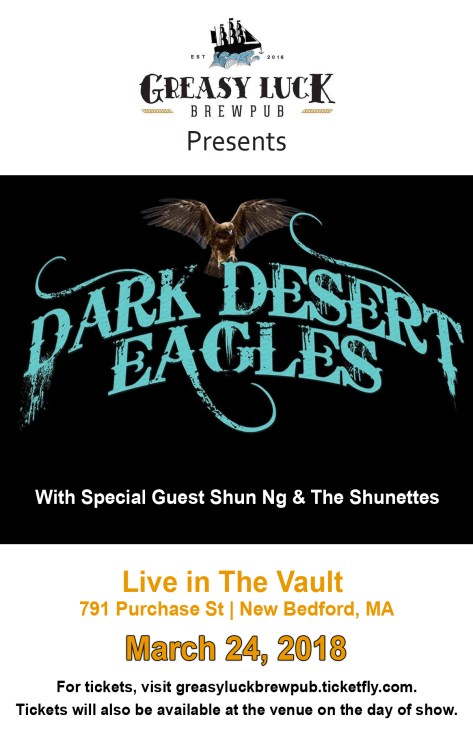
ADVERTISEMENT – Click on the above ad to purchase tickets!

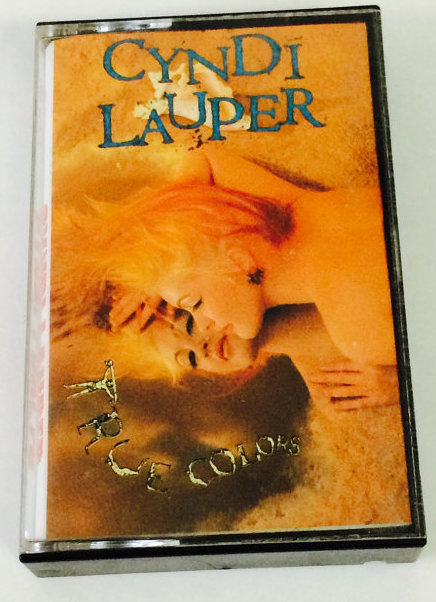
CYNDI LAUPER – TRUE COLORS (1986)

I recently acquired a CD edition of the reissued Cyndi Lauper debut album She’s So Unusual. I had loved the hits from the album but found that I didn’t like most of the album cuts that filled out the rest of the track listing.

Of course, the main reason I ended up with True Colors, Lauper’s double platinum second album is for the title track. While I am not usually much for being sentimental unless it involves a sports team winning a title, that ballad is just so dead on perfect that even this cold black heart is momentarily lifted.

Unfortunately, it is the only one of four singles from the album that I ended up liking upon this particular look back. While “Change of Heart” (which featured a guest vocal appearance from The Bangles) hit #3 on the singles chart, I have no memory of it at all. Worse yet, when I listened to it for this article it did absolutely nothing for me. I didn’t care for “Boy Blue” either. As for her cover of Marvin Gaye’s “What’s Going On”, I understand the need to do your own interpretation of a song but this was just too far afield for my taste.

Now, normally you’d be right in thinking I was about to go on a long diatribe about why I didn’t like this album. However, in the end I did like it. The reason for this is that the album tracks are a really decent collection of songs that struck far more of a chord with me.

Comprised of 10 tracks in total, the first side of the album started off weak with “Change of Heart” and “Boy Blue” being joined by the upbeat but mediocre “Maybe He’ll Know”. But after “True Colors” comes a solidly grounded song in “Calm Inside The Storm”. Lauper co-wrote the song (one of six co-write credits for her on the album) with Rick Derringer, who also played guitar on the track.

Side Two opens with that Marvin Gay cover I previously mentioned, but after that the songs are surprisingly strong. While I would normally consider the song “Iko Iko” a musical version of flying pest, for some reason Lauper’s rendition actually worked for me. “The Faraway Nearby” and “911” are faster paced tracks that succeed in getting your heartbeat elevated. As for the album closer “One Track Mind”, I thought the song was a track that at first didn’t seem like something Lauper would’ve done but soon realized it was a really good match between the singer and the song.

In writing about She’s So Unusual, I said that the album was pretty front loaded. On this follow up release it is the so-called “deep tracks” that are the real backbone of the album. The headline song is of course the title cut but otherwise it is the songs most might’ve missed if they didn’t buy the album that make True Colors a worthy addition to your music collection.

NOTES OF INTEREST: The guest list for True Colors is both diverse and interesting. Drummer Anton Fig appears on two tracks on the album while guitarist Adrian Belew plays on “What’s Going On.” Chic guitarist Nile Rodgers played on “Change of Heart.” Rick Derringer played on guitar on “

Billy Joel sang on “Maybe He’ll Know” while Aimee Mann provided vocals on “The Faraway Nearby” which was the second of two tracks that featured guitar work from Rick Derringer as well. And perhaps most eclectically, Pee Wee Herman is credited as a “guest operator” on “911.”

The Cassette Chronicles – Laura Branigan’s ‘Touch’

By JAY ROBERTS

The Cassette Chronicles is a continuing series of mini reviews and reflections on albums from the 1980’s and 1990’s. The aim of this series is to highlight both known and underappreciated albums from rock, pop and metal genres from this time period through the cassette editions of their releases. Some of the albums I have known about and loved for years, while others are new to me and were music I’ve always wanted to hear. There will be some review analysis and my own personal stories about my connection with various albums. These opinions are strictly my own and do not reflect the views of anyone else at Limelight Magazine.

ADVERTISEMENT – Click on the above ad to purchase tickets!

LAURA BRANIGAN – TOUCH (1987)

Before I became a full on rock and metal fan, my musical appetites were pretty much sated by the weekly American Top 40 countdown on Sunday mornings on 92 Pro-FM out of Rhode Island. Casey Kasem would count down the hits each week and I’d make a list of each week’s songs in a notebook.

Once I delved into the rock world, I stopped doing that. But in the category of guilty pleasure music, I kept a love of certain pop groups or solo performers. Survivor would probably be the main one as they have always remained one of my favorite groups. But Laura Branigan would definitely be another artist that fit into the guilty pleasure grouping. Of course now, I don’t consider it anything more than music that I like but in the mid ’80s, there wasn’t much in the way of rock and pop crossover. At least in terms of fandom.

The weird thing is that despite having a number of hits, I can’t help feel that Branigan is somehow very overlooked these days. I know there is different ways her memory is kept alive but you never really her name mentioned much and that’s a shame.

She had a really good and powerful voice, sang some great hits and invariably had some pretty good albums. Her biggest hit was the song “Gloria”, but there was also tracks like “Self Control”, “Solitaire”, “How Am I Supposed To Live Without You” and then probably my two favorites “The Lucky One” and “Spanish Eddie”. Heck, I still have a cassette copy of her Hold Me album that I bought when it came out.

My enduring fandom for her thus leads me to her 1987 album Touch, which saw her taking more of an active role in the recording of the album. Another notable aspect I found while listening to the album is that there’s more of an adult contemporary sound to the material as opposed to straight up pop songs. I got to listen to this as a completely new album as I’d never heard it before and the cassette was still in its original wrapping.

As you might imagine, the 80’s tendency to overproduce the music is in full effect on the album. It doesn’t hamper every song but the studio magic was less than magical at times.

The first side of the Touch album was an iffy affair. The opening song “Over Love” had a really good rhythm to it, midtempo in pace and a solid effort. But that production problem reared its unwelcome head on the next track “Shadow Of Love”. The heavy handedness ended up making both the vocals and the guitar solo sounding off and almost as if it was warped.

Meanwhile, “Meaning Of The Word” was slow and grating on the ears. The cover of “Power Of Love”, which was originally recorded (and co-written by) Jennifer Rush, did nothing for me either. The song did become a top 40 hit for Branigan.

I did really love the song “Angels Calling” though. The song is an uptempo track that holds up well all these years later.

Side two was a far stronger sampling of Branigan’s material. There are six songs and five of them are total keepers. The only song that made me want to bang my head against a wall to make the horror stop was “Name Game”. The opening was atrocious enough but then the chorus just made it worse. Making Branigan (who received no writing credits on Touch) sound like a demented cheerleader from hell in the chorus was a crime against her and her fans too. Oddly enough, the main lyrical verses of the song aren’t all that bad.

The lead track on side two is a song called “Shattered Glass”. While it was only a Top 50 on the regular chart, it became a Top 20 hit on the Billboard dance chart. It is undeniably charming which kind of surprised me. The song I liked in terms of wishing it had become a pop hit would be “Whatever I Do”. It has all the right ingredients to have become a hit including a big ear catching chorus. “Spirit of Love” has a really cool sounding, albeit quite brief, guitar solo. The title track to the album and “Cry Wolf” are also solidly grooved songs that please the musical palate.

Musical tastes were changing in 1987 so it doesn’t surprise me that this album only managed to chart at #87. But it is a little sad to think that Laura Branigan couldn’t have more success with Touch because there was a surprising number of good songs to work with on the release.

Touch certainly demonstrates to me why Branigan should be far better remembered. I don’t think she gets her due as a standout 80’s performer and wish things were different. I mean if no-talent hacks can sell millions these days, Branigan should’ve been monstrously successful by comparison.

NOTES OF INTEREST: Laura Branigan died in 2004 from a brain aneurysm.

Other artists to cover the song “Power of Love” include Celine Dion and Air Supply. The Air Supply version featured Toto members Steve Lukather (guitar), David Paich (keys) and Steve Porcaro (keys, synth).
The CD edition of Touch contains a bonus track called “Statue In The Rain”.

The Cassette Chronicles – Tora Tora’s ‘Surprise Attack’

By JAY ROBERTS

The Cassette Chronicles is a continuing series of mini reviews and reflections on albums from the 1980’s and 1990’s. The aim of this series is to highlight both known and underappreciated albums from rock, pop and metal genres from this time period through the cassette editions of their releases. Some of the albums I have known about and loved for years, while others are new to me and were music I’ve always wanted to hear. There will be some review analysis and my own personal stories about my connection with various albums. These opinions are strictly my own and do not reflect the views of anyone else at Limelight Magazine.

ADVERTISEMENT – Stryper’s Michael Sweet will perform at The Vault at Greasy Luck Brewpub, located at 791 Purchase Street in New Bedford, MA, on March 8, 2018. Click on the above ad to purchase tickets!

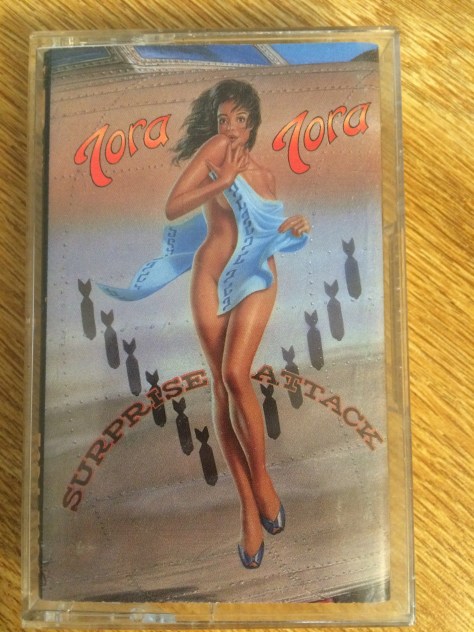
TORA TORA – SURPRISE ATTACK (1989)

The debut studio album from the Memphis based rockers might not be familiar enough to most rock fans that aren’t devotees of the 80’s metal music scene but for those of us that are, Surprise Attack introduced us to a blues-based rock band that had some pretty solid music to offer.

I write this with the knowledge that while I didn’t have this album in my collection from its initial release, I have a very soft spot and fond recollection of the band’s likely best known song “Walkin’ Shoes.”

While Surprise Attack managed to peak at #47 on the album charts, that song has remained a huge memory for me even nearly 30 years after the fact. The funny thing is that as much as I loved that song, I’d totally forgotten about the album’s opening cut, “Love’s A Bitch”, which has just as big a commercial vibe to it, but it didn’t get released as a single. “Phantom Rider” was another of the band’s single releases. It features a pretty intense solo from guitarist Keith Douglas, but in all honesty I was relatively unimpressed by the song.

The first side of the album is a bit hit and miss for me. The song “28 Days” moves at an even faster clip than “Love’s A Bitch” with singer Anthony Corder spitting out the vocals in rapid fire succession. It’s darn good. I also enjoyed the song “Guilty” which was the third of the album’s songs to get a single release. The song is good all the way through, but the use of a big backing vocal track on the chorus helped sell the song that much more.

As I said, I didn’t care for “Phantom Rider” which closed out the first side of the album, but I found “Hard Times” to be even more problematic for me. It’s got the swampy, Southern Rock underpinnings that would usually make me really get into the track, but the vocals kill the song for me. They come off as entirely too whiny and screechy for anyone to truly enjoy them.

Side two fares much better. After leading off with “Walkin’ Shoes”, the band doesn’t coast as they blow through three more incredible sounding rockers. I wouldn’t ever claim that the lyrics are going to get you into any philosophical conversations, but when you just want to rock out, songs like “Riverside Drive”, “She’s Good She’s Bad” and “One For The Road” will do the job of raising your adrenaline levels. The only real nitpick is that the album ends on a bit of a down note with the slow syrupy ballad “Being There.” I can’t decide if the song as a whole irritated me or if I was wishing that they’d done a better job of sequencing it in the track listing. For me, an album should open and close on an extended rocking romp through your mind, unless a ballad is so outstanding that you can’t help but be moved by it. That is not the case with “Being There.”

The band followed up Surprise Attack with the album Wild America which demonstrated an apparent maturity in the songwriting but sold less than the debut album. That’s okay though. While Tora Tora may be one of those “obscure” 80’s bands that only the cognoscenti remember, I know that I am glad to have their debut album in my collection. It is chock full of some straight on rock and roll and when it comes down to it, I want to be entertained by the music I choose to listen to. This album does the trick for me!

Notes of Interest: The band broke up in 1994 after their third album, Revolution Day, got lost in the shuffle of record company changes and wasn’t released. The album did finally see the light of day in 2011 via FNA Records.

The band got back together in 2008 to celebrate the 20th anniversary of getting their record deal and they are still active today.

The Cassette Chronicles – Black ‘N Blue’s ‘Nasty Nasty’


By JAY ROBERTS

The Cassette Chronicles is a continuing series of mini reviews and reflections on albums from the 1980’s and 1990’s. The aim of this series is to highlight both known and underappreciated albums from rock, pop and metal genres from this time period through the cassette editions of their releases. Some of the albums I have known about and loved for years, while others are new to me and were music I’ve always wanted to hear. There will be some review analysis and my own personal stories about my connection with various albums. These opinions are strictly my own and do not reflect the views of anyone else at Limelight Magazine.

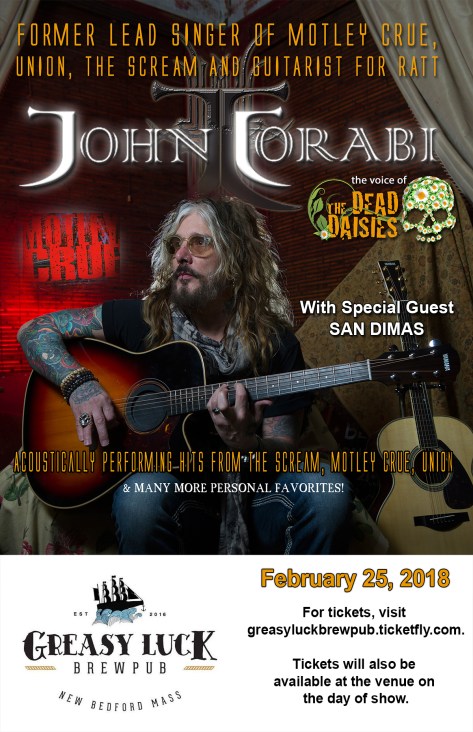
ADVERTISEMENT – John Corabi will perform at The Vault at Greasy Luck Brewpub, located at 791 Purchase Street in New Bedford, MA, on February 25, 2018. Click on the above ad to purchase tickets!

BLACK ‘N BLUE – NASTY NASTY (1986)

After a more streamlined sound on their album Without Love failed to attract a big audience, Black ‘N Blue went back to a more raw production sound for Nasty Nasty.

The album’s title track might best sum up why the band never really went anywhere in their career, they just never had the right combination of timing and material. The album’s producer was Gene Simmons. This was the first of two albums he produced for the band. The music for the title track ended up forming the basis of the Kiss song “Domino” which appeared on their album Revenge.

A lot of the albums I write about in this series find me arguing that a particular album is an underrated gem. With this album, I’m taking a slightly different direction. I don’t think the album is a gem. It’s pretty much a product of its time, but not really all that different from what you could’ve heard from a number of bands at the time.

There’s nothing particularly bad about the album and it is competently played. The band is obviously tight particularly with the guitar work from Tommy Thayer and Jeff Warner. The nine tracks combine eight fast paced rockers and one “single-worthy” song in “I’ll Be There For You” (written and produced by Journey’s Jonathan Cain) which, despite its obvious quest for commercial success, is the worst song on the album.

But while I’m not here to argue for its inclusion in the debate over greatest rock/metal album of all time, I also can’t say that I didn’t enjoy Nasty Nasty either. I loved the guitar work on “Kiss of Death”, the song that closes out side one. The strike first-strike hard attack on “12 O’Clock High” and “Do What You Do” are definitely ready to get the blood boiling with each song’s unrelenting musical soundtrack. I love the way singer Jaime St. James (billed as “The Voice” in the liner notes) spits out the vocals on these two tracks without sacrificing clarity. The album’s closing song “Best In The West” sounds as if it captures the band in live performance though it isn’t made clear whether it is just a studio track with audience sounds spliced into the mix or not. But either way, it finished the album off in rousing fashion.

I missed out on the band back in the day. Oh sure, I’d heard of them of course. I saw ads for them in the plethora of music magazines I read at the time, but they just never captured my imagination. Black ‘N Blue might not have reached the summit of the 80’s metal years, but unlike a lot of bands that came after them, when you look back you won’t find yourself horrified by their music. It’s straight forward hard rock and while originality points might be in short supply, you won’t find yourself feeling cheated out of your time when listening to this album. You might even find yourself with a newfound appreciation for the band.

Notes of Interest: The band broke up in 1989 but reunited sporadically over the years and have been a fully active band since 2008. They released an album called Hell Yeah! in 2011. They were supposed to play a show near me in Massachusetts last year but the show ended up being canceled. I would’ve loved to see them live though.

Ex-Kiss drummer Peter Criss and Keel singer Ron Keel are credited with performing vocals on the song “Best In The West”. Keel guitarist Marc Ferrari played guitar on the song as well.

Though credited on two songs on the album, John Purdell played keyboards on only one song, “Kiss of Death”. The other song he got credited for, “Promise The Moon”, was originally intended to be on the album but got pulled in favor of “I’ll Be There For You”. The error wasn’t explained until the album was remastered in 2003. Purdell worked with Ozzy Osbourne, Heart, Alice Cooper, Dream Theater, Cinderella and Quiet Riot before his death from cancer in 2003.

The Cassette Chronicles – Princess Pang’s self-titled debut

BY JAY ROBERTS

The Cassette Chronicles is a continuing series of mini reviews and reflections on albums from the 1980’s and 1990’s. The aim of this series is to highlight both known and underappreciated albums from rock, pop and metal genres from this time period through the cassette editions of their releases. Some of the albums I have known about and loved for years, while others are new to me and were music I’ve always wanted to hear. There will be some review analysis and my own personal stories about my connection with various albums. These opinions are strictly my own and do not reflect the views of anyone else at Limelight Magazine.

ADVERTISEMENT – Hookers & Blow will perform at The Vault at Greasy Luck Brewpub, located at 791 Purchase Street in New Bedford, MA, on Saturday, January 20, 2018. Click on the above ad to purchase tickets!

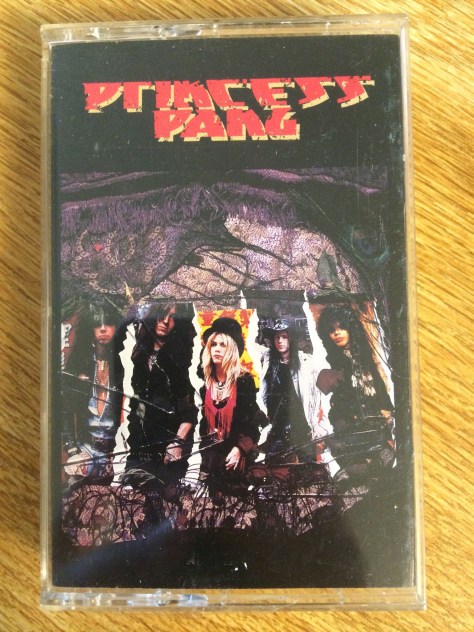
PRINCESS PANG – PRINCESS PANG (1989)

Formed in Sweden but mostly identified as an American band, Princess Pang is one of the more obscure late 80’s rock bands I can think of. The reasons for this is that they released just this one album and it went absolutely nowhere. They got some recognition for the album’s lead track, “Trouble In Paradise”, but if you look online there’s not a whole lot of talk about the band and they aren’t even listed as having so much as a Wikipedia page.

And while I find that a gigantic shame now, I guess you could say that I was part of the problem back then. I absolutely loved the “Trouble In Paradise” song. The video was good and singer Jeni Foster had that whiskey soaked bluesy sound to her vocals. But when I originally bought this album, I really didn’t get into the rest of the songs and ended up letting the band just slip away from my conscious thought.

I had the cassette in my collection for years but it had disappeared through loss or destruction. That didn’t stop me from remembering the band though and when I got this new to me cassette version, I knew that I had to give it another shot. And I’m glad that I did, because upon reflection, this album actually rocks!

Though there are the expected trappings of the glam metal sound, the music is definitely slanted more towards that bluesy hard rock that I love so much. While Foster’s vocals are the primary selling point for me, the guitar work from Jay Lewis and Andy Tjernon is pretty exhilarating when the band kicks off the more electrically charged rockers in their repertoire.

As I said, “Trouble In Paradise” was the lead single and opening track on the album. The way Foster’s voice cuts through and captures your ear on this song is intriguing. She takes no prisoners. I remember just loving the way her vocal sounded on the opening two lines of lyrics, “Caught me downtown / on the southside of Holy Joe’s place”. I know that it is a simple little lyric but I was hooked on the song right then and there. It’s a no-holds-barred rock and roll stomp kind of a song.

The rest of the side one of the album is actually quite rocking with the exception of “Find My Heart A Home”. This song was written by Foster alone (she at least co-wrote every track on the album) and brings you down from the immediate musical high of the first song with a more mid-tempo track. It’s decent enough, but not a song I really got into as much as the rest.

I loved the solo on “South St. Kids” and “Sympathy” was another shot of adrenaline, but I think the other stand out song has to be “No Reason To Cry”. Leaning into that bluesy driven sound I mentioned, this song has a bar room boogie kind of feel that will leave you wondering if you are in the midst of some honkytonk bar. It really did a number on me when I heard it again.

Side two has six tracks and again shows the band in its more fiery rocking state. The only bump in the road for me was “Baby Blue”. The song is a ballad with the pace ticking upwards during the chorus, but it just didn’t do a thing for me.

Otherwise, the band unleashes one salvo after another. “Too Much Too Soon” plays out as a cautionary tale and has a big edgy vibe in the chorus. “China Doll” and “Scream & Shout” get your heart rate up and “I’m Not Playin” brings the house (and album) down with a crescendo of rocking pyrotechnics.

The album was released by Metal Blade Records, which in hindsight seems kind of odd given that the label is generally associated with heavier sounding music. But looking back, they got it right by getting the Princess Pang album on the shelves. It is more of an indictment on music fans (myself included from back then) that it ended up being criminally ignored.

The band may be long gone and sadly barely remembered but this album is a fine testimonial to their talent, even if it has gone unrecognized for so long.

NOTE OF INTEREST: The album is nearly impossible to find on CD. Or rather to find an affordable copy. Looking on eBay, the rare listing for a CD copy has always been expensive. I’ve actually messaged British reissue label Rock Candy Records a few times suggesting they look into giving this album a place in their release schedule. Naturally, I’m still waiting for a response.

The Cassette Chronicles – BulletBoys ‘Freakshow’

By JAY ROBERTS

The Cassette Chronicles is a continuing series of mini reviews and reflections on albums from the 1980’s and 1990’s. The aim of this series is to highlight both known and underappreciated albums from rock, pop and metal genres from this time period through the cassette editions of their releases. Some of the albums I have known about and loved for years, while others are new to me and were music I’ve always wanted to hear. There will be some review analysis and my own personal stories about my connection with various albums. These opinions are strictly my own and do not reflect the views of anyone else at Limelight Magazine.

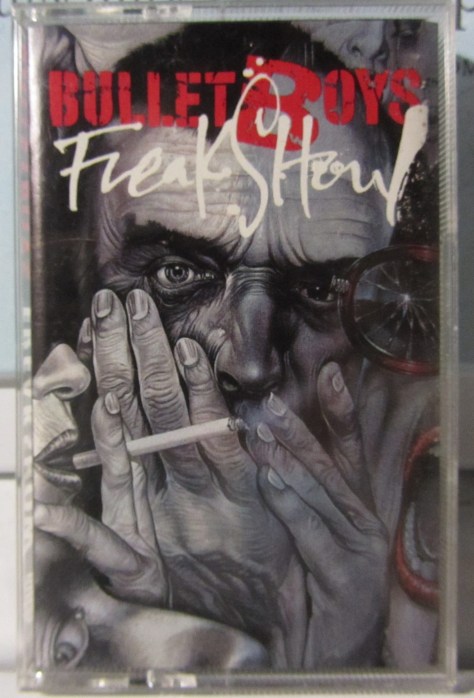
BULLETBOYS – FREAKSHOW (1991)

It’s time for another musical true confession. I’m not really much of a BulletBoys fan. Oh sure, I liked “Smooth Up In Ya” from their self-titled album and I suppose the second single from that album, the cover of The O’Jays song “For The Love of Money” is okay. But if honesty is indeed the best policy, I couldn’t really tell you anything about the rest of that first album. I’m not even sure that I ever owned it.

So, I think it is of little surprise to anyone reading that I never bothered with album #2 Freakshow. For better or worse, BulletBoys just had nothing that kept me coming back for a second dose, so now I come at Freakshow as if it is a brand new release.

I will say that the cover art and liner notes are visually striking. As for the music, there are 12 songs on the album. Unfortunately, I think the fact that I really don’t like Marq Torien’s voice really affected me from truly getting into any of the songs.

The band released three songs from the album as singles and two of them were cover songs. The first of the covers is “Hang On St. Christopher” from Tom Waits which did nothing for me at all. I do have to admit, however, that I did kind of like “Talk To Your Daughter” which was done by bluesman J.B. Lenoir. Even Torien’s grating vocals couldn’t mess that song up entirely.

As for the rest of side one of the album, it was an exercise in restraint. By that I mean, I had to restrain myself from shutting the album off and forgetting about doing this article.

Side 2 of the album started off interestingly enough with the song “Goodgirl”. It had a pretty interesting musical backing, particularly with Mick Sweda’s guitars. I didn’t much care for “Do Me Raw” though.

If I could listen to just the music, I think I would be raving about “Ripping Me”, a fast-paced rocker that has a real good sense of intensity to it. But the vocals are just crap. I do have to give Torien some credit though. I think he did a really good job with “Say Your Prayers” and “O Me O My.” The songs rock and the vocals really do fit themselves well to each track.

In the end, this album kind of illustrates the end times of the 80’s metal years. There’s some interesting stuff scattered about the album but not really a lot and it usually feels like you’ve heard it a million times before…and done better, a lot better.

NOTE OF INTEREST: Freakshow was reissued on CD in 2005 by Wounded Bird Records. The band’s third album, Za-Za, was included on the same disc.

Marq Torien is still fronting the band today but with none of the other original members involved.

The Cassette Chronicles – White Lion’s ‘Mane Attraction’

By JAY ROBERTS

The Cassette Chronicles is a continuing series of mini reviews and reflections on albums from the 1980’s and 1990’s that I have acquired through Purchase Street Records in New Bedford, MA.

The aim of this series is to highlight both known and underappreciated albums from rock, pop and metal genres from the 1980’s through the cassette editions of their releases. Some of the albums I have known about and loved for years, while others are new to me and were music I’ve always wanted to hear. There will be some review analysis and my own personal stories about my connection with various albums.

These opinions are strictly my own and do not reflect the views of anyone else at Limelight Magazine.

WHITE LION – MANE ATTRACTION (1991)

It seems a bit fitting that as the seal is broken on Year 2 of The Cassette Chronicles, I should be breaking open the seal on this week’s album selection.

Yes, this copy of the Mane Attraction album was never opened from its original wrapping after it was bought at a Strawberries record store. And yes, this is part of the Purchase Street 100 so it wasn’t me who never opened the album.

Like a lot of people, it was White Lion’s Pride album that got me interested in the band. It was pretty much based off of their three biggest songs “Wait”, “Tell Me” and “When The Children Cry”.

However, I went back to their Fight To Survive album after the fact and found myself enjoying the more dramatic and slightly heavier sound they had on that album to the more pop driven songs on Pride.

With all songs on the album written by Mike Tramp and guitarist Vito Bratta, there is a definite feel of the band trying to recapture the rawer sound that defined Fight To Survive. If you listen closely, you’ll hear that there is a deeper sound to Tramp’s vocals. He’s singing lower than on earlier records.

The opening intro on album opener “Lights and Thunder” had a gritty texture to it. The song is a pretty fast moving rocker with some cool guitar licks from Bratta. Adding an extra dimension to the track was the fact that it lasted over 8 minutes, which is not something you’d be expecting from White Lion. These various factors combined to make this one an unusually thrilling song for me.

They re-recorded “Broken Heart” from Fight To Survive for this album. This new version is decent enough but for my money, the original remains the best version of the song.

Bratta’s playing ends up being quite phenomenal on tracks like “Leave Me Alone”, a song with song unexpectedly darker overtones to the lyrics. The opening song on Side 2 is “Warsong” and it has some slick guitar sounds as well. It’s a straight up rocker (for the most part) that really lets the band as a whole cut loose and I really dug the song. Musically, I could say the same about “She’s Got Everything” though I did find it lyrically boring.

Though the band got overshadowed by the explosion of the mostly awful grunge movement, they did have a song that should’ve been a commercial hit during the time of its original release in “Love Don’t Come Easy”. The track has a great hook to it in both sound and a catchy chorus.

I do have to say that the more traditional slow moving ballad “You’re All I Need” ended up with me missing the boat. It just didn’t move me in the least. Also, the ballad “Till Death Do Us Part” has a great solo guitar opening the song but otherwise it is a bit run of the mill.

Of course, if you do want a really good ballad from the band, you should just wait until White Lion really hit their stride over the course of the last three songs on the album. The triumvirate of songs kicks off with “Out With The Boys” which is another damn the torpedos kind of rocker before the band shifts gears with what is their only instrumental track in the song “Blue Monday”. It won’t be much of a surprise that it is a solid bluesy number when you realize that it was a tribute to Stevie Ray Vaughn who died during the time that the band was in the studio recording the album. Now, I didn’t forget that I mentioned a ballad that you would like. While it inadvertantly serves as the band’s kind of goodbye song, “Farewell To You” is just a wonderful example of a ballad done right. It’s affecting, has a superb chorus and you can really feel the emotion coming off of Mike Tramp’s vocal. Hell, as you listen to the song you can probably imagine it playing over a montage for pretty much any TV show that is airing its final episode.

As I looked back at this album, I have to wonder why I fell out of musical love with White Lion. Because Mane Attraction really did have quite a lot going for it. Maybe it was because I was out of school and working full time that I had less time to keep up with all the music I loved. Maybe it was just pure laziness. I don’t know what the truth of the matter is regarding the situation. What I do know is that now that I have listened to the album, Mane Attraction makes a play for being exactly that…a showcase album for the band.

NOTES OF INTEREST – While bassist James Lomenzo and drummer Greg D’Angelo recorded this album, they left soon after it was released. Jimmy DeGrasso was recruited as D’Angelo’s replacement. He has played with Megadeth and Alice Cooper among his other credits.

The band called it quits after touring for this album. Their last show was in at the Channel Club in Boston, MA.

Singer Mike Tramp is a now solo artist who released a fantastic album in 2017 called Maybe Tomorrow. Meanwhile, Vito Bratta pretty much disappeared from the music world after 1992 due to family reasons.

THE BEST OF THE CASSETTE CHRONICLES 2017

By JAY ROBERTS

A funny thing happened…

The idea for this column was brought about after I started shopping at my friend Roger Chouinard’s Purchase Street Records shop. I had been picking up some cassettes from him and because I’d already been doing reviews of new music for a number of years for other websites, I thought this would be a good way to look back at albums from what was my formative musical era. Then I made the 100 cassette purchase from the shop and I had a wealth of material to write about.

Initially, The Cassette Chronicles was a part of the Classic Rock Bottom message forum that I am an active member of. But when I posted a link on my Facebook page to the first forum posting I did, I got contacted by the powers-that-be here at Limelight and asked if I’d be interested in writing the series for them.

As you can see, I was! Besides writing original articles, I went back and gussied up the albums I’d already written about and 33 articles later, here we are at the end of Year 1 and I’m looking back and ranking my ten favorite articles in the series thus far.

Thanks for reading and I look forward to writing more of The Cassette Chronicles in 2018.

Please click on the album title to read the full article!

#10 – TROUBLE TRIBE – TROUBLE TRIBE (1990) TIE


#10 FIFTH ANGEL – TIME WILL TELL (1989) TIE


#09 – NIGHT RANGER – MAN IN MOTION (1988)


#08 – SURVIVOR – TOO HOT TO SLEEP (1988)


#07 – CHEAP TRICK – LAP OF LUXURY (1988)


#06 – HONEYMOON SUITE – RACING AFTER MIDNIGHT (1988)


#05 – BRYAN ADAMS – RECKLESS (1983)


#04 – BLACK SABBATH – TYR (1990)


#03 – BABYLON A.D. – BABYLON A.D. (1989)


#02 – LEATHERWOLF – STREET READY (1989)

#01 – HELIX – WILD IN THE STREETS (1987)

The Cassette Chronicles – Warrant’s ‘Ultraphobic’

BY JAY ROBERTS (SPECIAL TO LIMELIGHT MAGAZINE)

The Cassette Chronicles is a continuing series of mini reviews and reflections on albums from the 1980’s and 1990’s that I have acquired through Purchase Street Records in New Bedford, MA.

The aim of this series is to highlight both known and underappreciated albums from rock, pop and metal genres from the 1980’s through the cassette editions of their releases. Some of the albums I have known about and loved for years, while others are new to me and were music I’ve always wanted to hear. There will be some review analysis and my own personal stories about my connection with various albums.

These opinions are strictly my own and do not reflect the views of anyone else at Limelight Magazine.

WARRANT – ULTRAPHOBIC (1995)

In 1995, the commercial fortunes of bands most associated with the 80’s metal scene were poor at best. Grunge now ruled the world of music and I guess that might account for why Warrant’s fourth album is a decidedly open affair mixing both metal and grunge into sound of the music.

Unfortunately, this really didn’t work all that well. While bringing on Rick Steir and James Kottak from Kingdom Come to replace Joey Allen and Steven Sweet respectively, the resulting album failed to fire much in the way of imagination. Or at least that’s what I’ve read when researching this album. I say that because by 1995, I was long gone from the Warrant camp. Actually I was done with them after the Cherry Pie album. I hadn’t moved on to grunge (though I did like the first couple of Pearl Jam albums), but rather I just never really got into Warrant as much as many of their far more hardcore fans did.

The Ultraphobic album does come off sounding, at times, far more aggressive and gritty than would normally be associated with the band. The slick sound was given more of a raw production feel. Probably one of the best examples of this was the opening track “Undertow”. You can hear just how much the band went about incorporating the grunge “aesthetic” to the music. It’s probably the best out of the six songs on side one of the album, but not necessarily one that I would rush around trying to play again.

There’s a darker vibe to the songwriting which has apparently been attributed to the now deceased singer Jani Lane’s divorce at the time of the album’s recording.

I see this album as attempt by Warrant to stay relevant in the ever-changing musical landscape, but it really did nothing to call out to either their past or potentially future fans. Out of the eleven tracks on the album, there are really only two that I would consider worthwhile additions to their catalog. The first is the song “Live Inside Of You”. It leads off side two of the cassette and after the first six songs being an exercise in futility (to my ears anyway), it is the song that most resembles the fast paced rocker the band did so well on their first two albums.

The other song is the closing track “Stronger Now”. Written by Jani Lane, it deals with the aforementioned divorce. It’s just his vocal and a spare musical arrangment and it sounds wonderful. However, I did notice that some of the lyrics end up taking on more poignancy given the circumstances of Lane’s alchol related death in 2011.

I really wish I’d liked this album more but it just comes off as pandering to the prevailing musical tides of the time of its release while cynically expecting to keep their initial fan base as well. This is one album I won’t find myself playing again.

Notes of Interest: The band is still around today and released a new studio album called Louder Harder Faster in 2017 with their current singer Robert Mason.

Drummer James Kottak was out of the band by 1996 but joined The Scorpions and stayed with them for 20 years before being ousted in 2016.

The Cassette Chronicles – John Waite’s ‘Temple Bar’

The Cassette Chronicles is a continuing series of mini reviews and reflections on albums from the 1980’s and 1990’s that I have acquired through Purchase Street Records in New Bedford, MA.

The aim of this series is to highlight both known and underappreciated albums from rock, pop and metal genres from the 1980’s through the cassette editions of their releases. Some of the albums I have known about and loved for years, while others are new to me and were music I’ve always wanted to hear. There will be some review analysis and my own personal stories about my connection with various albums.

These opinions are strictly my own and do not reflect the views of anyone else at Limelight Magazine.

Advertisement  – Please click on the ad below.

JOHN WAITE – TEMPLE BAR (1995)

It is safe to say that while I love John Waite’s voice, that by 1995, I had pretty much moved on from any true active interest in his solo work. After listening to Temple Bar, I’m left with a little pang of regret that I skipped out on Waite during this particular period of his career.

The album was recorded the year after Waite left Bad English and according to a quote from Waite on his website, he was given the freedom to record the album as he wanted with no interference from the label.

It seems that plan paid off, at least in part. There are songs that come off as entirely too mellow for me such as the covers of Van Morrison’s “Someone Like You,” “I’m So Lonesome I Could Cry” from Hank Williams, and the Bill Withers song “Ain’t No Sunshine.” Maybe it is just the fact that I’m not particularly enamored with the original tracks but these renditions just came off entirely lacking in any kind of feeling for Waite making the songs his own.

Once you get into the original songs on the album, things get a lot more interesting though. I thought the album opener “How Did I Get By Without You?” was a bit afflicted by that same sense of mellowness, but the song’s overall melody was pleasant enough that I looked passed the slow pacing.

Lyrically, the album has some real high points. The first song to really kick things up a bit in terms of tempo and more in your face instrumentation (guitar and drums in particular) was “Price of My Tears”. The more active presence of the guitar is also fueled by a great set of lyrics. The track “Downtown” is piano driven but the reflective lyrics (which come off not only as someone looking back on their past, but given Waite’s own past, the words are definitely him reflecting back on his own career).

“The Glittering Prize” and “More” are two more examples of how a strong sense of lyric writing help make for that much more of a special tune. “The Glittering Prize” establishes itself as a more driven song while “More” slows things down in order for the words to sink in for the listener.

John Waite has said that Temple Bar is the album where his life as an artist began again. I find it hard to argue with his assertion because while the album isn’t nearly as aggressively uptempo as his earlier solo work, you can immediately sense a more complete package of songwriting from Waite and his co-writers. Despite my own personal lack of interest in the cover songs, the album flows well and it feels less like Waite is trying to satisfy someone else’s demands and instead recorded an album that first and foremost was important to his own sense of the artistic. This is deeply important because if the artist isn’t fully instep with the material, how could you expect the listener to be?

Temple Bar, for me at least, is as good an album as you could hope for. It lies pretty much at the opposite end of the musical spectrum from his amazing No Brakes release but stands well on its own and I’m immensely gratified to have heard it at long last.