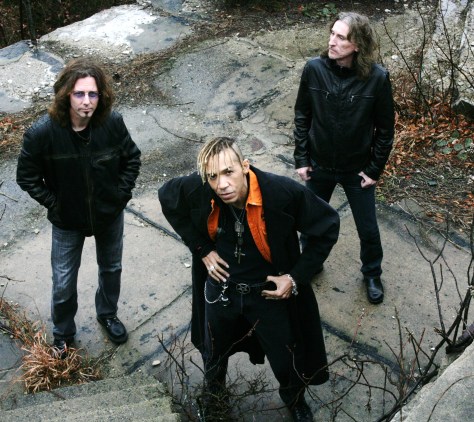
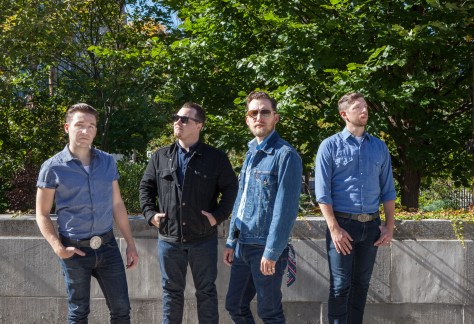
The Boston-based band Girls Guns & Glory, who have been lauded by critics including Rolling Stone, has added 10 dates to its East Coast schedule. The dates include:
August 10 – Boot & Saddle in Philadelphia, PA (Visit page HERE)
August 11 – Gypsy Sally’s in Washington, DC (Visit HERE)
August 12 – Clementine Café in Harrisonburg, VA (Visit HERE)
August 14 – Purple Fiddle in Thomas, WV (Visit HERE)
August 15 – The Camel in Richmond, VA (Visit HERE)
August 16 – Local 506 in Chapel Hill, NC (Visit HERE)
August 17 – Evening Muse in Charlotte, NC (Visit HERE)
August 18 – Barrelhouse South in Savannah, GA (Visit HERE)
August 19 – Skipper’s Smokehouse in Tampa, FL (Visit HERE)
August 20 – Park Tavern in Atlanta, GA (Visit HERE)
From the start, Girls Guns & Glory has forged its sound from the raw materials of rockabilly, country and other American traditions, tempered by a unique musical and lyrical approach. With the release of their latest album Love And Protest, the road-hardened band digs deeper than ever before into its roots while also making its most personal statement to date.
“A lot of times I have difficulty naming our records,” says guitarist, lead vocalist and songwriter Ward Hayden. “With this one, I had the title almost immediately. When love isn’t happening, we protest its absence – that’s the overall idea this record captures.”
To highlight the ties binding ecstasy and heartache, Girls Guns & Glory made several critical decisions. One was to switch from digital to all-analog recording, with Drew Townson, a master of that medium, recruited to co-produce with them. Recording live, including the vocals, guaranteed that their legendary live energy would transfer intact to tape.
They further insured the success of Love And Protest by making it their first independent release. “We don’t worry about appeasing a label anymore,” Hayden says. “We’re creating music only for ourselves and our fans.”
And when needed, Hayden, drummer Josh Kiggans, and bassist/singer Paul Dilley added an extra ingredient, including steel guitar legend Buddy Cage from New Riders of the Purple Sage, who complements the urgent narrative of “Memories Don’t Die” and the saloon lament “Empty Bottles.”
GGG’s growing fan base has been filling venues from coast to coast since the band blasted out of Boston, graduated from the honky-tonk circuit to arena shows and began earning worldwide media acclaim. The group has been anointed Independent Artist of the Year at the French Country Music Awards and lauded by Rolling Stone as a “modern-day Buddy Holly plus Dwight Yoakum divided by the Mavericks.”
Hayden and his colleagues appreciate the attention but are a little less inclined to attach labels to themselves. “This is the most mature record we’ve ever done,” he insists. “I’ve written each of my songs on it from experience. At this point, we’re simply making the music we want to make. We’re not limiting it to any genre. We’re willing to do whatever feels right, which is why I wouldn’t call what we’re doing Americana or country or rock ‘n’ roll. Just say it’s rooted in what I would call American music.”
GGG will showcase its new songs, including the album’s emotionally compelling single “Rock ‘n’ Roll,” at their summer gigs.
For further information, visit GirlsGunsAndGlory.com
The Cassette Chronicles is a continuing series of mini reviews and reflections on albums from the 1980’s and 1990’s that I have acquired through Purchase Street Records in New Bedford, MA.
The aim of this series is to highlight both known and underappreciated albums from rock, pop and metal genres from the 1980’s through the cassette editions of their releases. Some of the albums I have known about and loved for years, while others are new to me and were music I’ve always wanted to hear. There will be some review analysis and my own personal stories about my connection with various albums.
These opinions are strictly my own and do not reflect the views of anyone else at Limelight Magazine.
Europe – Europe (1983)
I would hazard a guess that when Europe’s third album, The Final Countdown, made the band into international superstars, only the most hardcore music lovers realized that there were already two albums to the band’s credit.
It is a bit funny to think that while the album was originally released in 1983, Europe’s self-titled debut didn’t get an apparent US release until 1989, at least according to the liner notes on this cassette edition of the album.
The album was recorded as a four piece and shows the nascent Swedish band in a far more uptempo mode with songs that rock out more aggressively than you’d ever think. The music is far less dominated by the keyboard sound that would come to define the band’s best days. This album is akin to how raw and rocking the first couple of Def Leppard’s albums sounded.
Three quarters of the lineup from this first album are still in the band to this day (though guitarist John Norum did leave the band in 1986 right as the band was breaking out. He returned to the band when they staged their reunion. I wrote about his 1987 solo album Total Control in a previous article in this series).
As for the songs themselves, there are some surprisingly good tunes here. Pretty much the entirety of Side 1 is enjoyable, particularly “In The Future To Come,” “Seven Door Hotel” and the rather hard rocking instrumental “Boyazont.” That last track finds Norum shredding the six strings available to him in a seeming hyperactive attack. It is flat out fantastic and then it just cuts out at the end. No fade out, it just stops at the point where you are left wanting more. I know that the song “The King Will Return” is probably the best known song from the album but strangely I found that while it is enjoyable, I didn’t quite rank it as high as others might.
The album’s second half has a solid opener in “Children of Time.” The song “Words of Wisdom” spends most of its running time in a bit of a melodic but plodding fashion, but the chorus makes up for that, it is performed at a far faster pace and I like the way singer Joey Tempest vocally delivers the lyric at that point. I love “Paradize Bay” a lot while “Memories” sees the album go out on a rocking note.
What makes this a good album in my mind is how I can sit here three decades later and feel that I’m rediscovering the band all over again. I actually owned this cassette in my own collection BEFORE making the 100 cassette purchase. But I hadn’t listened to it in a long time, so the memory of what the band had to offer at their start had admittedly faded from my memory more than just a little.
I’m not sure what the band or their fans really think of this album. It won’t be seen as an all-time classic, but I found it a surprisingly effective way to get started with the band or rekindle a fandom that might’ve died down a bit.
Of particular note is that this album’s sound is far more aligned with the band’s current day sound than that sound of their best days. After the band broke up in 1992, they only appeared together once (in 1999) before reuniting in 2003. Their sound was revamped into what can only be described as “classic rock” and they’ve been mining that particular vein of music for five albums now, rather succesfully.
NOTE OF INTEREST: The band’s drummer for this album was Tony Reno. He was let go from the band during the tour for their second album. He was replaced by Ian Haugland, who has been with the band ever since.
FALL RIVER – Legendary rock band The Yardbirds, who were inducted into the Rock & Roll Hall of Fame in 1992, return to the Narrows Center for the Arts in Fall River on October 29th. Purchase tickets HERE.
The Yardbirds are more than a rock band…they are an institution…which, in the brief period from 1963 to 1968, made an indelible mark on the shapes of things to come. To the casual music fan, The Yardbirds are best known as the band that honed the skills of future “Guitar Gods” Eric Clapton, Jeff Beck, and Jimmy Page; and for their slew of chart hits, including “For Your Love,” “Heart Full of Soul,” “I’m a Man,” and “Over Under Sideways Down.”
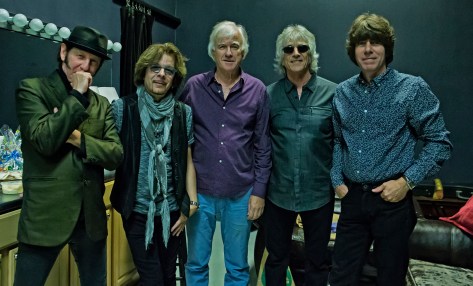
Led by core member and songwriter Jim McCarty (drums), The Yardbirds debuted a new touring line-up in 2015, consisting of guitarist Johnny A, bassist Kenny Aaronson, singer/harpist/percussionist Myke Scavone, and guitarist/singer John Idan to rave reviews. As Goldmine Magazine stated, “The band’s hallmark of top-notch musicianship remains. There are no passengers in this band.”
The Yardbirds – electrifying, eclectic, and way ahead of their time – melded heavy rock, wild jams, and an improvisatory feel, and continue to influence generations of bands. Watching The Yarbirds in action is experiencing rock and roll history.
The Narrows Center is located at 16 Anawan Street. Tickets to his show can be purchased online at www.narrowscenter.org or by calling the box office at 508-324-1926. For those wanting to purchase tickets in person, box office hours are Wednesday through Saturday, 12 noon to 5 p.m.
The Cassette Chronicles is a continuing series of mini reviews and reflections on albums from the 1980’s and 1990’s that I have acquired through Purchase Street Records in New Bedford, MA.
The aim of this series is to highlight both known and underappreciated albums from rock, pop and metal genres from the 1980’s through the cassette editions of their releases. Some of the albums I have known about and loved for years, while others are new to me and were music I’ve always wanted to hear. There will be some review analysis and my own personal stories about my connection with various albums.
These opinions are strictly my own and do not reflect the views of anyone else at Limelight Magazine.
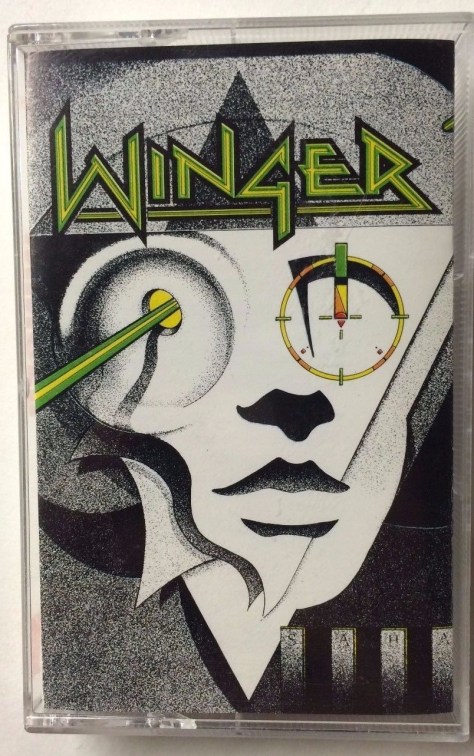
Winger – Winger (1988)
I know that it is somewhat fashionable to kick Winger whenever it comes to talking about bands that represented the downside of the 80’s metal heyday, but I think a lot of people have selectively convenient memories when it comes to the band’s debut album.
The four members (Kip Winger, Reb Beach, Paul Taylor and Rod Morgenstein) of the band each had a solid musical pedigree prior to the formation of Winger (The Dixie Dregs, Alice Cooper and studio work on the Twisted Sister album Love Is For Suckers are just some of their combined background).
The album and band, accompanied by some hit videos, was a solid performer out of the starting gate. It eventually went platinum. They toured all over the place (I saw them open for Bad Company at Boston’s Orpheum Theatre in 1988, where I got to meet the band. Heck, I still have the album cover flat they signed as well as the jean jacket that a couple of them signed as well).
As for the album itself, it was a bit hit and miss in parts, but the high points are really quite good. The first three songs on Side 1 are probably some of their best work in the first part of their career. “Madalaine” was a great uptempo rock song that amply fit the bill for that first single to introduce the band to listeners and get them hooked for the rest of the album. “Hungry” was a song that was pretty good upon first listen and gets better over time. I hadn’t heard that particular track in a while and found that I really got into it all over again when I listened to it for this article. And then you have what is probably the band’s most famous and controversial song, “Seventeen.” Now back in 1988 singing about some hot chick that was “only seventeen” might’ve been mildly offputting for some, but in general the song was just that, a song. You’d find yourself singing along without actually considering doing something statutory. Of course, in this day and age, that song wouldn’t even be allowed on an album with the sentiments it conveys. Can you imagine how controversial it would be now?
The last two tracks on the first side of the album are a little troubling for me. The ballad “Without The Night” was a mediocre at best slice of yearning and whining. But that is nothing compared to what is rightfully considered one of the worst cover songs ever recorded. I’m not sure who thought it was a good idea to cover the Jimi Hendrix song “Purple Haze” but they need some professional counseling. This is only compounded by the fact that the record company actually allowed this dreadful song on the album.
Side 2 of the album started off with the more uptempo “State of Emergency” but it just isn’t a song that meant a whole lot to me then or now. But the double shot of “Time To Surrender” and “Poison Angel” that follow show the band in a pretty in your face rocking kind of way. It gives listeners a shake and they are the kind of song that always manages to get me fired up.
Of course, “Hanging On” isn’t much to write home about so that kind of dampens the enthusiasm for Side 2 a bit. The album closing with Winger’s big ballad hit “Headed For A Heartbreak” is a prime example of what happens when a metal band did a ballad that was designed to get as much airplay as possible and make the women fall in love with the band. When I first heard the song, I liked it. There’s no denying that. But then when it became a single, you couldn’t get away from the song and I found myself growing to hate the song. Even now, my acquired distaste for the song, due to it being completely overplayed, kind of made the song “white noise” to me. Your ears just kind of push the song to the background.
Now despite my varied criticisms of the album, I do like the album overall. It was a fun release during a fun time for rock and metal fans. And believe me, Winger was quite popular. Like I said, I know people like to pretend that they didn’t like Winger when they were big, but they are generally lying their butts off. And why is that? Well, we have a crappy cartoon called Beavis & Butthead to thank for that bit of revisionist history.
Yeah I said it! I thought that MTV cartoon was a flaming dung heap in the first place, but Winger obviously has a bigger axe to grind because once the show made them their weekly whipping boy, Winger’s career cratered like you wouldn’t believe.
But for those who don’t follow trends and stick to what they believe, the debut Winger album still stands out as a good memory.
NOTES OF INTEREST: Dweezil Zappa plays a solo on the “Purple Haze” cover. Guitarist Reb Beach played with Dokken on their 1999 album Erase The Slate and has been a member of Whitesnake since 2002. Winger’s 2014 album was called Better Days Comin’ and is chock full of great fast paced rockers (ignore the gawdawful ballads).
On Saturday, July 15th, One Time Mountain will release their full-length debut album, Seasons, at Gemstones in Lowell, Mass. Joining them on the bill will be Taken, The IV and One Hundred Thousand for a great night of rock music. While One Time Mountain has gone through a few lineup changes over the years, the current lineup has moved to a heavier rock direction which is evident by the songs on their catchy new disc. We recently caught up with the members of One Time Mountain who were looking forward to their CD release party on July 15th.
LIMELIGHT MAGAZINE (LM): One Time Mountain is nearing the release of its debut, full-length, studio album, Seasons. How long has it taken you to record this album? Are you pleased with the finished product? JEFF BLUTE: It’s been about a year and a half, feels a lot longer, haha, but I’m very excited for this album. It’s our first full length album with 11 songs. All our past EP’s have been 4 to 5 songs. BRIAN MURPHY: I’d say the whole kit and kaboodle took us about a year and a half, maybe a wee bit more. I am very happy with the outcome and am proud of the band for accomplishing what we have done. It wasn’t a milk and honey adventure, and it wasn’t crowd funded at all, so there were definite periods of time that being broke was just part of the ride. Hopefully, this album changes that, but we’ve accomplished a lot and have a lot to be proud of. ALEX NEKRYLAU: Yes, I’m very pleased and extremely excited. [I] can’t wait to share such a great record with the world MATT VALLIERE: I want to say it’s taken maybe two years. It’s definitely more than one year. It feels like a long time.
LM: You’ve released a couple of EPs since 2012. How has the band evolved over the past five years? JEFF BLUTE: The band has gone through a few lineup changes so that has brought different influences into the mix. Now, with this lineup, the music has moved to heavier rock and metal feel with influences from Dream Theater, Periphery, Alter Bridge, and more. BRIAN MURPHY: Well, we’ve had some serious lineup changes. Hopefully, everyone is here to stay this time around as we all really get along really well and have all sort of musically evolved together in the writing of this particular album. ALEX NEKRYLAU: *whistles* MATT VALLIERE: The music has definitely gotten a lot heavier. It rocks harder. I think we all have many different influences, but speaking for myself, my drumming is influenced much more by heavier, more complex music and our new singer, Alex, just has a voice that works well with it.
LM: Of the tracks on Seasons, do you have a favorite song and why? JEFF BLUTE: My two favorites are “Rock & Roll” and “NLO.” “Rock & Roll” was a song that started off from some riffs that I wrote many years back. It was cool to finally see that come to life into a full song. I also got to write the guitar solo for it. “NLO” is cool because of the topic in the lyrics. I’m a believer that there is life outside Earth and it’s great to have lyrical content that isn’t the same old “love song.” BRIAN MURPHY: I hate picking between children, but “Inertia” and Roads” are some of my favorites. ALEX NEKRYLAU: I like them all equally. I think it’s an awesome album! MATT VALLIERE: I would say “NLO” and “Roads” are my favorite. “Roads” because it’s a long epic song and it’s a lot of fun to play [with] many moving parts. “NLO” just rocks right out of the gate and it’s interesting from beginning to end. I think the lyrics and the overall subject matter is fun and satisfying.
LM: Every band has its own songwriting process. Can you elaborate on what works for One Time Mountain? JEFF BLUTE: We would usually sit in a circle and someone would start with a riff or an idea and we would collaborate off that and try to make an order of it. We would jam it out a few times and record a scratch track as reference. Then we would go through and perfect each part and track it ourselves. BRIAN MURPHY: We are a pretty flexible band, everyone can write, so everyone writes. We write our music together and alone and every which way needed to get the essence of the song expressed. ALEX NEKRYLAU: Usually someone has an idea, a riff or whole structure for a new song and we go from there. I write vocal melodies and sometimes lyrics. We all are helping with arrangements here and there. MATT VALLIERE: Usually someone will bring a guitar riff or melody to the band and we all kind of jam along to that. During the process, we’ll share ideas until we have a structure down. Then we need to record our parts and perfect them individually and then share it and mix it all together. So, for me, I’ll just lay down the beat to get a feel for all the parts. I’ll then perfect each part and play it slowly to develop exactly what I want the final result to be.
LM: You allowed us to preview seven tracks on the album. While they are all catchy tunes, our favorite is “Mistaken” which also happens to be the first single from that album. Can you tell us about that song and why you chose it as the lead off single? JEFF BLUTE: This was a song that started with Alex and we wanted people to hear something new with Alex and what he brought to the table and our sound. We also enjoyed the idea of having a pretty heavy song. It was different from our past records but still had a very catchy chorus you can sing along with. BRIAN MURPHY: That song is the first song the band wrote with Alex. We wanted to establish a new sound for the band that let people know we still mean business and that we are aiming to blow hair back. We found the best way to do that was through high energy metal. ALEX NEKRYLAU: I think it was one of the first tunes we wrote as a band. I came up with that intro riff and told Brian my thoughts about how I see the other parts. So, he wrote verse and chorus, I added vocal melodies and lyrics, the guys added the rest, and here we are. MATT VALLIERE: I think it was Alex who brought that intro riff to the band. We liked the idea of having heavy fast verses with a big open chorus to keep it interesting. The song has a catchy chorus while showcasing the harder side of our music, which makes it the single of choice.
LM: It’s obvious that Soundgarden is an influence on One Time Mountain. What was your reaction to Chris Cornell’s death? JEFF BLUTE: I was shocked. It was definitely a real sad moment. I grew up loving Soundgarden when I was learning to play guitar and I would always attempt to play their songs. He was one of my favorite singers in the rock world. BRIAN MURPHY: I couldn’t believe it, of all the people he was the last person I expected to go out like that. Just shows how different people can be inside versus out. Suicide isn’t something that should be taken lightly and we have a song on this album addressing that topic. ALEX NEKRYLAU: It is sad. And the saddest thing here is not the death itself but what led to it. MATT VALLIERE: I was as shocked as everyone. He was my mom’s favorite singer, other than Steven Tyler, so when I read the news at 5 a.m. that morning, my first thought was how sad she was going to be that day. I went and listened to a Spotify playlist of all his music. I always liked everything he was involved with though I never listened extensively. Nonetheless, it’s a huge loss and a real bummer.
LM: A lot of people say that hard rock and metal is a dying brand of music and then you release Seasons which proves the naysayers wrong. What do you like most about this genre of music? Is that satisfaction proving these people wrong? JEFF BLUTE: I don’t think that it is a dying breed at all. I could say why people would think that because if you go to the Spotify Top U.S. Chart you won’t find any rock songs. At least not in the first 20 songs. But many people still listen to rock music and I’m excited to keep bring people more music. BRIAN MURPHY: I like how broad rock and metal can be. You can have an album with 11 different songs in which none will sound remotely the same but can still fall under the same metal branch. That’s cool. I don’t really have much to prove to other people, just to myself, but I do enjoy when we turn heads, yes. ALEX NEKRYLAU: We’ll see. I don’t want to prove someone wrong. I just wanna do the thing I love the most. MATT VALLIERE: I grew up with rock so it’s always been there in my life. It just gives me energy and pushes all the right buttons. I never considered it a dying genre because it was always alive to me. I always find joy in trying to turn people on to it slowly. When asked to put pop, rap, and country songs on someone’s iPod, I’ll pull a “U2” and sneak one rock/metal song in there. Then over time, they might stop skipping over it and eventually grow to like it. The satisfaction comes from turning people on to new music and opening their mind.
LM: This has probably been asked before but how did the name for the band come about? JEFF BLUTE: It was the line of song that was written by our previous singer Andrew Horn when he joined with me and Brian. He approached [us] with the name and we liked it because it was unique. There is a deep metaphorical meaning behind it but it’s pretty long, haha. BRIAN MURPHY: Our old singer came up with it and my head hurts trying to explain it. ALEX NEKRYLAU: *whistles again* MATT VALLIERE: Once upon a time, there was a band called “One Time Mountain” who was looking for a drummer and, at the time, I happened to be looking for a band. So, I join them and for whatever reason, I never asked that common question. I assumed it was a Mad Lib or a band name generator result but rumor has it that there is indeed a more poetic, metaphorical meaning to the title.
LM: One Time Mountain’s CD release party will take place at Gemstones in Lowell, MA, on July 15th. What can your fans expect from this show? JEFF BLUTE: It’s going to be a very exciting night with a lot of great rock and roll acts, lots of high energy. I’m so excited for people to finally hear what we’ve created. BRIAN MURPHY: This is going to be one of the Crown Jewel events of the summer, especially for underground rock. We have the best bands joining us, and the community has really come together for this night. We are very excited and proud to be able to present it to you. ALEX NEKRYLAU: They can definitely expect tons of great music from us and our friends in Taken, The IV and 100k and also a lot of pure fun! MATT VALLIERE: A high-energy, awesome night of hard rock and roll. It’s going to be a blast and everyone will finally be able to hear the music we’ve been working on for so long.
LM: After the CD release party, what are your immediate and long-range plans for the band? JEFF BLUTE: We will be looking to start playing more shows and even reaching out beyond New England. Hopefully, a small tour in the near future. BRIAN MURPHY: We want to tour, get under some serious management. All that fun stuff. ALEX NEKRYLAU: We’re planning to start touring and promoting the album as much as we can. MATT VALLIERE: I would like to look into bigger shows, opening up for national acts, festivals, etc. Then, I’d say it’s time to hit the road and share the new music with new people.
LM: Is there anything else you’d like to add? BRIAN MURPHY: Thank you very much for having us and thank you to all the fans that have followed us and stayed with us from day one.
The Cassette Chronicles is a continuing series of mini reviews and reflections on albums from the 1980’s and 1990’s that I have acquired through Purchase Street Records in New Bedford, MA.
The aim of this series is to highlight both known and underappreciated albums from rock, pop and metal genres from the 1980’s through the cassette editions of their releases. Some of the albums I have known about and loved for years, while others are new to me and were music I’ve always wanted to hear. There will be some review analysis and my own personal stories about my connection with various albums.
These opinions are strictly my own and do not reflect the views of anyone else at Limelight Magazine.
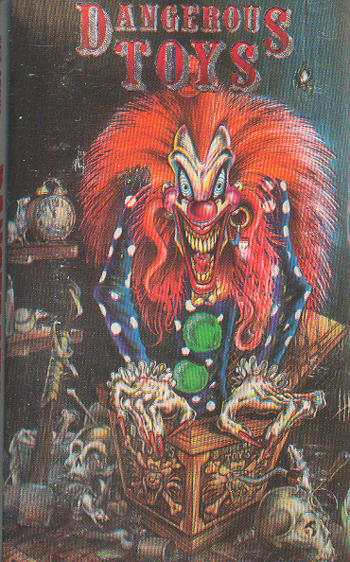
Dangerous Toys – Dangerous Toys (1989)
If you have a phobia of clowns, whether they look like normal circus performers or psycho killers out of a Stephen King novel, you probably never made it past the cover art of Texas rockers Dangerous Toys self-titled debut album.
However, if you did get past the cover, you found yourself confronted with a mostly in your face release of pent up aggression channeled into a sometimes quite effective dose of rock/metal.
The band does get categorized mainly as a glam metal act but if you listen to their music, it is more of a sleaze rock kind of thing. There’s an unapologetic beer, babes and guitars kind of vibe to the music
Vocalist Jason McMaster and company explode out the speakers with a double shot of the band’s brand of rock and roll. “Teas’n Pleas’n” is an unrelenting track that leaves you little time to catch your breath.
They follow that up with what I think might be their most musically fulfilling song in “Scared”. When you listen to the lyrics to the song, combined with the soundtrack, it is pretty easy to visualize your own kind of horror movie (even if you haven’t seen the video they made to go with the track). It really is quite effective, which for me at least is saying something as I’m really not a horror movie fan. I had gotten my hands on a CD copy of this album a couple of weeks before I got the cassette and whenever I hear the song, a movie begins playing in my head. Seriously, you should go check out the video on YouTube.
For the rest of Side 1 of the album, I thought the band missed the mark a bit. Two more pedal to the metal rockers combined with “Feels Like A Hammer” a slower track with what seemed to me a fuller depth to the musical sound, all felt a little wanting to me.
When you flip the cassette over to Side 2, you get two more tracks to kick things off that showed just how potent the band’s songwriting could be. Leading off was the guaranteed to upset pretty much any woman (or if you play the song at work, human resources), “Sport’n A Woody.” For the inner 10 year old boy who loved dick jokes that seems to reside in a lot of men, this is a hilarious track. If you have anyone that ever asks you to explain the term “cock rock” to them, play them this song and all shall come clear. I can still remember singing along to this song whenever I heard it back then and being unable to stop laughing every time.
To my recollection, this song is one of the band’s three (along with “Teas’n Pleas’n” and “Scared”) best known songs. But the track “Queen Of The Nile” should be included as final inclusion on the band’s “Big 4” song sampler. It is an undistilled adrenaline charged rocker that continually keeps a charge of electricity running through me when I hear it.
Side 2 falls victim to the same flaw that Side 1 had, where the first two tracks are great but the rest pale in comparison…at best. There’s a bit of an interesting feel to “Here Comes Trouble” but otherwise the remaining songs kind of all run together.
While the album might be a bit of a disappointment because I thought only four of the tracks were outstanding, four songs is actually pretty decent when you factor in a lot of bands from this time frame would’ve killed to have that many good tracks. When the album was originally released, I only had a dubbed cassette copy of it (remember doing that?), and hadn’t listened to it in years so perhaps that accounts for my initial expectations and subsequent letdown.
Dangerous Toys may not go down as legends of the era, but they do provide some solid entertainment and I have to say that I wish I’d seen them in their prime. I’m sure it would’ve been quite the memorable experience.
NOTES OF INTEREST: The band hasn’t released new music since 1995, but they still get together to this day to perform live on occasion. The song “Scared” is a tribute to Alice Cooper. While guitarist Danny Aaron is pictured on the back cover of the album, he didn’t actually play on any of the songs.
The Cassette Chronicles is a continuing series of mini reviews and reflections on albums from the 1980’s and 1990’s that I have acquired through Purchase Street Records in New Bedford, MA.
The aim of this series is to highlight both known and underappreciated albums from rock, pop and metal genres from the 1980’s through the cassette editions of their releases. Some of the albums I have known about and loved for years, while others are new to me and were music I’ve always wanted to hear. There will be some review analysis and my own personal stories about my connection with various albums.
These opinions are strictly my own and do not reflect the views of anyone else at Limelight Magazine.
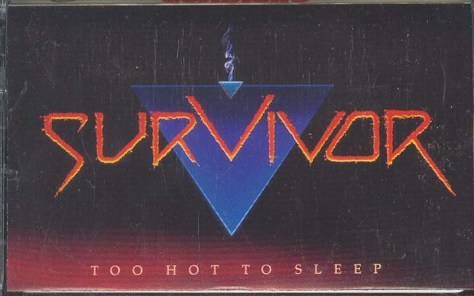
Survivor – Too Hot To Sleep (1988)
This album was the final release from the band during their most successful period. It was also, unfortunately, a rather overlooked gem. The band changed up their sound a good bit for this album. While their keyboard heavy sound made for huge hit albums with Vital Signs and When Seconds Count, the presence of that keyboard sound is pushed into the background more than usual in favor of more of an aggressive guitar sound. While the album would still fall under the AOR banner, this is definitely a more guitar rock oriented direction for the material.
And it is a good, no check that, GREAT album. I remember hearing the first single “Didn’t Know It Was Love” on the radio station I was listening to at the job I had at the time. I was so psyched to know they had a new album coming out that I cranked the volume up. And right from the start, the band served musical notice of the tweak to their sound. The opening track on Too Hot To Sleep, “She’s A Star,” is a tour de force with a smoking hot guitar line throughout the song.
The band became a three piece for this album because they used session players for their rhythm section. Singer Jimi Jamison was huge with his vocals, even more powerful with a good dose of grit added to the mix. Frankie Sullivan (in what was probably the last instance of him seeming to give a damn) was able to do a lot more shredding on the guitar and while Jim Peterik’s keyboards weren’t as prominent as the past, he was still responsible for a lot of the actual songwriting.
In truth, there is not a single bad song on the album. I love it all. Hell, I actually had just ordered the reissued/remastered edition of the album on CD from Rock Candy Records a couple days before I bought this cassette.
Survivor may have seen this last gasp of greatness fall flat with the music buying public at large, but those of us who were and continue to be hardcore fans know the truth, this album is truly magnificent.
Notes of Interest: With longtime drummer Marc Droubay out of the band, Survivor hired drummer Mickey Curry to record the album. You’ll note that Curry was also a featured player on the first album featured in this series, Helix’s Wild In The Streets. Styx guitarist Tommy Shaw also appears on backing vocals for the album.
The Cassette Chronicles is a continuing series of mini reviews and reflections on albums from the 1980’s and 1990’s that I have acquired through Purchase Street Records in New Bedford, MA.
The aim of this series is to highlight both known and underappreciated albums from rock, pop and metal genres from the 1980’s through the cassette editions of their releases. Some of the albums I have known about and loved for years, while others are new to me and were music I’ve always wanted to hear. There will be some review analysis and my own personal stories about my connection with various albums.
These opinions are strictly my own and do not reflect the views of anyone else at Limelight Magazine.
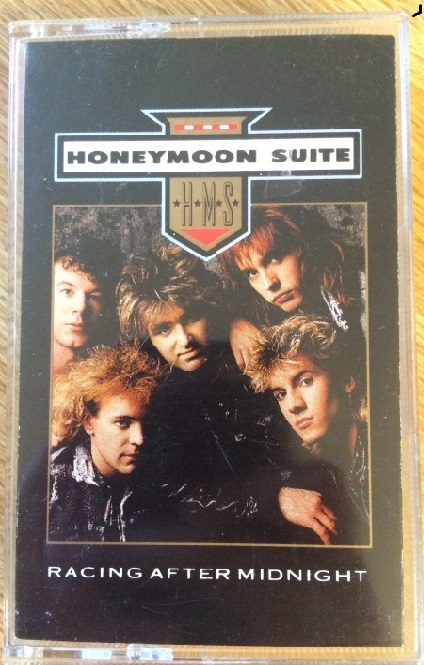
Honeymoon Suite – Racing After Midnight (1988)
In the song “Tears On The Page” there is the lyric line “We should’ve made it, we could’ve had it all.” That line could conceivably sum up the woulda, coulda, shoulda aspect of Honeymoon Suite’s career.
The band’s first three albums, including the self-titled debut and their to-this-day masterpiece The Big Prize and this Racing After Midnight release are superb examples of the best of what is now the melodic rock genre has to offer. They had it all, great guitar work, a dynamic singer, the overlayed keyboards that didn’t mute the guitar work and catchy as hell songwriting. Sadly, while there was a modicum of success in the US and far more in their native Canada, it seems the deserved fame and respect the band deserves kind of eluded them.
However, it isn’t because there was anything lacking in the material. Because on Racing After Midnight, the band is on fire throughout. The mixture of rockers and ballads keep the blood flowing and shine a spotlight on guitarist Derry Grehan and singer Johnnie Dee in particular.
The band wastes no time getting started, leading off the album with the adrenaline fueled “Lookin’ Out For Number One.” It’s one of two tracks that best highlight the fiery licks from Grehan. It’s aggressive without being over the top and full of enough melodic hooks to grab you and not let go. The other song that blazes with Grehan’s fretwork as the sole spotlighted instrument is “Other Side of Midnight,” the closing song on side one of the album.
Of course, this is the 1980’s we are talking about so the keyboard sound also plays a big part in the band’s overall sound. While the slower tempo ballad songs are quite obviously powered by Rob Preuss’s keys work, I thought where he stood out best is when the keys and guitar were combined to give songs like “Love Changes Everything” and the aforementioned “Tears On The Page” a more fleshed out and musically deeper fulfilling sound.
The album closes with a remixed version of the ballad “Lethal Weapon.” The original version of the song was played over the closing credits of the first Lethal Weapon movie. I remember hearing the song when I saw the movie and thought that it seemed a bit trite for the song to have to work in “Lethal Weapon” into the chorus. Nearly 30 years later, I still feel it just didn’t quite mesh the way I’m sure it was intended.
The band is still together, having gone through a series of lineup changes over the years, and they still tour. There have been five albums since this one. Their 2008 release Clifton Hill was an album that I got to review when I was writing for another website at that time.
So, if you haven’t ever checked the band out, you are missing out on some fine melodic hard rock. Racing After Midnight amply demonstrates how talented Honeymoon Suite was and the fact more people didn’t get that fact at the time is a little sad because they really could’ve and should’ve had it all.
Notes of Interest: The album was co-produced by Ted Templeman, best known for his work with Van Halen, The Doobie Brothers and solo work from ex-Doobie Brother Michael McDonald. McDonald helped out with the recording of Racing After Midnight when singer Johnnie Dee was seriously injured in a car accident. McDonald wrote lyrics and sang back up on the song “Long Way Back.”
Gracelyn Rennick is an 18-year-old singer/songwriter from Rhode Island. She plays a number of instruments, including guitar, ukelele, piano and drums. She has been writing and performing her own songs since early 2013 and released her debut album, Saving Grace, in 2015. Last September, her original song “Like The Stars” won the pop/contemporary “Song of the Year” Award at the Josie Music Awards in Nashville, TN, and she plans to release more songs in the future. Rennick has also suffered from multiple chronic illnesses and has used her music to overcome any challenges she has faced. We recently interviewed with Rennick who hopes to play more gigs outside of New England in the future.
LIMELIGHT MAGAZINE: You released your first CD, Saving Grace, in 2015 when you were 16. Since then, you’ve released two singles – “Like The Stars” and “Already Gone.” Do you have plans to record any more songs for another CD?
GRACELYNRENNICK: Right now, I am focusing on my writing and making sure that I have enough new songs, if I do end up making an album in the future. I am always writing, so you never know when I am going to drop a single or something like that. I can be very unpredictable when it comes to releasing music, which is pretty cool to my fans; for me to be able to spring a new song on them.
LIMELIGHTMAGAZINE: Last September, “Like The Stars” won the pop/contemporary “Song of the Year” Award at the Josie Music Awards in Nashville, TN. How did you feel about receiving that award for that song?
GRACELYNRENNICK: When I found out that “Like The Stars” was nominated, it was an incredible feeling and I felt so blessed. When we attended the award show, we really didn’t have high hopes about winning any of the awards that I was nominated for, especially “Song of the Year” since there were so many amazing songs being nominated in that category as well. When they announced my name and song as the winner, at first, I didn’t believe it. But, I was so humbled to have received the award and it is still, to this day, one of my biggest accomplishments.
LIMELIGHTMAGAZINE: Everyone has their own songwriting process. Could you elaborate on yours?
GRACELYNRENNICK: My songwriting process is all over the place. Some days I just go into my room with an idea or with a short lyric, grab my guitar, and just go. Other times, I have a whole song in lyric form already written and I have to put music to it or vice versa. I find it easier to write what comes naturally, rather than writing from a theme. A lot of my songs are based from life experiences, but I never really can tell until after I have written the song. I never know what my songs are about until after I analyze them. I write in a more general, indirect way, so that more people can relate to my songs and make them what they want to hear.
LIMELIGHTMAGAZINE: In your biography online, it says that you’ve suffered from chronic illnesses, including neurological Lyme disease, Mitochondrial disorder, seizure disorder and neurotoxin illness but you’ve thrived with your music. How has your music helped you overcome any health-related challenges you’ve had?
GRACELYNRENNICK: Music was my solution to being happy again. When I was sick, I had no friends, I didn’t go to school for two years, or really even leave my house. I didn’t have much, other than what was right in front of me. I started to take up classical piano on my own, which really was a step in the right direction for me because I found joy in the keys. As I got healthier, I picked up my guitar, which I hadn’t touched in years, and started to strum. Thus, beginning my singer/songwriter and performing career. Writing songs and performing them for people gave me more happiness than I think I have ever had and that is how music helped me through my health challenges.
LIMELIGHTMAGAZINE: You’ve also used your music to raise awareness for a number of chronic diseases and to help other people. Could you tell us some of the causes you personally support?
GRACELYNRENNICK: I have plans in the future to release one of my originals, “You’ll Be OK,” and have the proceeds go to suicide prevention organizations. I wrote that song about a really tough time in my life when I thought there was no way out. I wrote it about HAVING an out and that, no matter what happens, you’ll be ok. I also perform my music at events for The Epilepsy Foundation of New England. I suffer from a seizure disorder myself, so I try to help out with them as much as I can. In addition to that, I put together a fundraising show in 2015 for a woman who was suffering from cancer and her family. I ended up raising over $3,000 dollars in ticket sales and merchandise.
LIMELIGHTMAGAZINE: What do you like most about doing charity work?
GRACELYNRENNICK: I like the feeling I get when I know that I have helped or am helping someone or a community. I usually work with organizations that hit close to home for me, so it’s helpful for them to know that I understand what they’re going through because I’ve been through it as well. It’s also like a sigh of relief for me, knowing that I am not alone in this world. As much as I may help other people, little do they know, that they help me as well.
LIMELIGHTMAGAZINE: I’ve read that you asked your parents for a guitar when you were nine-years old. A lot of children want an instrument at a young age but they never really pursue it. What motivated you to stick with it?
GRACELYNRENNICK: I think the answer is plain and simple. It’s what I wanted to do. As crazy as it may seem, at just nine years old, I knew what I wanted to do with my life. I was absolutely determined to make sure that I didn’t let that dream slip out of my fingers.
LIMELIGHTMAGAZINE: Who are some of your influences in the music industry?
GRACELYNRENNICK: My very first musical inspiration was Luke Bryan. I started listening to his music around the same time that I started writing my own. My whole first album has a lot of influences from him on it, and other country artists like Carrie Underwood, Miranda Lambert, etc. As I started to get older and become independent in the type of music I listened to, I started to find inspirations in bands as artists, such as, All Time Low, PVRIS, Halsey, The 1975, and Set it Off. Nowadays, I am finding my music to be more like Kelsea Ballerini or Maren Morris. But, with all of those artists aside, I would have to say that my biggest musical inspiration is Ed Sheeran. I mean, have you seen that guy perform…he’s insane!!!! I aspire in every way to be like him.
LIMELIGHTMAGAZINE: You’ve opened for a number of national acts, including Lee DeWyze and Howie Day. What do you like most about performing live?
GRACELYNRENNICK:: I feed off of the energy of the crowd. Being able to look out and see people listening to your music, and the occasional people actually singing your music, is what keeps me going. It’s an incredible feeling to actually be listened to, rather than when you’re playing in a restaurant and no one could care less about you or what you’re singing. Performing is my favorite part of the whole shebang, I would take it over writing any day.
LIMELIGHTMAGAZINE: Speaking of performing, you’ve become a regular at Joey Kramer’s Rockin’ & Roastin’ in N. Attleboro, MA. Have you had the opportunity to meet Joey? Do you like playing there?
GRACELYNRENNICK: I work at Rockin’ & Roastin’ as a Barista in addition to my music career. I also host an open mic there! Its a really awesome place and the open mic’s every Tuesday are so much fun! I have met Joey a couple of times. The first time I met him, I had him sign my old Takamine guitar and he kept telling me how nice of a guitar it was! It was a super cool experience since Aerosmith has always been huge inspiration of mine.
LIMELIGHTMAGAZINE: What are some of your plans for the future?
GRACELYNRENNICK: Well, for the near future I am going to be trying to play more gigs around the New England area and always writing new stuff. More further in the future, my goal is to start touring and doing shows outside of my little box that I normally play in in New England. I will also be attending the 2017 Josie Music Awards in Nasvhille in September!
LIMELIGHTMAGAZINE: Is there anything you’d like to add?
GRACELYNRENNICK: If you’d like to see where I am performing next, or want to see what I’m doing with my music check out all my links!
The Cassette Chronicles is a continuing series of mini reviews and reflections on albums from the 1980’s and 1990’s that I have acquired through Purchase Street Records in New Bedford, MA.
The aim of this series is to highlight both known and underappreciated albums from rock, pop and metal genres from the 1980’s through the cassette editions of their releases. Some of the albums I have known about and loved for years, while others are new to me and were music I’ve always wanted to hear. There will be some review analysis and my own personal stories about my connection with various albums.
These opinions are strictly my own and do not reflect the views of anyone else at Limelight Magazine.
Hericane Alice – Tear The House Down (1990)
In preparing to write about this album, I found myself thinking back to 1990 when the album was released. I had seen an ad for the album in a magazine (possibly Metal Edge, but I’m not completely sure) and it looked intriguing to me.
So, I got myself to the store and picked the album up on cassette. Unfortunately, that was pretty much the last interesting thing I can recall about the album. It was the only release from the band and I remember not thinking much of the material. So, the album eventually got weeded out of my music collection.
Of course, when I made the big 100 cassette purchase from Purchase Street Records, this album was not only amongst the many and varied possible treasures, but it was still in the original cellophane wrapping from the Strawberries record store.
In 1990, as the era of metal music ruling the charts was starting to wind down, record companies were signing pretty much any type of “hair” band in the hopes of finding a gem that could lead to big record sales. It was throwing crap against the wall to see what, if anything, would stick.
Unfortunately, listening to this album now 27 years after its release hasn’t improved the quality much at all. Instead, this is a prime example of why metal died as a chart-topping force.
The music is really not that great, lacking what I would call a true feel for melody. At times, it sounds like it is just a bunch of discordant noise strung together in the hopes that nobody would notice the lack of a cohesive whole.
Side One leads off with the band’s single (and video clip) “Wild Young And Crazy”, which is mildly entertaining I suppose but it just lacks something in the hook department. It is a fast paced song designed to get your blood pressure up, but it really just kind of falls flat. As for the rest of the songs on the first side of the tape, only the title track serves to reward the listener with any sense of raising your energy level.
As for Side Two, well let’s just say that there are five songs and be done with it. Nothing on the second side of the cassette even compares to the first side.
Part of the goal of this series of articles is not just to potentially enlighten readers to some of the glorious metal of my favorite era of music, but also to remind myself of what I loved, what I missed, and maybe rekindle something from bands that just fell by the wayside.
But listening to Hericane Alice just reminds me of everything that went wrong by the end of “The Metal Years.” I can’t even say this was a noble attempt that fell shy of the mark. This album was just pretty much an abject failure. Tear The House Down makes it that much easier to understand why the band never really went further than the one release. This won’t be an album that gets more play time from me because.
Notes Of Interest: Bassist Ian Mayo and drummer Jackie Ramos went on to play with current Dead Daisies guitarist Doug Aldrich (ex-Dio, ex-Whitesnake) in both Bad Moon Rising and Burning Rain.
Singer Bruce Naumann reformed Hericane Alice in 2007 with an entirely new lineup around him. At last check on their Facebook page, they seem to still be active.
Bringing great entertainment to New England since 2011!